The 52-foot yacht Tai Tam was struck by a pod of sperm whales about 250 nautical miles north of Norfolk Island, cracking the hull and disabling the steering. The four-person crew activated an emergency beacon roughly 30 minutes later, spent hours bailing water and abandoned ship overnight. A 470-foot container ship rescued them about 18 hours after the collision; no one was injured. Authorities praised the crew’s preparedness and noted the incident underscores dangers to vulnerable sperm whales.
Sperm Whale Cracks Yacht Hull in South Pacific — Crew Rescued After 18 Harrowing Hours
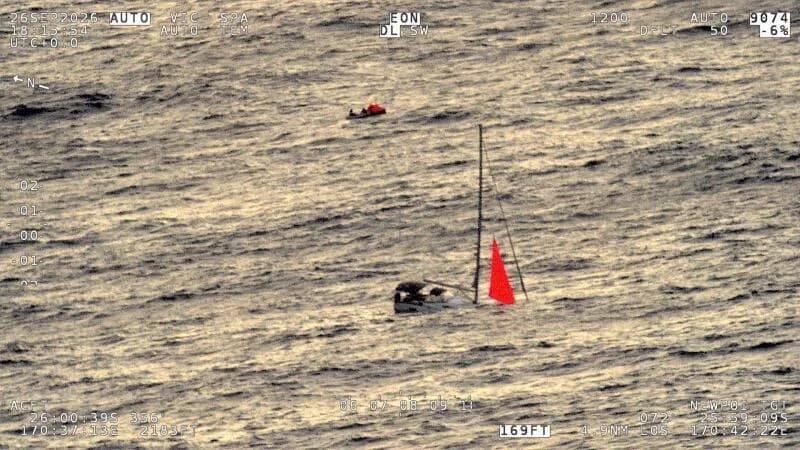
A sperm whale cracked the hull of a yacht sailing in the remote South Pacific. / Credit: New Zealand Defence Force
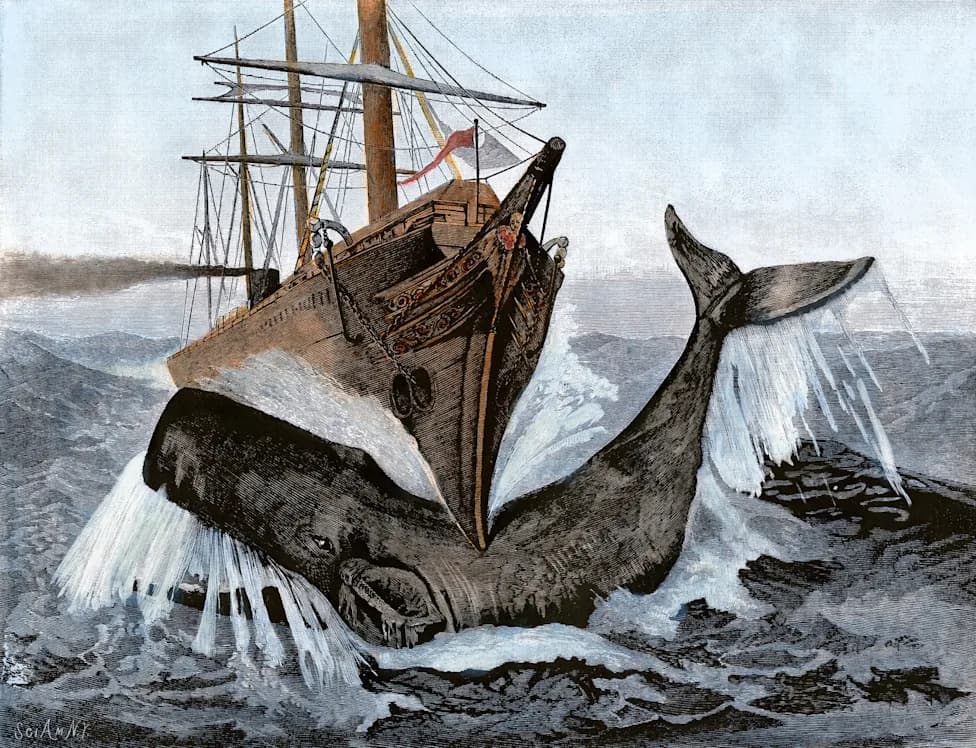
A pod of sperm whales struck the 52-foot yacht Tai Tam about 250 nautical miles north of Norfolk Island, cracking the fiberglass hull, smashing steering gear and forcing four crew members into an overnight fight for survival on the open ocean.
Collision and Immediate Damage
According to crew accounts given to AFP, the impact produced a loud thud that pushed the yacht sideways. Australian sailor Jemma Cooper said the blow threw her from the wheel; her husband Jeremy, asleep below deck, was woken by the collision. The crew reported brown discoloration in the water and estimated a pod of six to eight sperm whales nearby.
French crewmember Martin Jaffre described several gashes in the hull, cracked fiberglass and destroyed steering on the starboard side. With steering inoperable and a significant amount of water entering the boat, the crew battled to slow the flooding and keep the engine from becoming clogged while manually bailing water.
Distress Signal, Rescue Coordination and Abandonment
About 30 minutes after the collision—at roughly 1 p.m. New Zealand time on Saturday—the sailors activated their emergency beacon and declared a full mayday. The Royal New Zealand Air Force diverted a P-8A Poseidon patrol plane to the area to establish radio contact and coordinate rescue efforts.
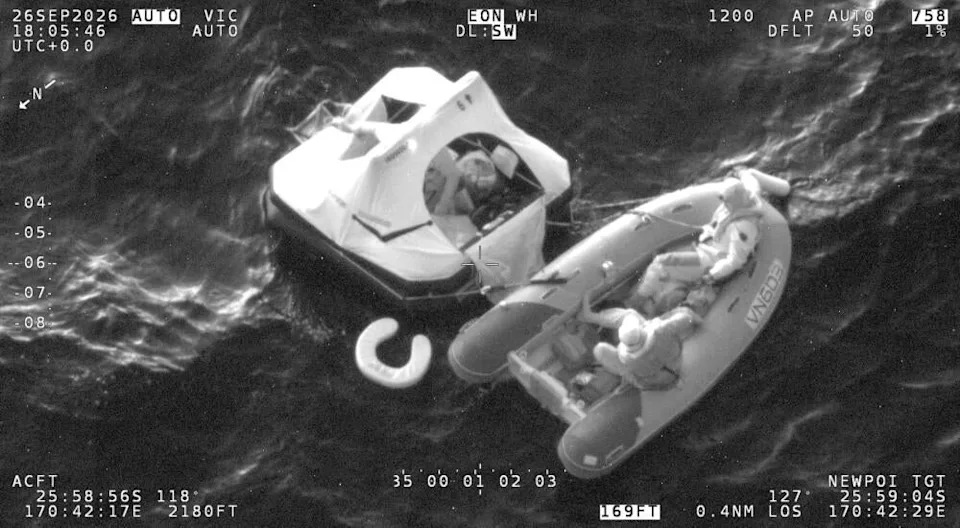
A sperm whale cracked the hull of a yacht sailing in the remote South Pacific. The four sailors were rescued about 18 hours later. / Credit: New Zealand Defence Force
Using expansion foam and whatever materials were at hand, crew members tried to patch and slow the incoming water. Late that night, with seas calm and a full moon overhead, they abandoned the Tai Tam and boarded a life raft. In the early hours of Sunday they cut the tether to the damaged yacht, fearing it could drag them down; the yacht sank soon afterward.
Rescue and Aftermath
At about 6 a.m. on Sunday—roughly 18 hours after the initial encounter—the 470-foot container ship MV Sofrana Surville located and rescued the four sailors, the New Zealand military reported. The crew described a tense transfer as the freighter approached their small life raft, but within 30 minutes they had climbed a ladder to safety, shared coffee with the ship’s captain and reflected on the abrupt end to their voyage. No injuries were reported.
"It was wonderful, wonderful, and just a terrible, terrible ending — but luckily no loss of life," Jeremy Cooper said.
Context and Conservation Note
Adult male sperm whales typically measure 50 to 60 feet. The International Union for Conservation of Nature classifies the species as "Vulnerable," citing slow reproduction (about once every five to seven years) and threats including noise pollution, plastic ingestion and ship strikes. The New Zealand incident is at least the second reported case in under two months of a whale colliding with and sinking a vessel; in July a whale surfaced near a New Jersey fire department boat and sank it while firefighters were aboard.
Rescue Coordination Centre Operations Manager Mike Clulow praised the crew's preparedness and the timely activation of their EPIRB (Emergency Position-Indicating Radio Beacon), saying the well-coordinated response likely saved lives and underscoring the importance of being prepared at sea.
Help us improve.