A pod of 27 pilot whales became disoriented in the tidal Thames near Gravesend. On Sept. 19, a coordinated response using eight boats guided 25 of the whales back to sea during a six‑hour, roughly 20‑nautical‑mile operation. Two whales died during the multi‑day incident; authorities will work with the Cetacean Strandings Investigation Programme to conduct autopsies. Rescuers praised the rapid cooperation that prevented a potential mass stranding.
Rescuers Herd 25 Pilot Whales Out of the Thames in Six‑Hour Operation; Two Did Not Survive
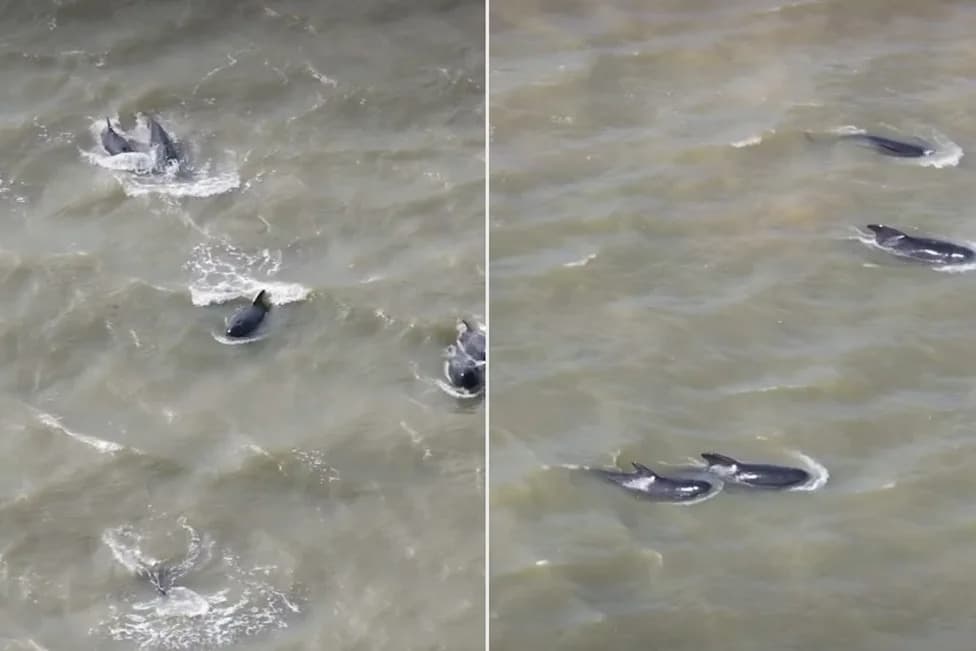
pilot whales in London's Thames RiverCredit: Port of London Authority
Rescue teams from multiple organisations worked through the weekend to guide a pod of pilot whales out of the tidal River Thames after the animals became disoriented near Gravesend. The incident began when Marine Pilots spotted the group on Friday, Sept. 18, and a coordinated effort involving the Port of London Authority (PLA), British Divers Marine Life Rescue (BDMLR), Marine Pilots and local authorities in Gravesham and Thurrock culminated in a six‑hour operation the following morning.
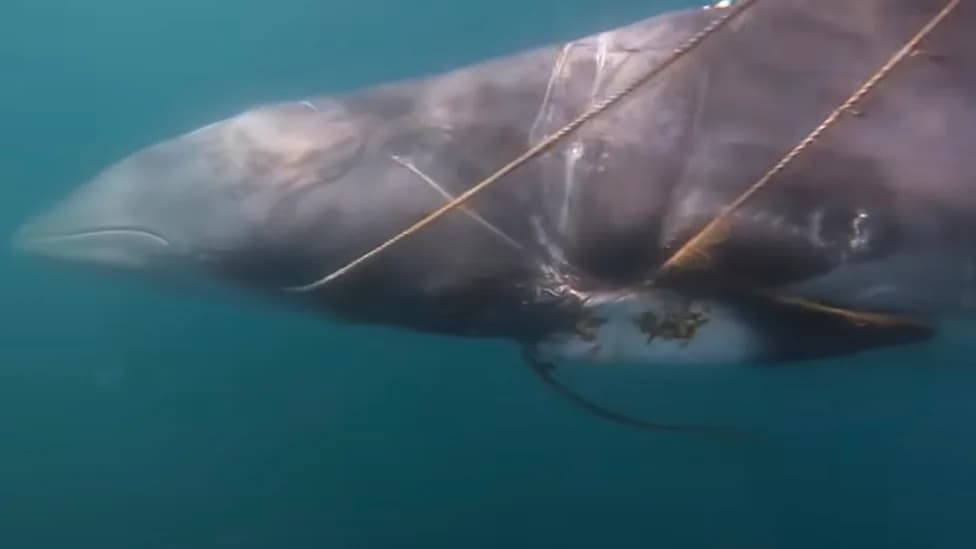
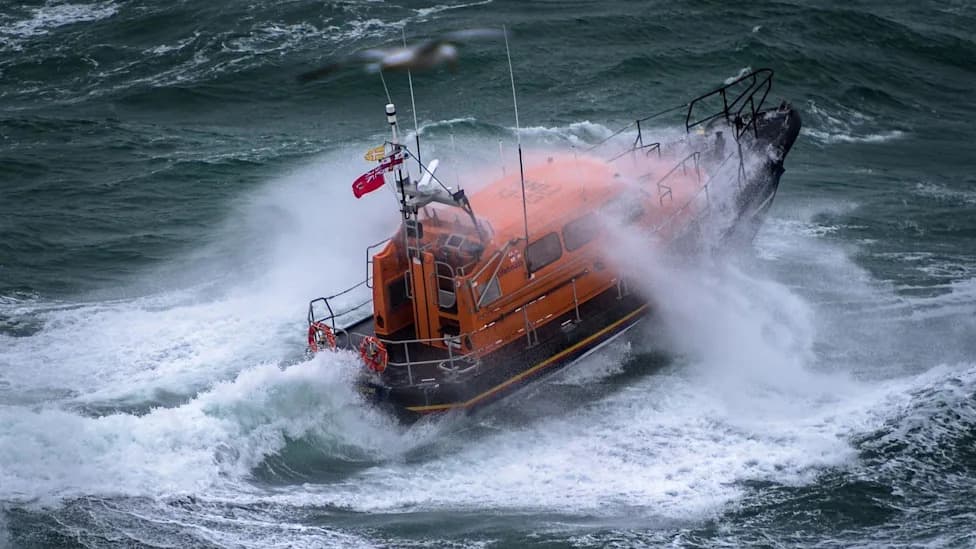
Officials say the pod numbered 27 when first seen in the river. By the end of the operation on Sept. 19, crews had successfully guided 25 whales back into deeper waters. Rescuers covered roughly 20 nautical miles while using eight boats to herd the animals toward the estuary, pausing at times to allow mothers and calves to rest.
Why the Thames is dangerous for pilot whales
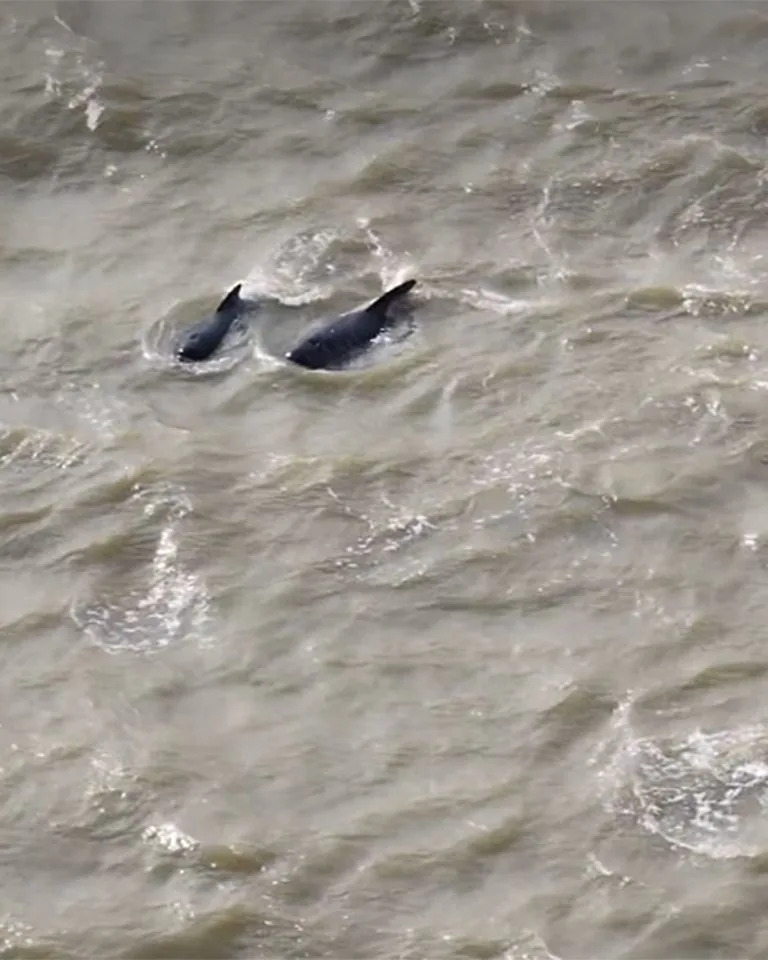
pilot whales in the Thames RiverCredit: Port of London Authority
Pilot whales are actually a species of oceanic dolphin adapted to deep coastal and open waters. The PLA warned the Thames is too shallow for these animals and lacks the prey they need, making the river an unsuitable habitat and increasing the risk of mass stranding and mortality.
Casualties and follow-up
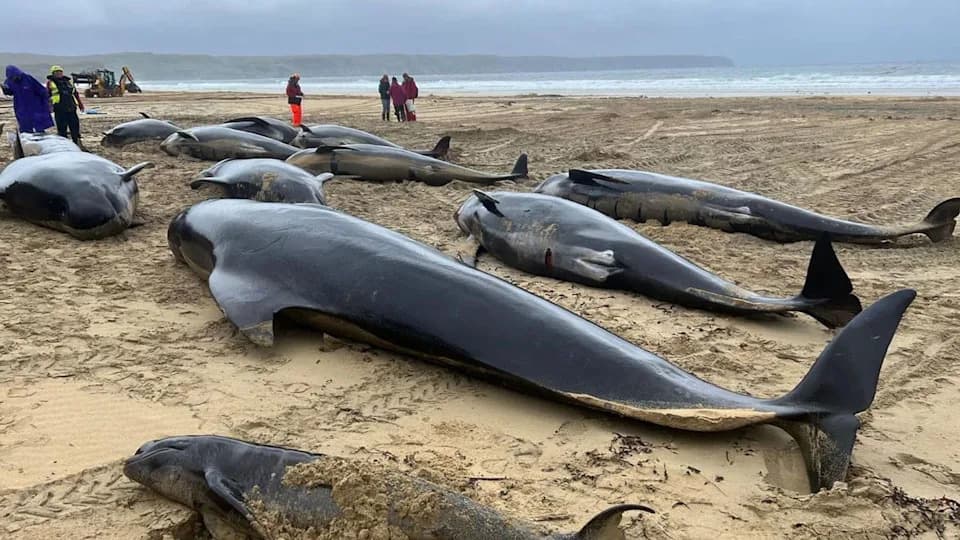
Tragically, two of the animals died during the multi‑day incident. One whale showed signs of illness and was later found washed up on shore on Friday. A second came ashore but re‑entered the water; crews believe it later died the same day. The PLA said it is working with BDMLR and local authorities to recover the carcasses and will cooperate with the Cetacean Strandings Investigation Programme (CSIP) to conduct post‑mortem examinations.
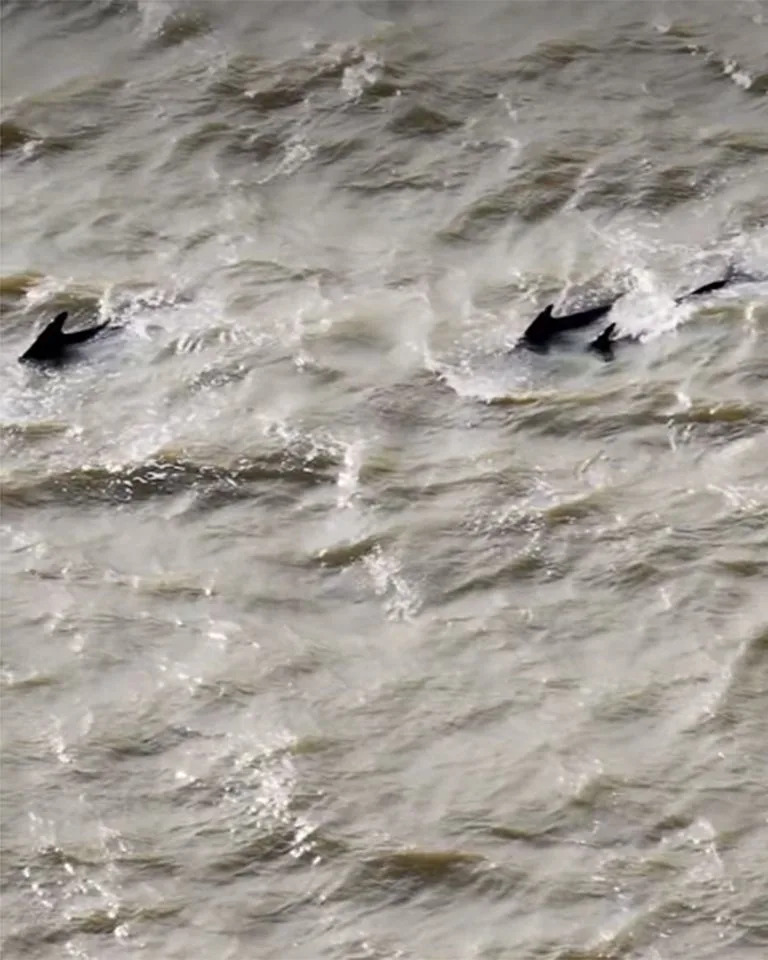
A group of pilot whales swimming near the surface of the water in the Thames RiverCredit: Port of London Authority
"This is one of the most unusual and memorable operations I've been involved in," said PLA harbour master Lyn Kindlen. "Seeing these animals up close was incredible, but what impressed me most was seeing everyone come together at such short notice to make a real difference. Together, we saved 25 whales."
The Thames is now believed to be clear of the pod, and authorities urged the public to avoid disturbing any stranded whales and to report future sightings to port officials so trained teams can respond quickly.
Who responded
The coordinated response included the Port of London Authority, British Divers Marine Life Rescue (BDMLR), Marine Pilots and local emergency and animal‑response teams from Gravesham and Thurrock. Volunteers and harbour staff worked in concert to monitor the animals' condition and guide them safely out of the river.
What happens next
Investigations and post‑mortem examinations arranged by CSIP will aim to determine whether illness or other factors contributed to the deaths. Officials will also review the response to build on lessons learned for future strandings and to improve rapid‑response procedures.
Help us improve.