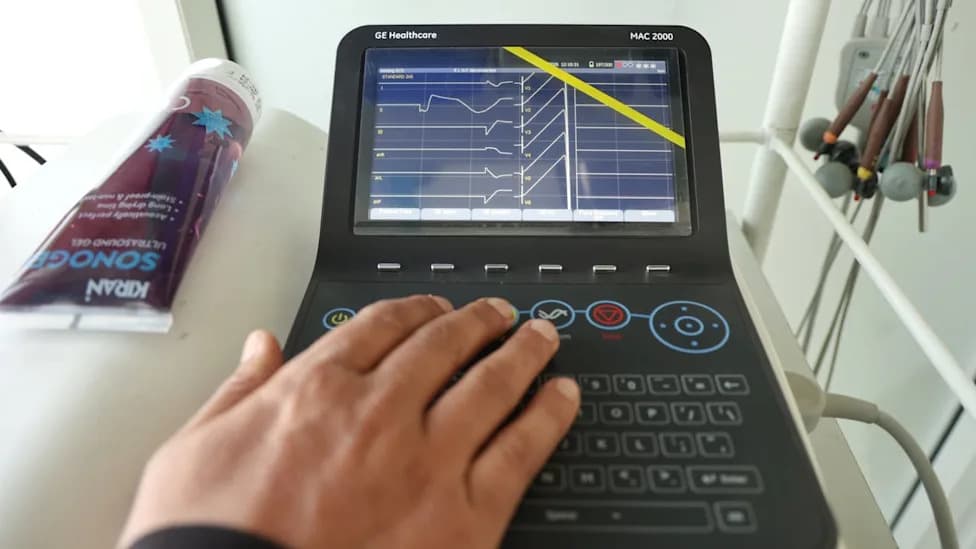
The Vivalink survey of 150 cardiac patients found strong interest in home-based or hybrid cardiac rehabilitation: 79% would likely participate and 68% prefer largely home-based programmes. Wearables are broadly trusted — 78% would use them and just over 80% believe devices can capture needed clinical data. Key enablers are automatic data transfer, comfort and simple setup; major barriers are motivation, limited space and cost, with 87% saying insurance coverage would increase uptake.
Patients Prefer Home-Forward Cardiac Rehab — But Cost And Practical Issues Stall Adoption

Respondents were generally interested in at-home cardiac rehabilitation care
A new Vivalink survey of 150 people with cardiac conditions shows strong interest in flexible, home-based or hybrid cardiac rehabilitation — but patients say programmes must meet several practical and financial conditions to win broad acceptance.
Key Findings
High interest in at-home care: 79% of respondents said they would be very or somewhat likely to participate in at-home cardiac rehabilitation if given the option, and 68% prefer a largely home-based or hybrid approach over an exclusively clinic-based programme.
Trust in wearables: 78% said they would be comfortable using wearable devices for at-home cardiac monitoring, and just over 80% said they trust these devices to capture the clinical information their care teams need.
Essential device features: The most valued wearable characteristic was automatic transmission of health data to clinicians (63%). Comfort, simple setup, and clear instructions were also frequently cited as critical to usability.
Conditions And Concerns
Patients emphasized that interest in home-based rehabilitation depends on continued connectivity with their care teams — ongoing communication was rated as important as having flexible, easy-to-use equipment. Practical barriers were also raised: 40% worried about lacking motivation to exercise alone, and 37% were concerned about limited space at home for necessary equipment.
Cost And Coverage: Financial barriers loom large. Six in ten participants (60%) said they would not pay out of pocket for a home-based programme, and 87% said insurance coverage would make them more likely to take part.
Market Context And Implications
The findings arrive as cardiac care increasingly extends beyond clinics, with digital health technologies and wearables becoming central to treatment, rehabilitation, and long-term management. However, payers do not yet broadly reimburse these devices worldwide, leaving many patients to shoulder costs and risking unequal access for disadvantaged groups.
A recent GlobalData report forecasts the wearable market will reach roughly $232 billion by 2030, with hearables and smartwatches — driven by major tech firms such as Apple — among the key growth drivers.
What This Means For Providers And Payers
To scale home-based cardiac rehab, programme designers and payers should prioritize:
- Seamless clinician connectivity and automatic data sharing from devices,
- Comfortable, easy-to-use wearables with straightforward setup,
- Hybrid models and behavioural supports to address motivation and space constraints, and
- Insurance coverage or reimbursement strategies to remove cost barriers for patients.
Addressing these factors could improve uptake of home-based cardiac rehabilitation and help ensure equitable access as remote care technologies expand.
Help us improve.