President Trump’s latest taxpayer-funded ads — including a gospel-choir spot repeating “Love Me” — are part of three videos costing about $1.5 million and read more like ego management than persuasion. Polls show weakening support (Reuters/Ipsos ~32%) and just 13% of respondents reportedly believe the $5,000 check promise. The article highlights a pattern of repeated, unfulfilled payout promises, the failed launch of a pro‑Trump streaming channel, and a campaign strategy focused on safe, deep‑red states rather than competitive races. Structural threats such as gerrymandering and limits on accountability remain serious concerns.
Taxpayer-Funded 'Love Me' Ads and Trump’s Ego Projects Aren’t Winning Over Voters
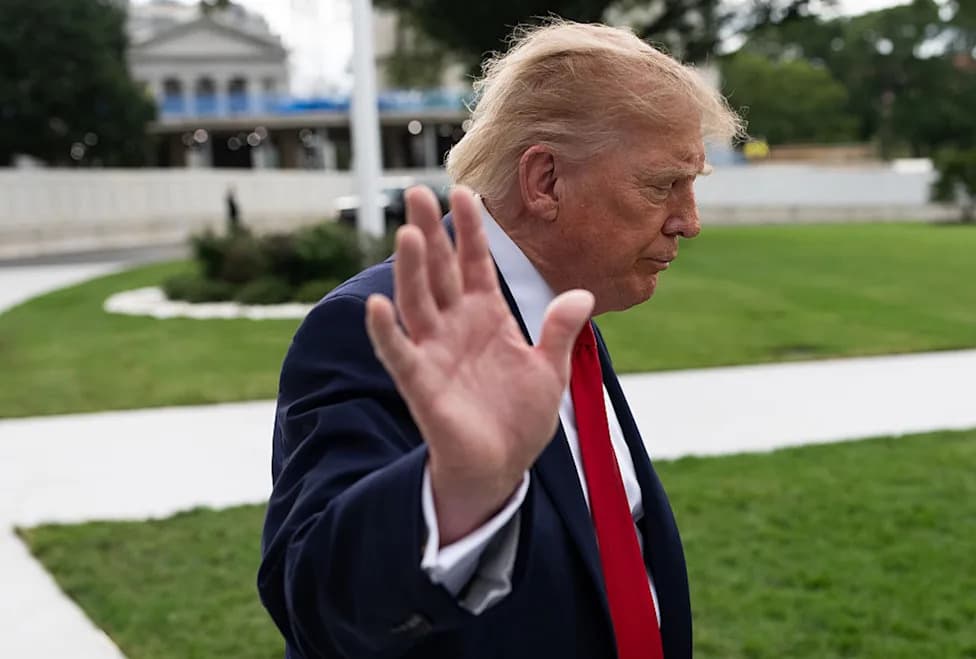
President Donald Trump waves to the media on the South Lawn of the White House on Sept. 26, 2026. https://www.salon.com/topic/donald-trump
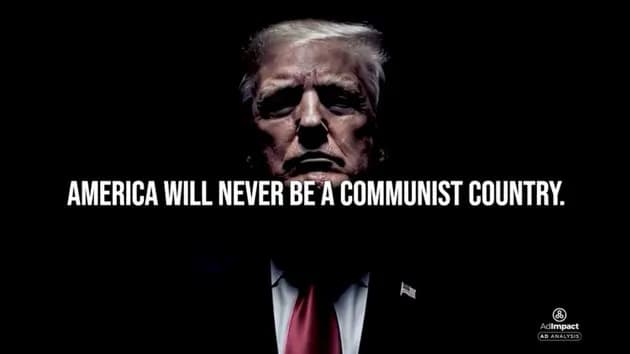
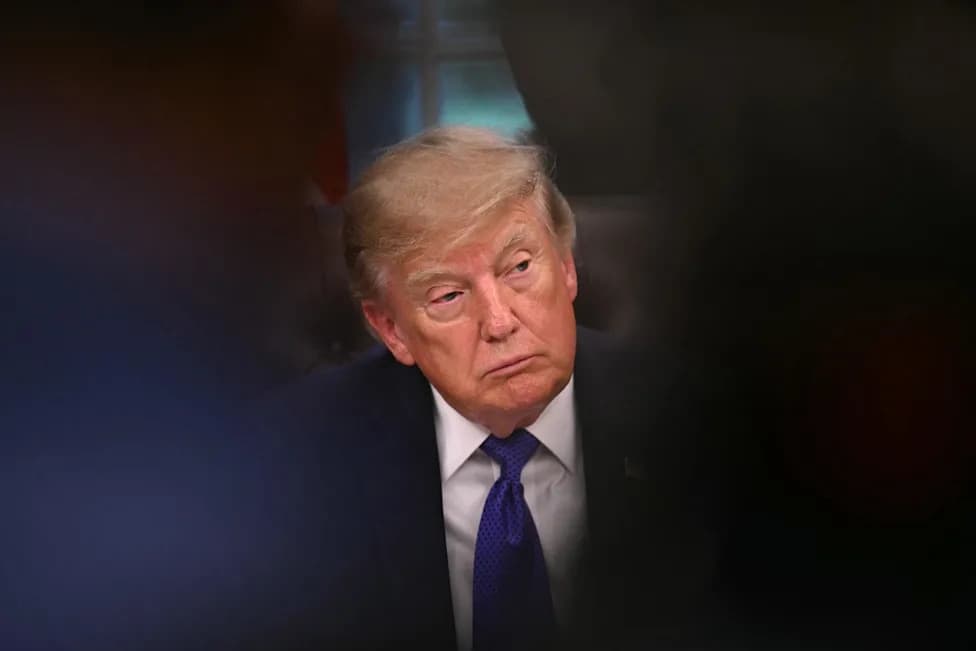
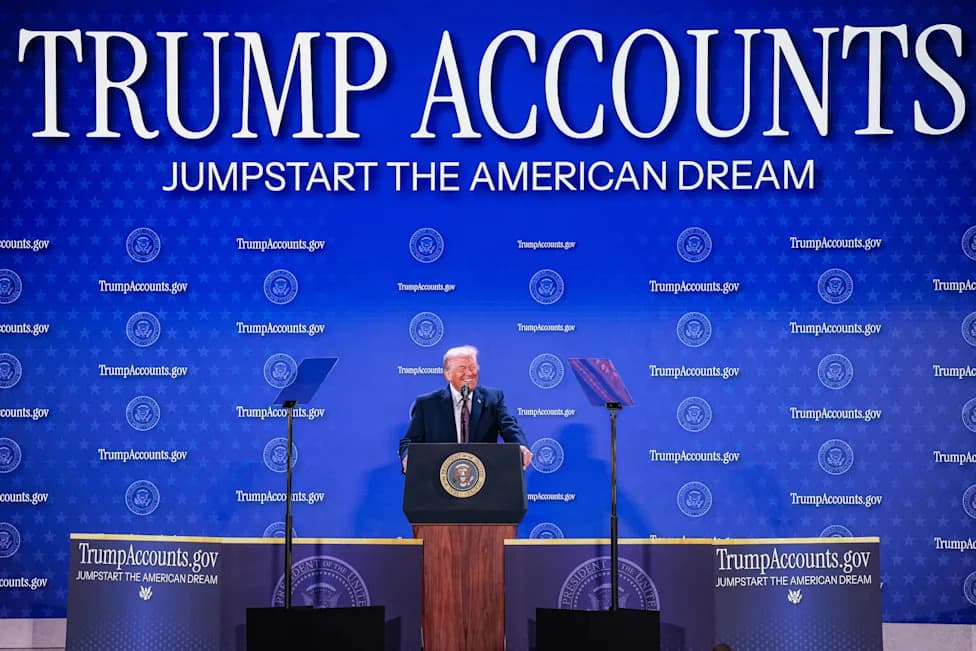
President Donald Trump has turned to blunt, theatrical messaging — including a taxpayer-funded spot featuring a gospel choir repeating the words "Love Me" — as part of three White House videos that together cost about $1.5 million. The ads read less like finely targeted persuasion and more like an expensive attempt to soothe a visibly aggrieved leader.
Ads, Messaging and the Limits of Showmanship
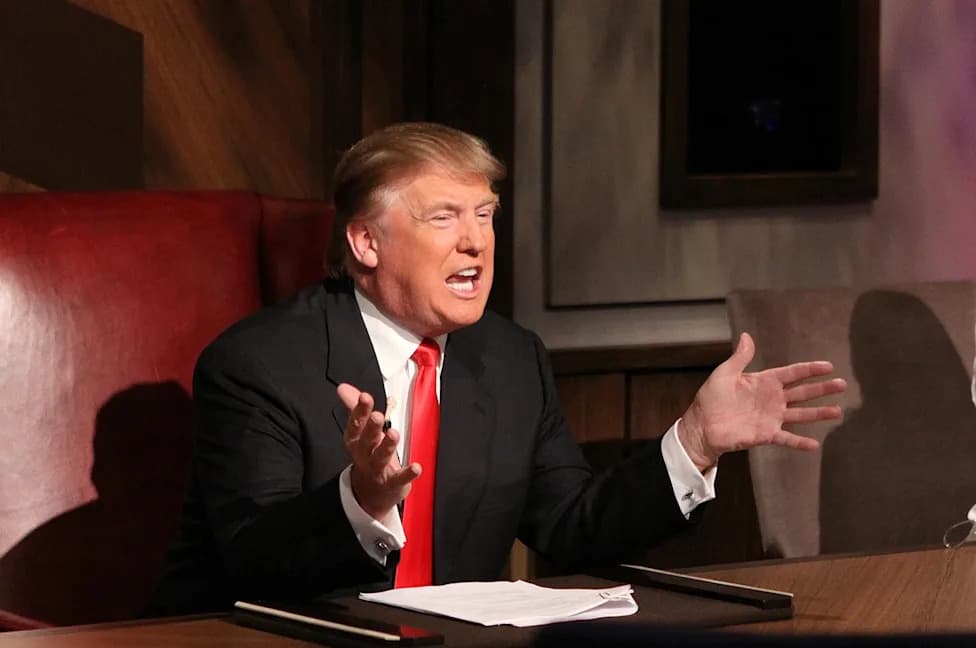
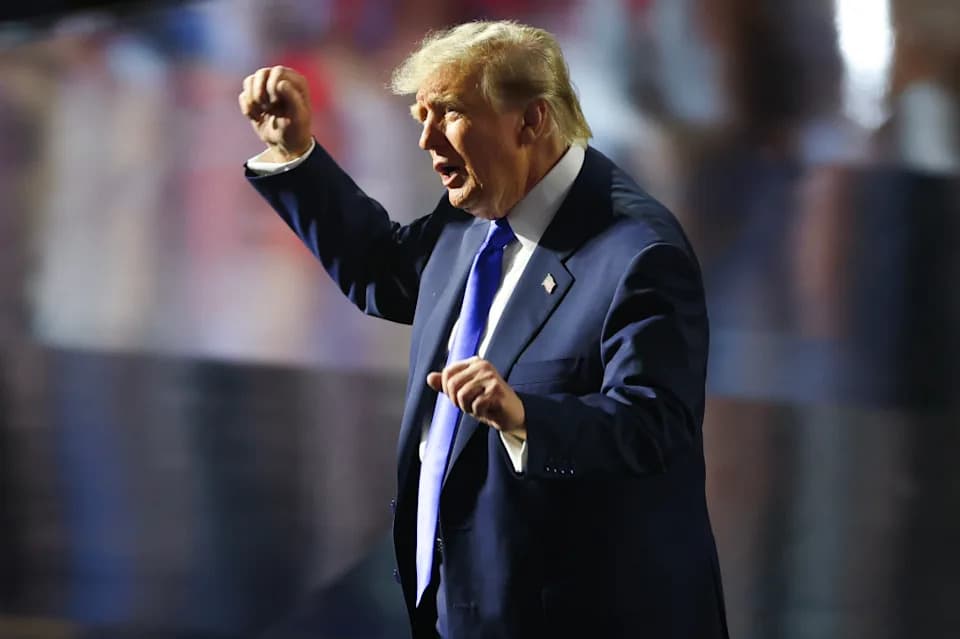
Trump’s approach has long favored spectacle and repetition over subtle argument. What may have once energized his base now shows signs of fatigue: confident self-promotion and grand claims are losing persuasive power as voters compare rhetoric to results.
Polling, Broken Promises and Waning Trust
Recent polling suggests slippage in public support. A Reuters/Ipsos poll placed the president’s approval at roughly 32%, and analysis by G. Elliott Morris found only about 13% of respondents willing to endorse the promise of a $5,000 "dividend" check — a sign that even some supporters are skeptical of extravagant pledges.
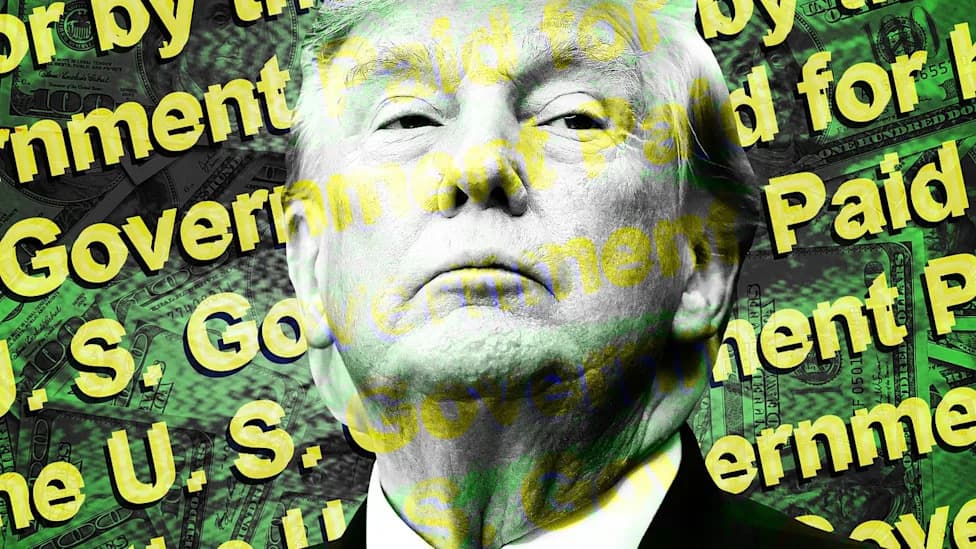
Journalists and analysts have documented a pattern of repeated second‑term promises involving large government checks. As compiled by Catherine Rampell, this "partial list" includes multiple iterations of $2,000 rebates and other proposed payouts, a $5,000 "DOGE dividend" proposal and suggestions of ACA‑related rebates — many of which went unfulfilled. That repetition has likely dulled the persuasive effect of yet another check promise.
Propaganda Channels, Low Audiences and Safe Rallies
Beyond ads, the White House has experimented with other communications projects such as a pro‑Trump streaming channel branded "Trump TV," which registered modest viewership at launch and dropped quickly. Observers reported early audiences in the low thousands, with much of the initial traffic coming from journalists monitoring the effort.
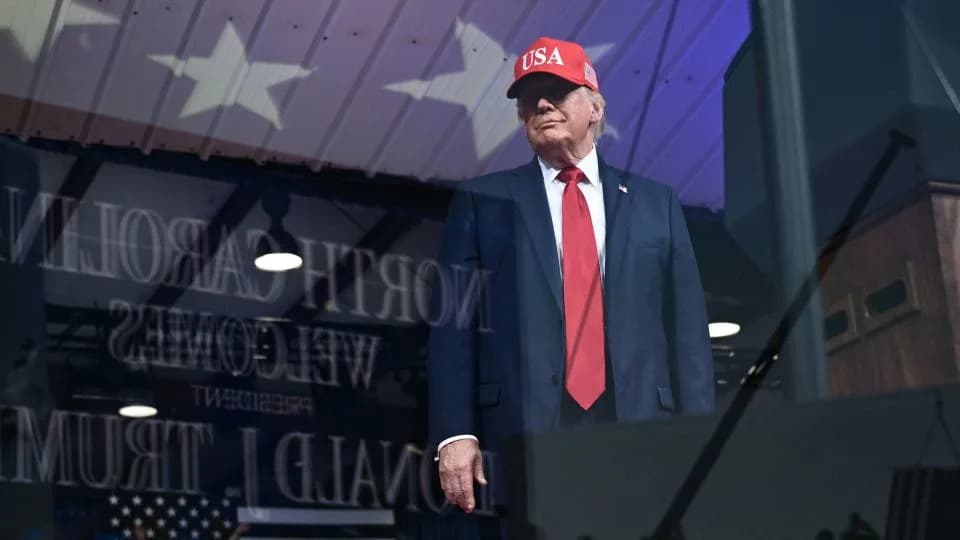
Strategically, the president has tended to stick to deep‑red states — Alabama and Oklahoma among them — where packed arenas and friendly crowds offer reassurance. Avoiding competitive districts reduces the risk of being shunned by vulnerable Republican nominees but also limits exposure to persuadable voters.
Broader Political Stakes
Despite the apparent erosion of personal support, serious structural threats remain. Aggressive gerrymandering and voter‑access restrictions can blunt electoral gains, and legal decisions that affect accountability — or perceptions of legal immunity for actions taken while in office — complicate prospects for oversight. At the same time, military actions and trade confrontations that have escalated tensions and costs have left voters feeling the consequences in their pocketbooks.
Why This Matters
There is a paradox: much of the president’s time and resources appear absorbed by image management and self‑promotion. For critics, the silver lining is practical — if these ego projects distract him from policymaking, they may limit further governance missteps. But that is small consolation given the larger democratic and institutional risks that remain unresolved.
Bottom line: Repetitive, spectacle‑driven messaging can reassure devoted supporters but does little to restore broad public trust — and it distracts from the pressing political and institutional questions facing the country.
Help us improve.