The Trump administration is steering federal homelessness policy away from the Housing First model toward time-limited transitional housing with mandatory services. Advocates warn the change could push vulnerable people back onto the streets and disrupt planned housing projects. Legal battles over HUD grant rules are ongoing, and proposed budget cuts would reduce funding for the $4 billion Continuum of Care program. Several communities, from Corbin and Louisville to Santa Cruz County, are already seeing project cancellations and diminished housing availability.
Trump Administration Moves Away From "Housing First": Implications for Homeless Programs
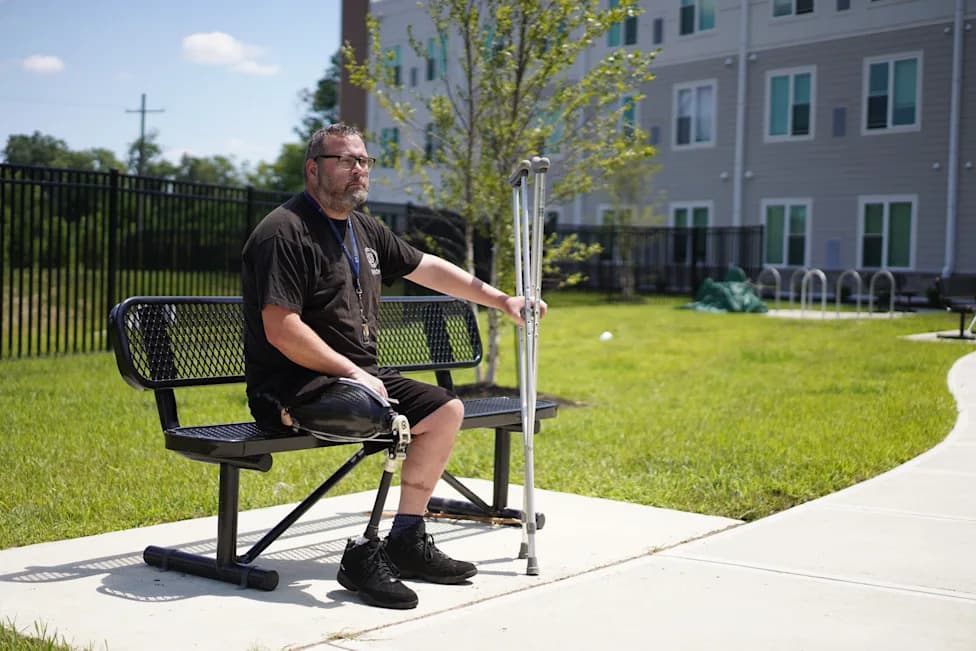
Phillip Sieveking sits outside his permanent supportive apartment in Louisville, Ky., on Thursday, July 30, 2026. (AP Photo/Mary Conlon)(AP Photo/Mary Conlon)
The Trump administration is shifting federal policy and funding away from the long-standing Housing First approach to homelessness and toward time-limited, transitional housing paired with mandatory treatment and employment programs. Housing First prioritizes placing the most vulnerable people into permanent housing first and then addressing health, substance use and employment needs; the administration favors housing that is temporary (often limited to two years) with required services as a condition of residence.
What Changed and Why It Matters
This abrupt policy redirection affects federal grant rules, planned housing projects and the organizations that deliver homelessness services. Providers and advocates warn the shift could undermine care for people with serious health problems, increase returns to homelessness for people with long-term barriers, and force local agencies to redesign existing permanent supportive housing programs to remain eligible for federal funds.
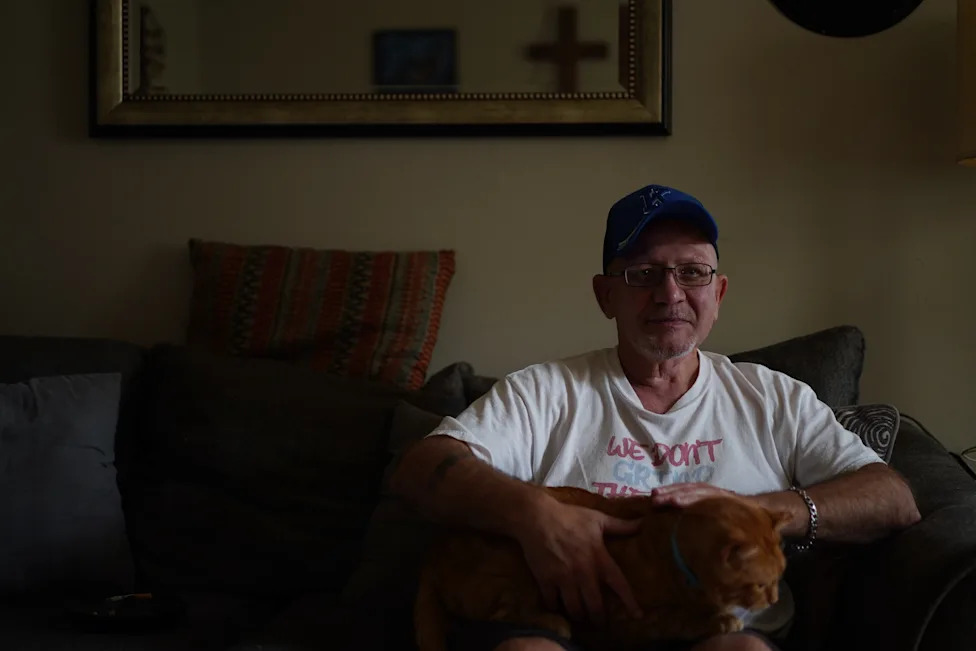
John Franklin poses for a portrait in his permanent supportive apartment in Louisville, Ky., on Tuesday, July 28, 2026. (AP Photo/Mary Conlon)(AP Photo/Mary Conlon)
Key Facts
- Federal estimates compiled by HUD show nearly 750,000 people experienced homelessness last year — down slightly from the prior year but 31% higher than 2019.
- The share considered chronically homeless (a long-term or repeated episode of homelessness plus a disability) has increased since 2019 and now accounts for about one-quarter of the total.
- Research indicates roughly half of homeless adults have a disability, up to two-thirds have a mental illness, and about 2 in 5 struggle with substance use. Rates of chronic conditions such as heart disease and diabetes are two to three times higher than in the general population.
- Studies consistently show Housing First produces higher housing retention and stability than many alternatives; evidence on long-term health outcomes is mixed.
Policy, Budget And Legal Battles
Last year, President Trump signed an executive order seeking to end federal support for Housing First policies. The administration proposed a budget that would eliminate the federal initiative that primarily funds Housing First programs and would cut the $4 billion Continuum of Care (CoC) program. In 2024 the CoC funded roughly 6,500 projects, with over 60% of dollars going to permanent supportive housing while only about 1% went to transitional housing.
HUD attempted to revise homelessness grant rules to align with the administration’s policy preferences. A coalition of local governments and homeless advocates sued; a federal judge initially ruled in favor of the plaintiffs, but an appeals court later allowed the administration to proceed with awarding grants. Legal challenges and shifting guidance have left local providers uncertain about future funding and program design.
Local Impacts
Communities report immediate consequences: planned permanent-housing projects were canceled in Corbin, Kentucky; housing availability declined in Santa Cruz County, California; and nonprofits in Louisville, Kentucky, are considering converting some permanent supportive units into temporary housing to comply with new guidance. In Santa Cruz, the phase-out of pandemic-era emergency vouchers combined with potential CoC cuts could mean fewer housing slots for people currently experiencing homelessness.
Bottom line: The policy shift prioritizes conditional, time-limited housing over long-term supportive housing. Officials, providers and courts are now wrestling with how to balance fiscal priorities, program goals and the health and safety of people experiencing homelessness.
Help us improve.