TDLR confirmed Tesla's Transportation Network Company license in Texas expired in August, yet KXAN investigators were still able to book Cybercab rides through the Robotaxi app. Tesla submitted a late renewal and now faces an $11,250 late fee while the Texas Department of Licensing and Regulation reviews the application. The incident adds to growing regulatory scrutiny of Tesla's robotaxi ambitions and other business practices.
Investigation Finds Tesla Offered Cybercab Rides in Texas After Robotaxi License Lapsed
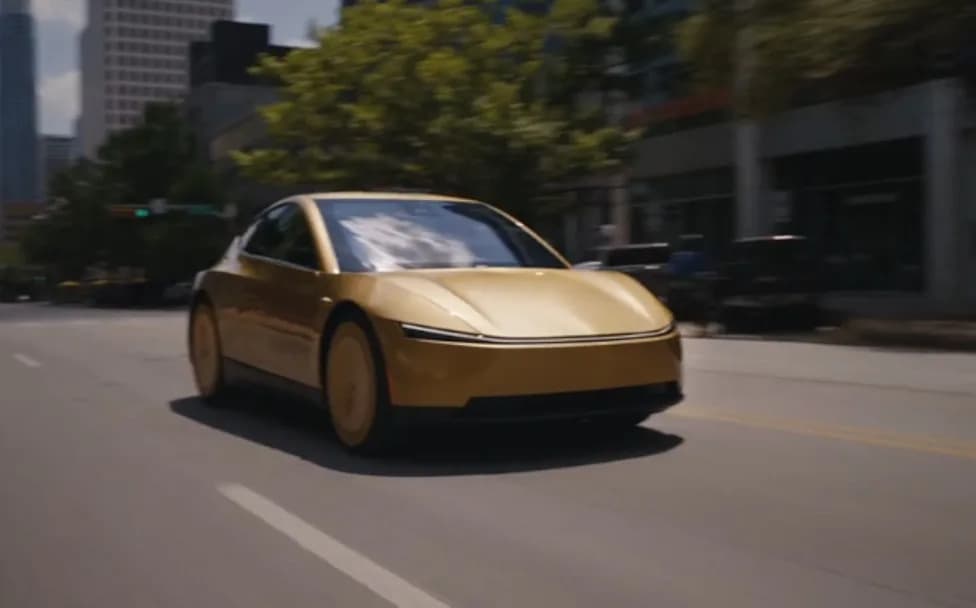
Photo Credit: Tesla
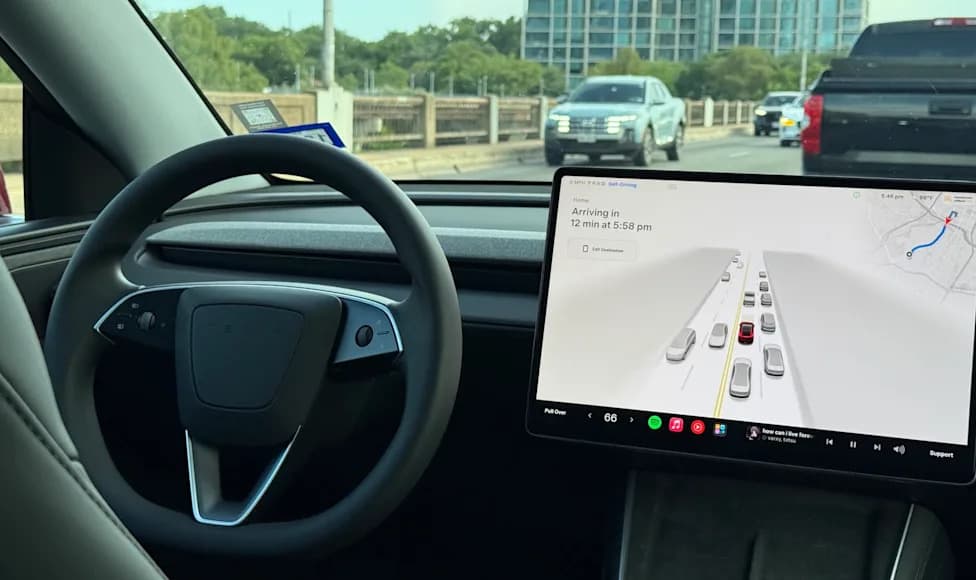
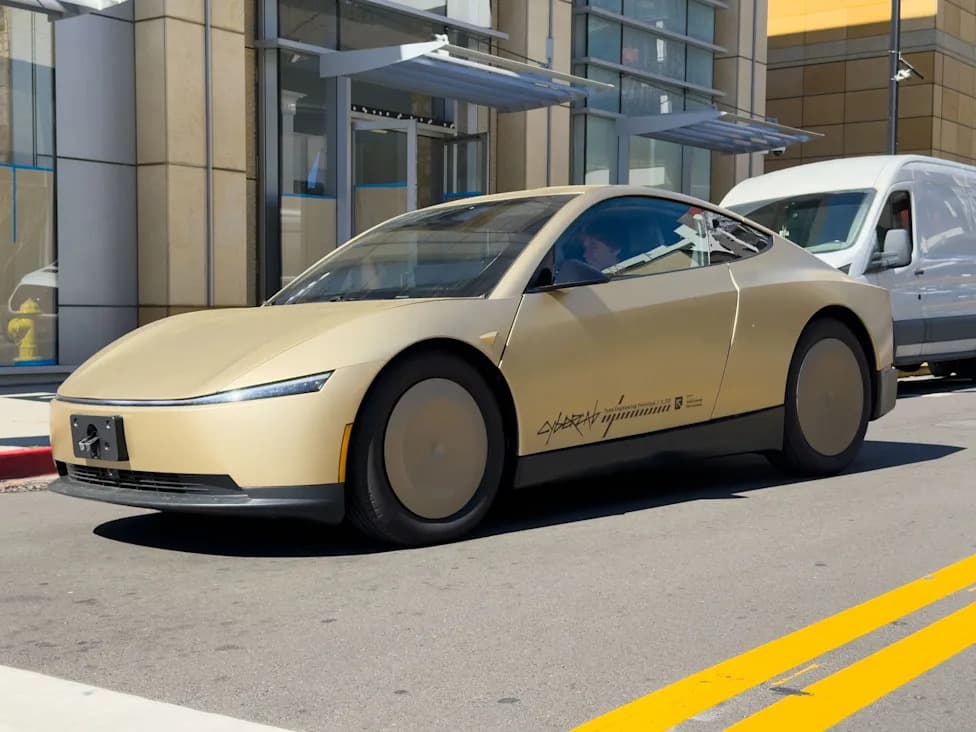
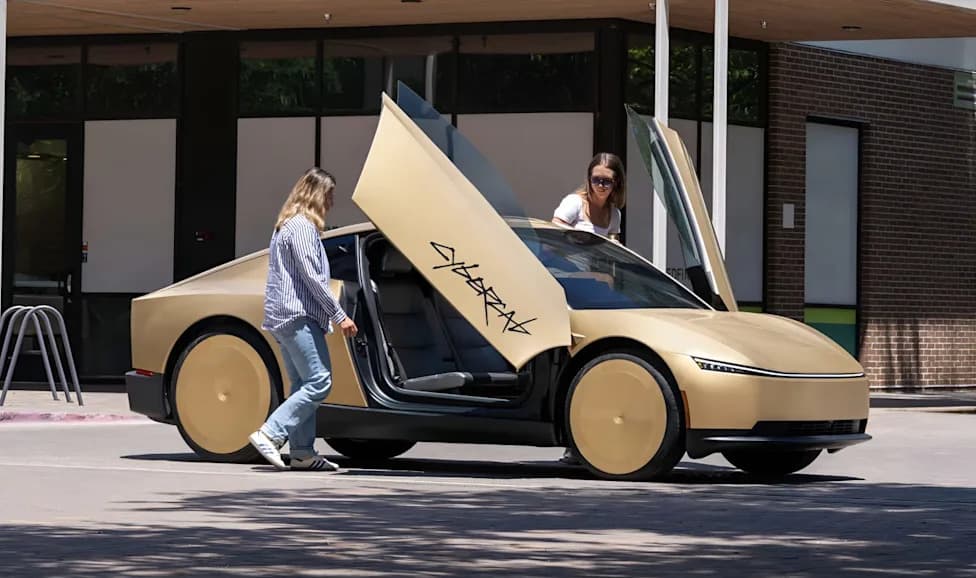
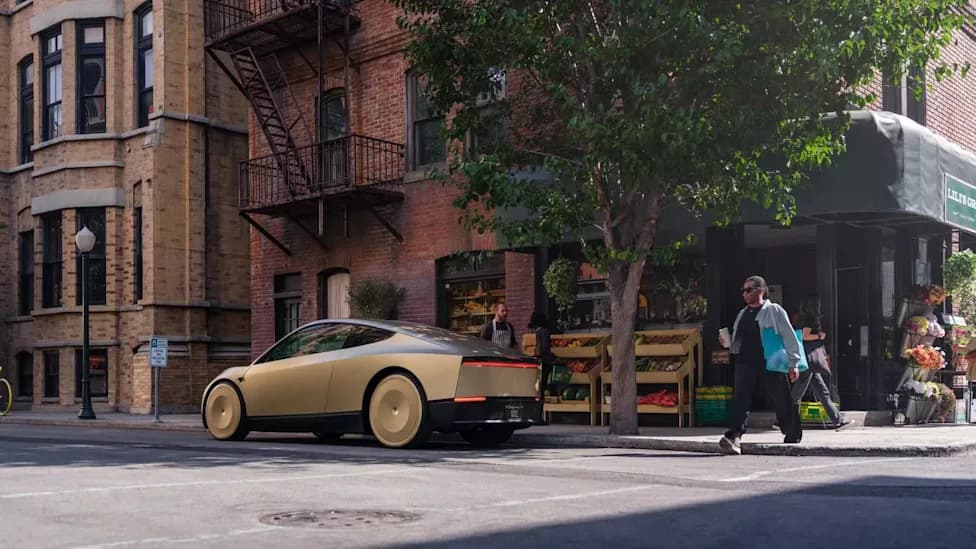
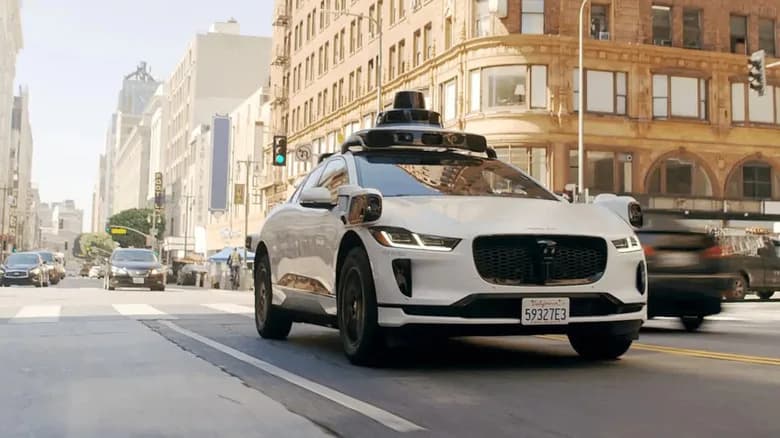
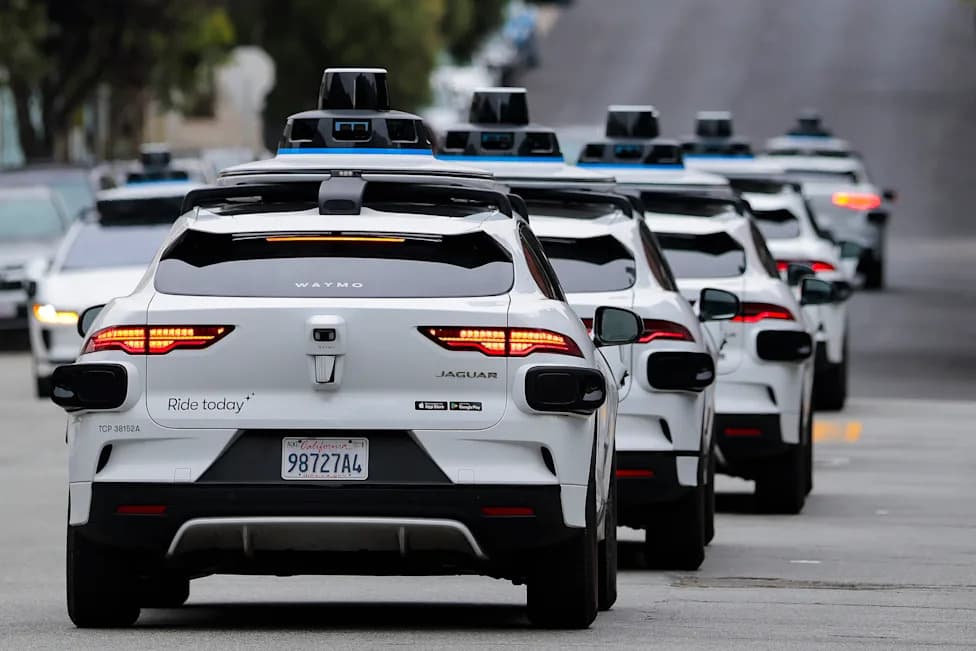
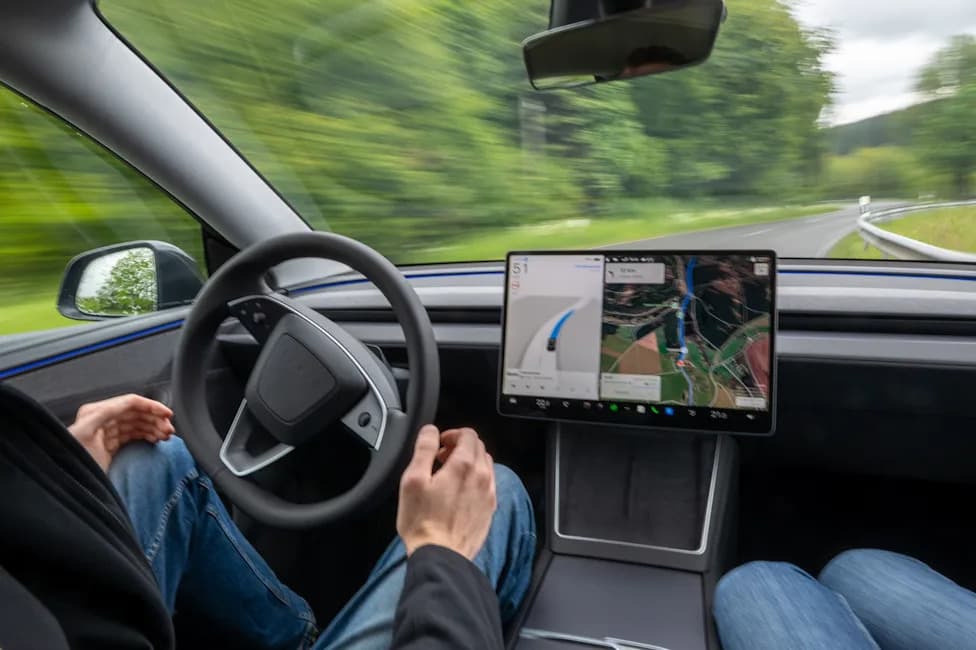
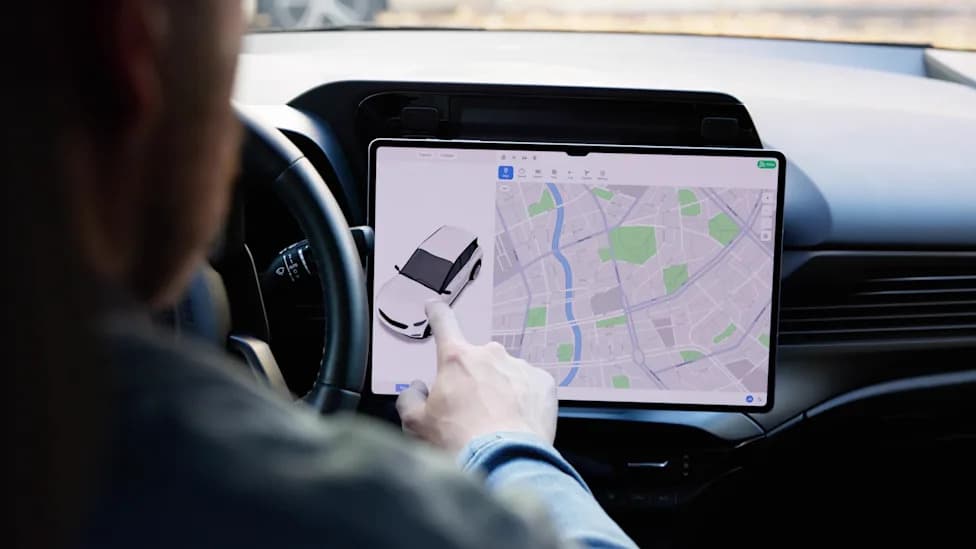
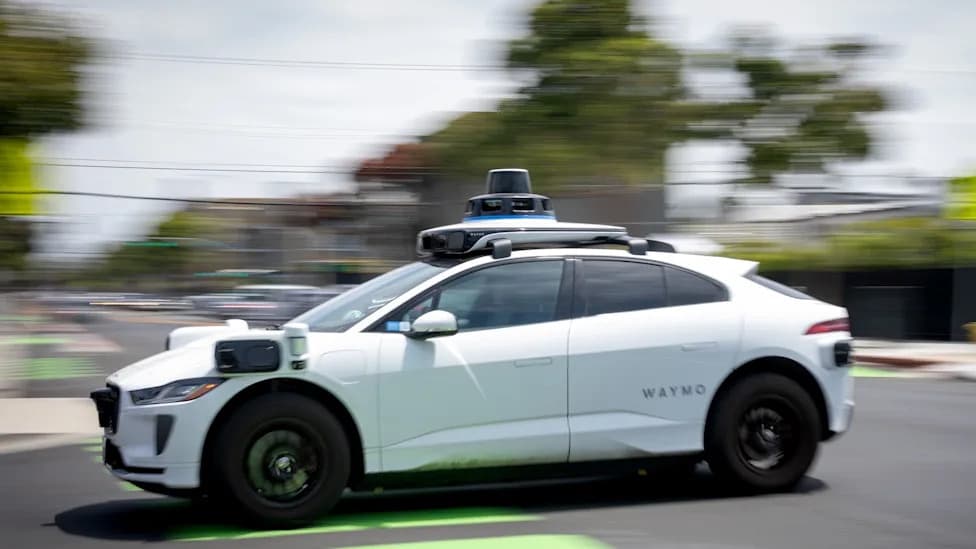
Tesla's Robotaxi program in Texas has come under local scrutiny after investigators found the company continued offering Cybercab rides through its app even though the state license covering that service had expired in August.
The Texas Department of Licensing and Regulation (TDLR) confirmed the company's Transportation Network Company (TNC) license lapsed in August. Despite that, KXAN reporters said they were able to request a Cybercab ride via Tesla's Robotaxi app, and the outlet reported that Tesla later submitted a renewal application.
Why the License Matters
The TNC designation governs app-based ride services — including the ability for the state to verify insurance coverage, require ride and driver records, and ensure wheelchair-accessible options are available. Those consumer protections are the primary reason regulators require an active license for services like Robotaxi.
TDLR said it “sends renewal notices … by email and by postcard 60 days before a license expires” and noted that late fees apply to renewals submitted after expiration.
Because Tesla filed its renewal after the deadline, the company faces an $11,250 late fee while TDLR reviews the application. TDLR is currently evaluating the late renewal submission. Tesla did not respond to KXAN’s requests for comment, according to the report.
Broader Context
The episode comes amid mounting regulatory and legal scrutiny of Tesla’s robotaxi plans and other corporate practices. U.S. regulators have sought answers about Robotaxi safety. In France, authorities ordered a Tesla subsidiary to halt certain sales practices described as deceptive. Separately, new U.S. legislation is increasing scrutiny of Tesla's carbon-credit economics, and some contractors have complained about payment practices during subcontracting disputes.
This case highlights how lapses in licensing can create gaps in the consumer protections riders expect from app-based services and underscores the role of state oversight in enforcing safety, insurance and accessibility requirements.
Help us improve.