California’s Senate Bill 1246 requires AV companies such as Tesla, Waymo and Zoox to provide local, on-the-ground support when robotaxis malfunction and to notify local jurisdictions during systemwide outages. The law limits remote drivers to U.S.-based, licensed operators and allows fines if a vehicle blocks first responders for more than 30 minutes. It responds to high-profile incidents in which robotaxis disrupted traffic or entered crime scenes, and takes effect in July 2028 with the California DMV issuing further guidance.
California Imposes Fines on Robotaxis That Block First Responders — SB 1246 Tightens Rules for Waymo, Tesla and Zoox
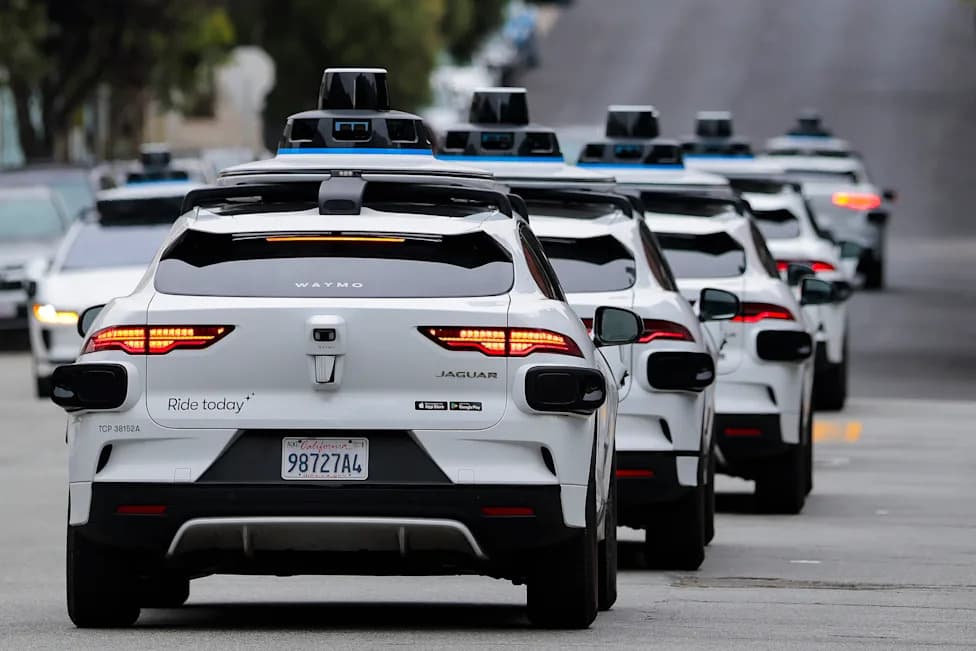
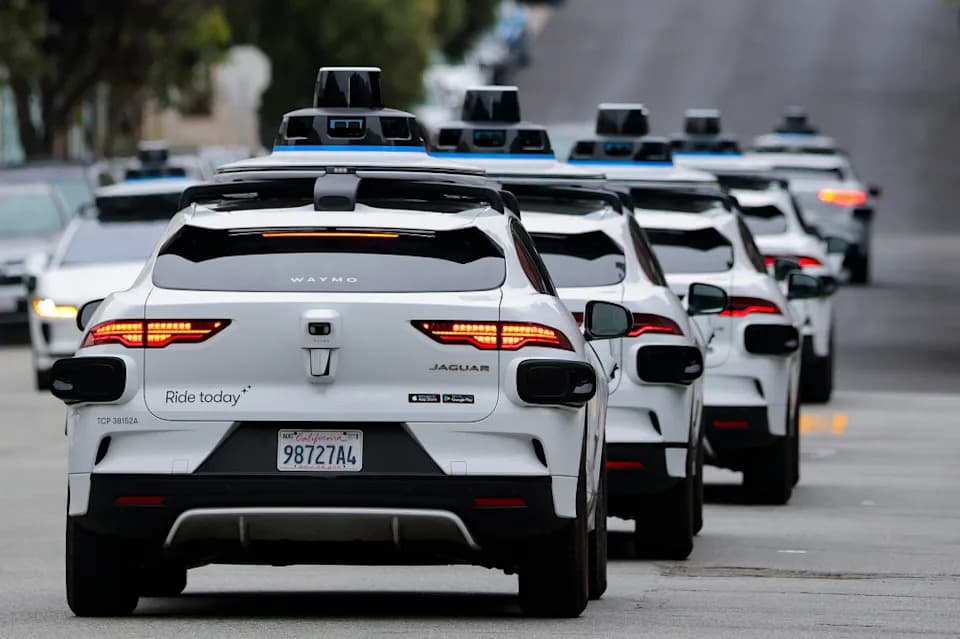
SAN FRANCISCO, CALIFORNIA - JULY 07: A line of Waymo robotaxis drives through North Beach on July 07, 2026 in San Francisco, California. Several Waymo vehicles were towed after the company said their batteries died while they were stuck in heavy traffic during Fourth of July celebrations in San Francisco. (Photo by Heather Diehl/Getty Images) | Image Credits:Heather Diehl / Getty Images
California has approved Senate Bill 1246, a new law that requires autonomous vehicle (AV) companies to provide local, on-the-ground support when robotaxis malfunction and allows fines if an AV blocks police or firefighters for more than 30 minutes.
Signed by Gov. Gavin Newsom, the law introduces a package of safety and accountability measures aimed at reducing delays and disruptions when AVs become disabled or interfere with emergency response operations. It also creates formal requirements for operator location, notification during systemwide outages, and on-site technical assistance.
What the Law Requires
Remote drivers: AV developers may employ remote drivers only if those operators are based in the United States and hold a valid U.S. driver’s license. The statute defines "remote drivers" specifically as human operators who can directly operate or drive a vehicle from a distance, distinguishing them from more limited remote-assistance roles.
Local support and notifications: Companies must notify cities, towns, and other local jurisdictions about the location and status of vehicles during systemwide failures and provide "local incident technicians" who can assist with AV accidents and obstructions.
Fines for blocking responders: The law permits fines if a robotaxi blocks emergency responders for more than 30 minutes during an emergency.
Background and Industry Reach
The law follows several widely reported incidents in California where robotaxis broke down, disrupted traffic, entered active crime scenes, or otherwise impeded first responders. Many of those cases involved Waymo, the largest commercial robotaxi operator in the U.S., which operates roughly 4,000 autonomous vehicles nationwide, including about 1,200 in the San Francisco Bay Area. A TechCrunch investigation earlier this year documented multiple incidents in which Waymo relied on first responders to manually move vehicles when problems occurred.
Companies take different approaches to remote support. Tesla has acknowledged using remote operators capable of taking direct control of vehicles. Other firms, including Waymo, describe their systems as remote assistance—where a human can provide guidance or software commands while the vehicle’s autonomous system remains in control. Waymo also operates a global remote-assistance network that includes staff in the Philippines and command centers in Arizona and Michigan; Zoox reports that its remote operations teams are based in the United States.
Industry Response and Next Steps
Waymo and Zoox have said they will comply with the new requirements. "We are committed to making roads safer in California and continually improving our service," a Waymo spokesperson said.
The law takes effect in July 2028. The California Department of Motor Vehicles, which oversees AV regulation in the state, will issue guidance on specific elements of the statute, including required response times for operator interventions and the implementation of local incident technician programs.
Implications: SB 1246 signals a stricter regulatory approach to AV deployments in California, emphasizing local accountability and faster response when autonomous systems fail or impede emergency operations. Operators and cities will need to coordinate new protocols to comply with the law and limit disruption to public safety operations.
Help us improve.