The estate of 23-year-old Steven Alvarez has sued Tesla in Travis County, Texas, alleging his Model 3 "suddenly and unexpectedly accelerated" and crashed into a municipal pool, killing him. The complaint, filed by Leolina Medrano, seeks more than $1 million and a jury trial. Federal safety regulators have previously rejected defect petitions after finding evidence that driver pedal error was often to blame, while separate investigations have examined the role of Tesla’s driver-assistance systems in other fatal crashes.
Estate Sues Tesla After Texas Fatality, Alleging Sudden Unintended Acceleration
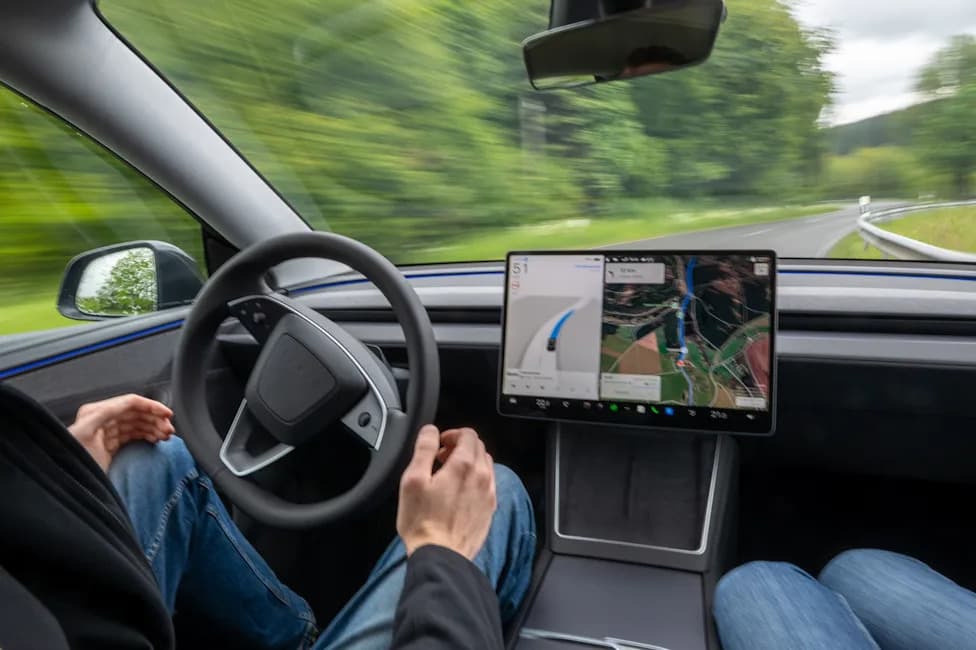
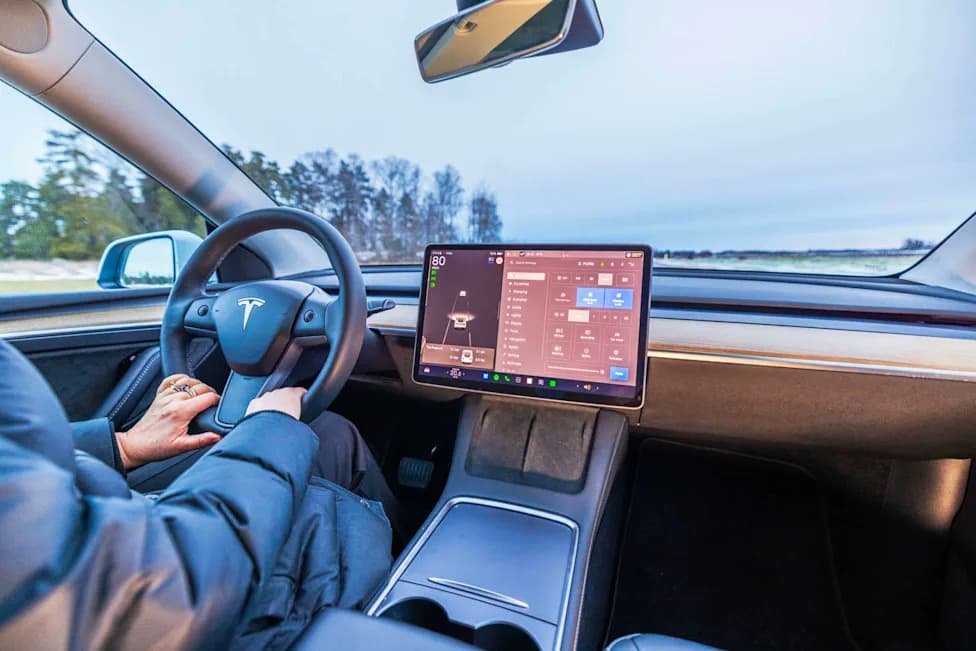
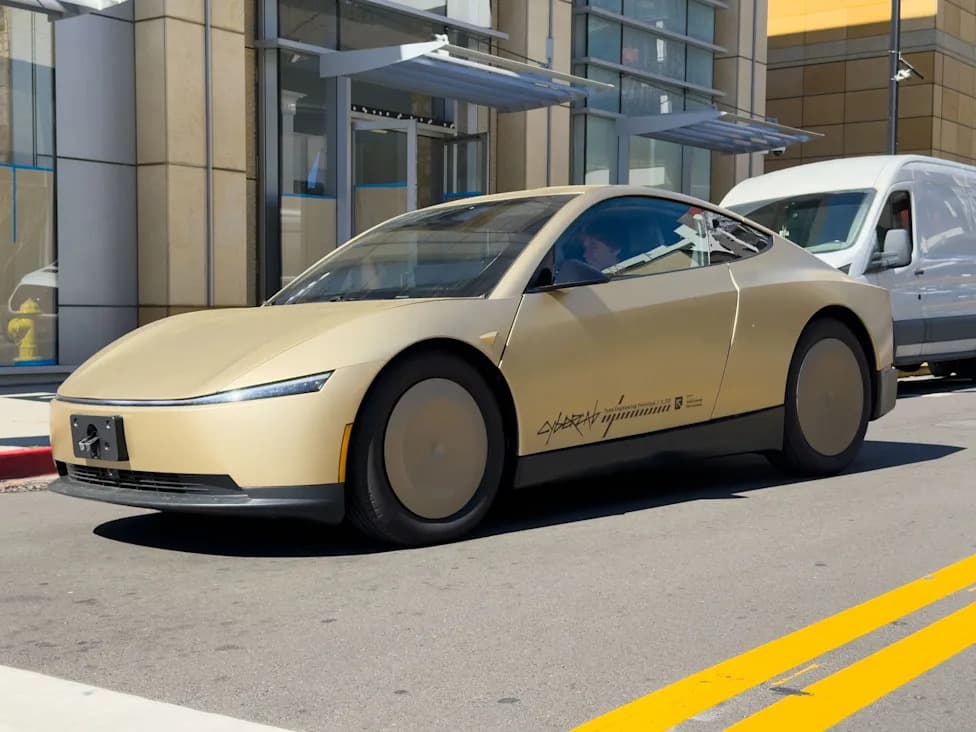
Claims of unintended acceleration have repeatedly clashed with US federal safety findings that driver inputs, not Tesla defects, were typically to blame. Harald Tittel/dpa
In May, 23-year-old Steven Alvarez died after his Tesla Model 3 left the road and crashed into a municipal pool in Clute, Texas. The representative of his estate has filed a wrongful-death lawsuit in Travis County alleging the vehicle "suddenly and unexpectedly accelerated without any input" from Alvarez.
Claims in the Lawsuit
The complaint, filed by Leolina Medrano as representative of Alvarez’s estate, contends the Model 3 became uncontrollable, ran off the road and struck a pool at Clute Municipal Park. The suit characterizes the vehicle as "unreasonably dangerous" and accuses Tesla Inc. of failing to warn consumers of risks tied to the vehicle’s design.
What the Plaintiff Is Seeking
Medrano has requested a jury trial and asks for more than $1 million in relief, while leaving the final determination of damages to jurors. The complaint names Travis County as the proper venue, noting Tesla’s principal office at Gigafactory Texas and the company’s local workforce of more than 16,000 employees.
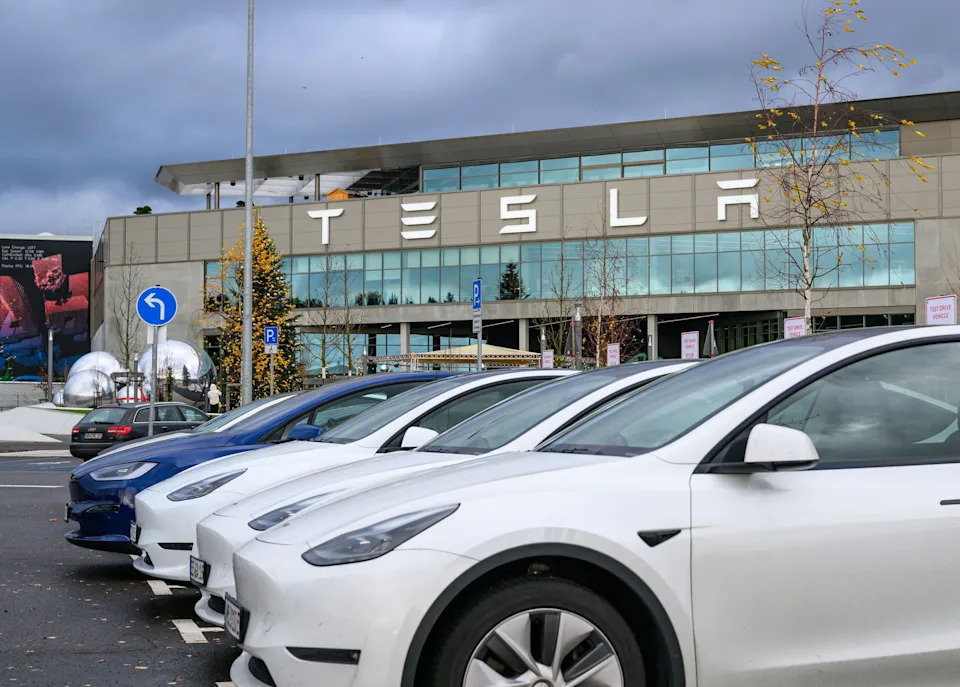
When a Tesla Model 3 plunged off a Texas road, it killed the 23-year-old driver. Did the car "suddenly and unexpectedly" surge on its own as the family claims or will Tesla point to the same federal findings that say drivers usually hit the wrong pedal? Patrick Pleul/dpa
Available Details and Media
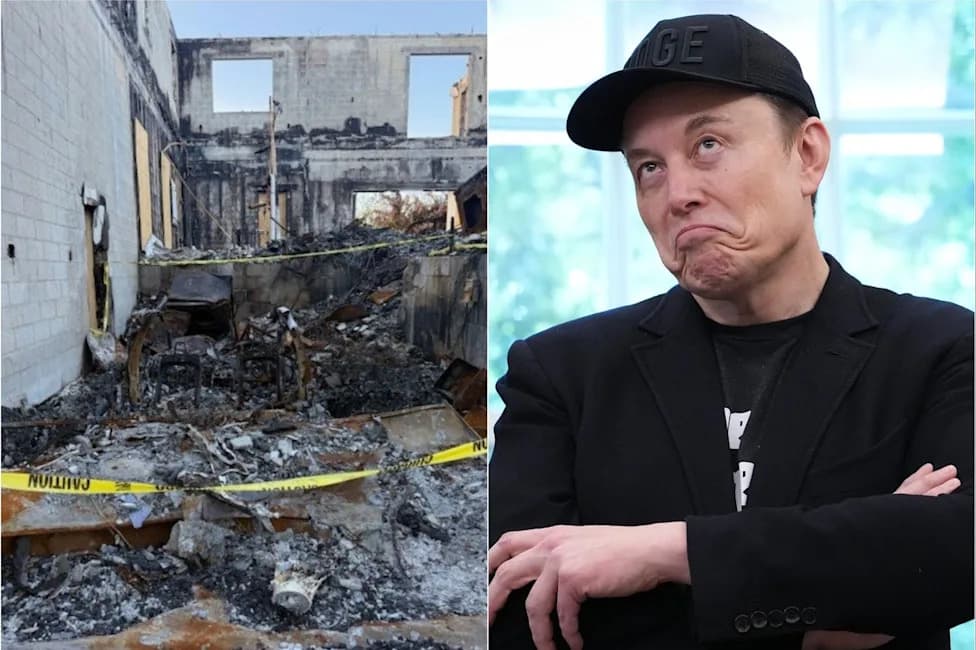
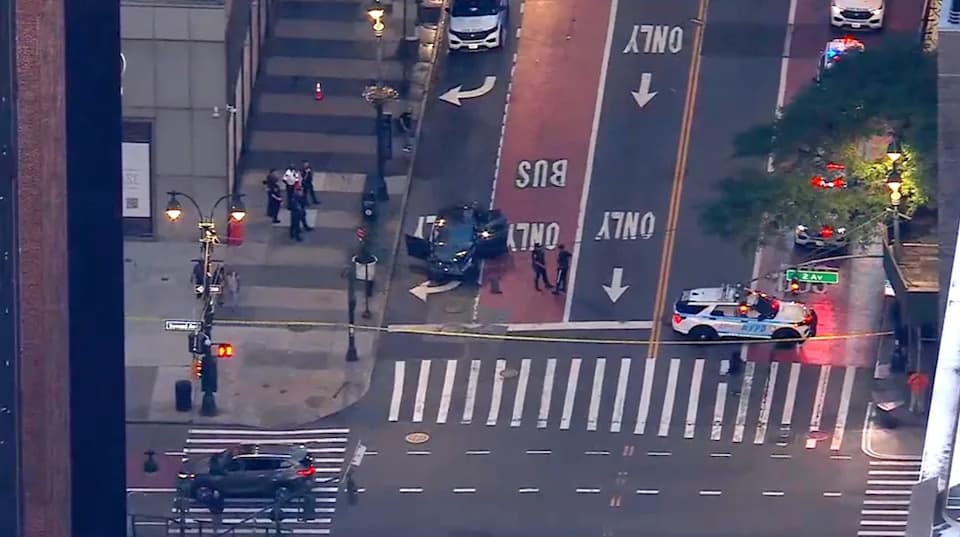
Few additional facts about the crash have been released. A photo included with the filing shows firefighters extinguishing a vehicle fire. ABC13 Houston reported police saying the pool was empty at the time of the incident. Neither Tesla nor the law firm representing Medrano provided comment when contacted.
Regulatory And Investigative Context
Federal safety regulators previously denied a defect petition related to sudden acceleration in Tesla vehicles after reviewing reported incidents. Their analysis found evidence in many cases that drivers mistakenly applied the accelerator when intending to use the brake, and they reported that roughly 51% of reviewed crashes occurred within the first six months of a driver’s use of the vehicle. Regulators said they found no evidence of a unique Tesla safety defect and noted that regenerative braking is common among electric vehicles.
Related Crashes And Scrutiny
Tesla has also faced scrutiny over crashes involving its driver-assistance and Full Self-Driving systems. In a June high-speed crash in Katy that killed a woman in a home, Tesla executives said the driver appeared to have overridden the automaker’s self-driving features; a preliminary NTSB report found the driver had overridden the system and pressed the accelerator to 100%. In a separate matter, the estate of Clyde Leach alleged his Model Y suddenly accelerated in 2021, resulting in a crash and fire; that case was settled last year with terms undisclosed.
What Comes Next
The Travis County lawsuit will proceed through the Texas state court system, where discovery and expert analysis may help clarify whether the crash resulted from a vehicle defect, driver error, or other factors. The case underscores ongoing legal and regulatory debates around vehicle controls, regenerative braking, and automated driving systems.
Help us improve.