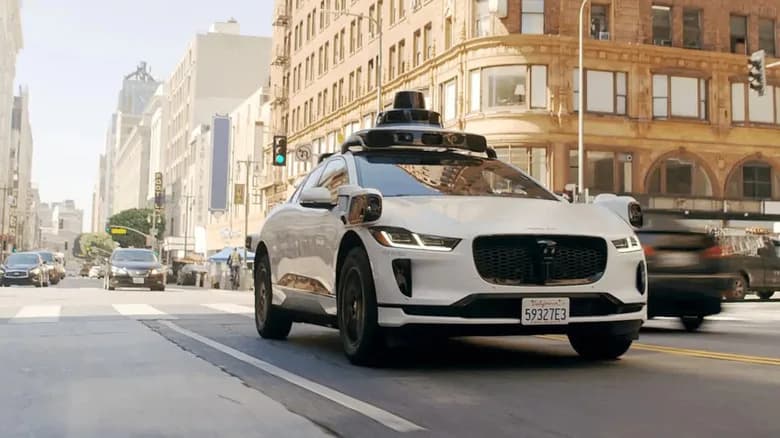
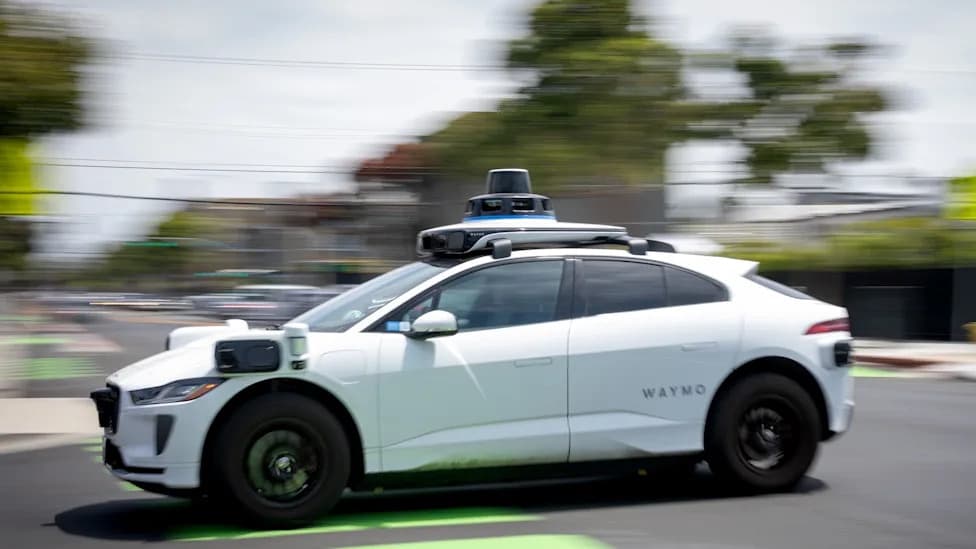
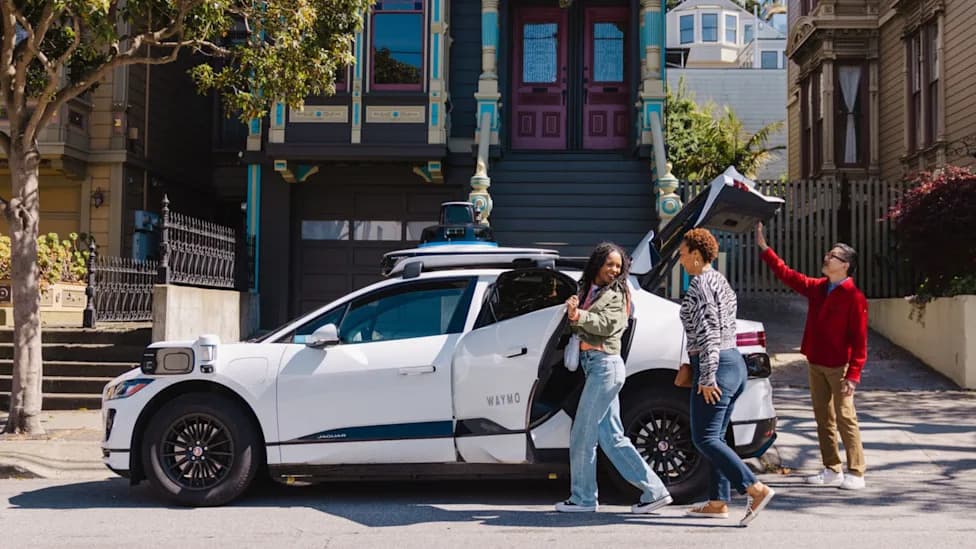
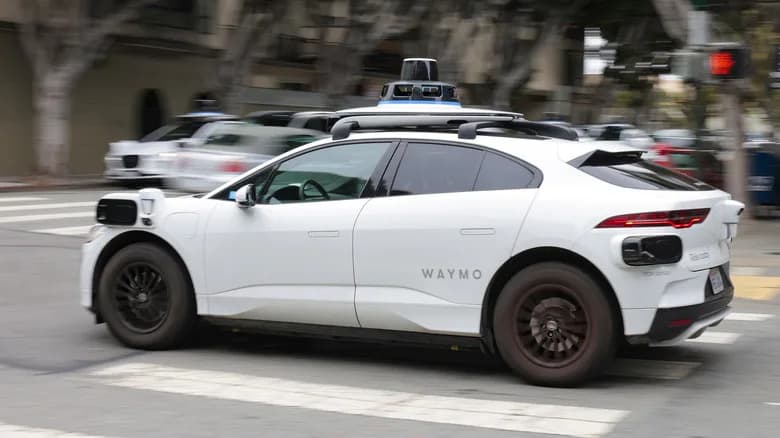
California’s SB 1246, signed September 30 and effective July 1, 2028, lets the state fine robotaxi operators up to $10,000 per vehicle if autonomous cars block emergency responders for 30 minutes or more. The law requires local technician support, sharing of vehicle locations and status with authorities during outages, and U.S.-based remote operators with valid driver’s licenses. It responds to incidents like the December 2025 San Francisco outage that left about 1,500 Waymo vehicles stalled and slow support response times.
California Will Fine Robotaxi Companies That Block Emergency Responders Under New Law

(Credit: JasonDoiy/Getty Images)
California has passed a law aimed at preventing driverless vehicles from impeding emergency response. Governor Gavin Newsom signed Senate Bill 1246 on September 30; the law takes effect July 1, 2028 and gives the state new enforcement tools against robotaxi operators whose vehicles obstruct first responders.
Fines and Core Requirements
Under SB 1246, the state may impose fines of up to $10,000 per vehicle whenever an autonomous vehicle blocks police, firefighters, ambulance crews, or other emergency personnel for 30 minutes or longer. The penalties are assessed on a per-vehicle basis when the half-hour threshold is met.
Why The Law Was Enacted
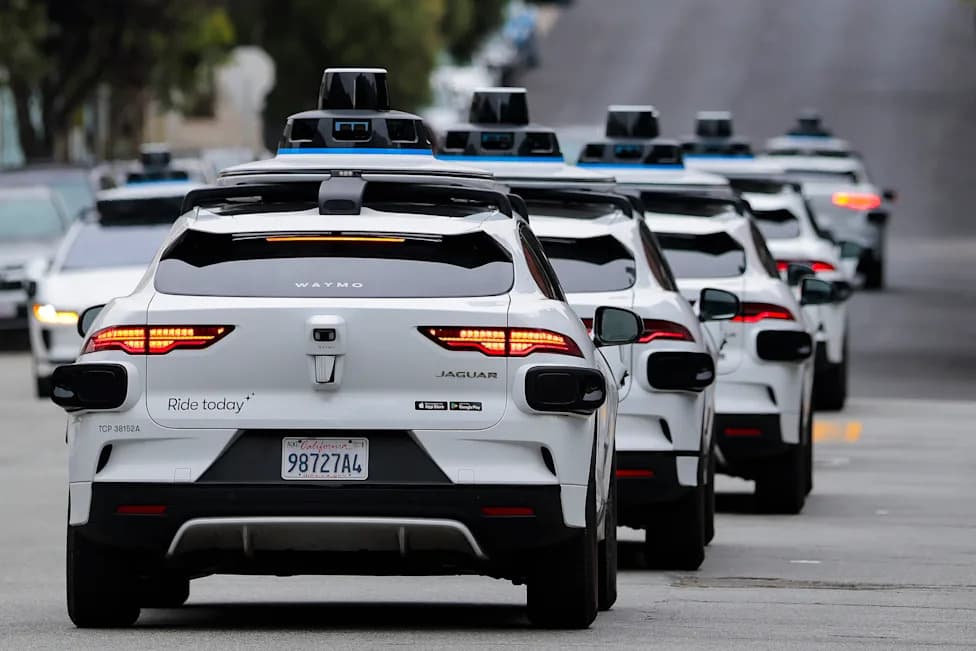
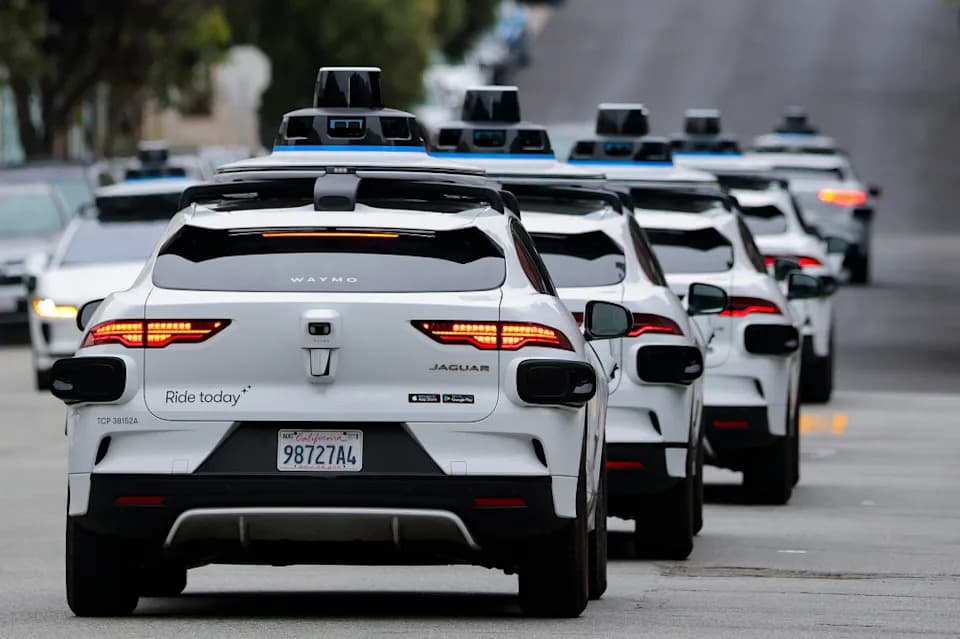
The legislation was prompted by public-safety concerns after high-profile incidents in San Francisco. During a December 2025 power outage, roughly 1,500 Waymo vehicles stopped operating normally, contributing to traffic congestion and delaying emergency response; city officials said Waymo support sometimes took as long as 53 minutes to arrive. Separately, a Waymo fleet blocked a major roadway for hours following the city’s Independence Day fireworks display — an occurrence that, while not directly harming first responders, illustrated how autonomous-fleet disruptions could endanger public safety.
"Every second matters when law enforcement officers, firefighters, or paramedics are answering a call because lives are on the line. That is why human drivers who impede these operations are subject to fines and even jail time," the NHTSA press release said. "NHTSA is today issuing a call to action for [autonomous vehicle] developers and operators to immediately focus their resources on fixing this issue."
Operational Rules for Autonomous Vehicle Companies
SB 1246 requires companies operating autonomous vehicles to:
- Maintain local technicians who can respond quickly to accidents, breakdowns, or system failures;
- Provide vehicle locations and operational status to local authorities during outages or service disruptions;
- Ensure remote operators who supervise or intervene in vehicle operations are located in the United States and hold an active U.S. driver’s license.
The National Highway Traffic Safety Administration (NHTSA) had already warned self-driving developers in July that their systems can interfere with police and other first responders, urging immediate fixes. SB 1246 adds legal consequences and operational requirements designed to reduce the risk of autonomous fleets impeding emergency services.
What This Means: Robotaxi operators must strengthen local field support and communications with authorities, and establish U.S.-based remote operations, or face significant fines if their vehicles block emergency personnel for prolonged periods.
Help us improve.