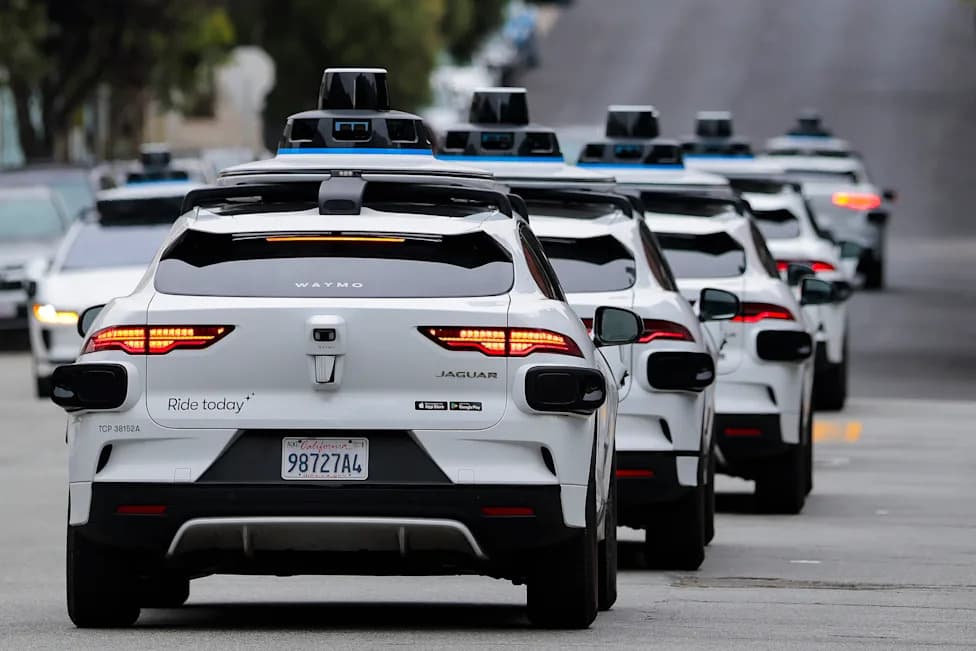
California has approved SB 1246, allowing local authorities to fine robotaxi companies if their vehicles block first responders for more than 30 minutes. The law requires designated on-site "local incident technicians," U.S.-based remote drivers with U.S. licenses, notifications during system failures, and extra reporting on response times. The move follows several incidents where driverless cars interfered with emergency response. The rules take effect on July 1, 2028.
California Passes Law Letting Cities Fine Robotaxi Firms That Block First Responders
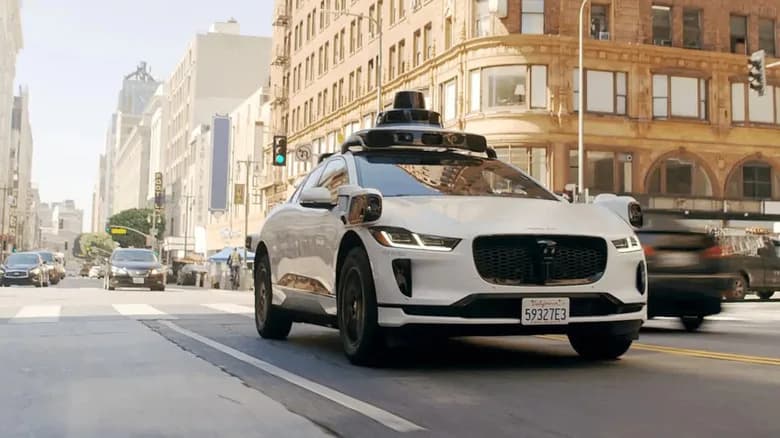
Waymo
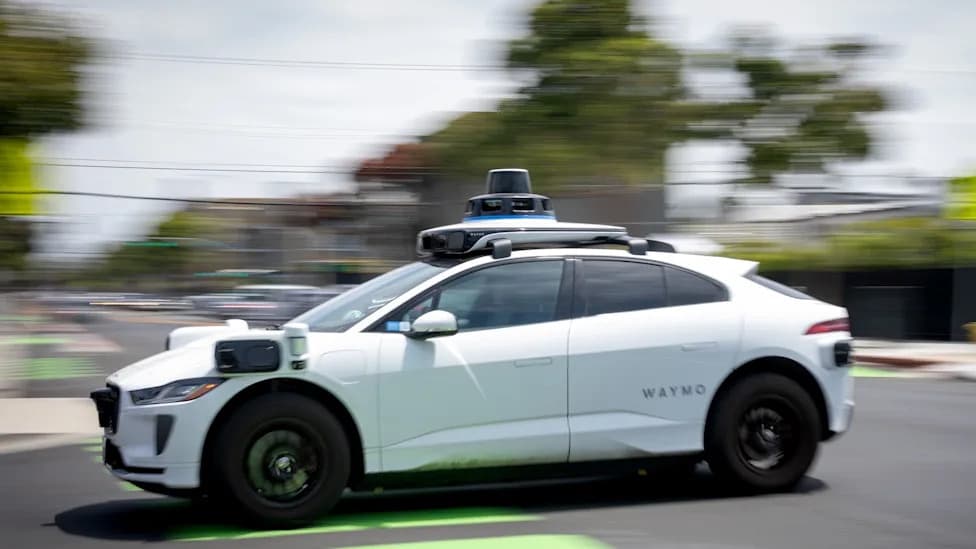
California Governor Gavin Newsom has signed Senate Bill 1246, a new law that gives local authorities the power to fine robotaxi operators when their autonomous vehicles obstruct emergency responders for extended periods.
What the Law Does
Under SB 1246, cities and counties may penalize robotaxi companies if their vehicles block ambulances, fire trucks or other first responders for more than 30 minutes during emergencies. The law also requires operators to provide a designated on-site contact, called a "local incident technician," who can assist emergency personnel immediately at the scene of an AV accident or obstruction.
Operational Requirements
SB 1246 imposes several operational rules for robotaxi services:
- Operators must use U.S.-based remote human drivers who hold valid U.S. driver’s licenses when remote driving is needed.
- Companies must notify local authorities about the location and status of their vehicles during system-wide failures.
- Firms are required to provide additional reporting on response times and incident handling involving their vehicles.
Why Lawmakers Acted
The measure follows a string of high-profile incidents that raised public safety concerns. In December 2025, several Waymo vehicles were stranded in San Francisco after a power outage disabled traffic lights, and other Waymo cars were towed after running out of power during heavy traffic on Fourth of July celebrations. Outside California, a Waymo vehicle in Austin, Texas, reportedly blocked an ambulance responding to a shooting.
In July, the U.S. National Highway Traffic Safety Administration urged autonomous vehicle operators to address a "clear pattern of driverless AVs interfering with law enforcement and other first responders."
Remote Operators And International Staffing
The law acknowledges that robotaxis are not typically driven remotely. For example, Tesla says it only permits remote human control in extreme cases after all intervention options have been exhausted, while Waymo has confirmed that its vehicles can sometimes receive guidance from remote human operators — some of whom have been based in other countries. SB 1246 requires U.S.-based licensed remote drivers to ensure immediate, local accountability when remote assistance is necessary.
Operators have time to comply: the new rules take effect on July 1, 2028, giving companies an opportunity to update staffing, reporting and emergency response processes.
Help us improve.