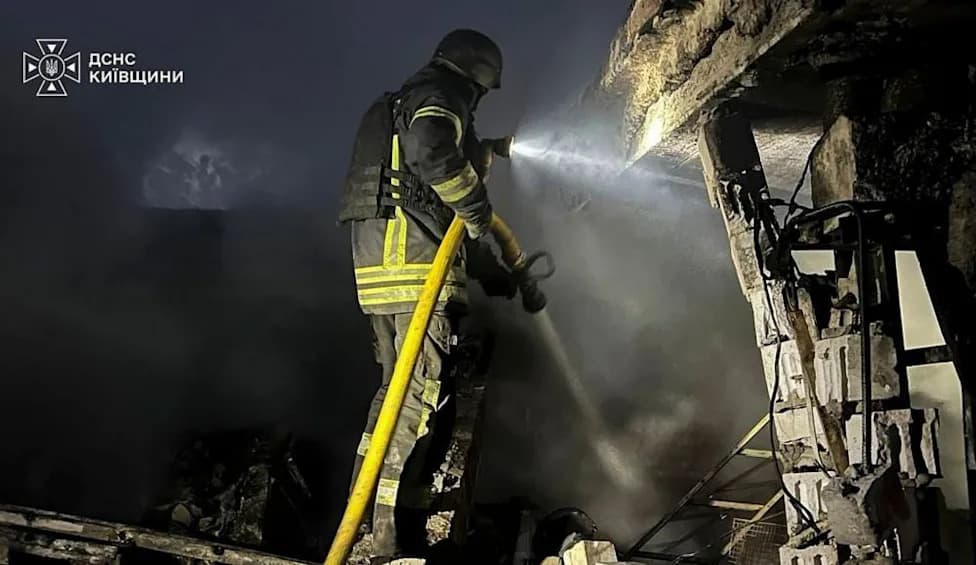
In March 2026 a low-cost Ukrainian FPV fiber-optic drone forced a Ka-52 into an emergency landing, underscoring how inexpensive unmanned systems can threaten multimillion-dollar helicopters. The incident helped accelerate procurement and doctrine changes—such as the U.S. Army canceling FARA—as militaries assign drones the riskiest scouting tasks. However, experts stress helicopters still matter for troop transport and concentrated firepower, and most analysts expect a blended approach where manned and unmanned systems operate together.
Drones vs. Helicopters: Why Cheap UAVs Are Reshaping — But Not Replacing — Crewed Rotorcraft
Anduril Industries
In March 2026 a low-cost Ukrainian FPV (first-person view) fiber-optic drone damaged a Russian Ka-52 attack helicopter, forcing it to make an emergency landing. The drone type used — a tethered FPV platform that resists radio jamming — can cost roughly $500, while the Ka-52 it struck is valued at about $16 million. That stark price contrast captures why militaries and analysts are rethinking rotary-wing roles, but the conclusion is not as simple as 'drones replace helicopters.'
What Happened And Why It Matters
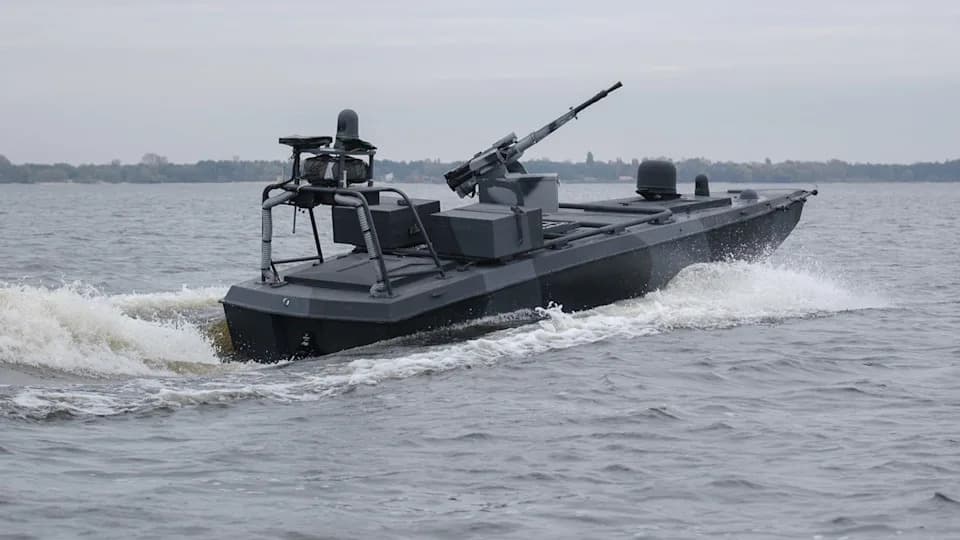
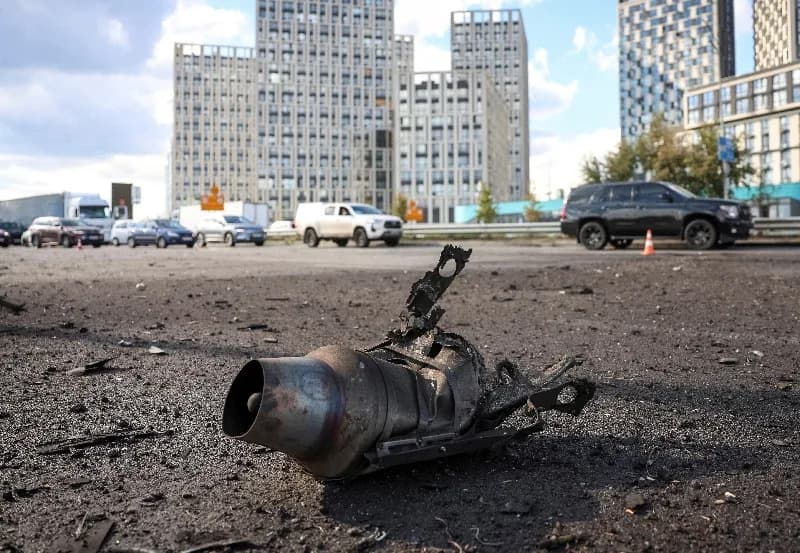
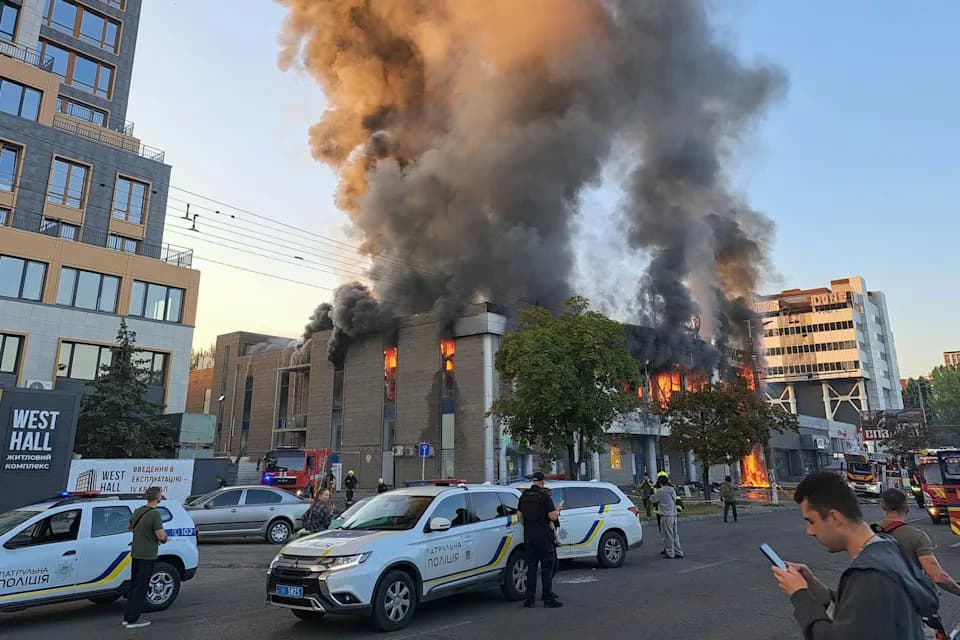
The incident highlighted how inexpensive, widely available unmanned systems can threaten expensive crewed aircraft during modern conflict. In Ukraine, affordable drones have been used at scale for reconnaissance, targeting, and attacks, changing how forces approach aerial reconnaissance and forward operations.
FOTOGRIN/Shutterstock
Procurement And Policy Shifts
Those battlefield lessons have already influenced procurement. The U.S. Army canceled the Future Attack Reconnaissance Aircraft (FARA) program in part because leaders concluded that "aerial reconnaissance has fundamentally changed," a view articulated by Army Chief of Staff Gen. Randy George. Analysts such as Arkadii Dotsenko of Oboronka note the Army also needed to prioritize funding for transport fleets like Black Hawks and Chinooks. In 2025 Pentagon leaders directed the Army to stop buying the older AH-64D Apache, labeling that model obsolete, and other countries such as Japan are shifting scouting and strike tasks from D-model Apaches to unmanned platforms.
Where Drones Excel
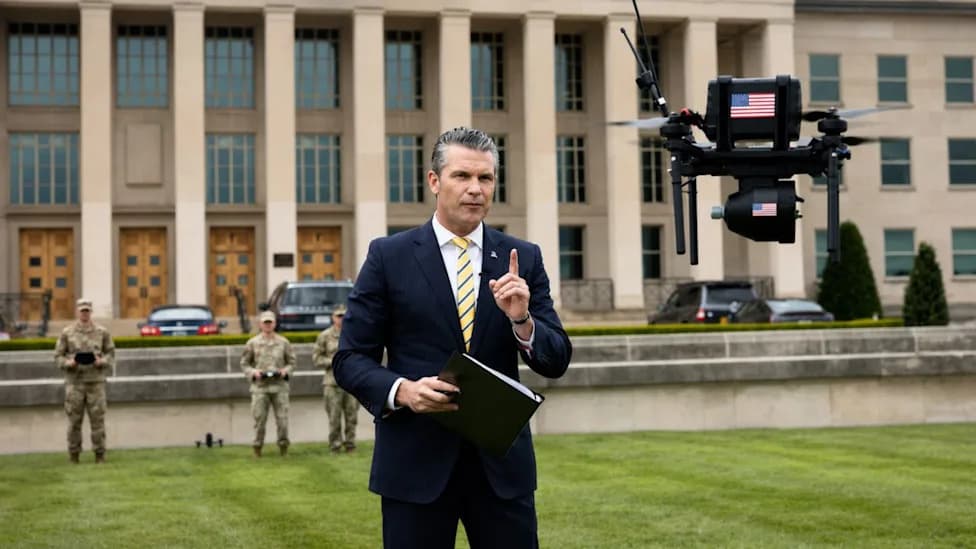
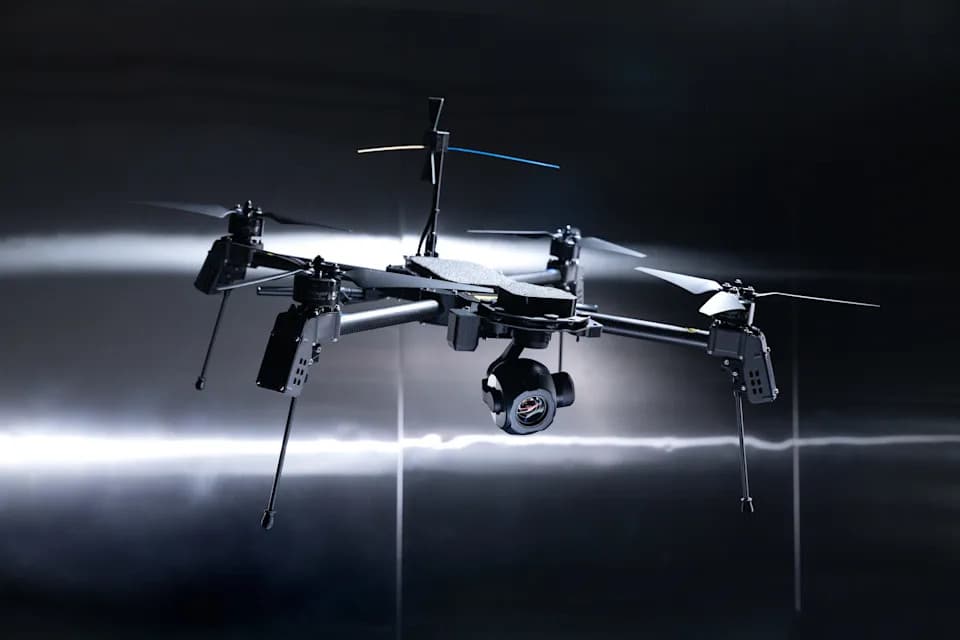
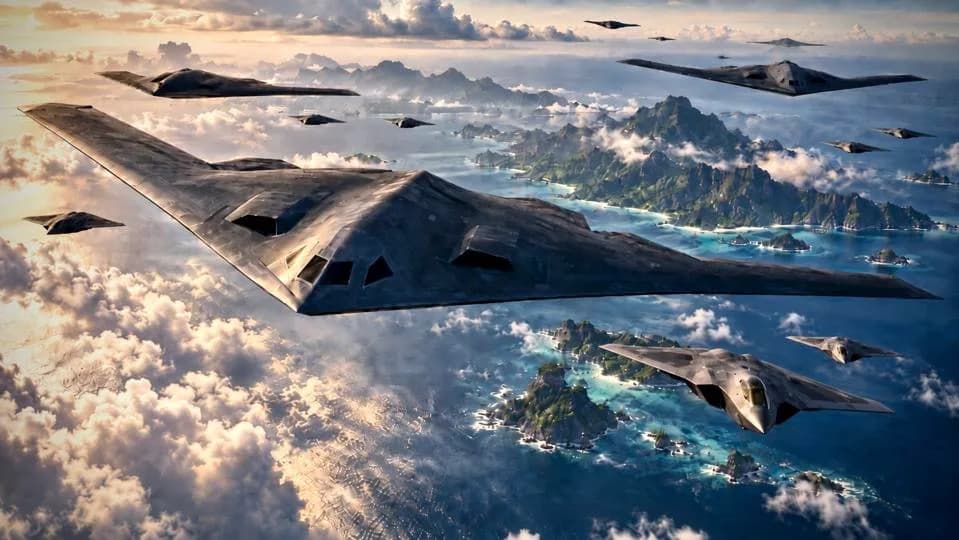
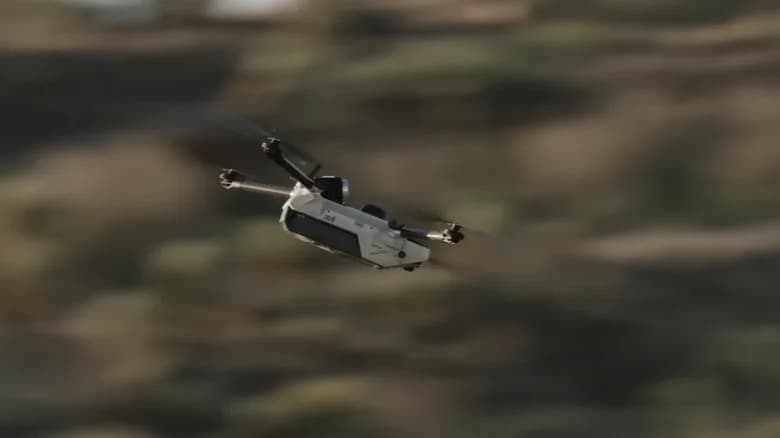
Unmanned systems are particularly well suited to high-risk scouting, forward reconnaissance, and expendable suppression or surveillance roles. Concepts such as Air-Launched Effects envision manned helicopters deploying small, expendable drones to scout, jam, or absorb first-layer threats while the crewed platform remains at safer standoff ranges.
Anduril Industries
Where Helicopters Still Matter
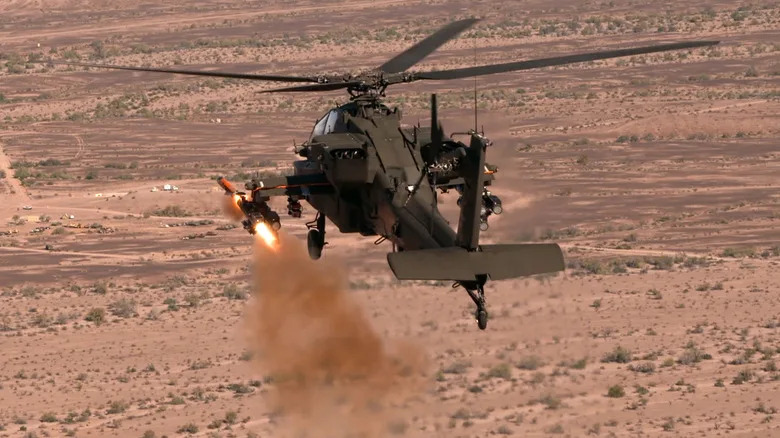
Despite drone advantages, attack and transport helicopters retain important capabilities. Retired Marine Col. Rob Bodisch notes that an AH-64 Apache carries up to 16 Hellfire missiles — concentrated firepower current tactical drones cannot match — and provides troop lift, sustainment, and flexible close support. Observers such as Stephen Olguin (a former Apache pilot) argue that truly autonomous lethal engagement without human oversight remains years away from dependable use in high-intensity combat.
Operational Reality: Adaptation, Not Replacement
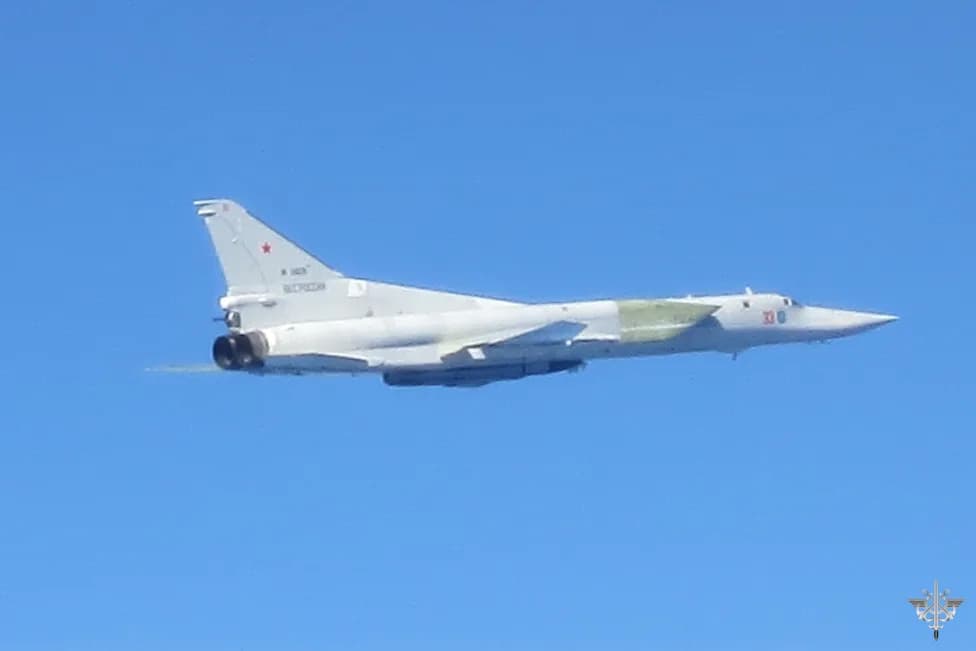
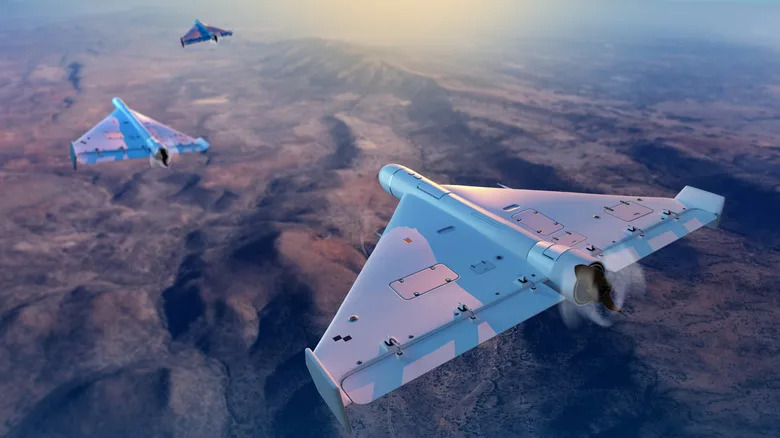
Combat experience shows adaptation rather than wholesale replacement. Early in the Ukraine war, Russian Ka-52s flew deep, low-altitude raids but were driven back by massed shoulder-fired air defenses (MANPADS). Helicopters shifted to stand-off rocket fire and other tactics. Conversely, helicopters are being used to counter drones: Ukraine has employed older Mi-8 transports in roles to contest massed Shahed-style attacks, and some rotorcraft are being fitted or tactics adapted to defeat unmanned threats.
Bottom line: Drones are eroding certain helicopter roles, especially risky scouting and expendable strike tasks, but crewed helicopters continue to provide heavy firepower, troop lift, and mission versatility that unmanned systems do not yet fully replace.
Sources and perspectives cited: reporting and analysis from War On The Rocks (Stephen Olguin), Small Wars Journal (Rob Bodisch), Oboronka (Arkadii Dotsenko), public statements by Army leadership, and open-source battlefield observations from Ukraine.
Help us improve.