Quick take: The U.S. Army has reportedly set a goal to field one million drones within two to three years. The $1.1 billion Drone Dominance initiative aims for roughly 340,000 small systems by end-2027 and includes an initial buy of 30,000 one-way attack drones priced near $5,000 each. Combat lessons from Ukraine and the 2026 Iran conflict accelerated the push, but analysts warn that short-range, low-cost drones may be less useful in long-range maritime theaters. Success will depend on investments in electronic warfare, counter-drone systems, and major organizational changes including airspace control and rules of engagement.
One Million Drones in Three Years: Inside the U.S. Army’s $1.1B Push for Uncrewed Warfare

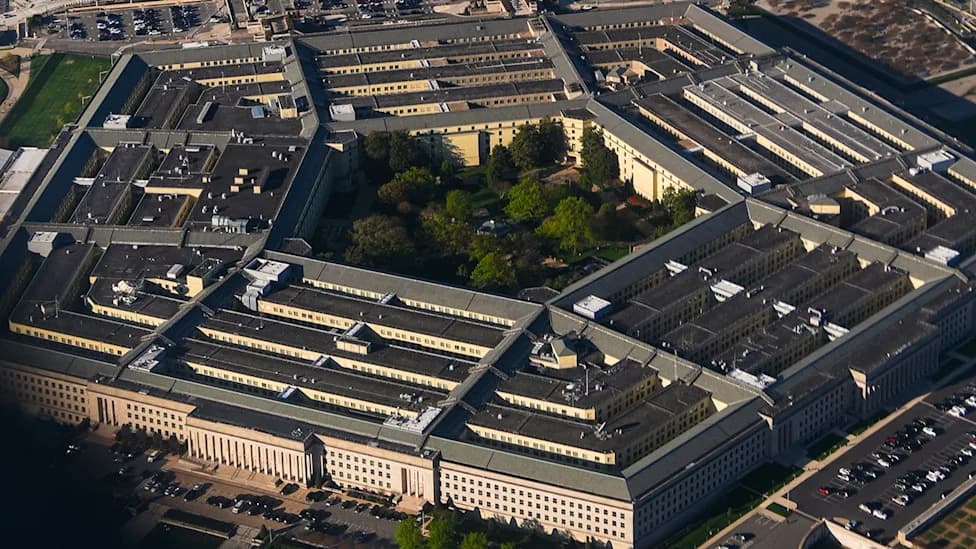
Pete Hegseth signs memo delivered by drone on Pentagon lawn Image: Ken Klippenstein
The U.S. Army has reportedly set an ambitious target: field one million drones within two to three years. Announced as part of a broader "Drone Dominance" effort, the plan would multiply the service’s previous annual purchasing pace by roughly twentyfold and reshape how ground forces fight and organize.
What the Plan Would Buy
Defense Secretary Pete Hegseth’s July 2025 memorandum, "Unleashing U.S. Military Drone Dominance," directed faster procurement of low-cost unmanned systems, prioritized U.S. production, and urged integrating these systems into frontline training. CSIS reporting on the $1.1 billion Drone Dominance initiative indicates a target of roughly 340,000 small systems by the end of 2027. Key procurement figures from the Hegseth memo and subsequent reporting include:
- Reported Army target: at least 1,000,000 drones over two to three years (secondary reporting).
- First-phase order: 30,000 one-way attack drones, initially priced near $5,000 per unit.
- Long-term unit-price goal: approximately $2,000 per drone.
- Separate Army purchase: up to 10,000 commercially available small systems priced under $2,000 each.
- Total initiative funding cited by CSIS: about $1.1 billion.
Costs in Context
At the $5,000 per-unit price point, equipping 340,000 drones would cost roughly $1.7 billion in hardware alone — a simple back-of-envelope figure that excludes training, software, logistics, sustainment, and command-and-control systems. The $1.1 billion figure reported by CSIS appears to refer to an initial tranche or specific procurement lines rather than the total lifecycle cost of mass fielding.
Combat Lessons That Shaped the Push
Combat experience in Ukraine and the 2026 conflict with Iran helped shape the policy. The U.S. reportedly used the Low-cost Uncrewed Combat Attack System (LUCAS), a one-way attack drone similar in concept to Iran’s Shahed-136 family, in the 2026 Iran conflict. CSIS analysts suggest LUCAS changed the cost exchange by forcing adversaries to expend more expensive interceptors against cheaper attack drones. Adm. Brad Cooper told the Senate Armed Services Committee that U.S. forces intercepted more than 6,000 one-way attack drones and over 1,500 ballistic missiles aimed at U.S. forces, Israel, and regional partners during that conflict.
Strategic and Theater-Specific Questions
Short-range, low-cost drones have proven valuable in Ukraine’s geographically constrained, heavily fortified battlefields for reconnaissance, artillery spotting, and direct attack. But a potential conflict in the Indo-Pacific — characterized by vast maritime distances, long-range strike requirements, and the need to protect space and satellite assets — may require different capabilities. In such theaters, inexpensive short-range systems could have limited reach and effectiveness. How broadly the Army’s current approach applies across different theaters remains a central strategic question.
Operational, Doctrinal, and Organizational Challenges
Mass-fielding drones raises more than procurement questions. Commanders will need new airspace-control procedures, updated rules of engagement, and clear accountability frameworks for machine-assisted targeting decisions. The policy also emphasizes investment in electronic warfare and counter-drone systems, since adversaries adapt quickly. Without the organizational infrastructure — training, doctrine, logistics, and command-and-control — the hardware alone will deliver far less strategic value.
Bottom Line: The Army’s reported drive to buy a million drones reflects lessons learned and a desire to change the cost calculus of modern conflict. But turning mass procurement into battlefield advantage requires durable investment in doctrine, training, countermeasures and logistics as well as careful assessment of where low-cost drones actually provide value.
Help us improve.