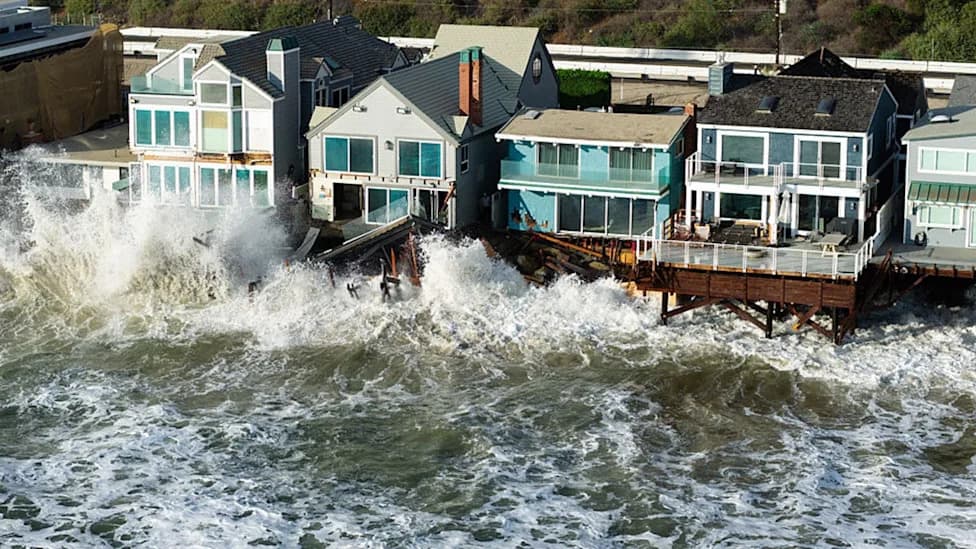
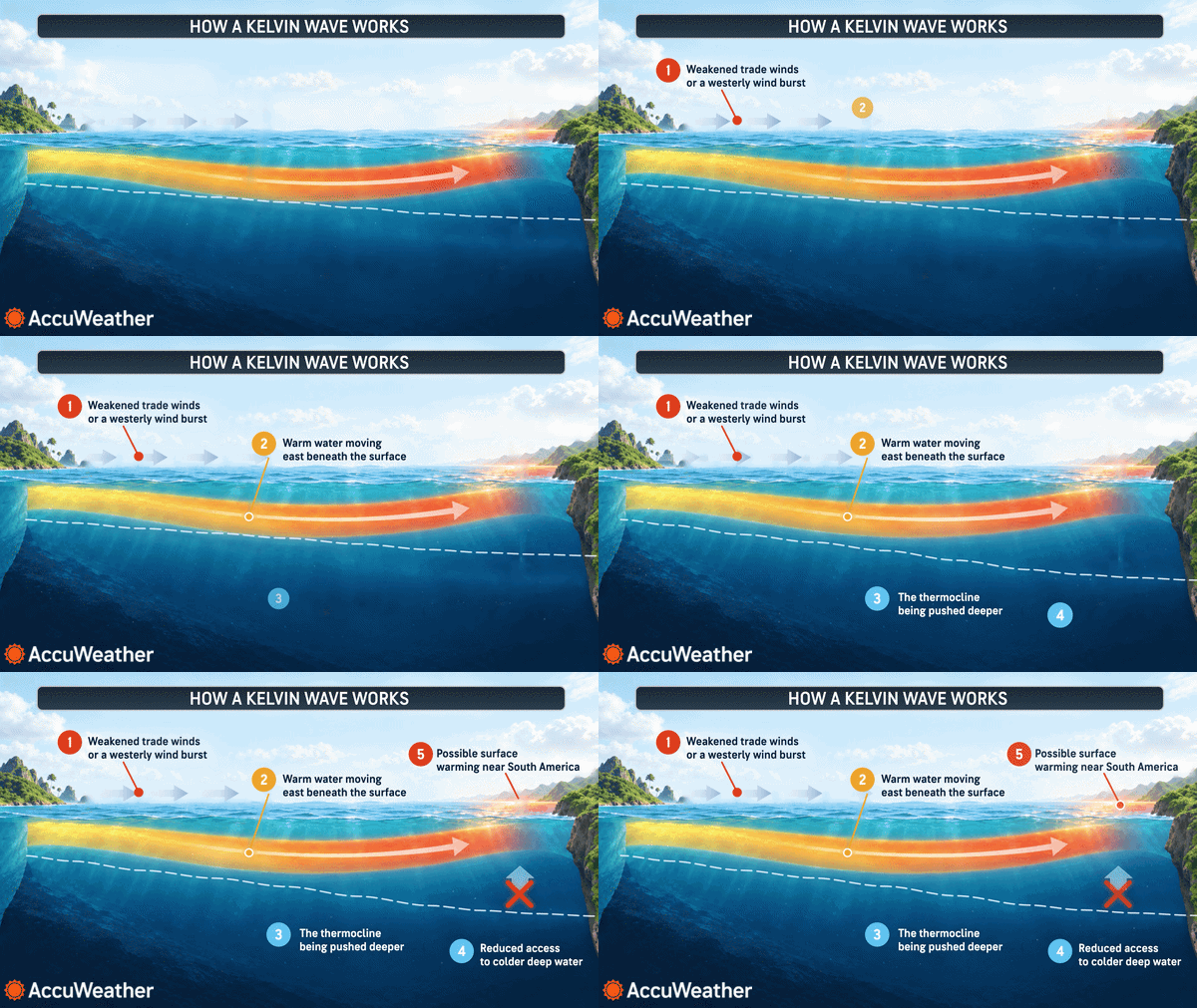
Scientists warn that a planetary-scale Kelvin wave driven by a strong El Niño could raise California sea levels by up to one foot this winter. The wave forms when trade winds weaken or reverse, pushing warm water east across the Pacific and raising baseline sea levels. Combined with an active storm season, elevated tides around Thanksgiving and Christmas could increase the risk of coastal flooding, erosion, and storm surge.
Planet-Scale Kelvin Wave Could Raise California Sea Levels Up to 1 Foot This Winter, Scientists Warn
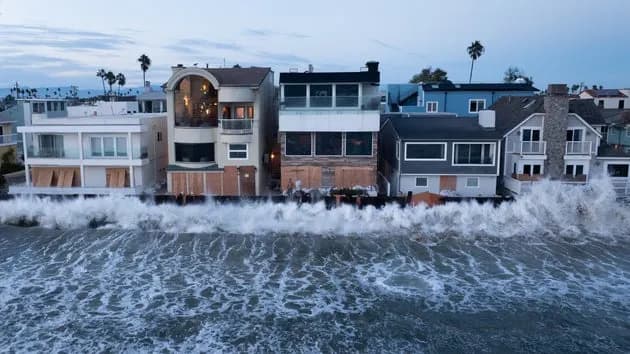
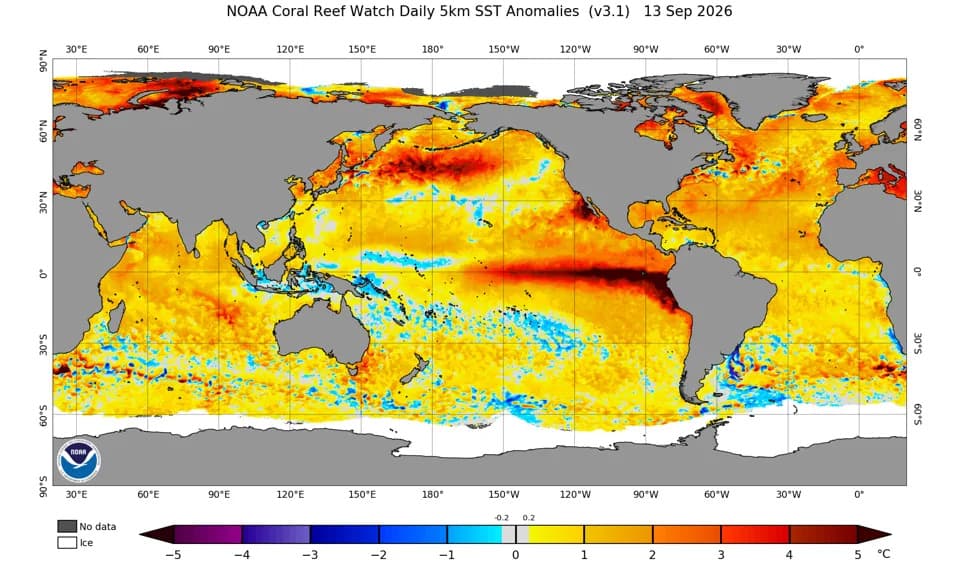
Scientists are warning that a planetary-scale ocean pulse known as a Kelvin wave could raise sea levels along California by as much as one foot this winter, The Guardian reported. Researchers say the developing El Niño — possibly the strongest in at least a thousand years — increases the likelihood of larger-than-normal coastal water levels and storm surge across the Pacific.
What Is a Kelvin Wave?
A Kelvin wave is a slow-moving, planetary-scale pulse of warm water that can stretch for thousands of miles along the equator. During El Niño events, trade winds that normally blow westward toward Asia can weaken or reverse, allowing warm water to slosh back eastward toward the Americas and raise the regional baseline sea level.
"It's a wave unlike the ones you're used to at the beach. They don't crash, you can't really see them come by," said Mike Jacox, an oceanographer at the Southwest Fisheries Science Center. "This winter, we're supposed to have some really high tides around Thanksgiving and Christmas. If you also have more storms, then you have storm surge. It's just like you're raising the floor on all that stuff that happens."
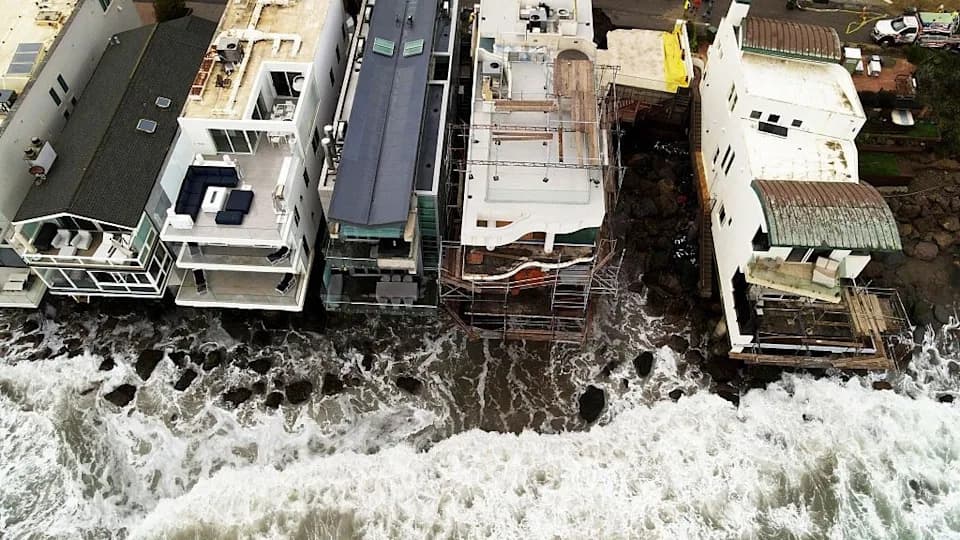
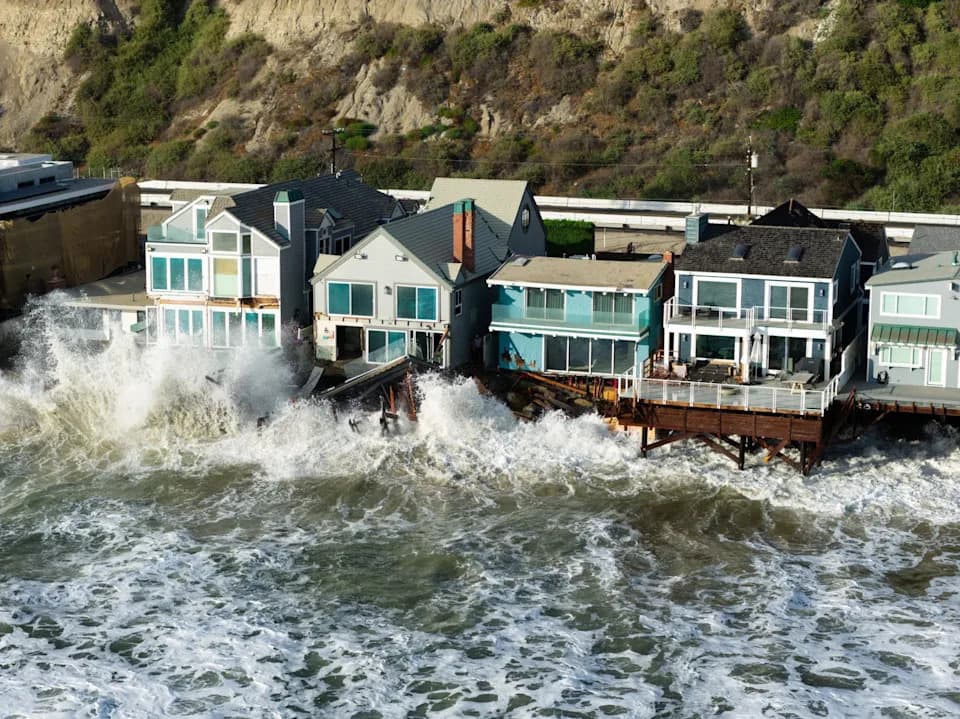
When a Kelvin wave elevates the baseline sea level, even modest storms and high tides are more likely to produce damaging coastal flooding, erosion, and nuisance inundation. Scientists say the combination of an unusually strong El Niño, a potential Kelvin wave, and an active storm season could make late-November and December high tides especially hazardous for coastal communities.
Impacts and Preparedness
Potential impacts include higher storm surge during storms, increased erosion, more frequent flooding of low-lying areas and coastal roads, and stress on flood-control infrastructure. Officials and residents in vulnerable coastal areas are urged to monitor forecasts from NOAA and local emergency agencies, review flood plans, and prepare for elevated tides and possible storm-related impacts.
Research and monitoring from NOAA, the Southwest Fisheries Science Center, and other institutions will track the Kelvin wave and El Niño development in the coming weeks. For additional background, see the original reporting by The Guardian: https://www.theguardian.com
Help us improve.