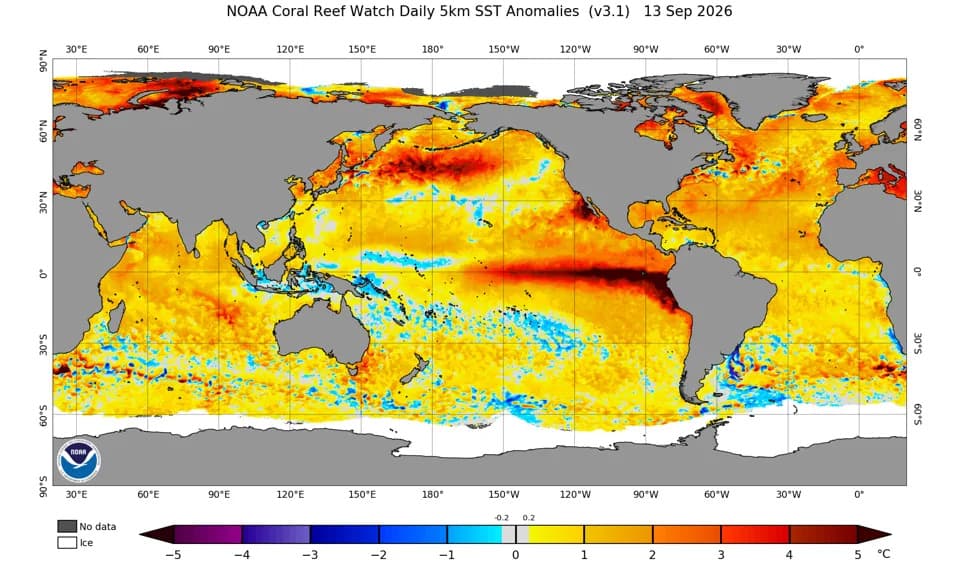
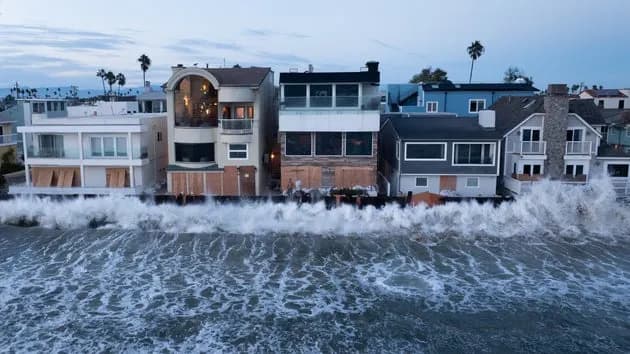
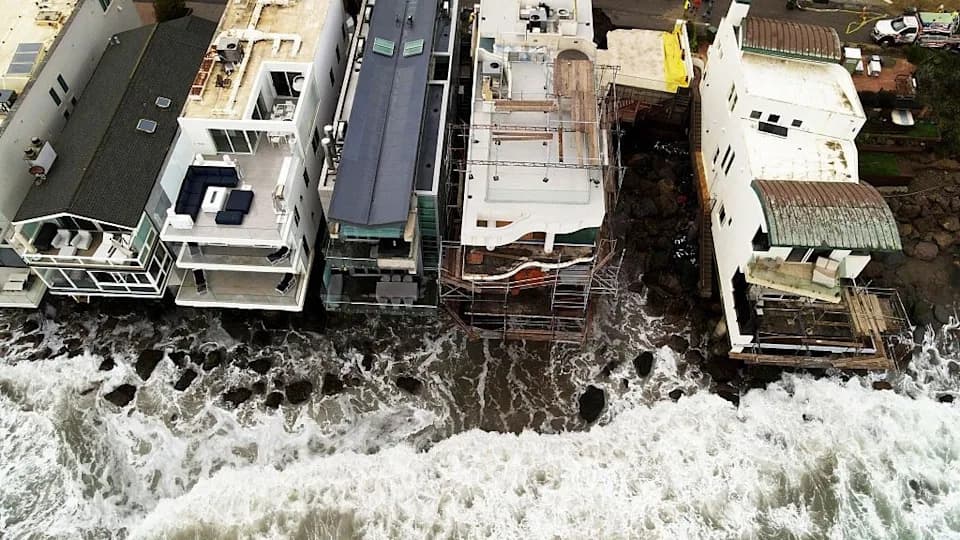
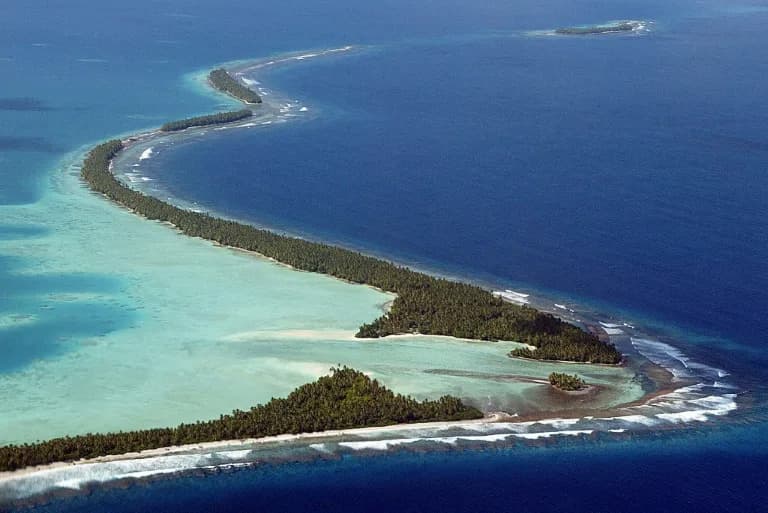
Kelvin waves are massive, subsurface pulses of warm water produced during El Niño that travel along the equator and can redirect northward along coastlines. They deepen the thermocline and temporarily raise upper-ocean temperatures, which can lift local sea levels and increase the risk of coastal flooding. Areas from Baja California through the U.S. West Coast may see heightened high-tide flooding and erosion while a Kelvin wave moves north. The analysis draws on NOAA and FOX Weather reporting.
What Is a Kelvin Wave? How an Underwater Pulse Can Raise Sea Levels During El Niño
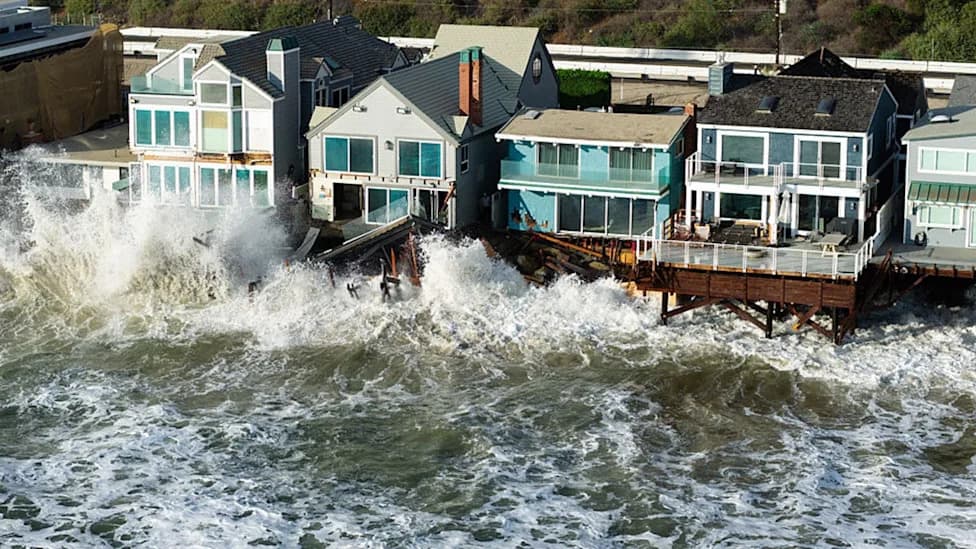
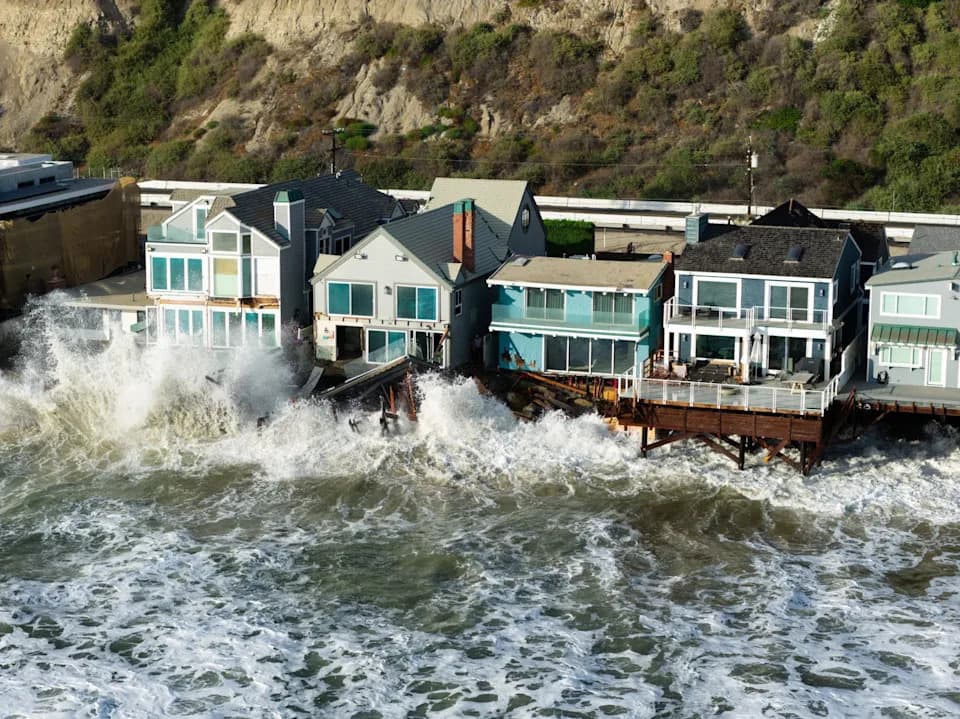
FILE - An aerial of homes along damaged by flooding along Beach Road on Tuesday, Sept. 8, 2026 in Dana Point, CA. Homes in the Capistrano Beach community have been severely damaged from recent storms. (Kayla Bartkowski / Los Angeles Times via Getty Images)
Kelvin waves are large, subsurface pulses of warm water that form during El Niño and can temporarily push coastal sea levels higher as they move north along the Pacific coast.
The Brief
These underwater waves are generated during El Niño events and can briefly elevate local sea levels and warm nearshore waters, increasing the risk of flooding on low-lying shorelines.
Dig Deeper
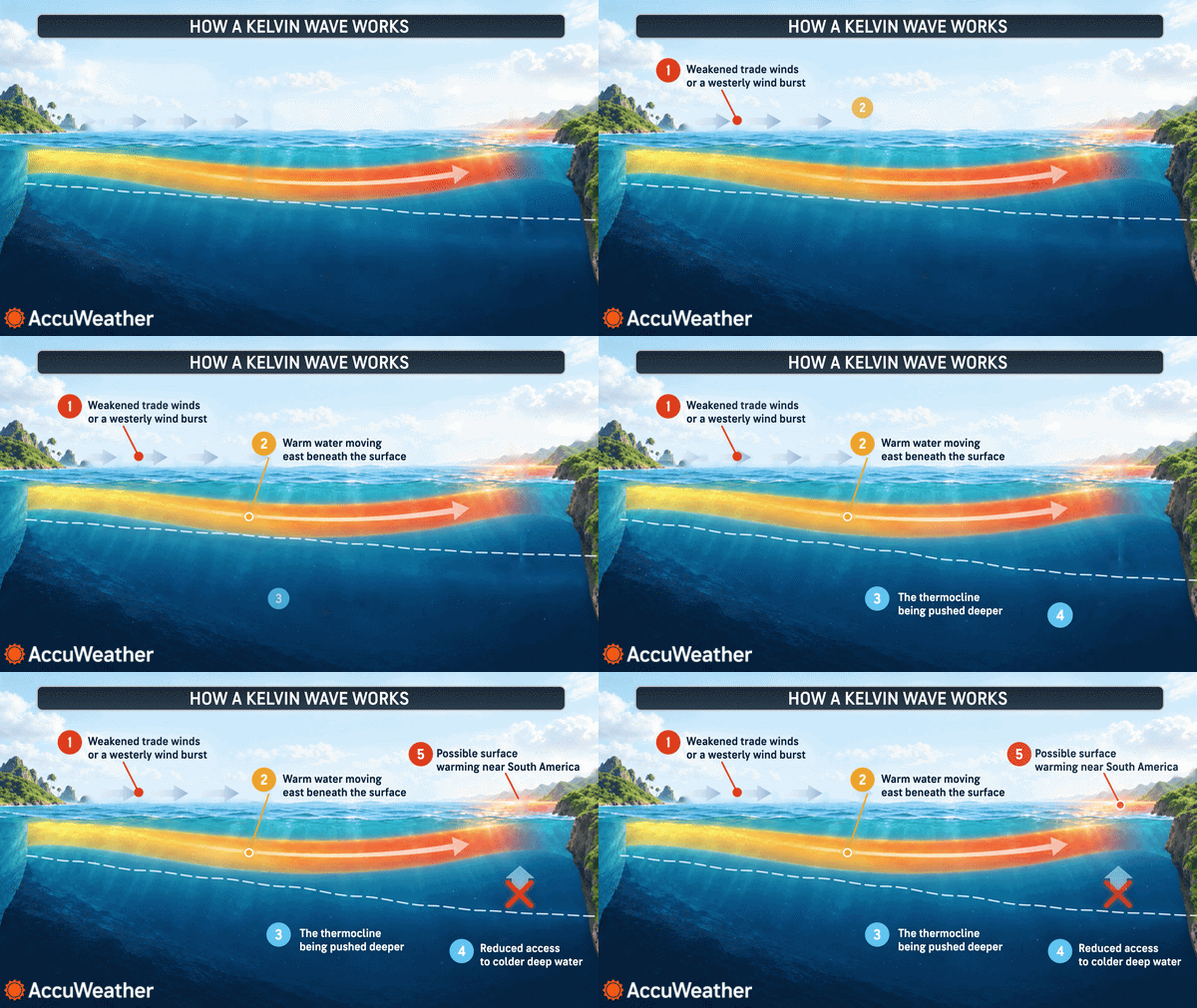
Unlike the breaking waves you see on the ocean surface, Kelvin waves travel beneath the surface. They typically form when bursts of westerly winds — often called westerly wind bursts — shove warm equatorial water eastward. That eastward movement produces large pulses that propagate along the equator beneath the ocean's surface.
When a Kelvin wave reaches the eastern Pacific near Central and South America, part of its energy can be redirected northward along the coastline as a coastally trapped wave. That mechanism allows an El Niño signal from the tropics to influence the U.S. West Coast, including California and the Pacific Northwest, according to the National Oceanic and Atmospheric Administration (NOAA).
Kelvin waves are also classed as planetary waves because of their enormous scale: they can span thousands of miles and, during strong El Niño events, affect a large portion of the Pacific Ocean.
Why You Should Care
One key effect is a deepening of the thermocline — the layer where water temperature drops sharply with depth. As the thermocline sinks, upper-ocean temperatures rise and coastal sea levels can climb temporarily. Even short-term increases in sea level can worsen high-tide flooding and let storm-driven waves reach farther inland, raising the risk of coastal erosion and damage to infrastructure.
Warmer nearshore waters associated with Kelvin waves can also affect marine ecosystems and local fisheries by changing habitat conditions for fish and other organisms.
Local Perspective
Impacts typically begin off Baja California and Southern California, then propagate north along the West Coast toward Northern California, Oregon and Washington. The timing and magnitude vary with the strength of the Kelvin wave and local coastal geometry.
How Communities Can Prepare
Coastal communities and residents can reduce risk by monitoring local tide and coastal condition forecasts, following guidance from local officials and NOAA, preparing for temporary flooding (e.g., sandbags, moving valuables to higher ground), and protecting critical infrastructure where possible.
Sources
This article synthesizes reporting from FOX Weather and technical information from the National Oceanic and Atmospheric Administration. The story was reported from San Jose.
Help us improve.