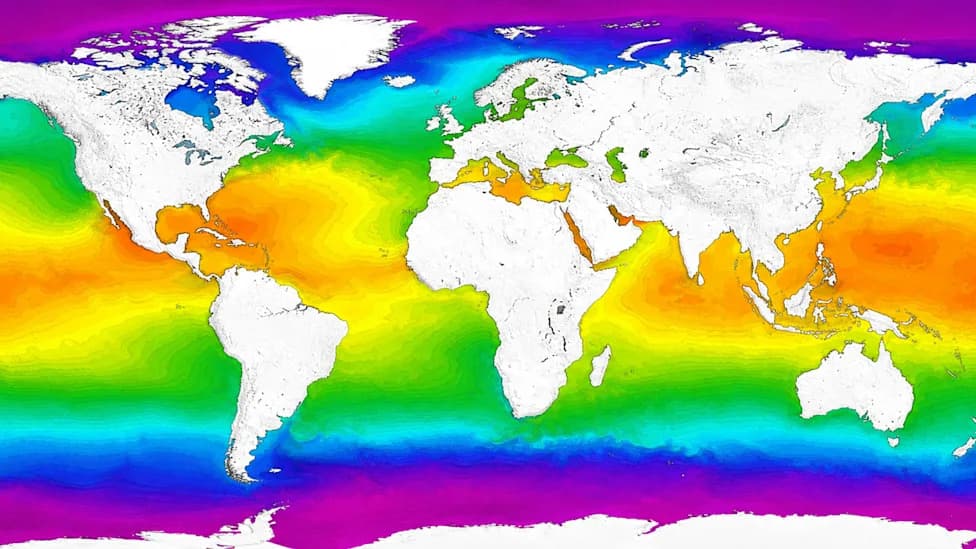
Quick Take: A Kelvin wave is a large, slow-moving pulse of warm water that travels along the equator or coastlines and can raise regional sea levels. The October 2026 pulse tied to a strong El Niño could lift California water levels by about one foot, increasing erosion and coastal flood risk — especially if storms or high tides coincide. Kelvin waves are not tsunamis and are not surfable, but they signal broader El Niño-driven changes to storms and ocean temperatures expected into 2027.
What Is a Kelvin Wave — And How the October 2026 Pulse Could Raise California’s Seas
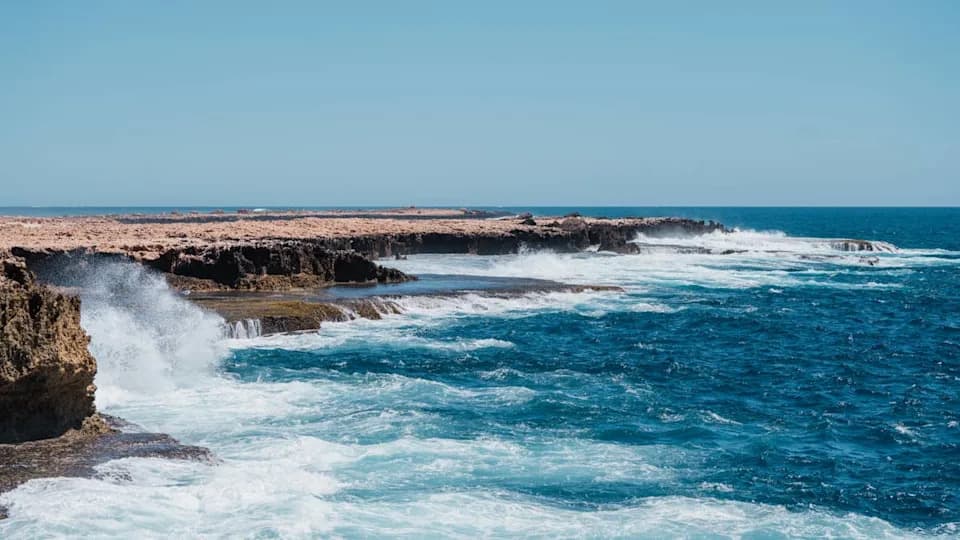
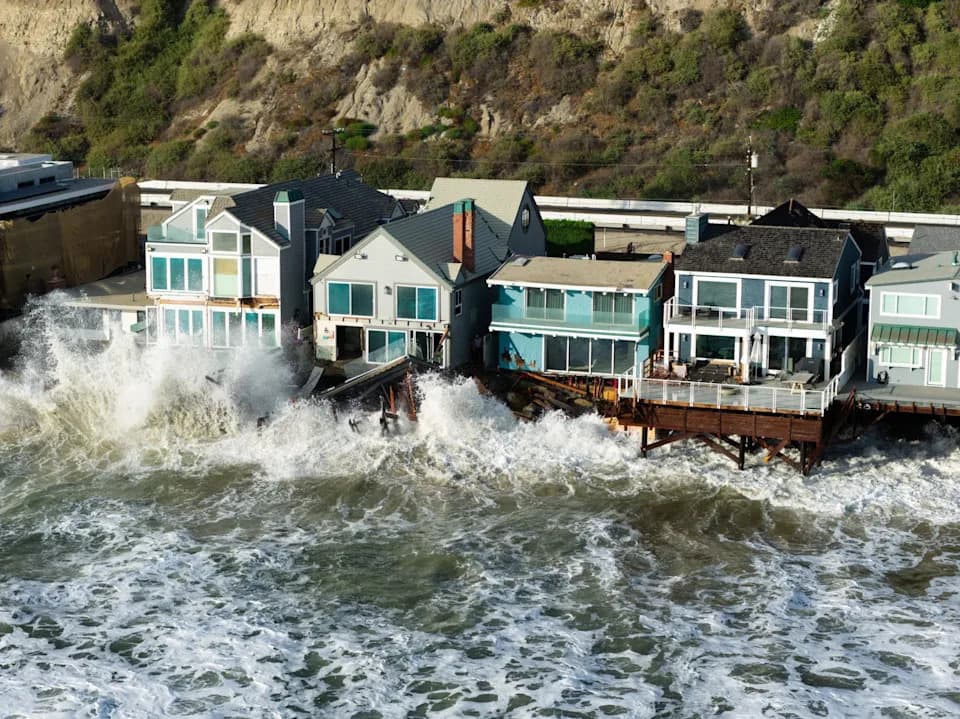
Kelvin waves can cause a rise in sea levels. Photo: Getty Images.Kelvin Peng / 500px / Getty Images
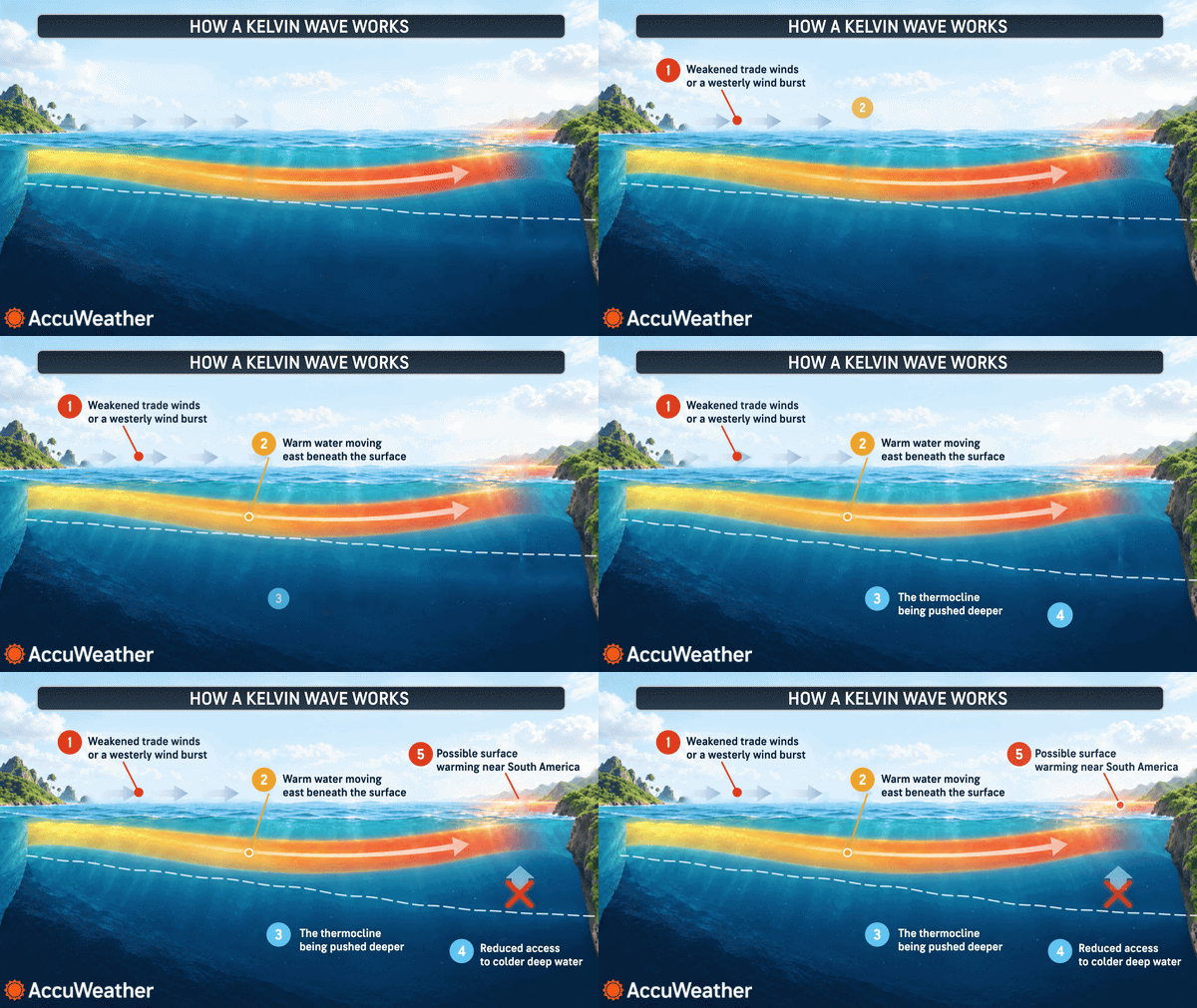
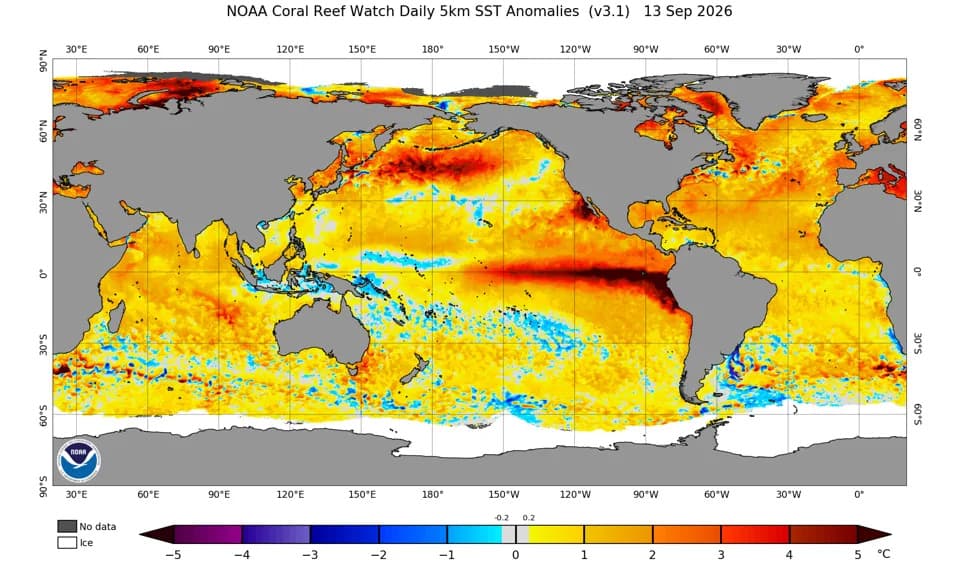
A Kelvin wave is a large, slow-moving pulse of warm water that travels beneath or just below the ocean surface along the equator or along coastlines. Currently, an unusually strong El Niño has helped spawn a Kelvin wave moving eastward across the Pacific — and forecasters say a related pulse could influence sea levels along the California coast in October 2026.
How Kelvin Waves Work
Kelvin waves are not like the breaking waves surfers ride. Instead, they behave more like a broad slosh: a large, long-wavelength bulge in water temperature and sea level that travels great distances. These waves are often confined to the equator or a coastline by Earth’s rotation (the Coriolis effect), which prevents them from dispersing across the whole ocean.
"Unlike the waves you see at the beach, Kelvin waves do not curl over and then crash. They are more like the waves in your bathtub, which slowly slosh around. They don't break, but they still have broad peaks and valleys that change the depth of the water. The Kelvin waves that are relevant to ENSO only move eastward and along the equator. Like all planetary waves, the geographic extent of an equatorial Kelvin wave is huge, often stretching over much of the Pacific Ocean." — NOAA
Why They Matter for California
When a Kelvin wave reaches the eastern Pacific near South America, part of its warm-water signal can be steered northward along the coast of Central America and Mexico. That northward-moving arm can continue up the Baja California coastline and eventually affect Southern California. Forecasters tracking the October 2026 pulse estimate it could raise local sea levels by roughly one foot.
A one-foot rise in sea level may seem small, but it can substantially increase beach erosion, worsen high-tide flooding, and elevate the risk of coastal inundation — particularly when combined with storm surge, strong onshore winds, or astronomical high tides. In short: higher baseline sea levels make coastal impacts from storms and tides more severe.
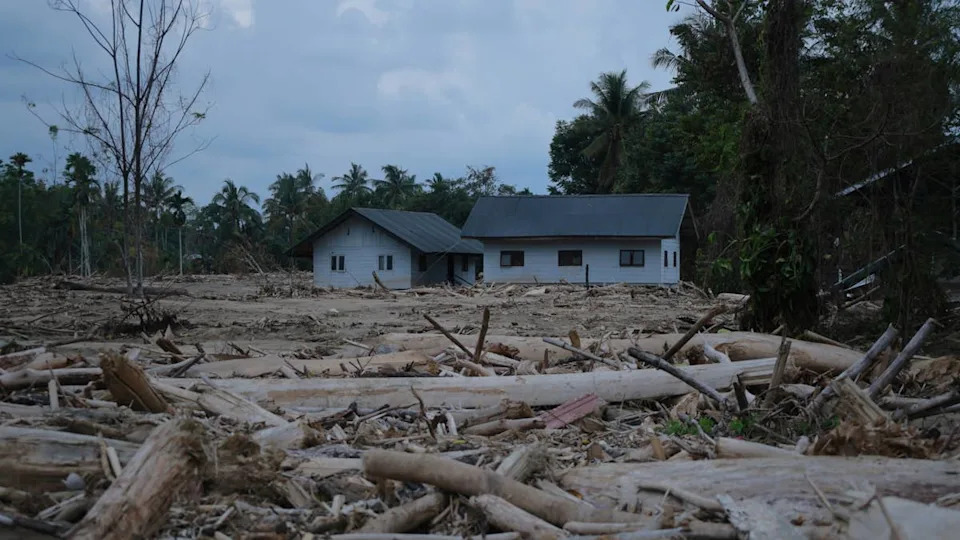
Tsunamis leave a trail of destruction in their wake and are very different than Kelvin Waves. Photo: Getty Images.Roja Pradana / Getty Images
Not A Tsunami — And Not Surfable
Kelvin waves are not tsunamis. Tsunamis are produced by sudden, often violent seafloor displacements (earthquakes, landslides, volcanic events) and can arrive as fast-moving, destructive surges. Kelvin waves are slower, large-scale climate-related pulses tied to ocean-atmosphere patterns like El Niño. They do not produce breaking waves suitable for surfing.
Broader Climate and Marine Effects
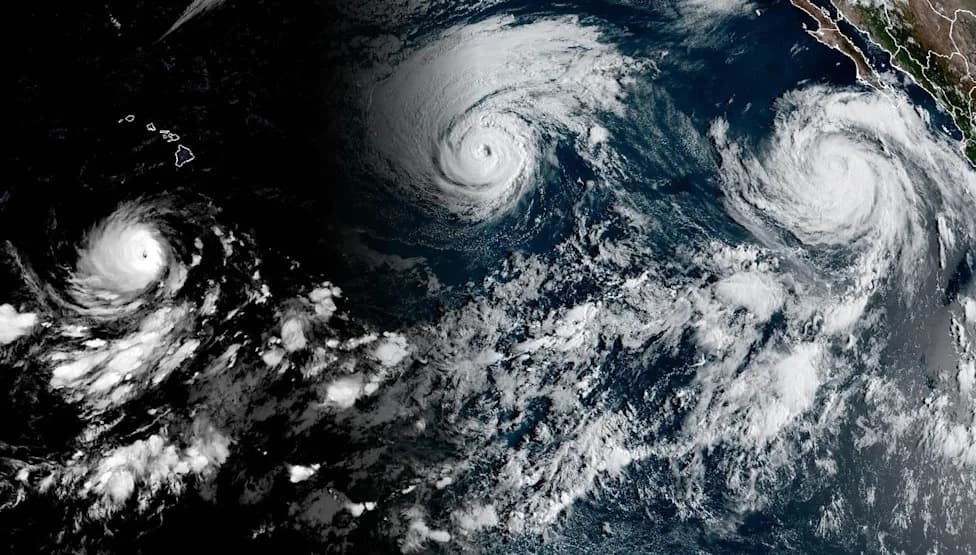
Kelvin waves are an expression of broader El Niño dynamics. The presence of a Kelvin wave often signals an El Niño-driven reconfiguration of the Pacific that can alter storm tracks, change regional ocean temperatures, and affect marine ecosystems. Meteorologists expect the current strong El Niño to persist into 2027, which could mean an active winter storm and swell season for parts of the U.S. West Coast.
What To Watch For
Coastal communities and beachgoers should monitor local sea-level and tidal forecasts in October and the winter ahead. The combination of elevated water levels from the Kelvin wave, seasonal high tides, and any late-season storms is the primary concern for increased erosion and flooding risk.
Help us improve.