A University of Guelph genomic study of 500 cats with cancer found many mutations and mutational patterns that mirror those in human tumors. Published in Science, the research identified 31 driver genes plus viral sequences and germline variants that shape the feline oncogenome. Researchers say the findings could make cats a valuable comparative model to accelerate cancer research and help inform therapies for both species.
Cat Cancer Study Reveals Genetic Overlap With Human Tumors — Could Inform Human Treatments
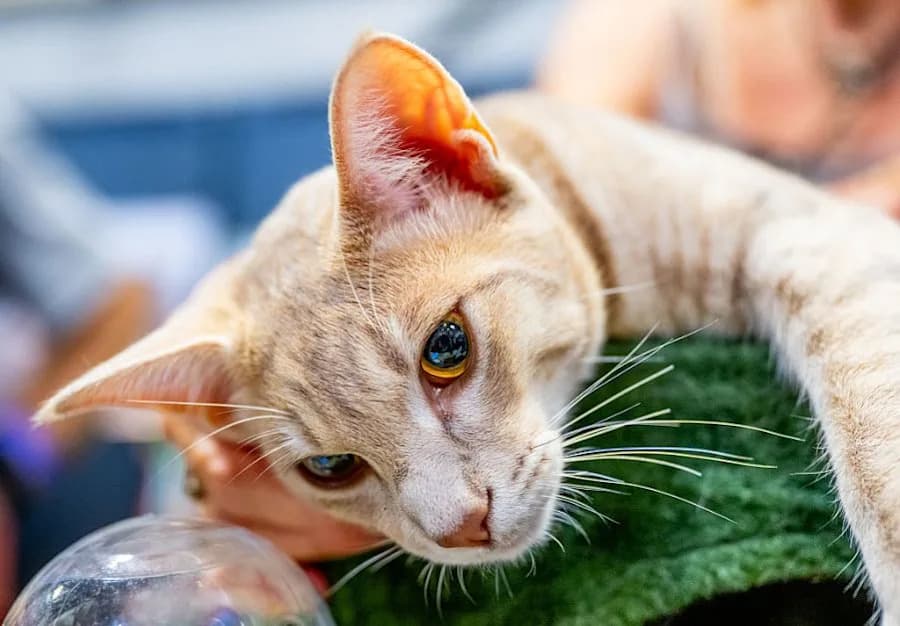
A new genetic analysis of tumours in domestic cats reveals many of the same mutations seen in human cancers, a finding that could accelerate comparative research and ultimately inform treatments for both species.
Researchers at the University of Guelph in Ontario sequenced and analyzed the genomes of cancers from 500 cats. The team reported striking parallels between feline and human tumors, identifying 31 driver genes along with distinct mutational signatures, viral sequences and tumor-predisposing germline variants.
"By identifying 31 driver genes, mutational signatures, viral sequences, and tumor-predisposing germline variants, our study provides insight into the domestic cat oncogenome," the authors wrote in Science.
Those shared genetic features suggest that the feline oncogenome could serve as a comparative model for investigating cancer mechanisms and testing therapies that may benefit both animals and people. Comparative oncology — studying cancer across species — can speed discovery by revealing conserved pathways and mutations that drive tumor growth.
Beyond the genetics, prior research has also associated pet ownership with certain health benefits: studies have linked cat ownership to lower risk of death from cardiovascular disease and to improvements in mental health, including reduced depression symptoms.
While more research is needed to translate these genomic insights into new treatments, the University of Guelph study, published in Science, provides an important resource for scientists pursuing one-health approaches to cancer.
Help us improve.