A Nature study assembled near-complete genomes from eight Myotis bat species and combined genomic analysis with cell experiments to probe why some tiny bats live for decades. Researchers found evolutionary changes concentrated in immunity, cancer-control and DNA-damage response pathways, and primary cells from Myotis lucifugus showed an unusual DNA-damage response. The results suggest that viral tolerance, inflammation control and enhanced cancer surveillance may have co-evolved with longevity, highlighting pathways worth testing in other species.
How Tiny Bats Live for Decades: Genomes Reveal Clues About Immunity, Cancer Control and DNA Repair
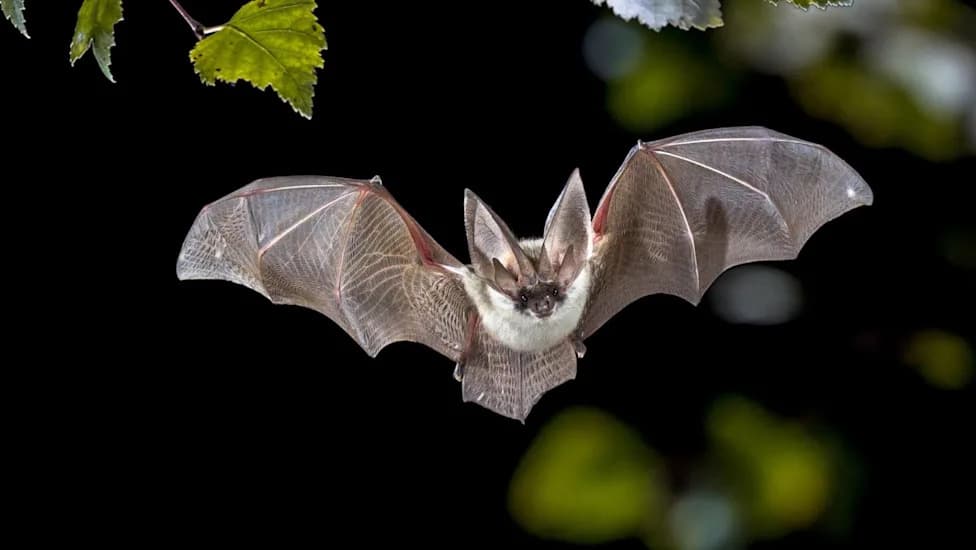
Tiny, mouse-sized bats can live for decades — a lifespan that breaks the usual link between small body size and short life. A new study in Nature compared near-complete genomes from eight closely related Myotis species and paired that genomic survey with experiments on bat cells to identify molecular changes tied to exceptional longevity.
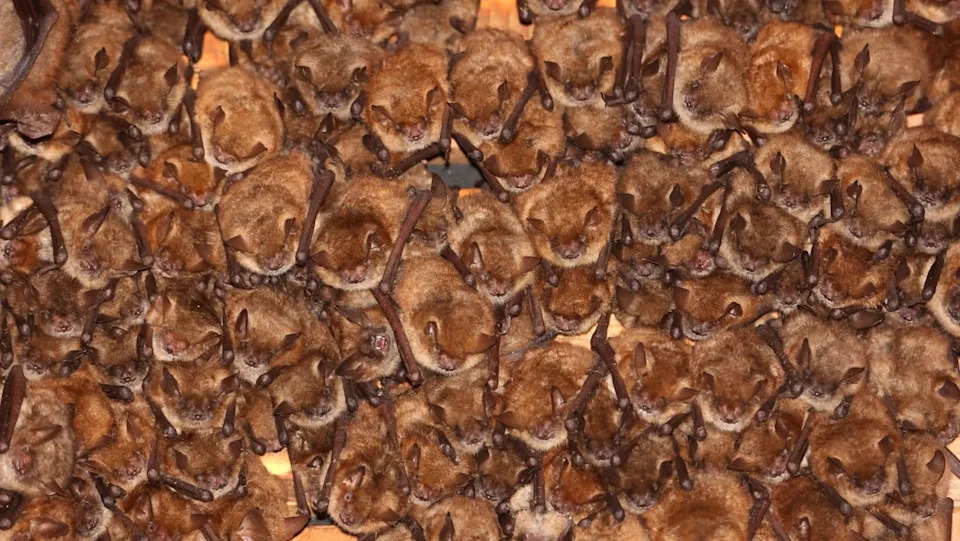
Petr Muckstein via Shutterstock.
What The Researchers Did
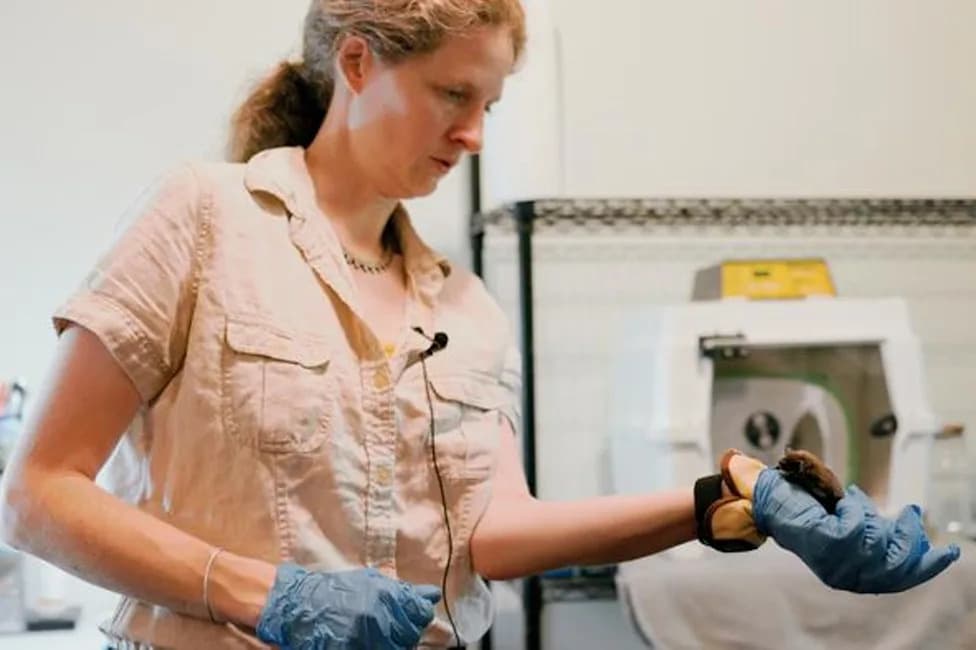
Scientists assembled high-quality, near-complete genomes for eight Myotis species and looked for signatures of natural selection associated with increased lifespan. They also cultured primary cells from long-lived bats, including Myotis lucifugus, and tested how those cells respond to DNA damage and other stresses.
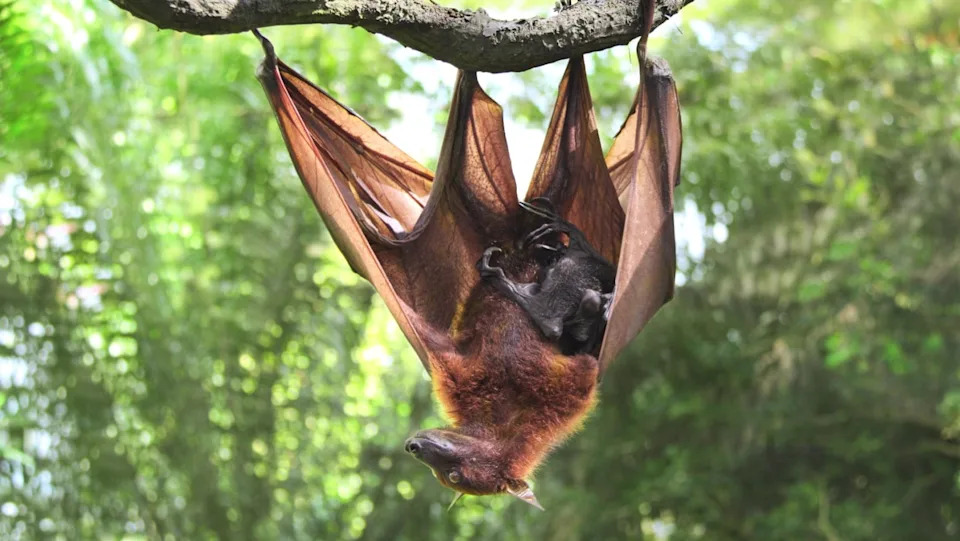
Photo credit Shutterstock
Key Findings
- Evolutionary changes were enriched in pathways involved in immunity, cancer control and the cellular response to DNA damage, especially in lineages with the greatest lifespan increases.
- Primary cells from Myotis lucifugus showed an unusual DNA-damage response, providing experimental support that genomic signals correspond to altered cellular stress responses.
- Positive selection was detected in cancer-related pathways across long-lived Myotis lineages, consistent with enhanced cancer-control mechanisms evolving alongside longevity (a possible resolution to Peto’s paradox).
- Adaptive variation was also found in genes that interact with DNA and RNA viruses, including changes in the immune factor PKR, suggesting connections between viral tolerance and aging biology.
Why This Matters
These bats offer natural experiments in longevity: closely related species with very different lifespans reduce confounding biological differences and help spotlight genetic changes linked to long life. The study’s combination of comparative genomics and cell-based experiments narrows a vast search space to specific pathways — immunity, DNA damage response and cancer-control — that deserve further testing in other species, including humans.
Limitations And Cautions
The study does not identify a single "longevity gene" transferable to humans. Evolution tailors each species to its environment and life history, so genomic differences in bats may not map directly onto human aging. Still, identifying conserved mechanisms can guide experimental work on aging, cancer resistance and infection tolerance.
Source: Nature study comparing Myotis genomes; photo credit: Shutterstock.
Help us improve.