Researchers at Kyoto University tested 48 cats using a surprise paradigm and found domestic house cats stare longer when a spoken name does not match a displayed face, indicating they associate names with individuals. Café cats—exposed to many different people and animals—showed weaker responses. A follow-up with 26 multi-person-household cats confirmed the effect for human names and was stronger in longer-term or larger households. The study suggests cats can link names to faces without formal training.
Your Cat Knows Who You Are — New Study Shows Cats Link Names to Faces
Your Cat Knows Exactly Who You Are And Scientists Just Proved It© knape/ via Canva.com
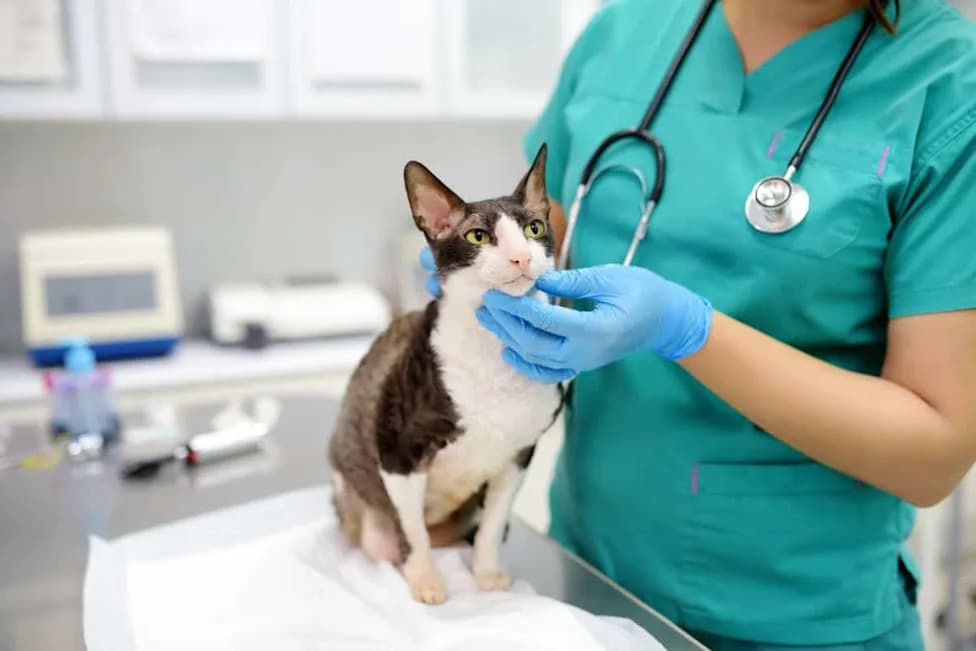
Cats are often described as aloof or independent, yet they have quietly become some of the world's most popular pets. Once prized mainly for hunting, cats now share millions of homes and influence daily life in subtle ways.
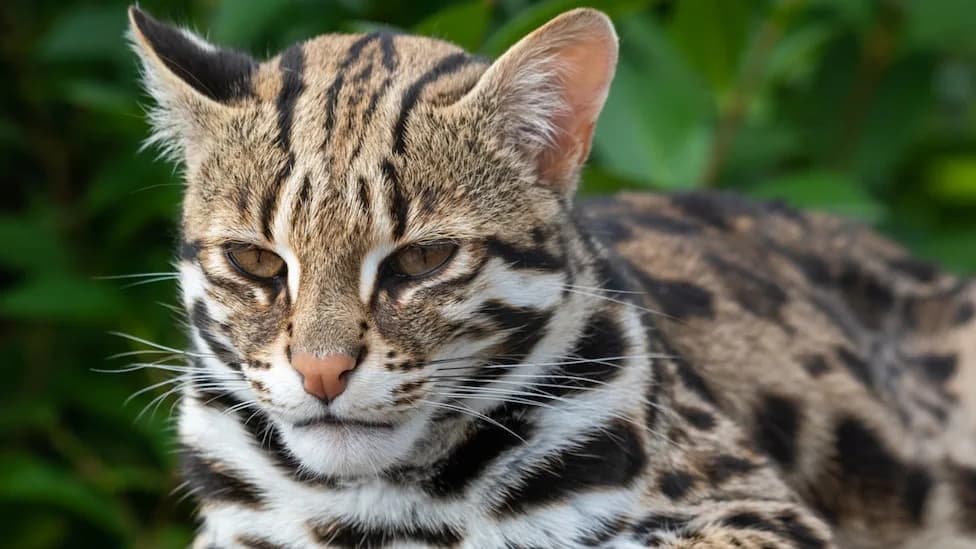
Only recently have scientists begun investigating feline cognition in depth. A 2019 study showed that domestic cats can recognize their own names, prompting researchers to ask a bigger question: can cats also associate words—names in particular—with other individuals, including fellow cats and people?
©Vlada Karpovich/ via Canva.com
That question motivated animal scientist Saho Takagi and her team at Kyoto University. In a paper published in Scientific Reports, they used a simple “surprise” paradigm to probe whether cats mentally link spoken names to faces. The logic was straightforward: when a spoken name and a displayed face match, nothing unexpected occurs; if they don’t match, a pause or prolonged stare reveals that the cat detected the mismatch.
How The Experiments Worked
Forty-eight cats participated. Twenty-nine lived in busy cat cafés where many people and animals rotate through, while nineteen were domestic house cats that lived with at least two other felines. In the first experiment each cat heard the spoken name of a familiar cat and then saw a face on a monitor. Some trials were congruent (name and face matched), others incongruent (name and face did not match). Each subject experienced multiple trials while observers recorded their reactions.
©KDdesign_photo_video/Shutterstock.com
The results were clear: house cats spent significantly more time staring at the screen when a spoken name did not match the image, suggesting they expected a particular companion to appear and were surprised by the mismatch. Café cats showed weaker or no consistent change in attention, which the researchers attribute to the café cats’ variable social environment—many different people and animals reduce consistent name–face pairings.
Humans, Too
In a follow-up experiment the team tested human name–face recognition with 26 cats from multi-person households. The procedure mirrored the first study: cats heard the name of a household member and then saw either that person’s face or another person’s face. Cats looked longer when the face didn’t match the spoken name. That effect was stronger for cats that had lived longer with the family and in households with more people, suggesting that repeated exposure strengthens name–face associations.
Takagi and colleagues conclude that, without explicit training, cats can associate not only their own names but also the names of familiar cats and humans with corresponding faces.
These findings join other recent work—such as studies showing cats can learn by observation—to challenge the stereotype of the indifferent house cat. Takagi’s team plans further research to uncover the cognitive mechanisms behind how cats learn and store names and faces, and to explore the limits of their language comprehension.
Study reference: Saho Takagi et al., Scientific Reports. Related background: cat name-recognition research (2019) and observational learning in cats (2020).
Help us improve.