Genialis and Inventia Life Science have launched a collaboration that combines AI-based molecular modelling (Supermodel) with Inventia's RASTRUM 3D cell platform to study pancreatic ductal adenocarcinoma (PDAC). The teams analysed 644 tumours from PanCAN SPARK's "Know Your Tumor" cohort to identify molecular states linked to poor prognosis and mapped those profiles onto tumour–fibroblast 3D co-cultures. The approach aims to reproduce patient-relevant biology in human-relevant models to generate and test targeted therapeutic hypotheses. Initial results will be presented at the PanCAN 2026 Scientific Summit on 25 September in San Diego.
Genialis and Inventia Pair AI With 3D Tumour Models To Improve Pancreatic Cancer Testing
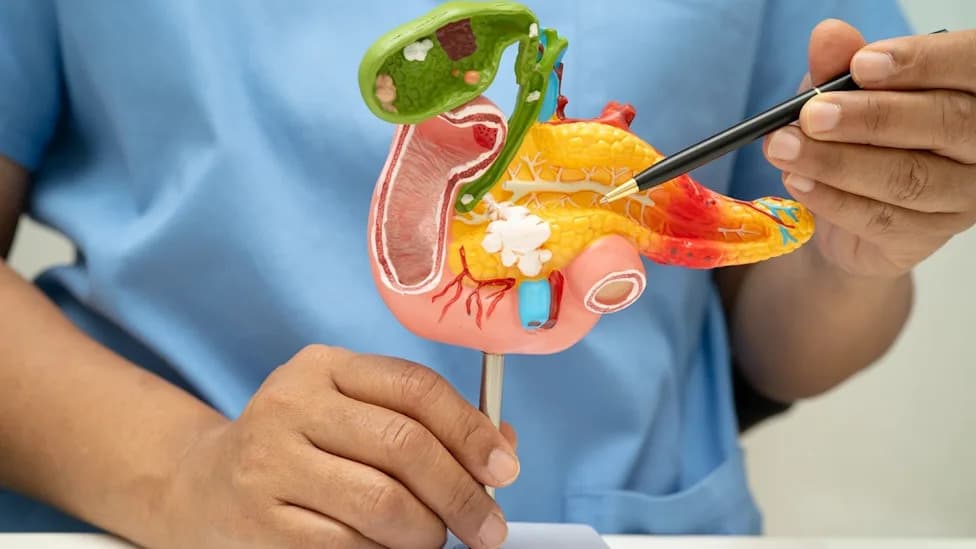
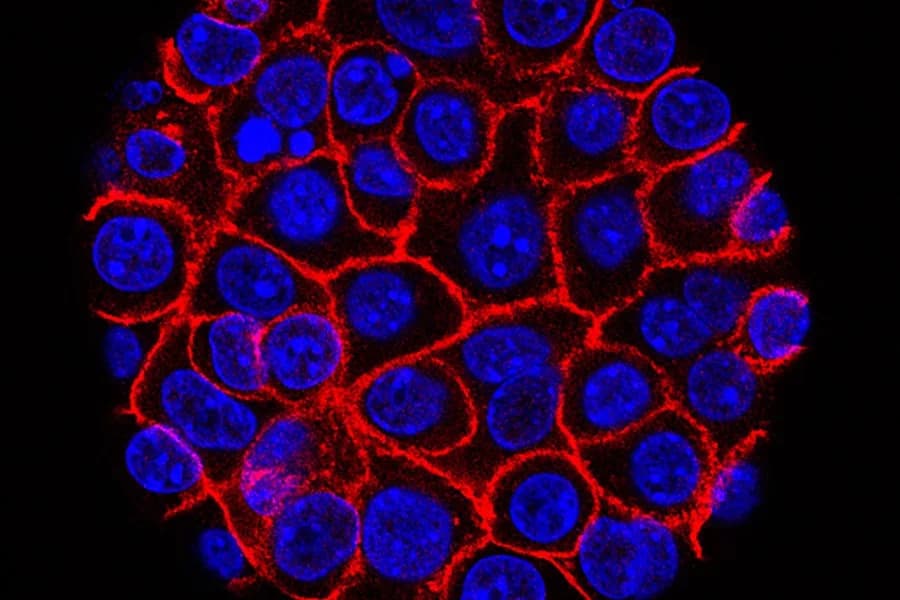
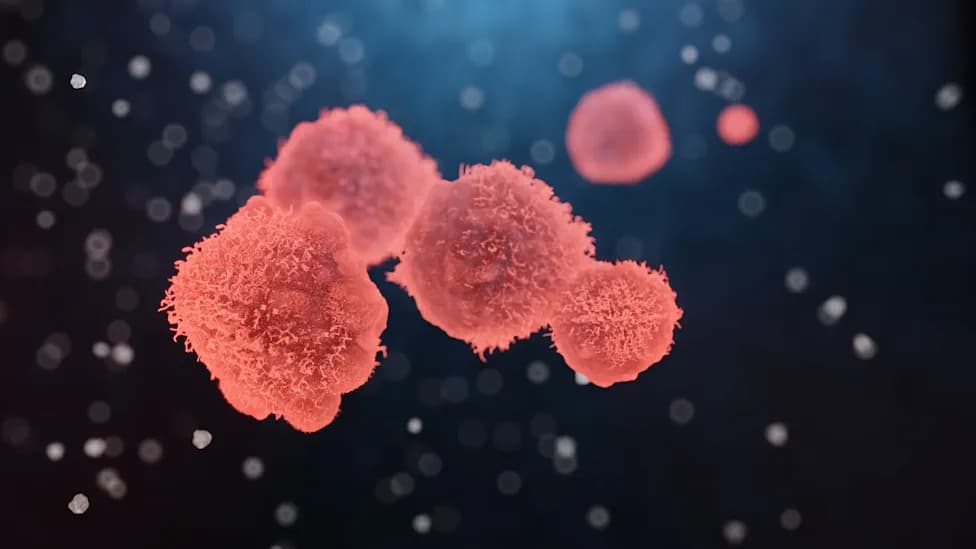
RASTRUM creates 3D pancreatic cancer models in which tumour and stromal components can be controlled and altered independently. Credit: sasirin pamai / Shutterstock.com.
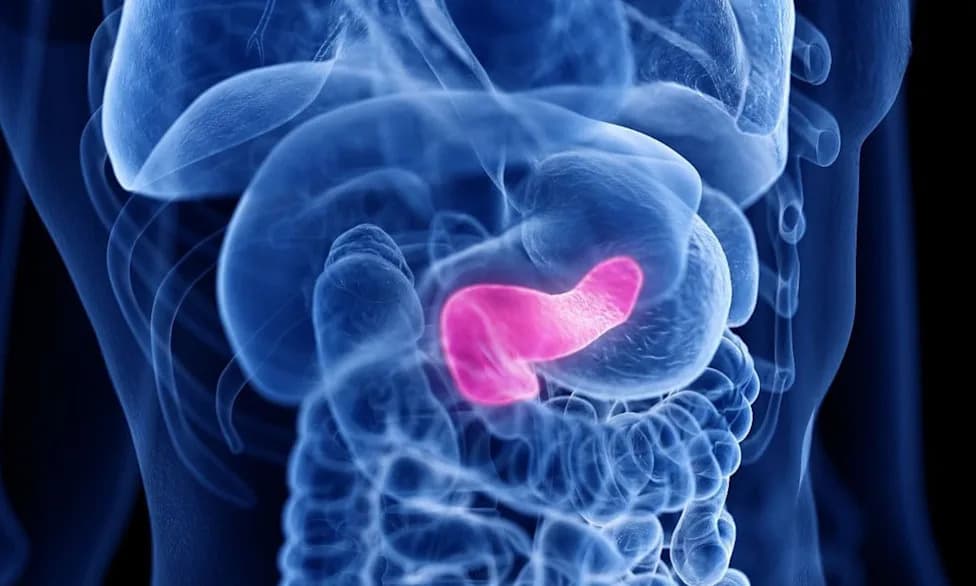
Genialis has partnered with Inventia Life Science to combine AI-driven molecular modelling with controllable 3D cell culture systems to improve preclinical testing and patient matching for pancreatic ductal adenocarcinoma (PDAC) therapies.
Study Design And Methods
The collaboration integrates Genialis' Supermodel — a molecular model trained on a harmonised, curated transcriptomics dataset — with Inventia's RASTRUM 3D cell model platform. Using transcriptomic data from 644 pancreatic tumours in the Pancreatic Cancer Action Network (PanCAN) SPARK "Know Your Tumor" cohort, Genialis identified patient molecular states and tumour microenvironment compositions associated with poorer prognosis.
Translating Patient Profiles Into Testable Models
Researchers mapped the patient-derived molecular profiles onto tumour–fibroblast co-culture models produced with RASTRUM. These 3D models allow independent control and perturbation of tumour and stromal components, enabling laboratory replication of molecular states observed in clinical samples. Genialis will characterise these engineered models with Supermodel and compare the modelled molecular states against those seen in patients.
Goals And Significance
This workflow aims to close a translational gap by linking clinically observed biological states to experimentally tractable, human-relevant systems. That link should make it easier to generate and test therapeutic hypotheses grounded in the biology of patient subgroups most likely to benefit from targeted strategies.
"This collaboration closes an important gap in drug discovery by connecting what we learn from patients with what we can test in the lab," said Cameron Ferris, CEO and co-founder of Inventia Life Science. "Genialis can identify clinically meaningful biological states in real tumours, while RASTRUM allows us to model and perturb those states at scale. Together, that creates a powerful way to generate and test therapeutic hypotheses that are grounded in the biology of the patients we ultimately want to treat."
Initial findings from the collaboration are scheduled for presentation on 25 September at the PanCAN 2026 Scientific Summit in San Diego. The project also builds on Genialis' existing collaboration with PanCAN to strengthen connections between patient data and experimental systems.
Implication: By reproducing patient-relevant molecular states in controllable 3D models, the partnership may accelerate identification of effective, targeted interventions for distinct PDAC patient subgroups and improve the preclinical evaluation of therapeutic candidates.
Help us improve.