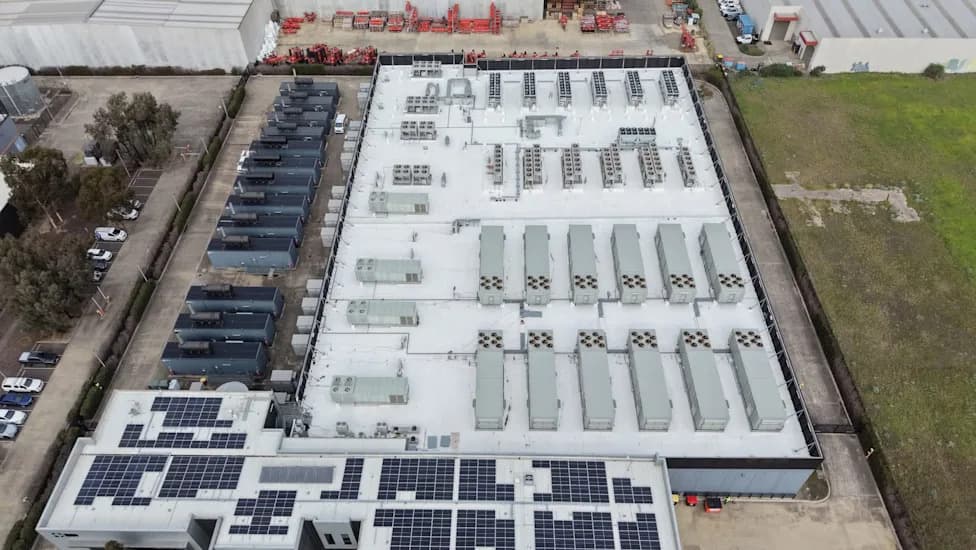
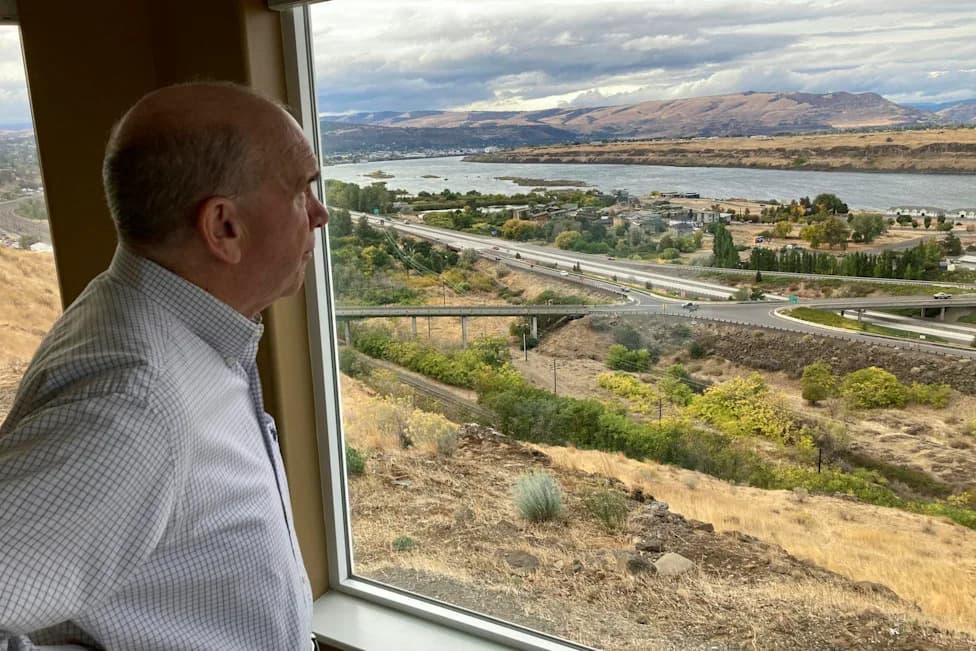
AI-driven data centers are expanding rapidly across the U.S., raising local concerns about electricity, water and ecological impacts. Experts say environmental outcomes depend on three factors—total power demand, type of generation, and timing of build-outs—and that proper planning, renewables and demand flexibility can mitigate harms. Communities should demand transparent estimates of direct and indirect water and power use and ensure large facilities help pay for necessary grid upgrades.
AI Data Centers and the Environment: The Three Questions Communities Must Ask
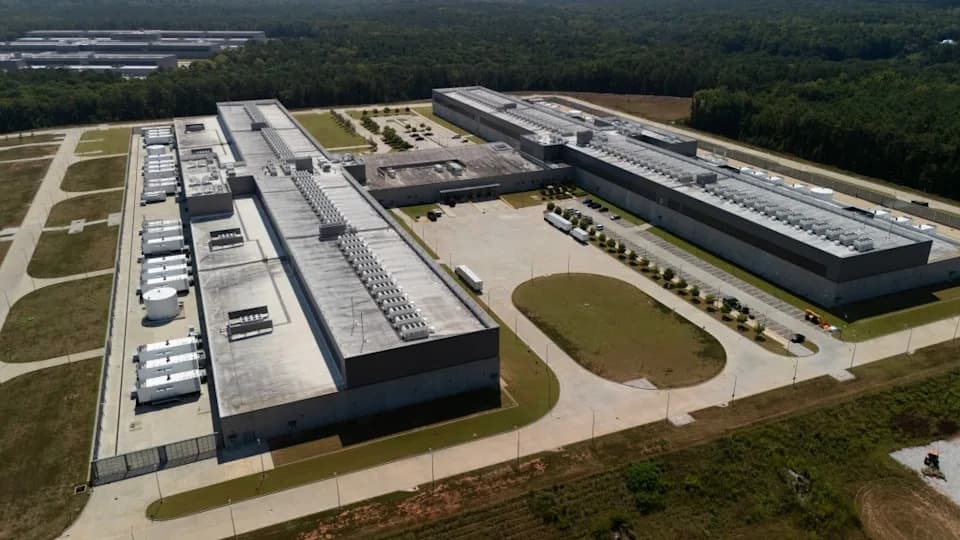
Meta data centers operate on September 5 near Social Circle, Georgia. (AP Photo/Mike Stewart)
Artificial intelligence is driving a surge of very large data centers across the United States, prompting concerns about local electricity and water demand, impacts on infrastructure and ecosystems, and how quickly the build-out is happening. Experts say the environmental effects are not inevitable—outcomes depend on three core factors: the total power required, the type of power used, and the timing of construction and operation.
Why It Matters
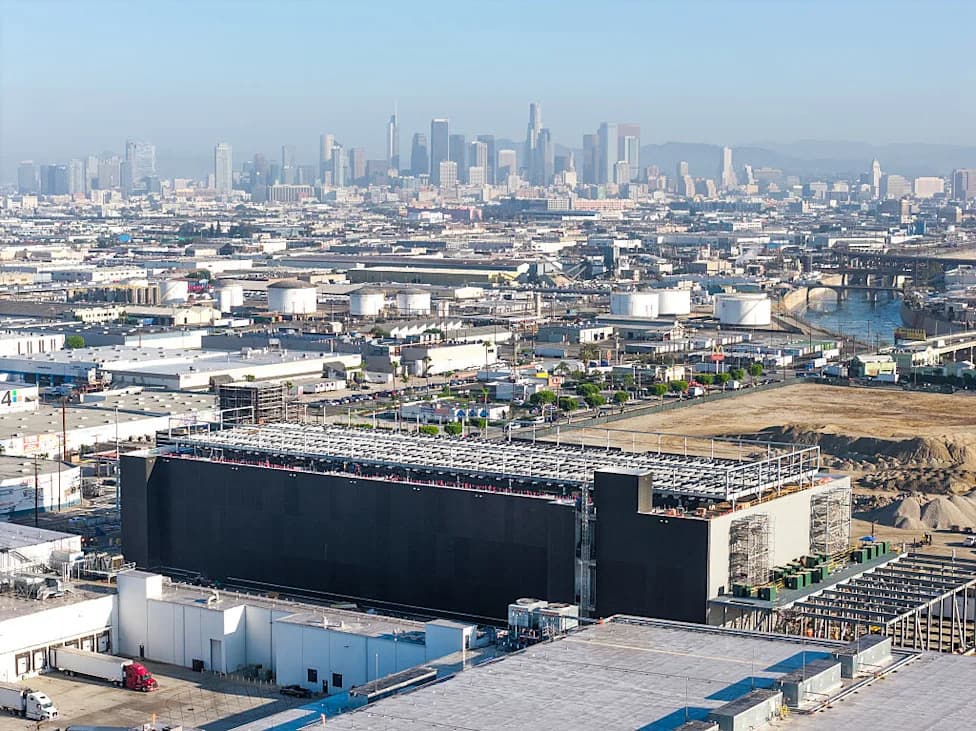
Daniel Cohan, professor of civil and environmental engineering at Rice University, summarizes the issue simply: "It's the total, the type and the timing." He warns that some of the largest AI data centers being built today are unprecedented in scale and can create stresses on regional power systems when many gigawatts of demand arrive quickly and in concentrated locations.
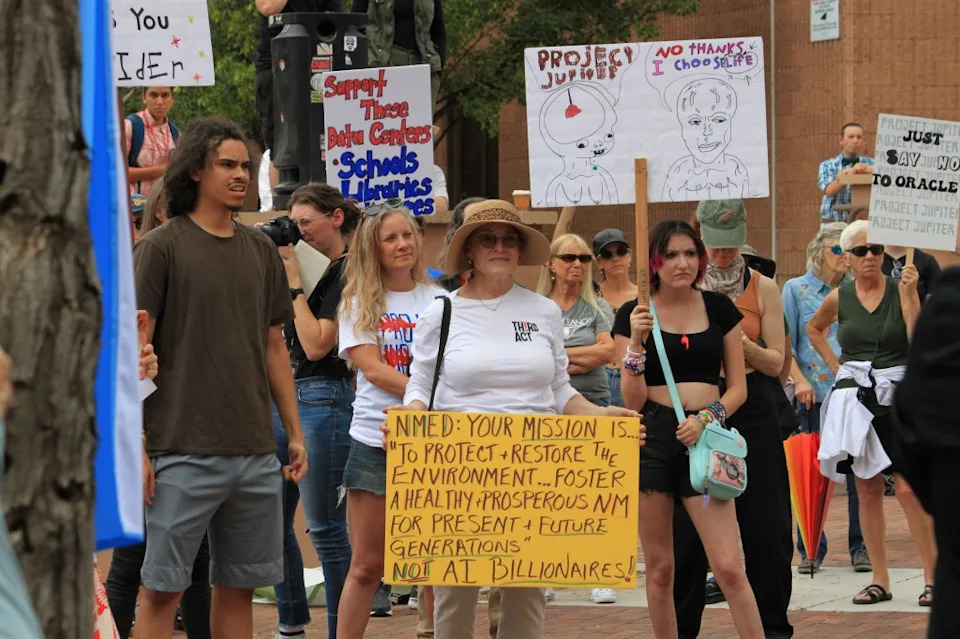
Protesters gather outside a state office to voice opposition to the Project Jupiter data center during a demonstration in Santa Fe, New Mexico, on August 21. (AP Photo/Susan Montoya Bryan)
"We've just never seen such large facilities come onto the grid at once... When you have so much being added in such concentrated locations so quickly, that's when you run the risk of disruption, and run the risk of raising the costs and jeopardizing the reliability of power for people," Cohan told Newsweek.
Grid And Operational Challenges
Large data-center campuses can demand as much power as a small city. Grid operators face not only the challenge of supplying that load but also the operational risk if a campus suddenly stops drawing power—either during a technical fault or when switching to on-site backup generation. Cohan notes that such rapid changes in demand can be nearly as difficult for the grid to handle as sudden surges.
Flexibility in when data centers consume power—shifting workloads, demand-response programs, and coordination with battery storage and renewables—can reduce stress on the grid. But rushed timelines and inadequate interconnection processes often prevent these opportunities from being realized.

President Donald Trump stands on stage at the Andrew W. Mellon Auditorium on Tuesday in Washington, D.C. (AP Photo/Alex Brandon)
Water And The Water–Energy Nexus
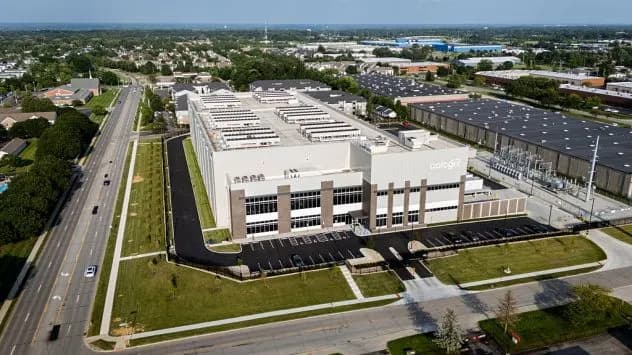
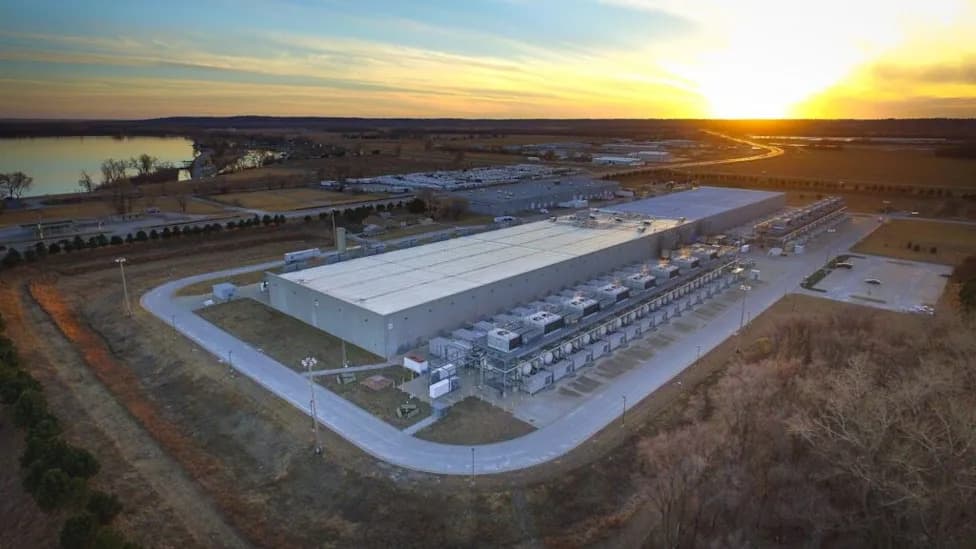
Water use varies widely by location and cooling design. Yu-Feng F. Lin, principal research hydrogeologist at the Illinois State Geological Survey, explains that most on-site water is used for cooling GPUs and CPUs, and that direct water savings (for example, switching to air or electric cooling) can create greater "indirect" water demand if additional electricity is generated by water-intensive sources like thermal power plants.
"The electricity usage for cooling could be between 10 percent–40 percent... However, there might be more 'indirect' water usage for generating more electricity for cooling," Lin said.
Local watershed conditions, climate, and future equipment upgrades can all change a data center's water footprint over time, so communities should evaluate both direct and indirect water impacts and plan for potential increases as computing capacity expands.
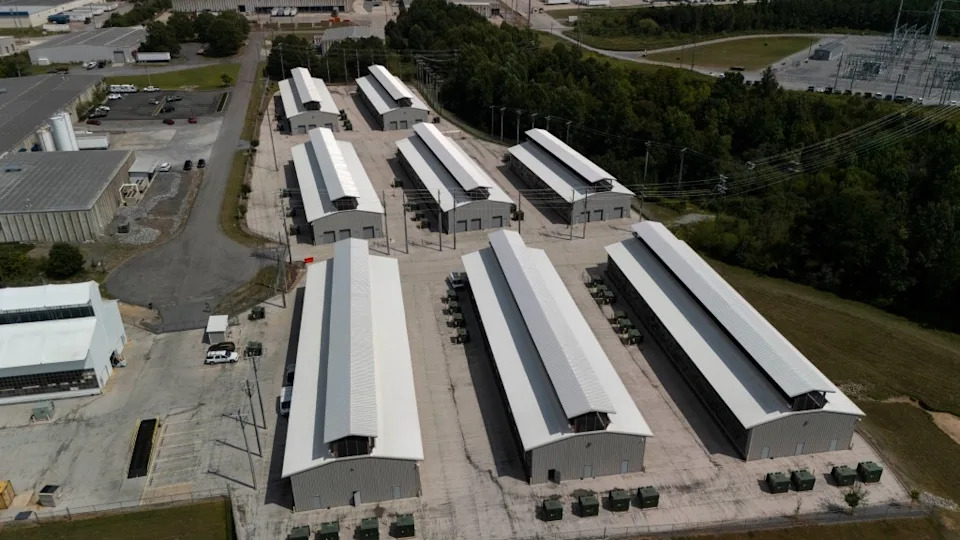
A CleanSpark Bitcoin mining center is seen on September 4 in Dalton, Georgia. (AP Photo/Mike Stewart)
Where Growth Is Concentrated And Policy Context
Planned hyperscale construction is concentrated in a handful of states—Virginia, Texas and Georgia lead, followed by Illinois and Arizona. Some jurisdictions have pushed back: New York enacted a one-year moratorium on certain hyperscale permits, and other states and localities have pursued restrictions or reviews. Federal and state policies also matter: the House passed the bipartisan Ratepayer Protection Act to encourage large customers to cover incremental grid costs associated with serving them.
Political urgency around AI—framed by some officials as a strategic priority—has helped accelerate build-outs. That adds pressure to integrate projects quickly, which can either accelerate renewable and transmission investments or, if handled poorly, incentivize on-site fossil generation and diesel backup that increase emissions.
Practical Questions For Communities
Experts recommend that residents and officials evaluate proposals through Cohan's "three T's":
- Total: How much peak and average power will the facility require, now and after future upgrades?
- Type: What energy sources will supply that power—renewables and storage or new fossil generation and diesel backup?
- Timing: Will the build-out be staggered and integrated with grid planning, and can the facility shift demand to avoid tight conditions?
Communities should also insist on transparent estimates for direct and indirect water use, clear plans for who pays for grid and transmission upgrades, and legally binding commitments on demand flexibility and environmental protections where ecosystems are sensitive.
Conclusion
AI data centers are not inherently bad for the environment. With careful planning, they can catalyze investments in renewables, battery storage, and transmission capacity that benefit broader communities. Done poorly—rapid, concentrated build-outs reliant on inefficient on-site fossil generation—they can increase emissions, stress water supplies and raise costs for other electricity customers. The outcome will depend on policy choices, local conditions and how responsibly projects are sited and integrated into the grid.
Help us improve.