Summary: The California Civil Rights Department is suing Tesla, alleging that Black workers at the Fremont factory faced years of racial slurs, racist graffiti, pay disparities and retaliation. Tesla’s lawyer argued during opening statements that cultural context can affect the meaning of the N-word and said, “The N-word is not on trial here.” Witnesses testified about repeated use of the slur and reports to HR; the CCRD cites a roughly $1,533 per month pay gap for Black employees from June 2018 to June 2024. The bench trial before Judge Peter Borkon is expected to run through Oct. 30.
‘The N-Word Is Not On Trial’: Tesla Lawyers Stress Context In High-Profile Fremont Harassment Case
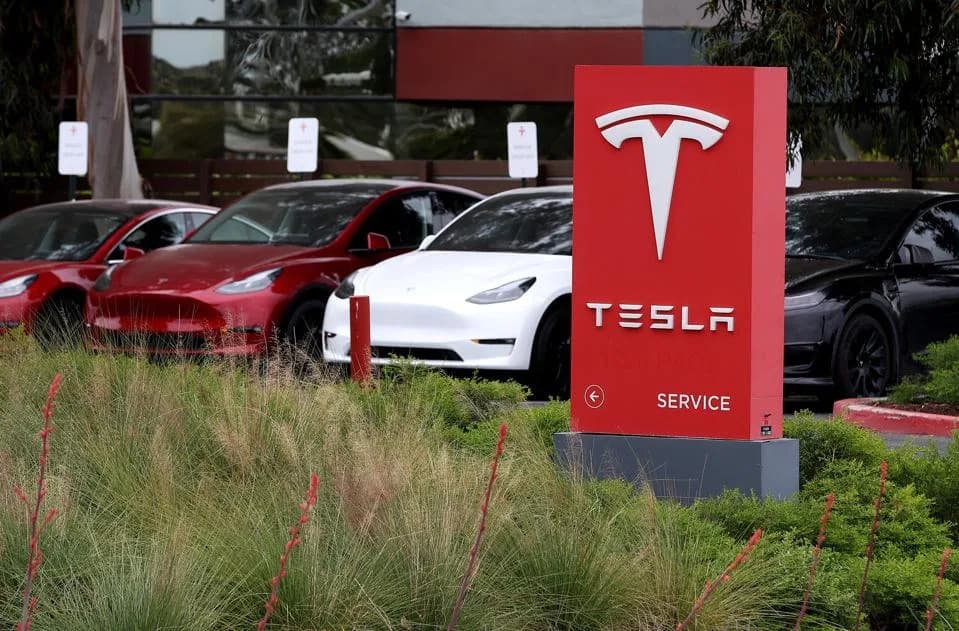
FREMONT, CALIFORNIA - APRIL 24: Tesla cars sit parked in a lot at a Tesla service facility on April 24, 2024 in Fremont, California. Electric car maker Tesla announced plans to lay off nearly 3,000 workers at facilities in the San Francisco Bay Area in June. The company plans to lay off 10 percent of its 140,000 thousand employees worldwide. (Photo by Justin Sullivan/Getty Images)Getty Images
A closely watched racial-discrimination trial in California has turned one of the nation’s most offensive slurs into a legal debate about language, context and workplace responsibility. The California Civil Rights Department (CCRD) alleges that Black employees at Tesla’s Fremont factory endured years of racial harassment, unequal treatment and retaliation.
Defense Says Context Matters
During opening arguments, Tesla attorney Tyree P. Jones Jr. urged the court to consider cultural nuance, telling the judge that within portions of the Black community the N-word can sometimes function as a "term of respect and endearment."
“The N-word is not on trial here,” the attorney said.His argument frames an issue central to the case: when, if ever, does cultural usage excuse or explain language that many find deeply offensive?
Allegations From The State
The CCRD filed suit in 2022 after roughly a three-year probe. The agency alleges persistent racial epithets, racist graffiti in shared workplace areas, and repeated references to Black workers as "slaves" while the facility was called a "plantation." The complaint also alleges that Black employees were concentrated in more physically demanding jobs and faced disparities in pay and promotion opportunities.
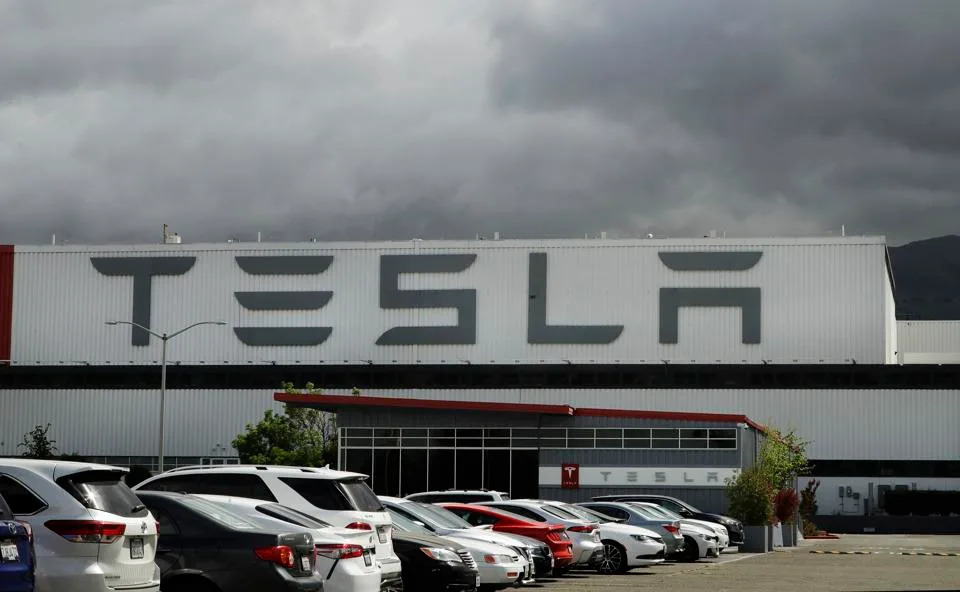
FILE - Vehicles are parked outside the Tesla plant, in Fremont, Calif., on May 12, 2020. California sued Tesla Inc. on Wednesday, Feb. 9, 2022, over allegations of discrimination and harassment of Black employees at its San Francisco Bay area factory. (AP Photo/Ben Margot, File)
The CCRD cites an analysis showing that, between June 2018 and June 2024, Black employees at the Fremont facility earned about $1,533 less per month than white employees. The suit focuses not merely on whether the slur was used but on who used it, the way it was used, whether targeted employees considered it harassment, and how management responded when complaints were made.
Witness Testimony And Company Response
Former Tesla security manager Nadia Clark, a Black employee, testified that a white colleague repeatedly used the N-word toward her and that she reported the incidents to human resources before ultimately leaving Tesla. The CCRD also alleges episodes of retaliation after employees raised concerns.
Tesla denies systemic wrongdoing, saying it disciplines or fires employees who engage in racial harassment and contending the lawsuit mischaracterizes conditions at the plant. The company’s defense emphasizes cultural context and disputes aspects of the state’s characterization of workplace culture.
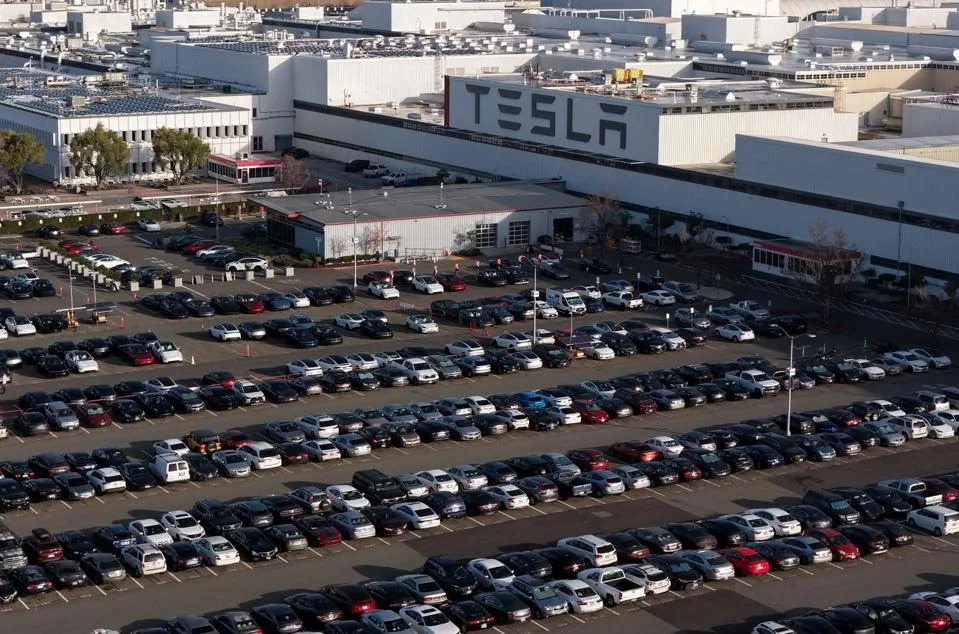
FREMONT, CALIFORNIA - JANUARY 29: An aerial view of the Tesla Fremont Factory on January 29, 2026 in San Rafael, California. Electric car maker Tesla announced plans to discontinue production of their popular Model S and Model X cars at the Fremont Factory and retool the facility to manufacture the Optimus Robot. Tesla hopes to produce one million of the robots per year once the factory is up and running. (Photo by Justin Sullivan/Getty Images)
Legal Context And Past Cases
The bench trial is before Alameda County Superior Court Judge Peter Borkon and is expected to continue through October 30. Because this is a bench trial, a judge — not a jury — will determine the facts and the law.
This is not the first high-profile racial-harassment dispute tied to the Fremont plant. Former employee Owen Diaz won a $137 million jury verdict in an earlier case that was subsequently reduced; a second trial produced a $3.2 million verdict, and Tesla and Diaz ultimately reached an undisclosed settlement in 2024.
What Leaders Should Watch
The case underscores an urgent operational challenge for employers: workplaces span generations, cultures and communities where the same word can carry radically different meanings depending on who speaks it and who hears it. While cultural reclamation of slurs occurs in music and private settings, workplaces — especially where power imbalances exist — are governed by legal duties to prevent harassment and to respond to complaints.
In practice, a term used affectionately among peers does not automatically become acceptable when used by someone outside that relationship or when it intersects with authority, supervision or retaliation. The court will decide whether Tesla violated California law. Regardless of the verdict, the trial is prompting organizations to reexamine how cultural expression collides with legal obligations and workplace dignity.
Originally published on Forbes.com.
Help us improve.