Kevin Finley was acquitted after Tesla dashcam footage showed police lights were visible only briefly and then obscured, supporting his claim that he did not see a signal to stop. Tesla’s multi-angle exterior camera array provided decisive evidence that a single forward-facing camera might have missed. While Elon Musk framed the result as a product win, vehicle-recorded data are increasingly common in litigation and can help or hurt drivers and manufacturers alike. The case underscores the importance of saving and preserving in-car video as legal protection.
Tesla Dashcam Clears Florida Driver Arrested at Gunpoint — Multi‑Angle Footage Leads to Acquittal
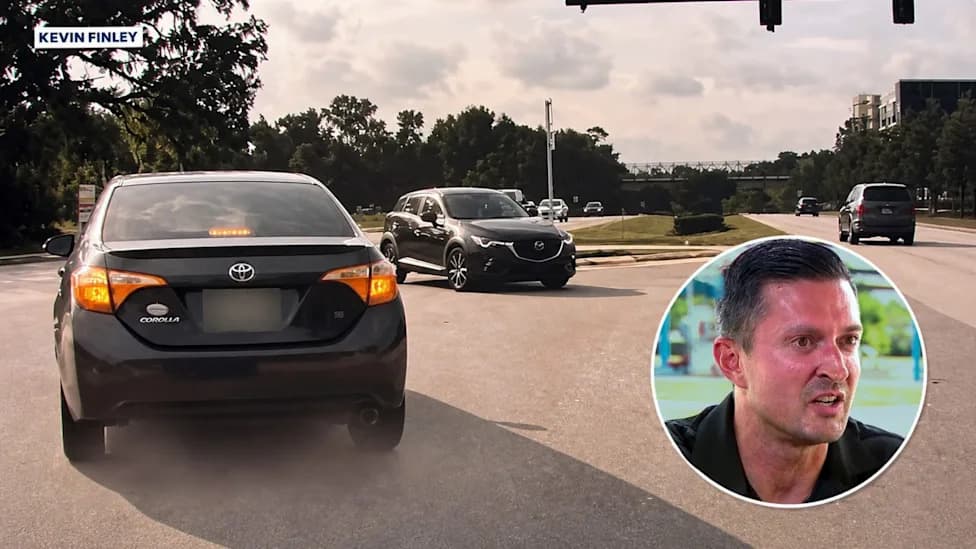
Image: Kevin Finley via FOX 35 Orlando
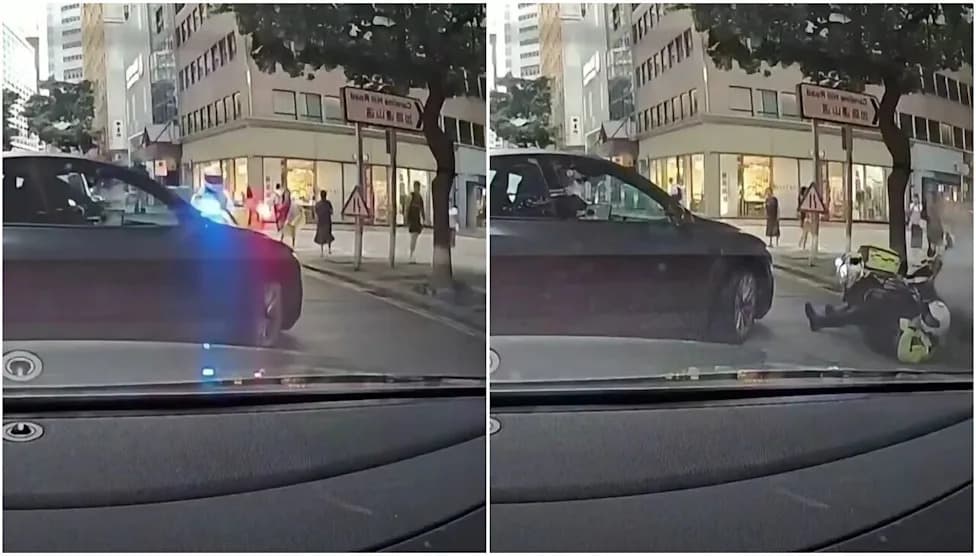
Kevin Finley, who was confronted at gunpoint in his own driveway, was acquitted after nearly two years of legal proceedings when Tesla dashcam footage showed police lights were visible only briefly and were soon obscured by road curvature and buildings. The multi-angle video, recorded by the car’s exterior camera array, corroborated Finley’s claim that he never saw a signal to stop.
An officer in Winter Springs, Florida, concluded that Finley deliberately ignored emergency lights from an unmarked police vehicle and drove home, which prompted officers to draw weapons in Finley’s driveway. Finley has consistently maintained he did not see the lights. The case did not reach a jury: a judge dismissed the charges after defense attorneys presented Tesla dashcam clips alongside police body-camera video.
Why the Dashcam Mattered
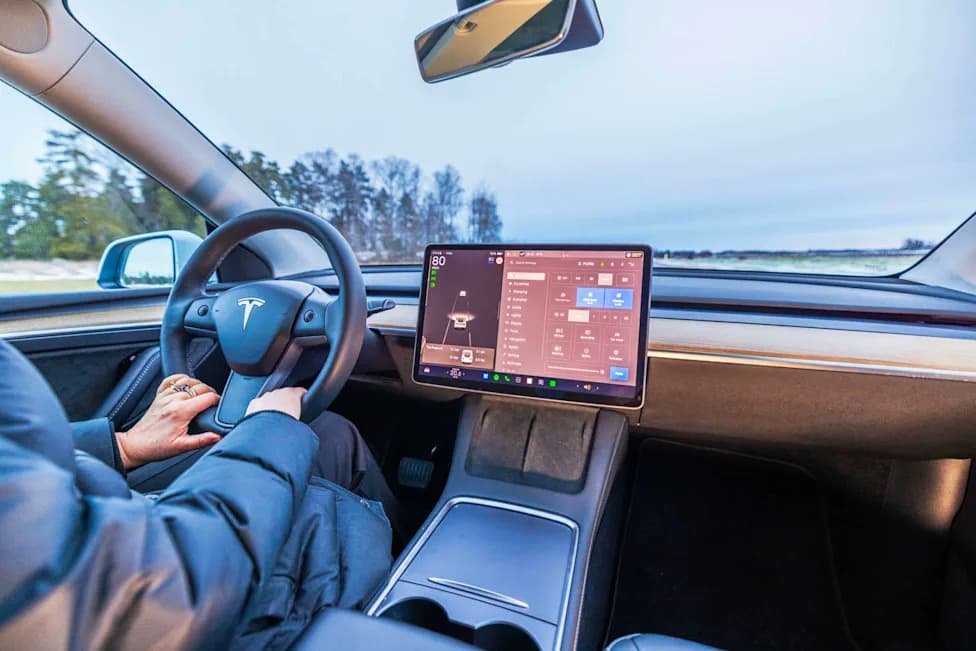
Tesla’s vehicles use a multi-camera exterior array primarily built for Autopilot and driver-assist features. The same sensors power the vehicle’s dashcam function, which records continuously to a user-supplied USB drive and saves clips manually or when triggered by certain events. Unlike a single forward-facing aftermarket camera, Tesla’s setup captures several angles simultaneously, offering a fuller picture of what the driver could actually see.
In Finley’s case, the Tesla footage showed the officer’s emergency lights were briefly visible and then blocked by road curves and nearby structures — evidence that directly supported the defense and undermined the prosecution’s claim that Finley intentionally fled a stop.
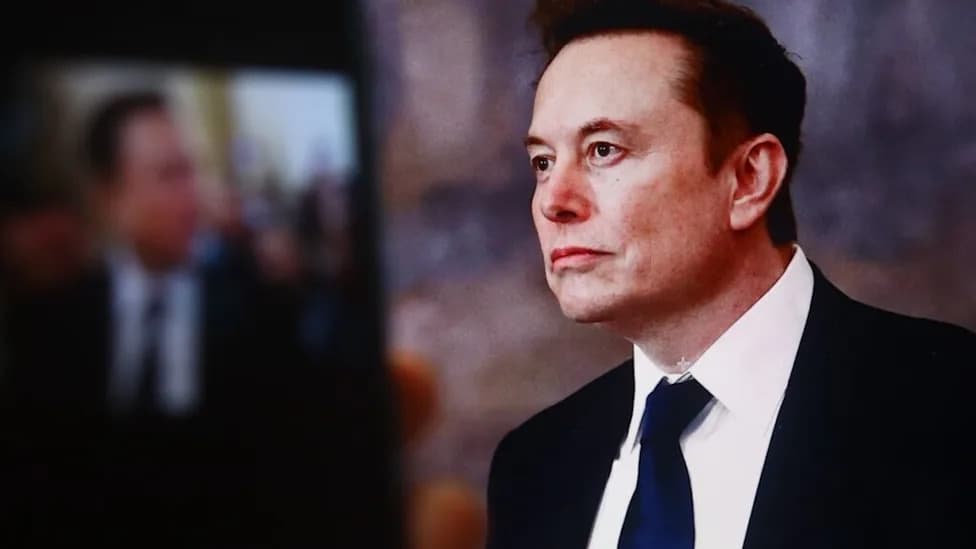
Elon Musk on X: "A Tesla saves its owner from prison!"
Broader Legal Context
While this instance benefited the driver, vehicle-generated video and telemetry are becoming routine in courts and can cut either way. In a separate Florida wrongful-death trial, a jury found a Tesla 33% liable and awarded $243 million after an Autopilot-equipped Model S struck a parked vehicle. That verdict was upheld by a federal judge in February 2026.
That case also involved disputed data access: Tesla initially said key Autopilot snapshot data were missing. A third party later extracted the data from the car’s computer, and records indicated Tesla had received matching data on its servers at the time of the crash, which intensified scrutiny over how manufacturers store and share vehicle data.
What Drivers Should Know
The contrast between Finley’s outcome and the Autopilot litigation illustrates two simple truths: control and preservation of footage matter, and vehicle-captured data are powerful legal evidence. Drivers who understand how to enable, save, and preserve dashcam clips can secure critical protections in disputes with law enforcement, insurers, or in civil suits.
Practical tips: keep a reliable USB drive formatted per your vehicle maker’s recommendations, back up important clips to offline storage, and document the date and time of incidents. If footage may be relevant to a legal case, consult an attorney before deleting or sharing it widely.
Help us improve.