Black social media users have called for a Tesla boycott after a California lawsuit alleges pervasive racial harassment and discrimination at Tesla's Fremont factory. The bench trial opened Sept. 21 in Alameda County and centers on allegations of racist graffiti, frequent slurs, pay disparities and retaliation. Tesla's courtroom defense — urging judges to consider context when Black employees use the N-word among themselves — provoked strong online backlash. The state says Black workers earned about $1,533 less per month (June 2018–June 2024) and sometimes heard slurs dozens of times a day.
Calls Grow For Tesla Boycott As Racism Trial Highlights Allegations From Fremont Factory
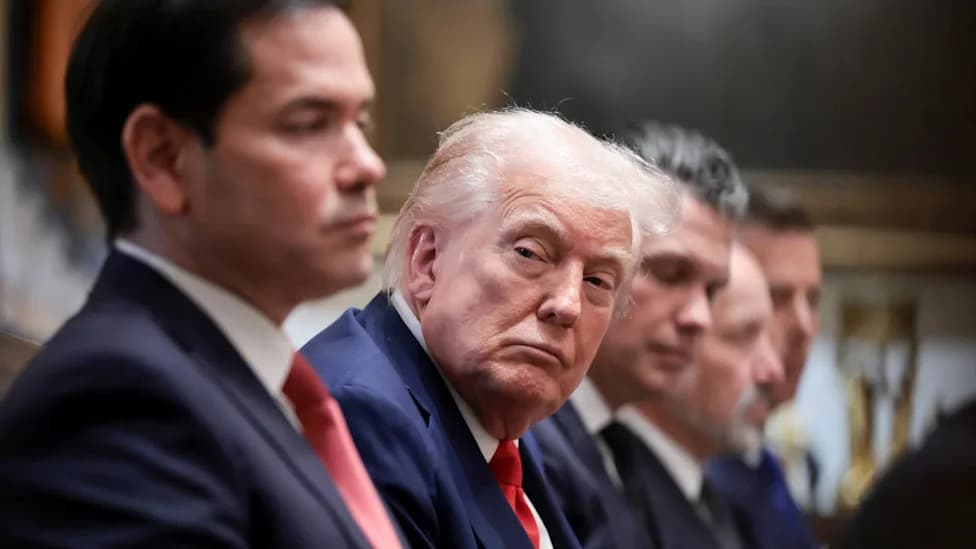
Photo by Andrew Harnik/Getty Images
Black social media users and civil-rights advocates have intensified calls to boycott Tesla after a high-profile California lawsuit accused the automaker of pervasive racial harassment, discrimination and retaliation at its Fremont factory.
The California Civil Rights Department sued Tesla in 2022. The agency alleges that Black workers at the Fremont plant were repeatedly subjected to racist graffiti, frequent use of racial slurs, unequal pay and limited advancement opportunities — and that complaints were sometimes met with inadequate responses or retaliation.
Bench Trial Opens In Alameda County
The bench trial began Sept. 21 in Alameda County Superior Court before Judge Peter Borkon and is expected to continue through October. Unlike a jury trial, the judge will determine the facts and any remedies. California attorney Brett Watson opened the state's case by presenting photographs of graffiti found across the plant — including the N-word, swastikas, a Confederate flag and other white-supremacist symbols — and by describing testimony that racial epithets were heard frequently on the shop floor.
Allegations And Evidence
The state presented multiple allegations and data points during opening statements:
- Photographs of racist graffiti and symbolic imagery were reportedly found in bathrooms, lockers, lunch areas and other workplace spaces.
- One worker told investigators they heard racial slurs an estimated 50 to 100 times a day.
- Employees reportedly referred to the facility as "the plantation" and "the slaveship," according to evidence the state cited.
- A review of Tesla pay data from June 2018 through June 2024, the agency says, shows Black workers earned on average $1,533 less per month than white workers.
- The state alleges Black employees were disproportionately assigned to more physically demanding, lower-level roles and faced unequal discipline, termination or fewer advancement opportunities.
Tesla's Defense And Social Backlash
Tesla denies the allegations and says it opposes discrimination and harassment. During opening arguments, Tesla attorney Tyree Jones — who is Black — urged the court to consider context when evaluating use of the N-word, arguing there can be a legal distinction between a white person directing the slur at a Black colleague and Black employees using the term among themselves in a different context.
"There is a contextual difference in how some Black people use certain language among themselves," Tesla attorney Tyree Jones said in opening remarks, according to reporting.
The courtroom strategy quickly became a flashpoint online. Viral comments on social platforms — including an Instagram remark that drew thousands of likes asking why people still buy Teslas — helped focus public attention on the case and prompted calls for consumer boycotts among some Black social-media users.
Broader Questions About Workplace Culture And Accountability
Legal experts and advocates say the trial is about whether Tesla allowed a hostile work environment to persist, not solely about one word or isolated incidents. The state's theory ties together graffiti, repeated slurs, pay disparities and alleged retaliation to argue for systemic problems at the plant.
As the proceedings continue, the case is likely to keep prompting debates about corporate accountability, workplace culture in manufacturing, and how consumers respond to allegations about company practices.
Tesla's Statement: The company has denied the claims and reiterated that it does not tolerate discrimination; trial testimony and evidence will be critical to resolving the dispute.
Help us improve.