Leaked AGIG lobbying material urged Victoria to reverse a planned ban on gas hookups in new buildings, claiming household gas bills would rise about $100 a year, a figure the paper did not substantiate. The Victorian government says all-electric homes could save roughly $880 annually, or about $1,820 with solar. Experts and environment groups called the briefing a "scare campaign" and disputed the claim that remaining gas customers would inevitably face higher network charges. The debate mirrors wider international fights over electrification, energy costs and fossil-fuel infrastructure.
Leaked AGIG Brief Urges Victoria To Reverse New-Home Gas Ban, Claims $100 Annual Rise — Critics Call It A 'Scare Campaign'
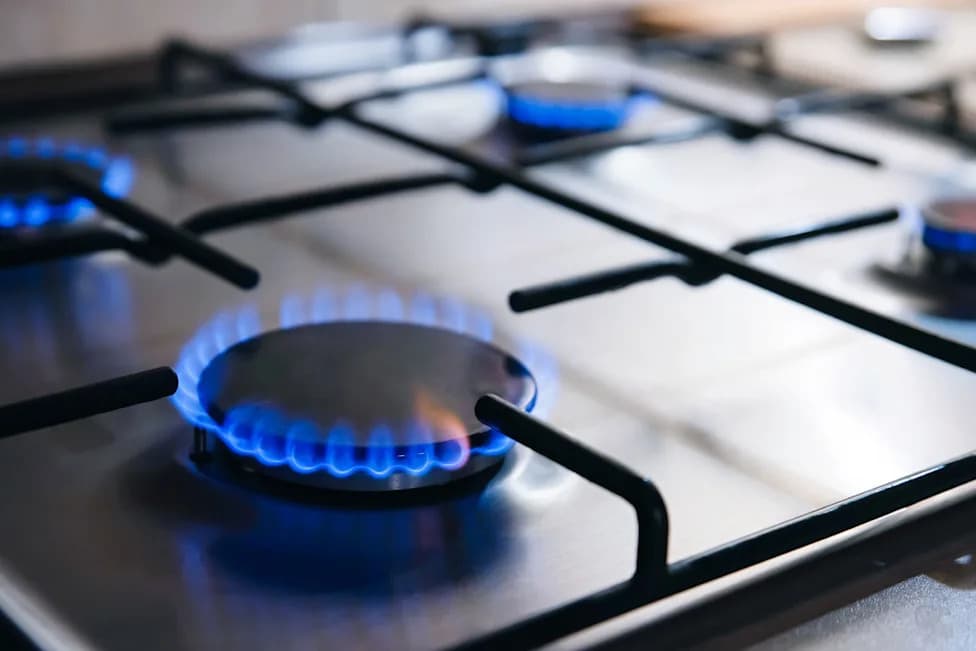
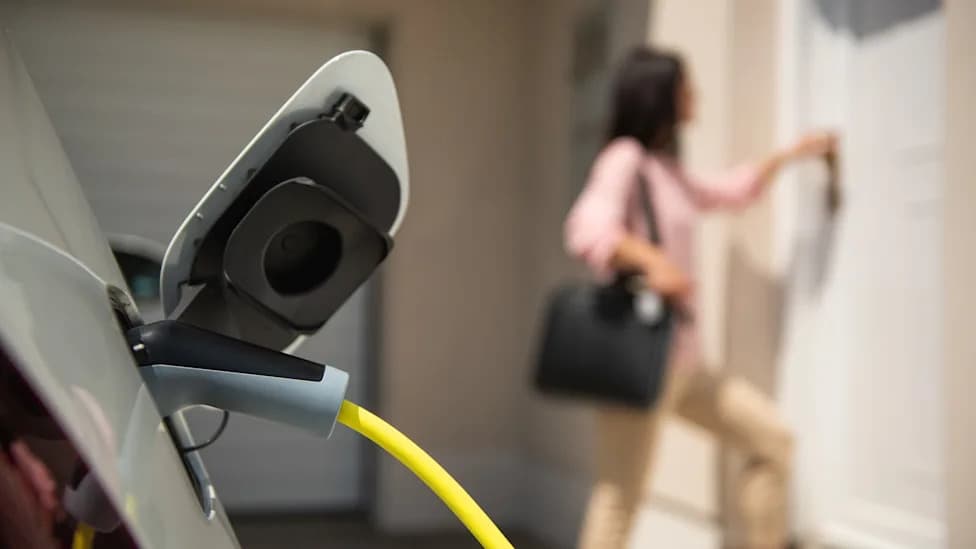
Photo Credit: iStock
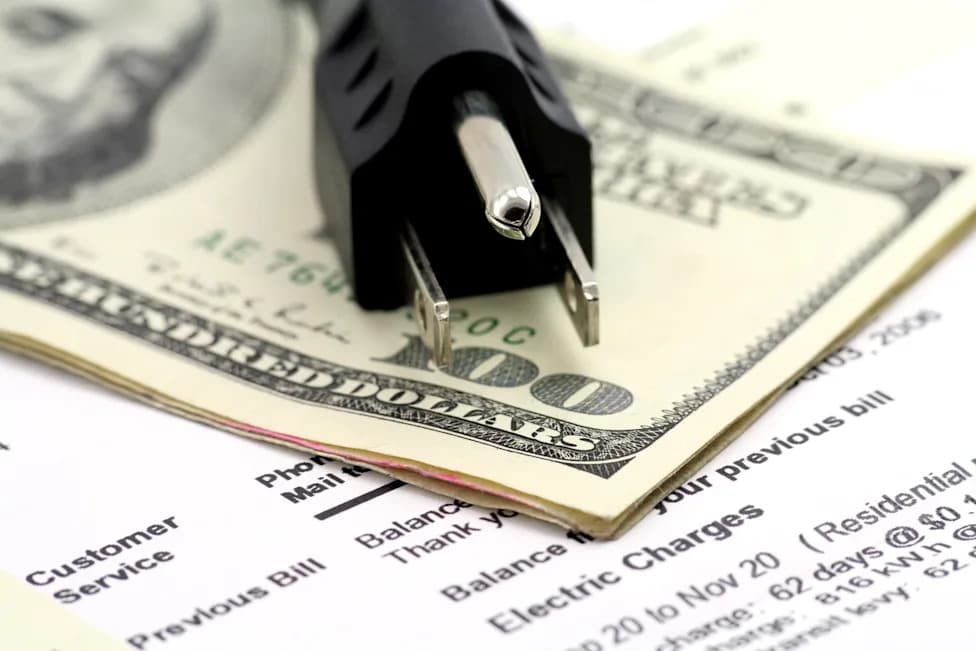
Leaked lobbying material from the Australian Gas Infrastructure Group (AGIG) has intensified the debate over Victoria's planned ban on new gas hookups, alleging household gas costs would rise by about $100 a year if the policy proceeds. Guardian Australia reported the briefing did not provide evidence supporting that figure.
What The Brief Claims
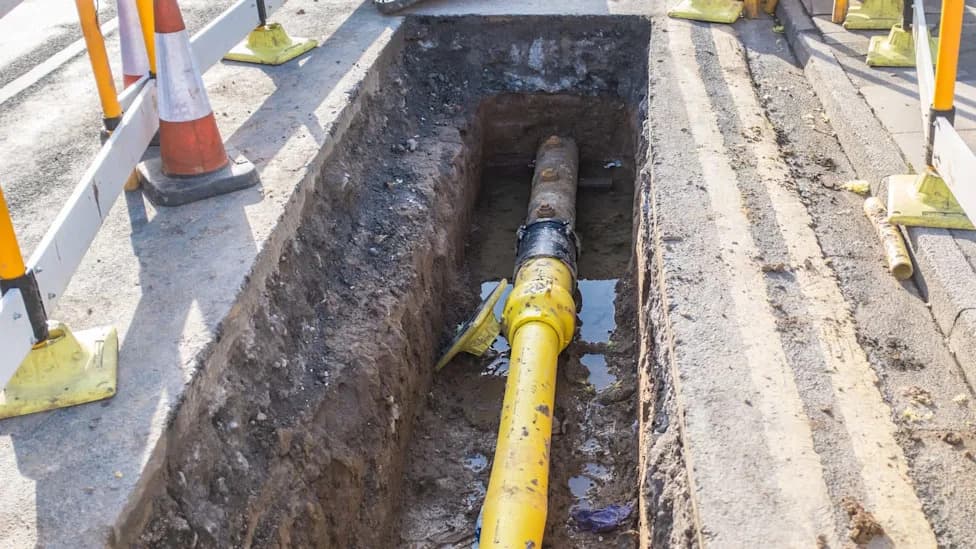
The note, circulated to ministers ahead of rules due to take effect on Jan. 1 that would stop gas-network connections for new homes and many commercial buildings, warned that falling demand could push remaining gas customers onto higher network charges.
Government And Independent Responses
The Victorian government rejects the lobby group’s conclusion. Officials say switching to all-electric new homes could reduce household energy costs by roughly $880 a year, or about $1,820 a year when combined with rooftop solar.
"We’ve always said gas is part of our energy transition — but the reality is legacy supplies from Victoria’s Bass Strait are dwindling, and prices are going up," said Energy and Resources Minister Jaclyn Symes.
Tony Wood, senior fellow on energy and climate change at the Grattan Institute, described the network-cost argument as unconvincing: "I do not understand why there would be any price increases." Environment groups called the document a political "scare campaign." Jonathan La Nauze, CEO of Environment Victoria, said the briefing showed a "sophisticated campaign" targeting policy makers.
Who Stands To Lose Or Gain
AGIG owns major gas transmission and distribution assets in Victoria and is backed by a Hong Kong-led consortium. Fewer new gas connections could reduce future demand and therefore affect its business, which helps explain its motive for lobbying against the ban.
Francis Vierboom, CEO of the nonprofit Rewiring Australia, accused AGIG of effectively doing the department's homework for it, implying the group was attempting to shape official analysis and public perception.
Broader Context
The dispute in Victoria echoes international battles over building electrification and consumer energy costs, including Los Angeles' all-electric building rules and U.S. legal and political fights over gas infrastructure and methane regulation. Across Australia, higher connection fees are already dissuading some households from choosing gas in new builds.
Health And Environmental Costs
Public-health experts note that burning coal and gas carries external costs beyond household bills: air and water pollution from fossil fuels is linked to asthma, heart disease, cancer and premature death, and can keep energy prices higher than cleaner alternatives such as solar and wind.
Takeaway
The leaked AGIG briefing has sharpened the political contest over Victoria's gas rules. While the lobby paper warns of small household price rises, the government and independent experts argue electrification and solar offer substantial savings and that claims of unavoidable network-cost increases lack clear evidence.
Help us improve.