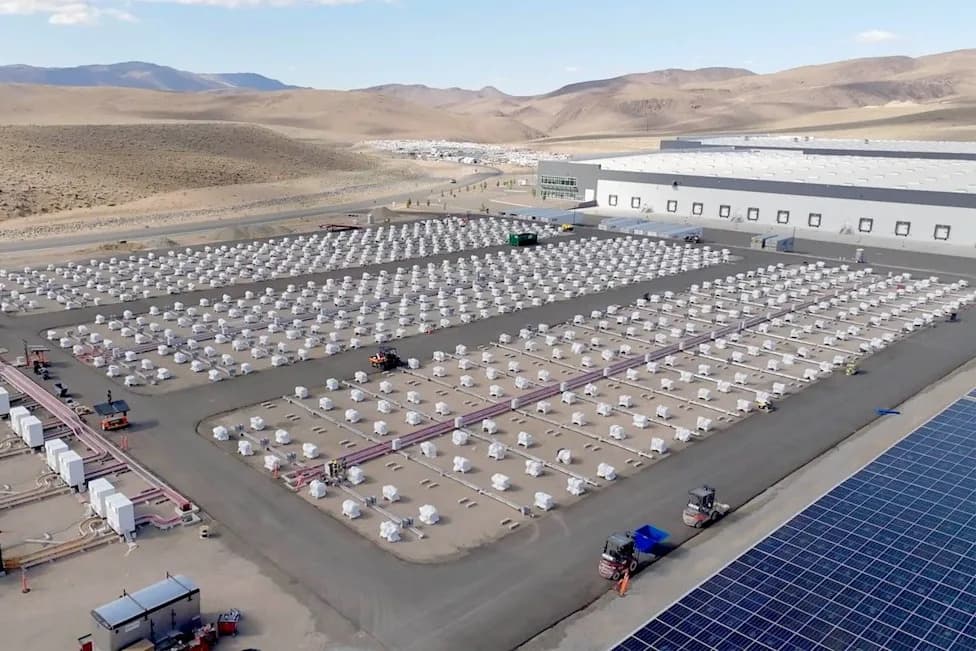
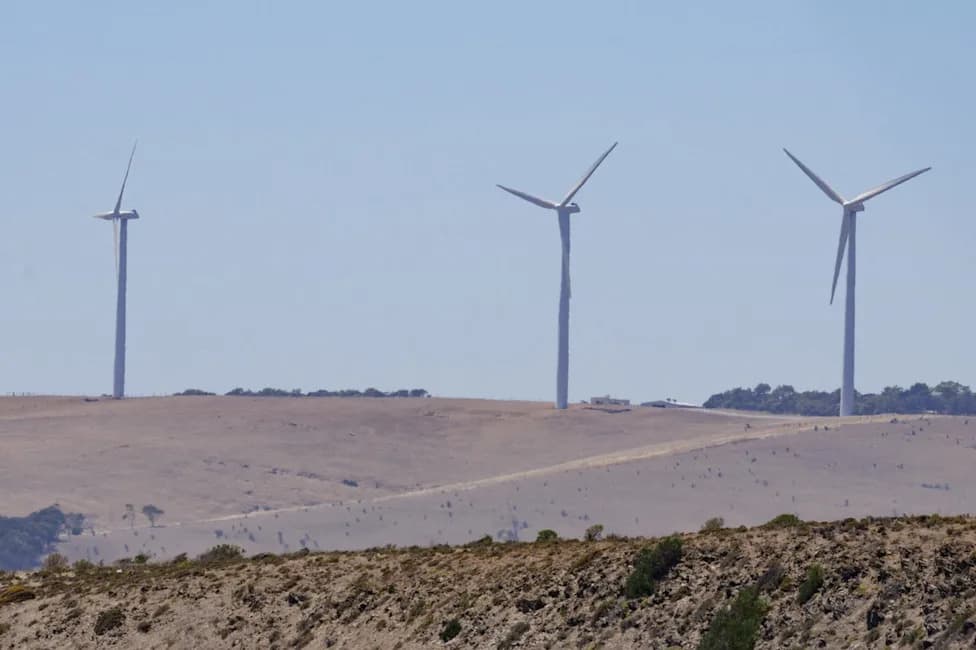
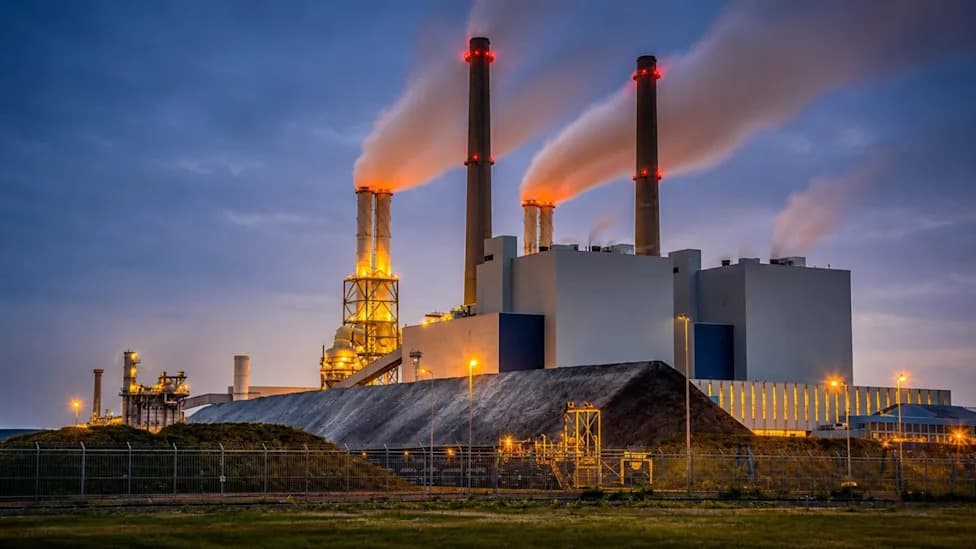
A new ANU study finds batteries combined with long-duration pumped hydro can replace planned gas-fired generation in Australia without increasing system costs. Researchers reviewed 17 long-term plans and concluded modelling choices — not technological limits — have driven assumptions in favour of gas. The paper highlights off-river pumped hydro and improved storage cycling as underused options that could enable a reliable, low-cost, zero-emissions grid.
ANU Study: Batteries and Pumped Hydro Can Replace Gas Without Raising Costs
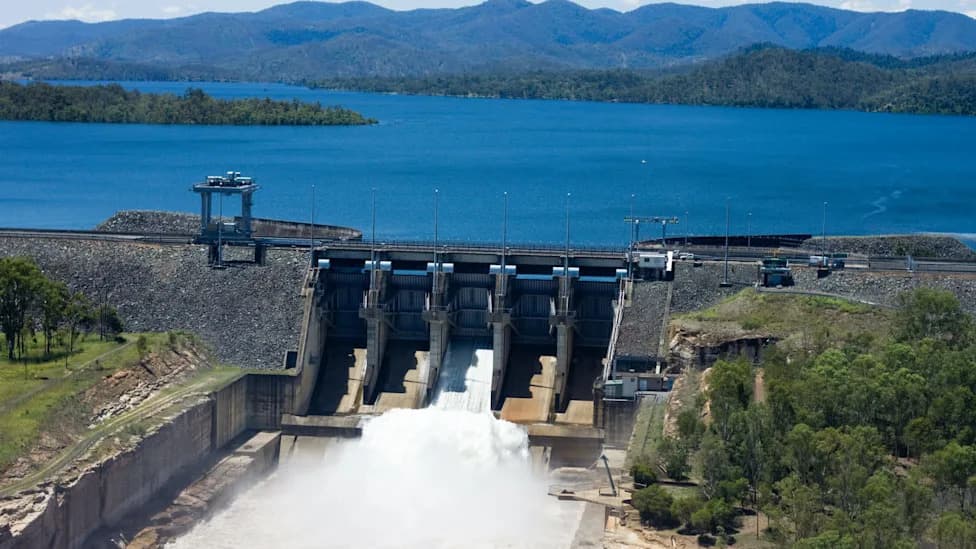
Photo Credit: iStock
A new analysis from the Australian National University (ANU) suggests Australia could phase out new gas-fired generation and still maintain a reliable, low-cost electricity system by pairing batteries with long-duration pumped hydro storage.
Study Overview
The paper, published in Cell Reports Physical Science, examined the National Electricity Market (NEM) and reviewed 17 institutional long-term energy plans. Lead author Timothy Weber (ANU Center for Energy Systems) found many plans lean toward gas because of restrictive modelling assumptions that limit storage cycling, ignore the potential of off-river pumped hydro, and exclude near-optimal transition pathways.
Key Finding: No Extra Cost for a Storage-First Grid
Using their own planning model, the researchers conclude that a combination of batteries and long-duration pumped hydro can provide the same grid-balancing functions as gas turbines without increasing total system costs. In other words, Australia could preserve reliability while cutting emissions and avoiding further fossil-fuel infrastructure buildout.
How Pumped Hydro and Batteries Work Together
Pumped hydro stores energy by moving water uphill when electricity is abundant and releasing it through turbines when demand rises. Paired with batteries, which handle short-term variability, this mix smooths the natural fluctuations of solar and wind generation and increases grid flexibility without emissions from burning gas.
Climate and Market Benefits
Professor Kylie Catchpole cautioned that gas may be less climate-friendly than commonly assumed, noting that methane leakage can substantially increase its overall warming effect. Replacing gas with storage could also reduce price volatility tied to fossil fuels and cut pollution that drives extreme heat and other climate impacts.
"There are currently no commercial gas-powered generators operating with carbon capture and storage anywhere in the world. It makes more sense for Australia to develop 100% renewable electricity systems balanced by pumped hydro and batteries," Catchpole said.
Implications for Energy Planning
The authors argue the main barrier to a storage-first transition is not technology availability but planning assumptions. With improved modelling that allows more realistic storage cycling and recognises off-river pumped hydro potential, energy planners could better utilise existing storage and identify feasible pumped-hydro sites.
Context and Related Developments
Other reporting highlights a broader global trend: storage costs are falling and enabling faster deployment of wind and solar. Examples cited in related coverage include a former coal mine in Kentucky being converted to a large pumped-storage project, IRENA’s estimate that solar costs have declined roughly 90% since 2010, and guides noting rooftop solar prices depend on equipment, labour, incentives and financing.
Overall, the ANU study offers evidence that cleaner, reliable, and affordable electricity systems are feasible today, if planning and modelling better reflect the capabilities of storage technologies.
Help us improve.