Virginia has rejoined the 11-state Regional Greenhouse Gas Initiative (RGGI). The first auction since its return saw allowance prices jump to $37.65 from $14.88, generating about $259 million for the state. Dominion Energy is seeking a roughly $13 monthly charge for a typical household — up from about $4.40 — to cover higher allowance costs. The state also reshaped revenue allocation to prioritize 45% for customer rebates, raising concerns about reduced funding for flood resilience in vulnerable areas like Hampton Roads.
Virginia Rejoins RGGI as Carbon Prices Surge — Utilities Seek $13 Monthly Surcharge
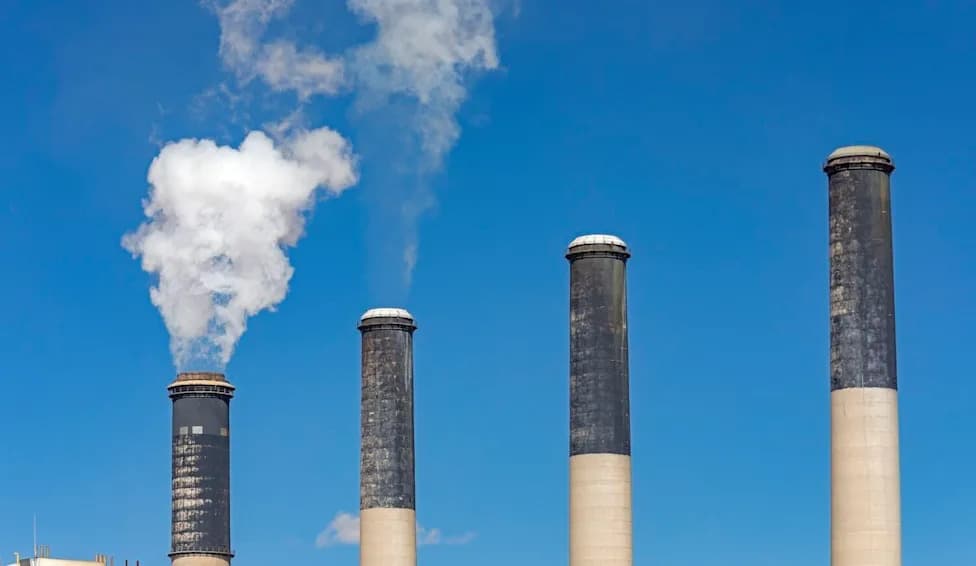
Photo Credit: iStock
Virginia has officially rejoined the 11-state Regional Greenhouse Gas Initiative (RGGI), and the first auction since the state's return produced a sharp jump in allowance prices that could affect electricity bills and funding for climate and resilience programs.
Allowances in the first post-return auction sold for $37.65 each — more than double the $14.88 price recorded at the last auction before Virginia left RGGI. That auction generated about $259 million for the state, according to The Virginian-Pilot.
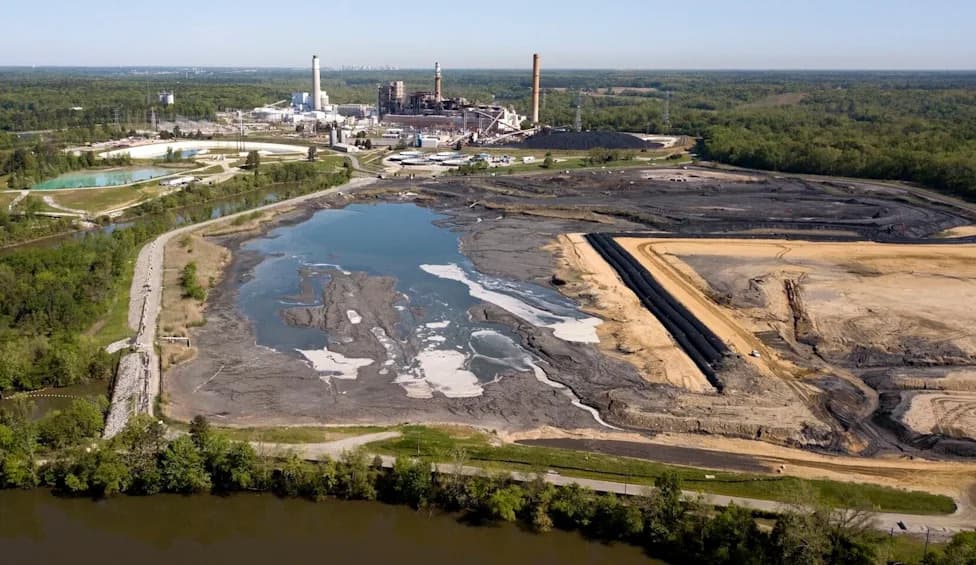
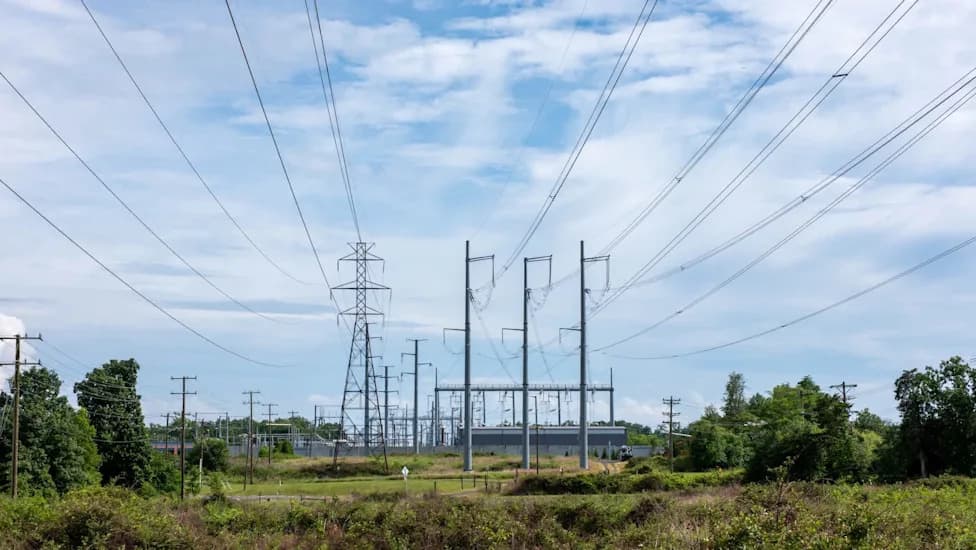
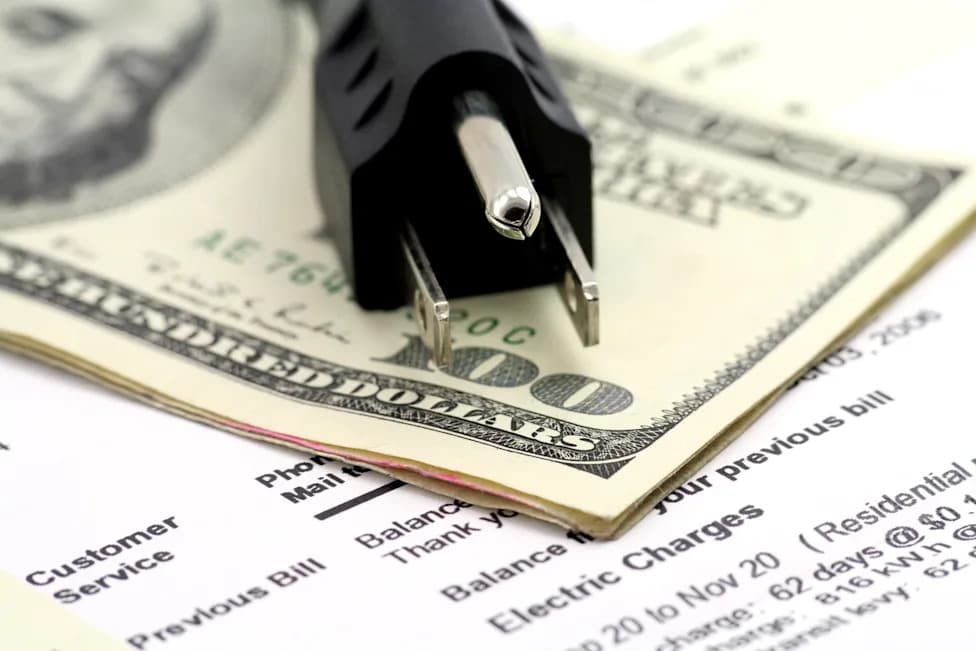
Under RGGI rules, power plants must purchase an allowance for every metric ton of carbon dioxide they emit. Utilities such as Dominion Energy can recover those allowance costs from customers. Dominion has asked state regulators to add roughly a $13 monthly surcharge for a typical residential customer to cover higher allowance expenses — up from about $4.40 per month before Virginia exited the program.
“I think the people who designed this 15, 20 years ago knew the price was going to go up,” said Steve Haner, senior fellow for energy and the environment at the Thomas Jefferson Institute for Public Policy.
William Shobe, director emeritus of the University of Virginia’s Center for Economic & Policy Studies, noted that allowance prices have averaged roughly 14% annual growth since 2012 and are expected to continue rising as the regional emissions cap tightens through 2033.
Changes to Revenue Allocation
Virginia also revised how it will allocate RGGI proceeds. Previously, approximately 50% of revenue supported low-income energy-efficiency programs and about 45% was directed at flood preparedness, with the remaining share used for other state priorities. Under the new plan, 45% of proceeds are earmarked for direct customer rebates, and the remainder will be split between flood resiliency and low-income programs. Some environmental and local advocates warn that reducing the flood-preparedness share could slow needed projects in vulnerable regions such as Hampton Roads.
Not all ratepayers will receive equal relief: industrial and large retail customers are excluded from the rebate program. That exclusion, observers say, could prompt some businesses to pass higher utility costs onto consumers through higher prices for goods and services.
“Businesses just pass along their costs to the extent they can,” Haner said. “Kroger's not going to get a rebate, Walmart's not going to get a rebate. Your small doctor's office might, but the hospital's not.”
Broader Context
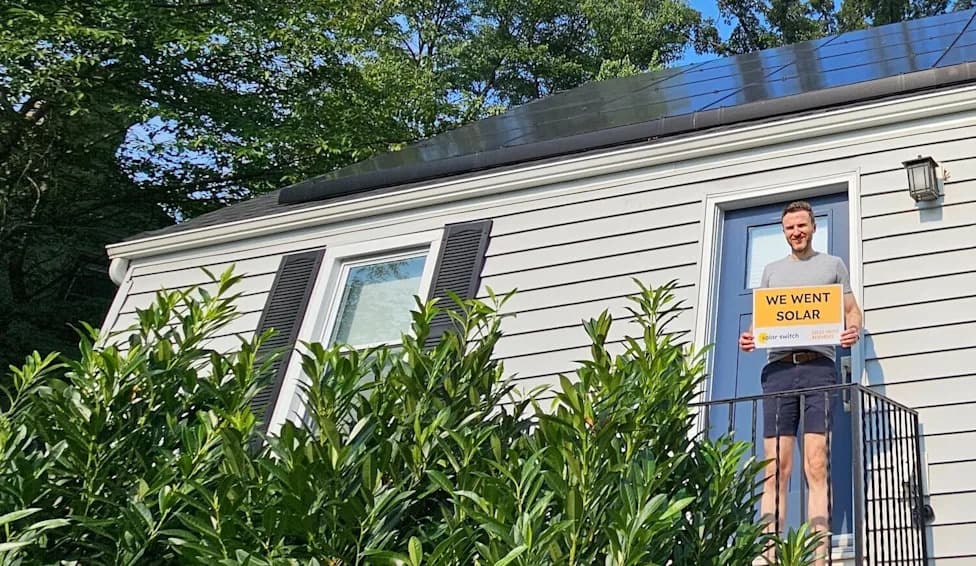
Virginia’s return to RGGI feeds into a wider national conversation about how state-level energy policy shapes electricity prices and the pace of decarbonization. Recent trends include expanded state solar procurement programs, accelerated adoption of rooftop solar, and rising energy storage installations as utilities prepare for shifting demand patterns. Some regions, notably parts of California, have seen lower consumer bills alongside growth in clean generation, illustrating the complex trade-offs in energy policy and market design.
What to watch next: regulator decisions on Dominion’s surcharge request, the practical rollout of rebate payments, and whether allowance prices continue their upward trajectory as caps decline toward 2033.
Help us improve.