Australian households set new records in H1 2026: 180,878 rooftop solar installs (+35% YoY) and 276,011 home battery installs (+52% YoY). The Cheaper Home Batteries Program was a central driver, delivering 457,439 first‑year installs and 12.9 GWh of storage. Policymakers and industry are now pushing virtual power plants, flexible tariffs and vehicle‑to‑grid tech to monetise stored energy and ease pressure on networks.
Rebate-Fueled Battery Boom Overtakes Rooftop Solar in Australia — Record Installs in H1 2026

Photo Credit: iStock
Australian households are driving a faster-than-expected clean-energy transition, with home battery adoption now outpacing rooftop solar as federal rebates spur record installations, Renew Economy reported using data from the Clean Energy Council.
Record Growth in H1 2026
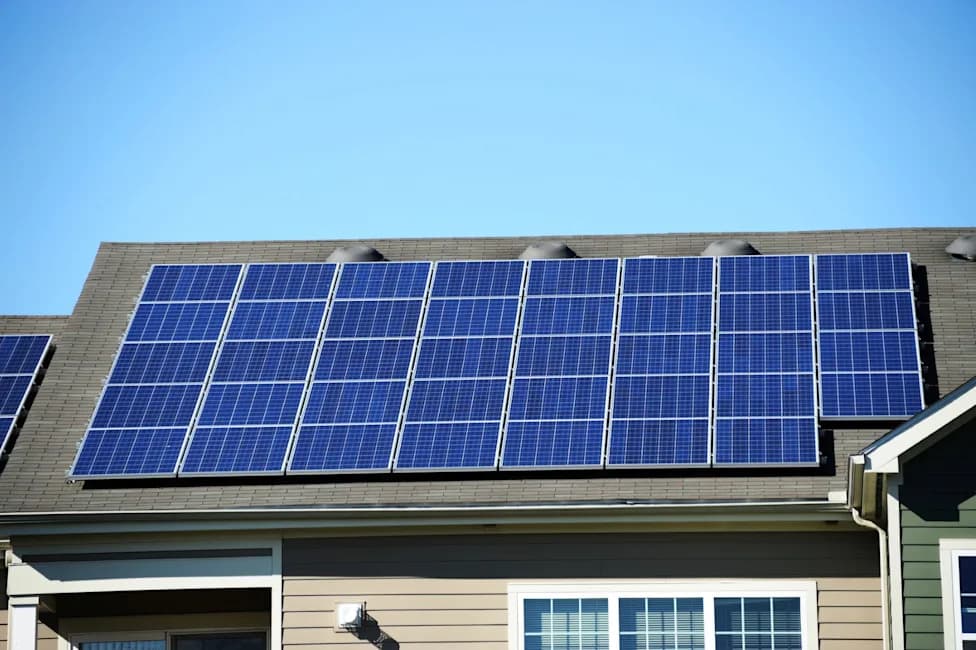
In the six months through June 2026, Australian households installed 180,878 rooftop solar systems (up 35% year‑on‑year) and 276,011 home batteries (up 52% year‑on‑year). Battery uptake is now higher on a per‑system basis: the market saw 153 battery installs for every 100 rooftop solar systems.
By late June 2026, rooftop solar was present in roughly one in 2.5 homes, while batteries were installed in about one in seven homes.
Capacity, Quarterly Records and Long-Term Impact
New rooftop systems added 1,894 MW of generation capacity in H1 2026 — 41% more than the same period in 2025 and the largest six‑month total on record. The June quarter alone set state‑by‑state records with 102,234 installations and 1,079 MW of new capacity.
Since January 2019 Australians have installed 21,979 MW of rooftop solar — a total approaching the nation's remaining operational coal‑fired generation capacity. As the Clean Energy Council observed, this demonstrates "the scale at which consumers have become the largest single builder of new generation capacity in the market."
How Rebates and Markets Are Driving Adoption
A major driver of the battery surge is the federal Cheaper Home Batteries Program. First‑year installs under the program reached 457,439 systems, delivering about 12.9 GWh of storage. The number of battery models approved for the rebate more than doubled, rising from 1,259 to 3,406.
Home batteries offer practical benefits: backup power during outages, the ability to store low‑cost solar for use when rates or demand are high, and a route toward greater self‑sufficiency when paired with rooftop PV. Manufacturers and service platforms — such as EnergySage (which partners with installers including Qmerit) and plug‑and‑play options like Pila — are cited as resources for homeowners comparing options and prices.
Policy, Markets and the Next Steps
The Clean Energy Council is encouraging broader household participation through virtual power plants (VPPs), flexible tariffs and emerging flexibility markets that can pay households to discharge stored energy at peak times, absorb excess solar and reduce local network stress. During H1 2026 the first vehicle‑to‑grid (V2G)‑capable chargers were approved, creating another path for electric vehicles to act like distributed storage.
The council is also conducting a Flexibility Value Study to identify policy and market reforms needed to unlock greater participation in flexibility services.
What This Means
Australia’s rapid adoption of home batteries, supported by rebates and an expanding supply of approved models, is reshaping the power system: consumers are not only adding capacity but also creating new opportunities to stabilise the grid and monetise stored energy. The coming years will likely see faster integration of VPPs, V2G, and tariff reforms to capture the value of distributed storage.
Help us improve.