The Yemeni government has launched limited military counterattacks and stepped up diplomacy after Houthi forces seized parts of the Red Sea coast. Government forces report capturing strategic heights in Taiz — Mount Qarafan and Mount Zalat — and repelling infiltrations near Kahboub, which overlooks the Bab al-Mandeb. The conflict has displaced about 132,000 people, roughly 75,000 in Taiz, according to the IOM. Yemen's UN delegation is seeking international support while analysts say the counterattacks remain localised.
Yemen Launches Military and Diplomatic Push to Reverse Houthi Coastal Gains
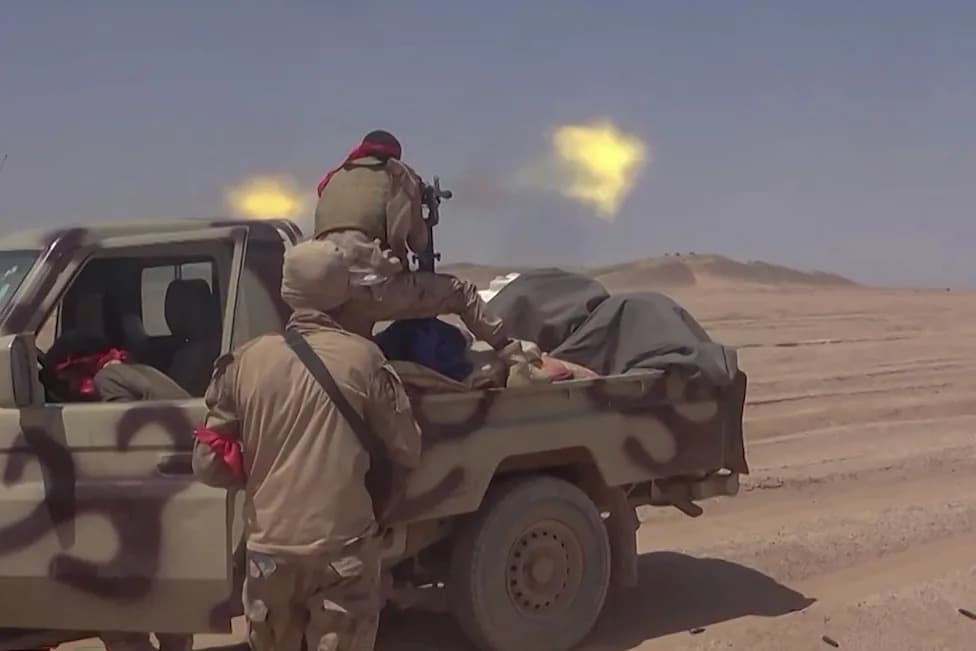
Fighters affiliated with the Yemeni government engaging in clashes with Houthis in al-Jawf province on September 15, 2026 [AFP]
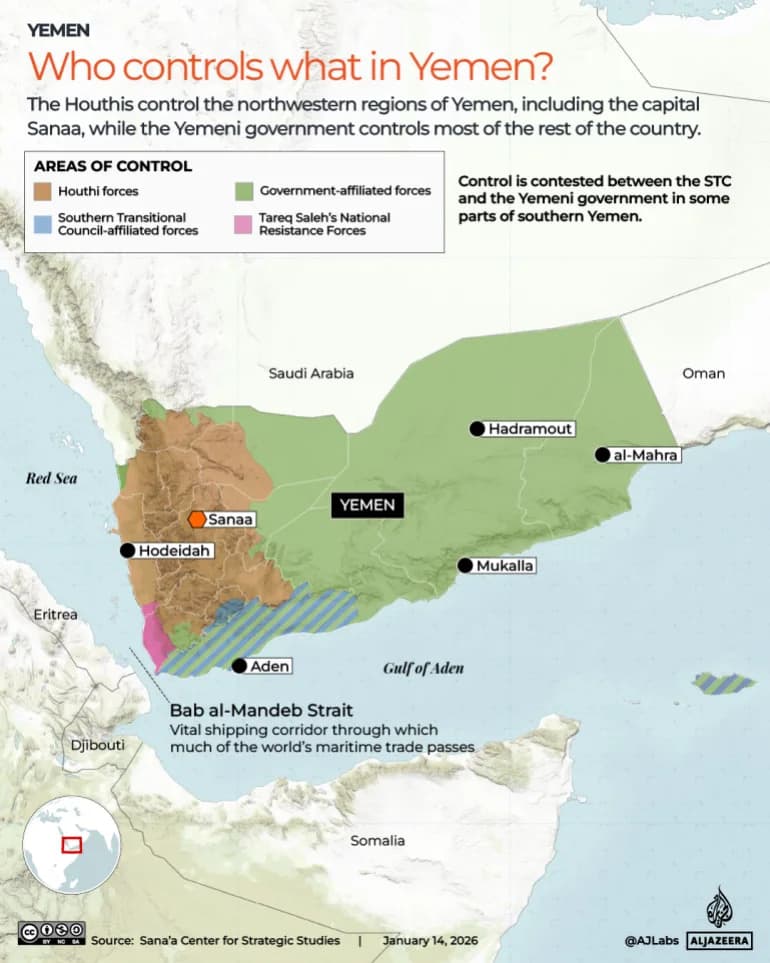
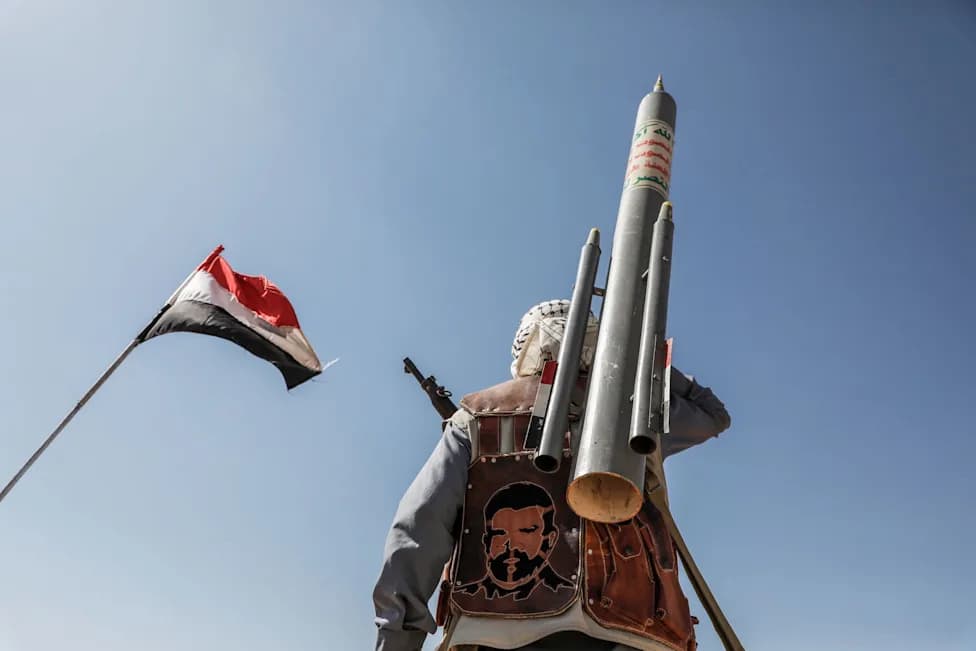
The Yemeni government, reeling after Houthi forces seized parts of the country's Red Sea coastline earlier this month, has launched a two-pronged effort — limited military counterattacks on the ground and intensified diplomatic outreach abroad — to halt the rebels' momentum and prevent further territorial consolidation.
Military Counterattacks
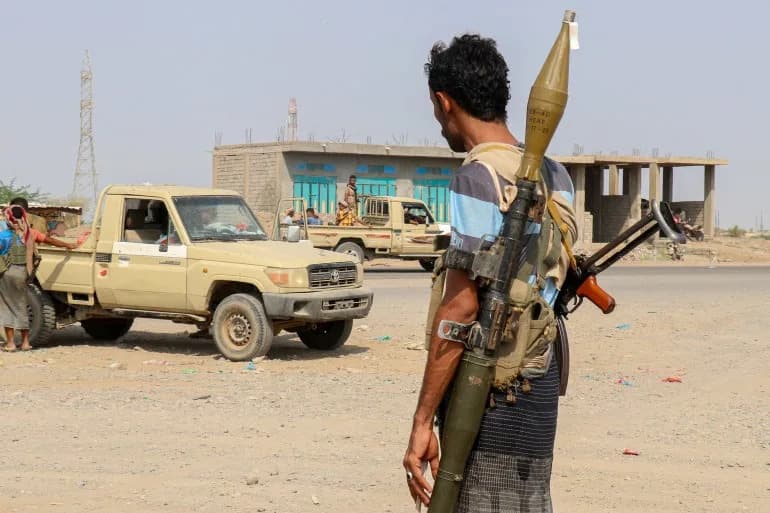
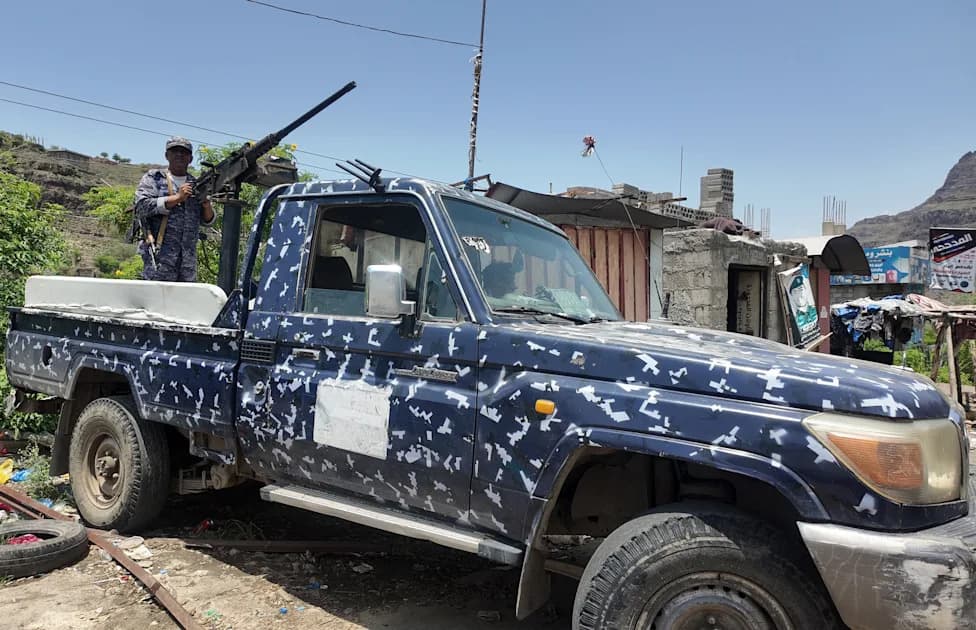
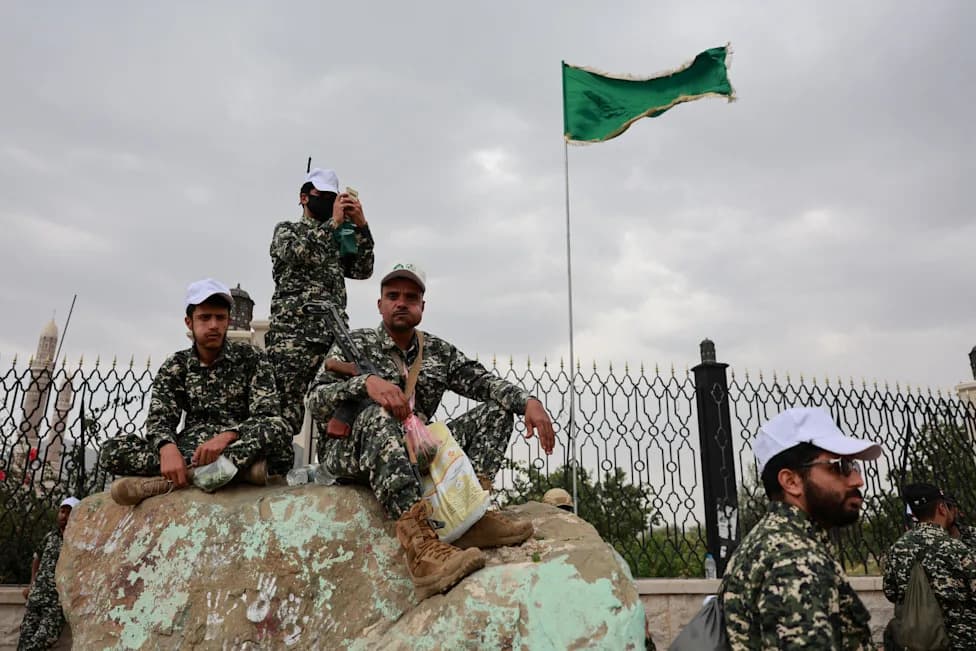
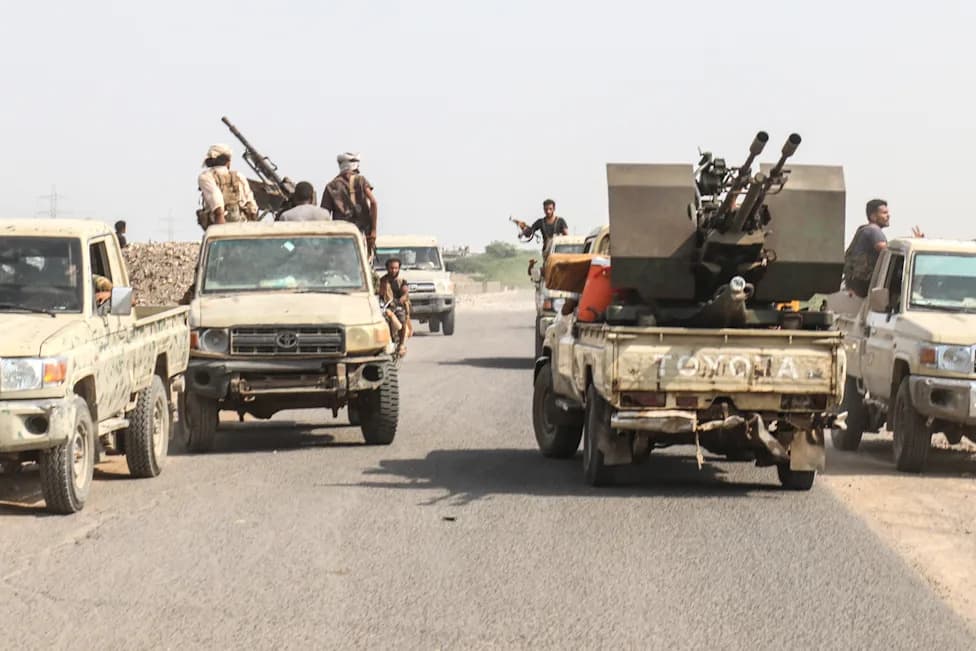
On Tuesday, Saudi-backed government units reported they captured the strategic Mount Qarafan in al-Shamayatayn, southern Taiz. Military officials said the operation left five Houthi fighters killed and 20 wounded. Pro-government Homeland Shield Forces (Quwat Dira' al-Watan) also said they repelled a Houthi infiltration attempt along the Kahboub front, which overlooks the Bab al-Mandeb strait, and reported seizing nearby Mount Zalat the same day.
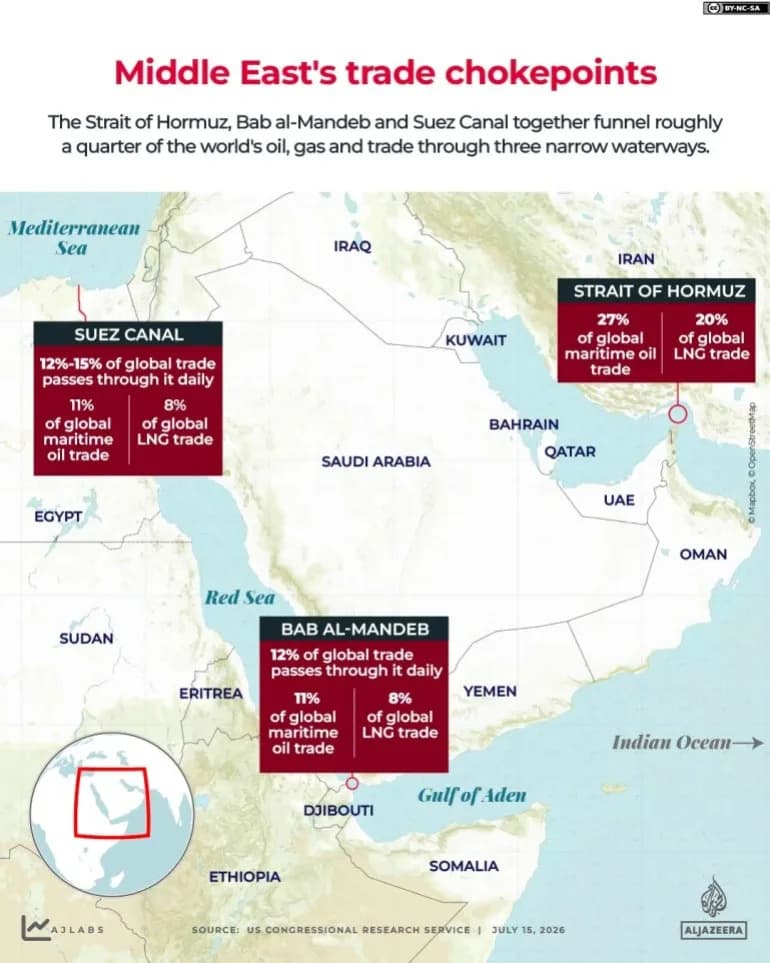
Fighting in the mountainous terrain of southwestern Yemen is pivotal because control of the high ground offers commanding observation and fire positions. Qarafan overlooks valleys that connect southern Taiz with the western coast — terrain the Houthis appear to be trying to encircle to isolate government-held pockets. Kahboub's heights are particularly valuable for forces seeking to dominate approaches to the Bab al-Mandeb and limit government counterattacks.
The Houthis have accused Saudi Arabia of conducting air strikes in Taiz, al-Jawf and Marib; Riyadh has not confirmed those reports.
Diplomacy and the UN
At the United Nations General Assembly in New York, Yemen's delegation is pressing for international support. Presidential Leadership Council member Abdullah al-Alimi is leading the delegation and is due to address the General Assembly, while Foreign Minister Afrah al-Zouba has called for the disarmament of non-state armed groups during meetings on the sidelines.
Regional and international leaders at the UNGA have referenced Yemen. Qatar's Emir Sheikh Tamim bin Hamad Al Thani reiterated support for UN-led efforts toward a comprehensive political settlement rooted in the outcomes of Yemen's 2013–14 national dialogue. Ireland warned of the humanitarian emergency and stressed the need to protect freedom of navigation through the Bab al-Mandeb strait.
Humanitarian Toll
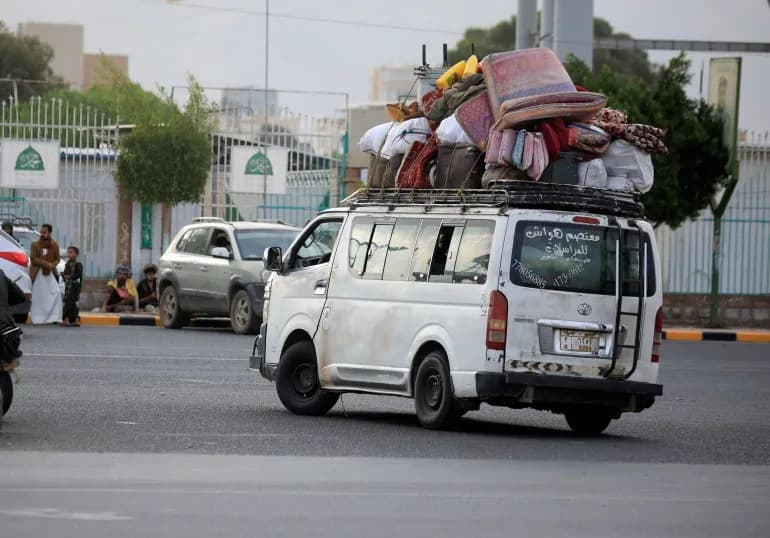
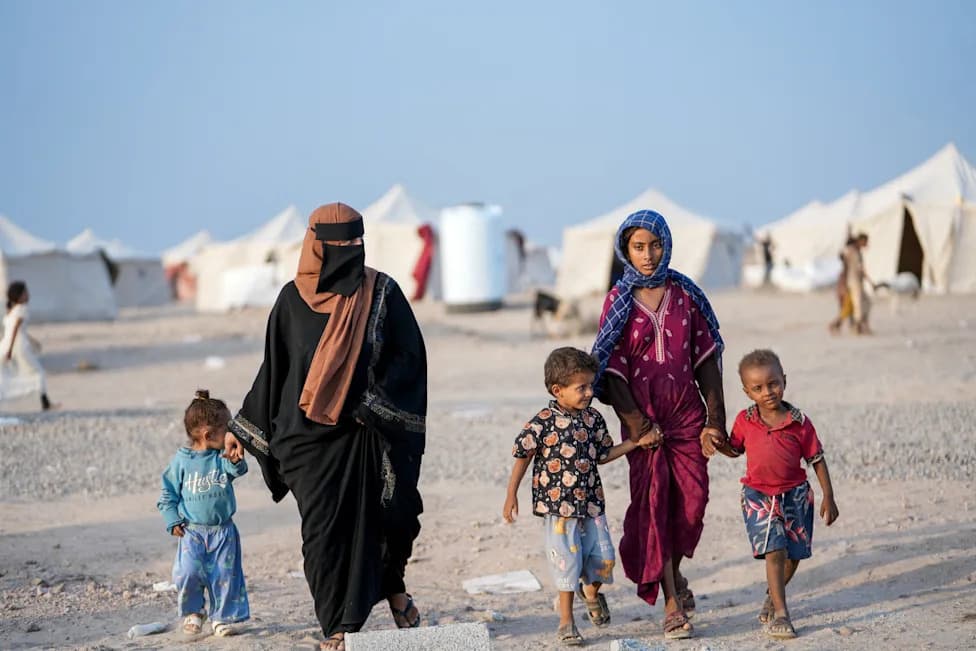
The International Organization for Migration reports roughly 132,000 people have been displaced by the recent fighting, including about 75,000 in Taiz. The spike in displacement underscores growing civilian vulnerability as front lines shift and access to services is disrupted.
Analyst Assessments
"Partially and tactically, the Yemeni Armed Forces stopped part of the Houthi rush seeking to secure and stabilise expansion on the coast, and moved to limited counter-attacks in the Taiz–Lahj region … while regaining dominant heights and positions," Ibrahim Jalal, a Yemen-focused analyst, told Al Jazeera. "The government is gradually regaining the initiative, but it has not yet launched a broad military campaign to reclaim the coast and other areas."
Farea Al-Muslimi, a research fellow at Chatham House, warned that reasserting control faces severe obstacles: "It is impossible for the government to regain momentum unless it manages to reclaim Bab al-Mandab," he said, adding that this outcome looks unlikely despite geography that could favour air operations. He suggested the Houthis may seek to besiege key areas rather than occupy them fully, using Taiz to tie down government forces.
Outlook: Analysts say current government operations are tactical and localised rather than part of a wide-scale campaign. Diplomatic efforts at the UN aim to build pressure on the Houthis and warn of the strategic risks to international shipping if Houthi control of the Bab al-Mandeb expands.
Help us improve.