The Houthi offensive that captured Yemen's Red Sea coast and the port of Mocha has displaced at least 100,000 people, with Taiz governorate hardest hit. Camps such as al-Munij, about 40 km southwest of Taiz city, are overcrowded and lack reliable water, sanitation and adequate shelter. Local officials report more than 65,000 people displaced between August 10 and September 15, and humanitarian needs are rising as many arrivals reach camps with almost nothing.
Taiz Camps Overflow as 100,000 Flee After Houthi Offensive; Mocha Capture Raises Red Sea Stakes
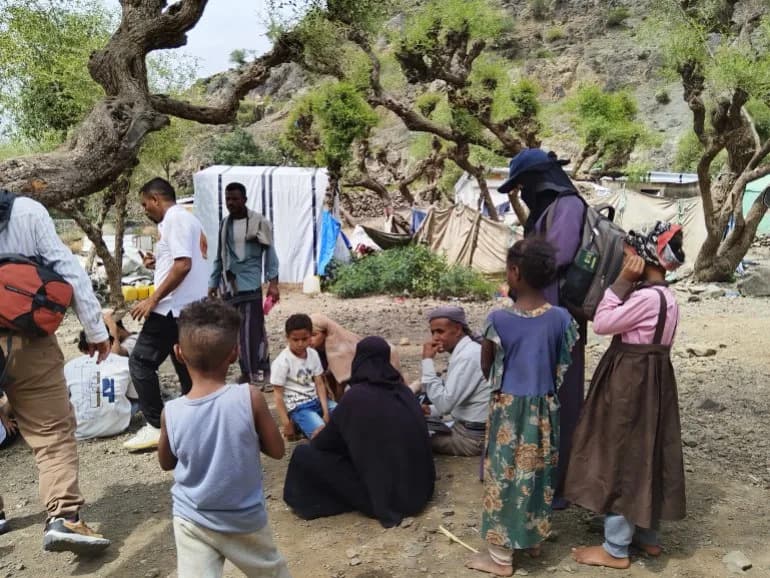
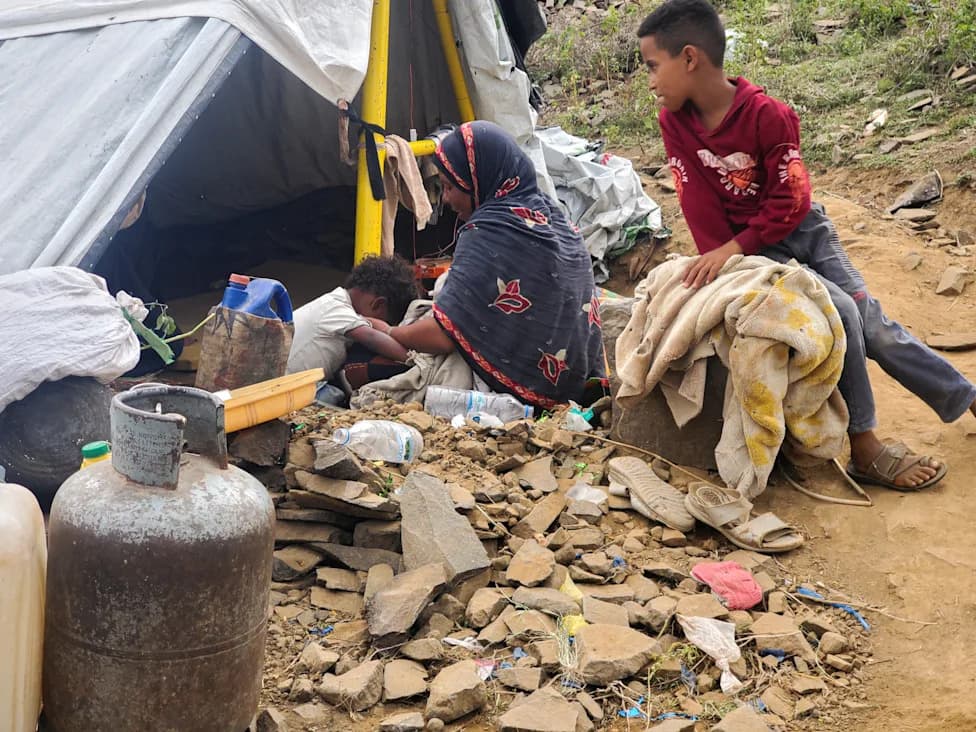
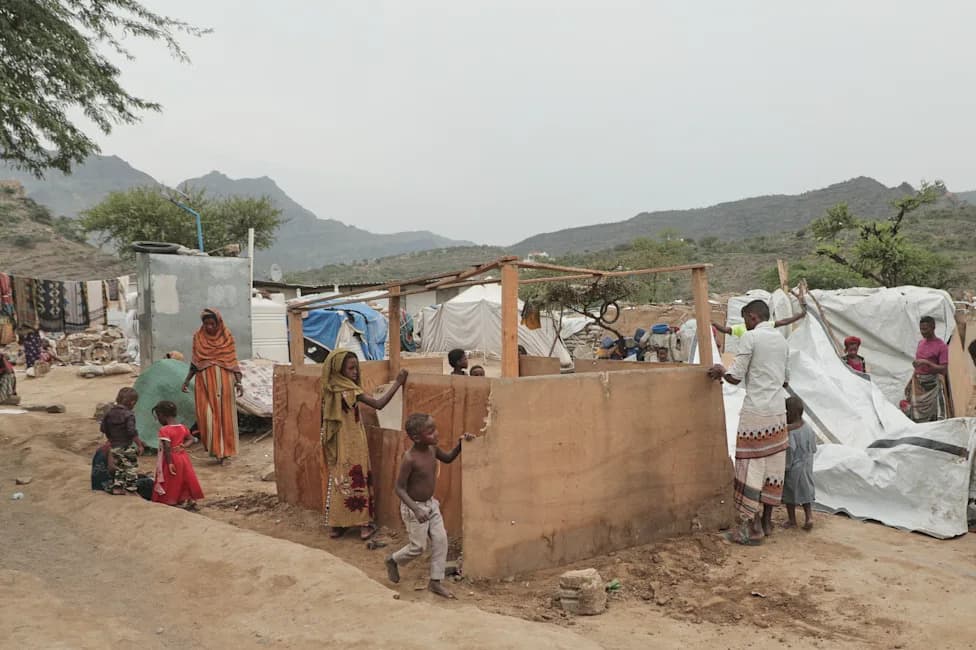
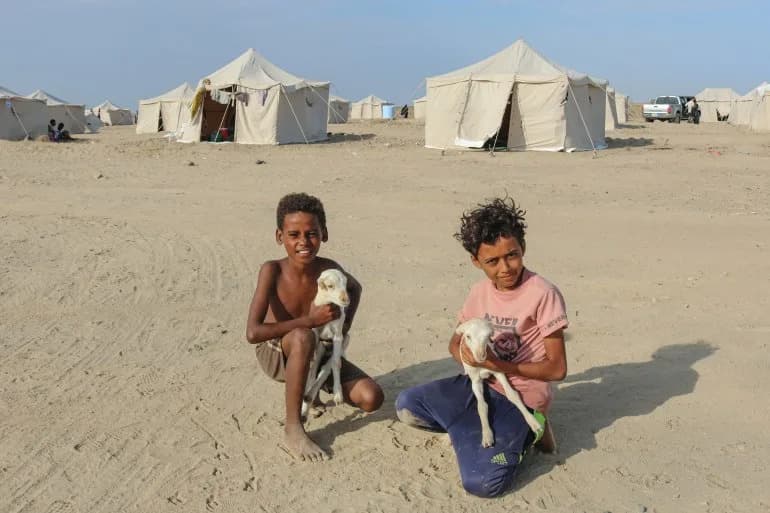
Newly displaced people at al-Munij camp [Al Jazeera]
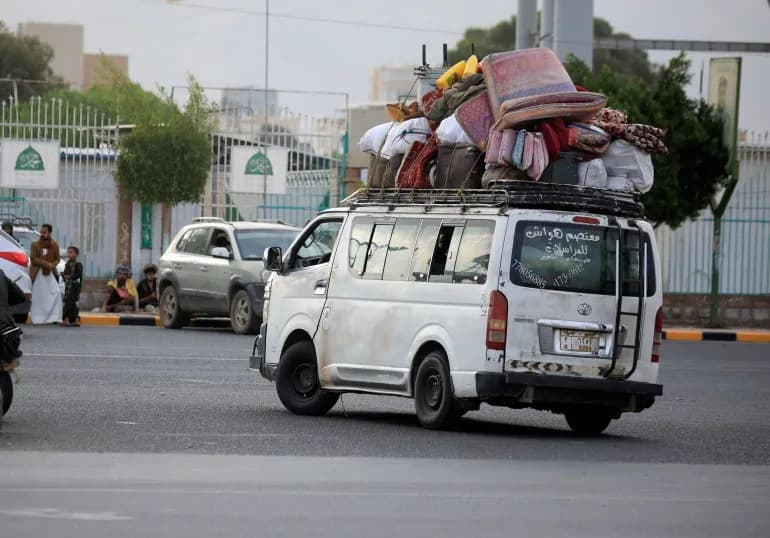
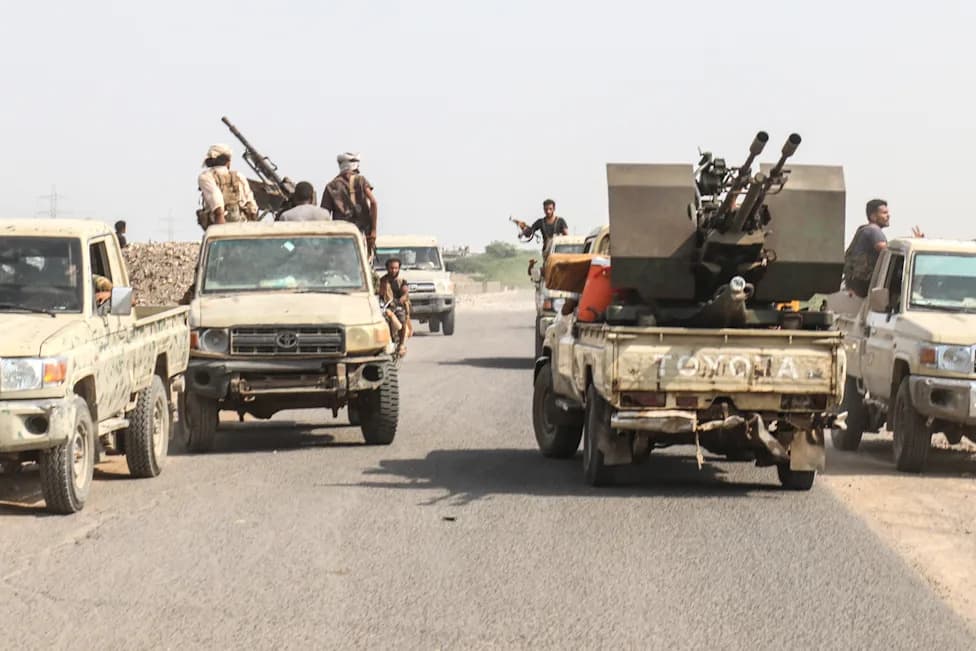
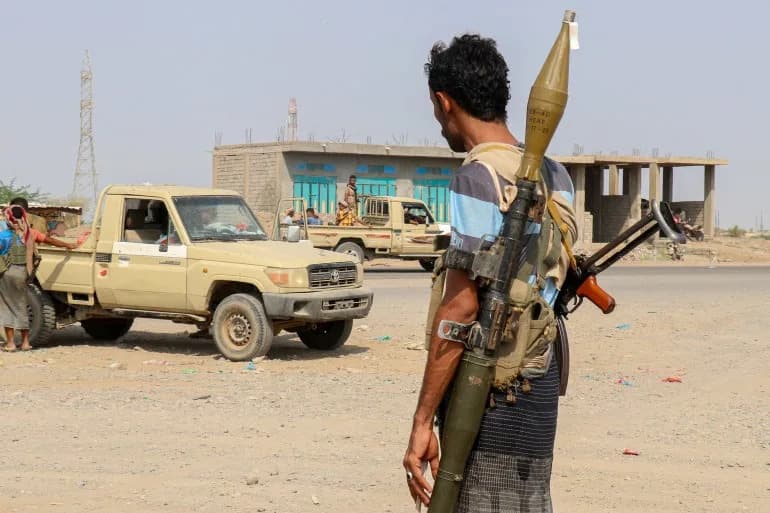
Taiz, Yemen — Tens of thousands of Yemenis have been forced from their homes after a rapid Houthi offensive that seized large stretches of the Red Sea coastline, including the strategic port city of Mocha. UN agencies say at least 100,000 people have fled since the recent escalation, with Taiz governorate bearing the heaviest burden.
Displacement and Human Cost
Many families arrived at camps with almost nothing. Hajja Fatima Mohammed Saleh, 70, described abandoning her wheelchair because rough terrain made it unusable. "The attack was massive, we had never seen anything like it before. Shells were falling heavily on the village, and bullets were flying in every direction," she told Al Jazeera. "I had to crawl through rain and floods until we found a vehicle to carry us."
Local authorities report large numbers displaced in a short period. Ali al-Shumairi, director-general of the Executive Unit for the Management of IDP Camps in Taiz governorate, told Al Jazeera that 65,845 people were displaced between August 10 and September 15. About 95% of those uprooted came from five districts that saw the fiercest fighting: Jabal Habashi, al-Maafer, Maqbanah, al-Wazi'iyah and Mawza.
Conditions in the Camps
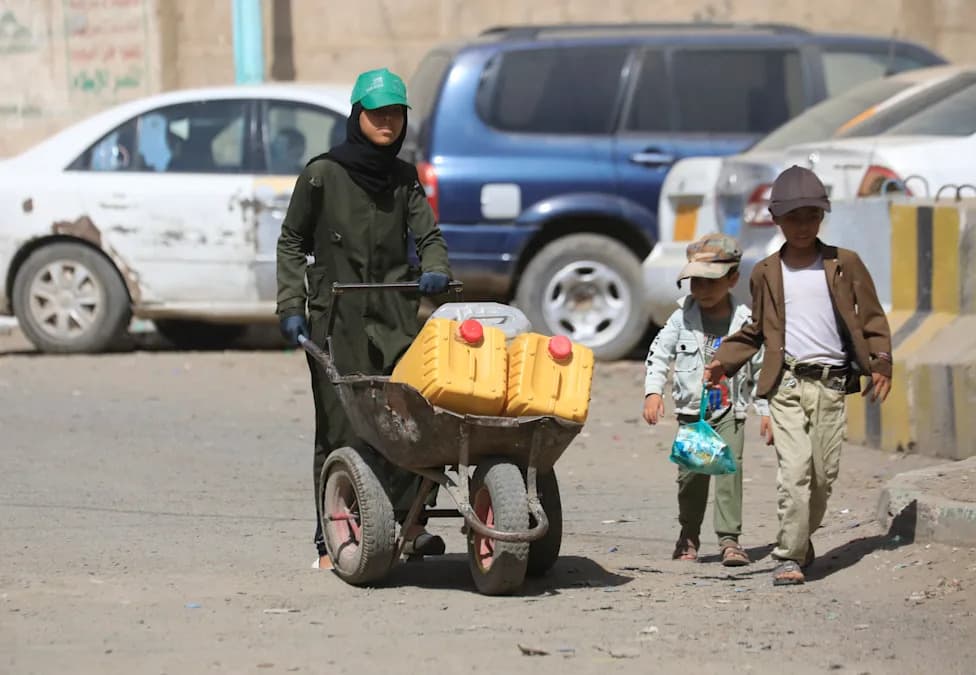
Camps such as al-Munij, roughly 40 kilometres southwest of Taiz city, have expanded to accommodate new arrivals. What began as temporary shelter has grown into sprawling sites covering roughly two square kilometres. Residents report severe shortages of basic services — intermittent drinking water, inadequate sanitation and limited shelter — leaving many families sleeping outdoors.
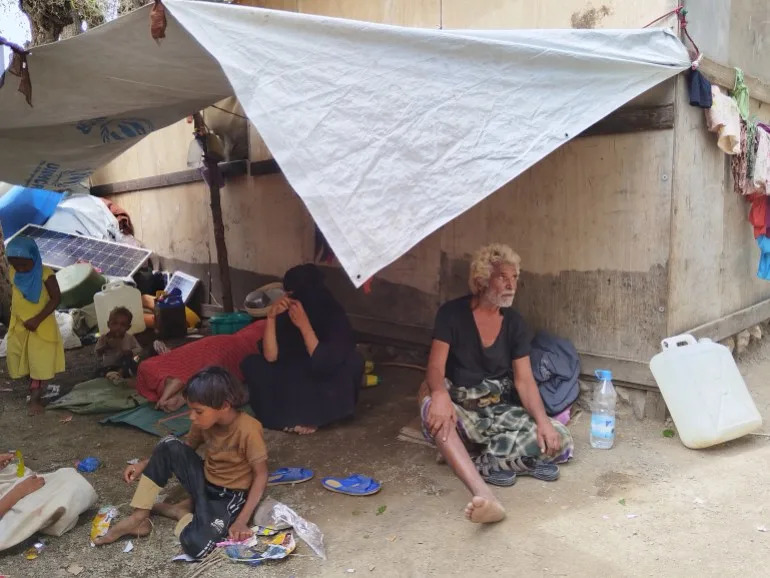
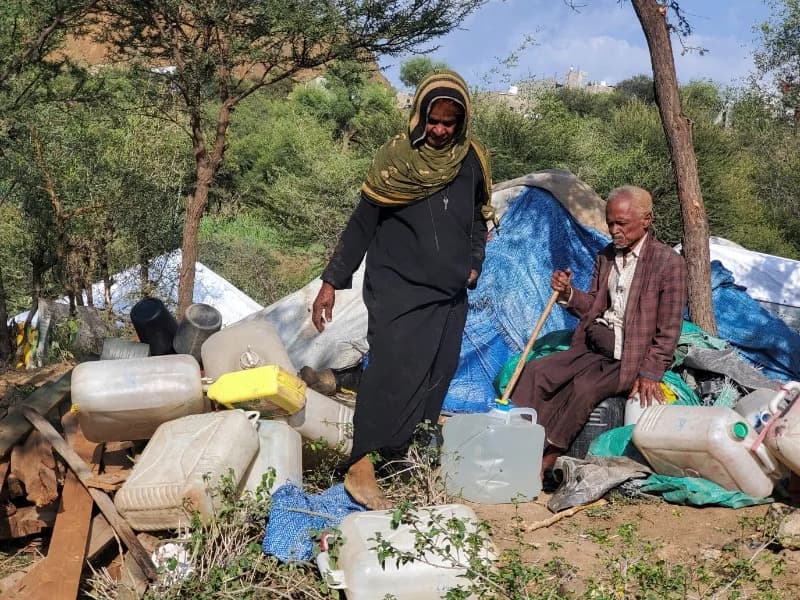
Displaced man Hajj Saif Qaed Thabet, 73, has been living in the open air since he arrived with his family at al-Munij camp on Thursday, September 10 [Al Jazeera]
"These people have been displaced and have lost all the basic necessities of life... Now they are only looking for a shelter to house them," said Osama al-Wafi, supervisor of the Mushrifa camp in Wadi Bikhawlan.
More than 1,500 families have arrived at some camps over a recent six-day period, many lacking adequate tents or privacy. Elderly and disabled people, large extended families and children are among the most vulnerable.
Broader Strategic Consequences
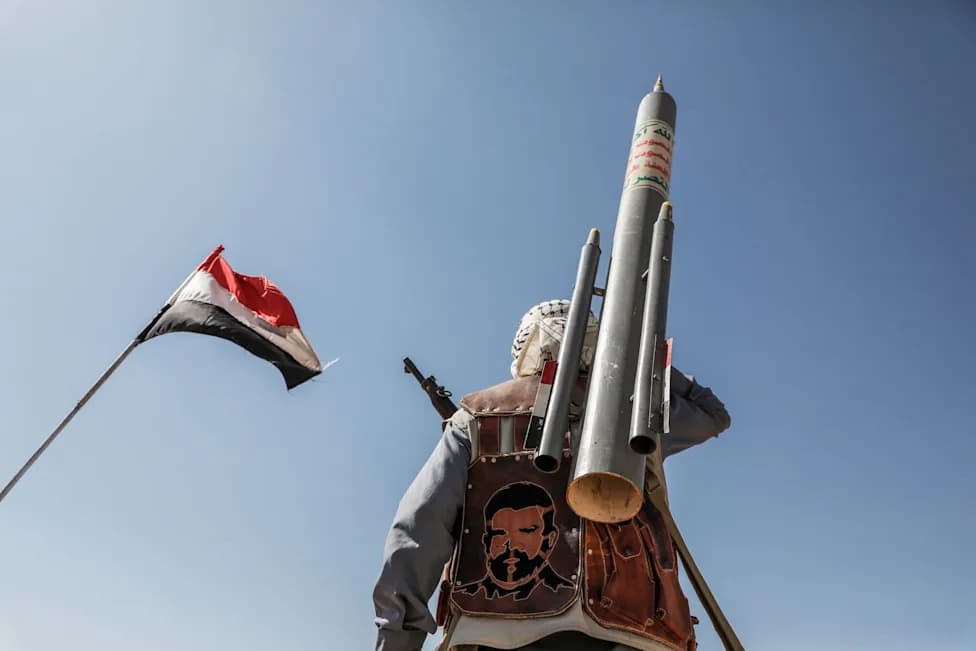
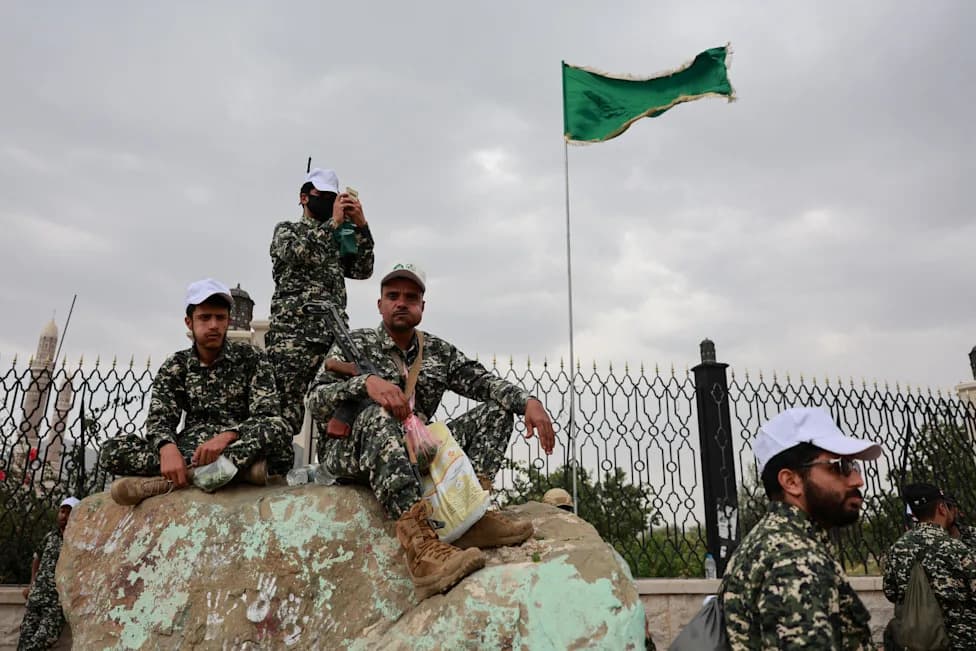
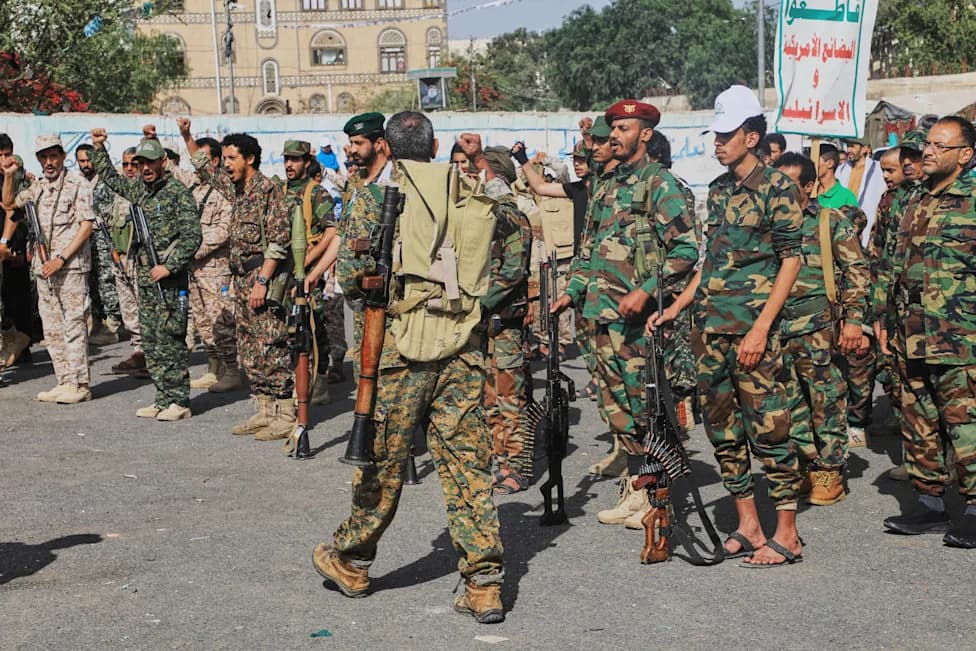
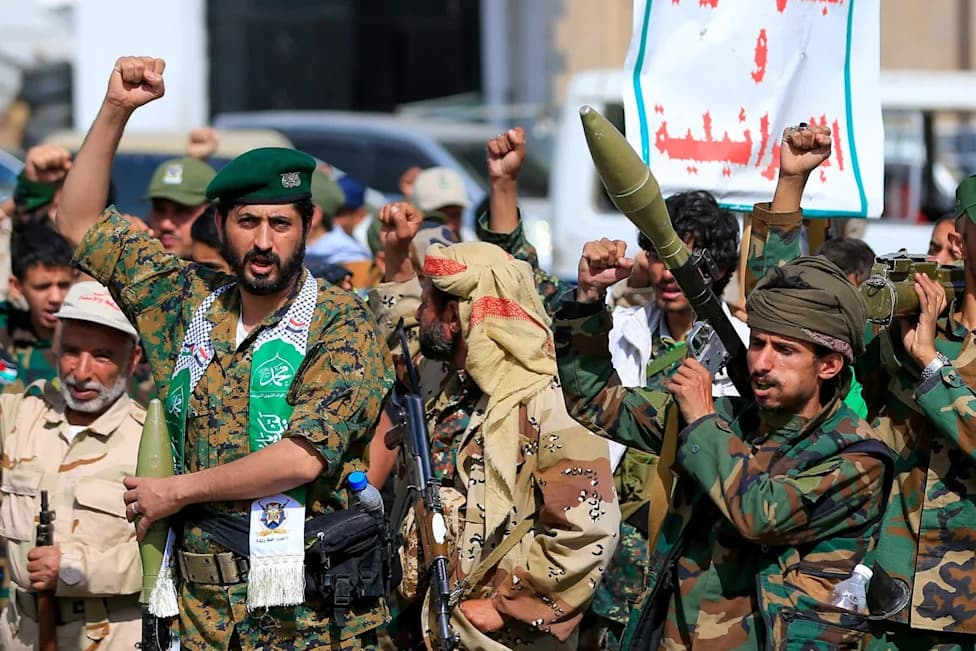
The Houthi advance tightens control over the Red Sea coast and heightens concerns about security in the Bab al-Mandeb Strait — the chokepoint connecting the Red Sea to the Gulf of Aden and the Indian Ocean. The development has implications for international shipping and adds pressure to wider regional tensions involving Iran-backed Houthi forces and other regional actors.
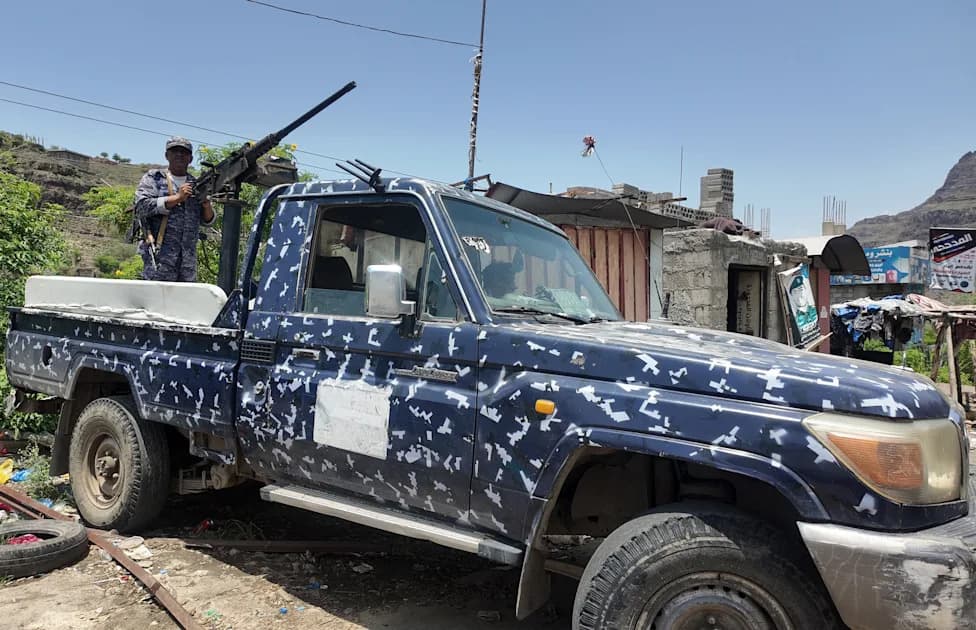
Pro-government forces have launched counter-operations and airstrikes in attempts to retake lost ground around Mocha and elsewhere in Taiz province, and clashes continue to drive further displacement and strain humanitarian response efforts.
What Residents Say
Displaced families describe losing homes, farms and livestock. Hajj Saif Qaed Thabet, 73, said he arrived at al-Munij with his wife and four children after fleeing artillery fire and now lives in an exposed area with no doors. Malouk Ahmed Ali, 55, recounted travelling on foot with 14 family members, including children and an elderly relative, before being taken to the camp by a military vehicle. Many expect that solar panels, batteries and livestock left behind have been destroyed, scattered or looted.
Humanitarian agencies warn that needs will deepen if fighting continues and more people are displaced. Aid groups are calling for expanded shelter, water, sanitation and protection services to meet urgent needs.
Help us improve.