The Trump administration has asked the Supreme Court to decide Genalo v. D.C., a case testing whether certain noncitizens with criminal records are entitled to bond hearings after "unreasonably prolonged" mandatory immigration detention. The Second Circuit requires the government to prove by clear and convincing evidence that continued detention is needed because of flight risk or danger. Supporters of detention warn a ruling for detainees could free dangerous offenders while removal proceedings continue, while others say the rule protects due process and limits excessive confinement. The Court has not yet agreed to hear the case.
Supreme Court Asked To Rule On Bond Rights For Criminal Noncitizens; Experts Warn Of Public Safety Risks

ice detains illegal immigrant
The Trump administration has asked the U.S. Supreme Court to take up Genalo v. D.C., a high-profile immigration case that could change whether certain noncitizens with criminal records are entitled to bond hearings after long periods of mandatory detention.

Federal agents detain a man after attending a court hearing in immigration court at the Jacob K. Javitz Federal Building on June 30, 2025 in New York City.
What The Case Is About
The key legal question arises from a binding Second Circuit precedent that requires a bond hearing when mandatory immigration detention becomes "unreasonably prolonged." At such a hearing, the government must show by clear and convincing evidence that continued detention is necessary because the detainee is a flight risk or a danger to the community. The administration filed an unusual petition asking the Supreme Court to review the case before the Second Circuit issues a final ruling (certiorari before judgment).
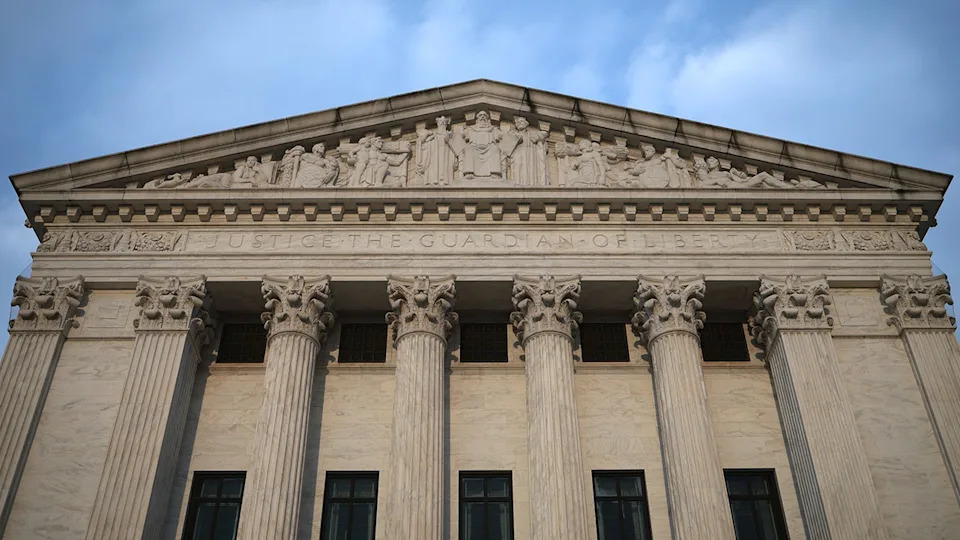
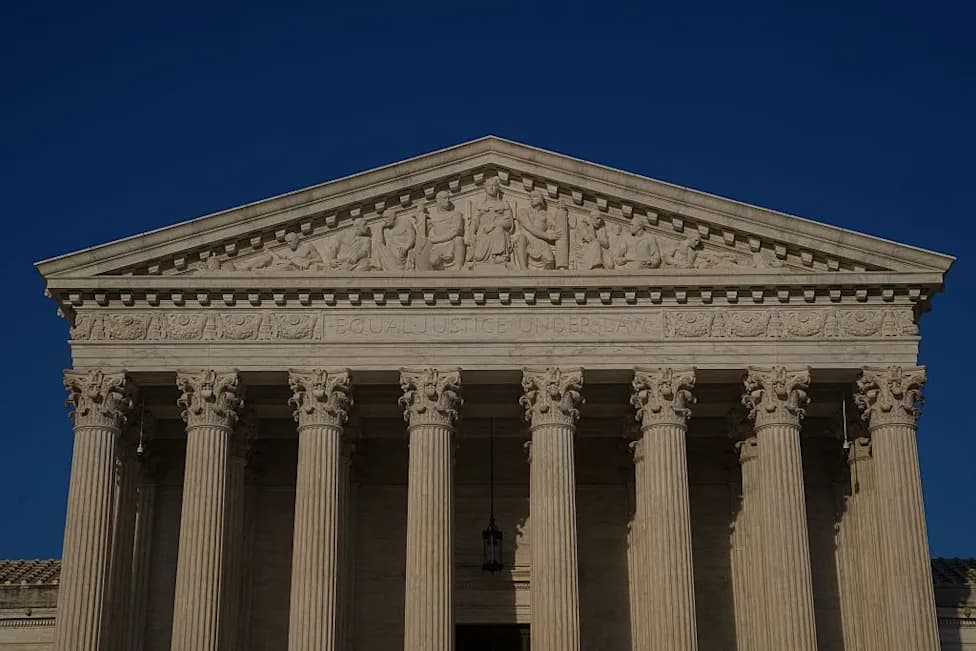
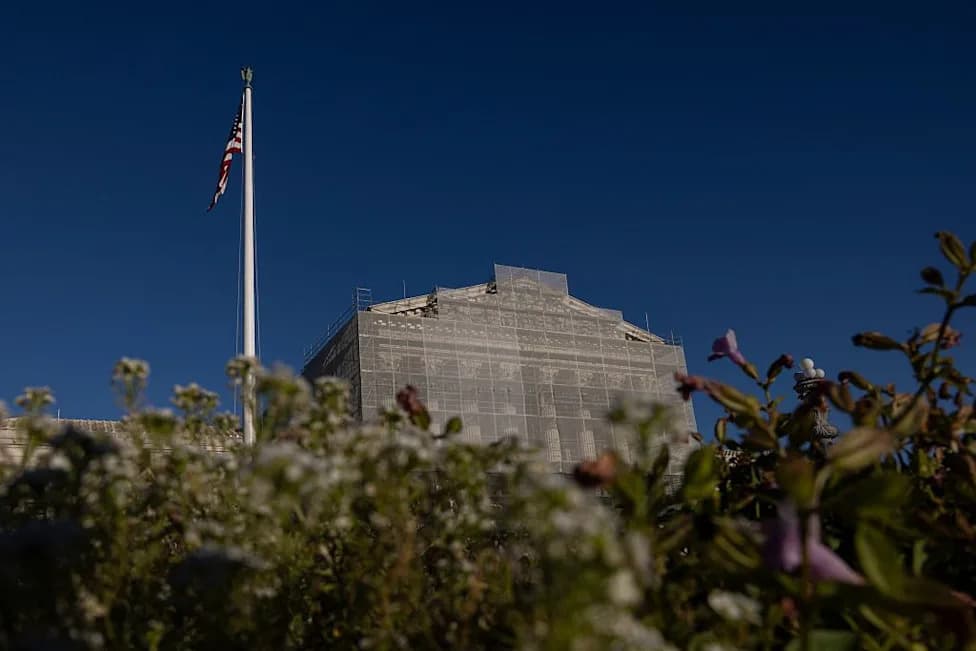
WASHINGTON, DC - MARCH 17: The U.S. Supreme Court is shown March 17, 2025 in Washington, DC. The Trump administration defied a federal judge's court order this past weekend in a case related to the deportation of more than 200 alleged Tren de Aragua gang members to El Salvador under the Alien Enemies Act of 1789.
The Detainee At Issue
The petition centers on a 62-year-old Dominican national identified as D.C. in court papers. According to court records, D.C. has four criminal convictions spanning drug, fraud and domestic violence–related charges. Notably, he was convicted in absentia in the late 1990s on drug charges and did not serve that sentence until 2024. He later faced charges in 2007 and a series of convictions stemming from a 2016 domestic-violence incident.

Federal immigration officers consult as they wait for respondents to depart from their hearings to conduct targeted detainments at U.S. immigration court in Manhattan, in New York City, Oct. 24, 2025.
After completing a state sentence in September 2025, ICE detained D.C. and initiated removal proceedings. A district court ordered that he receive a bond hearing under Second Circuit precedent but denied immediate release. The administration now asks the Supreme Court to resolve the broader legal rule.

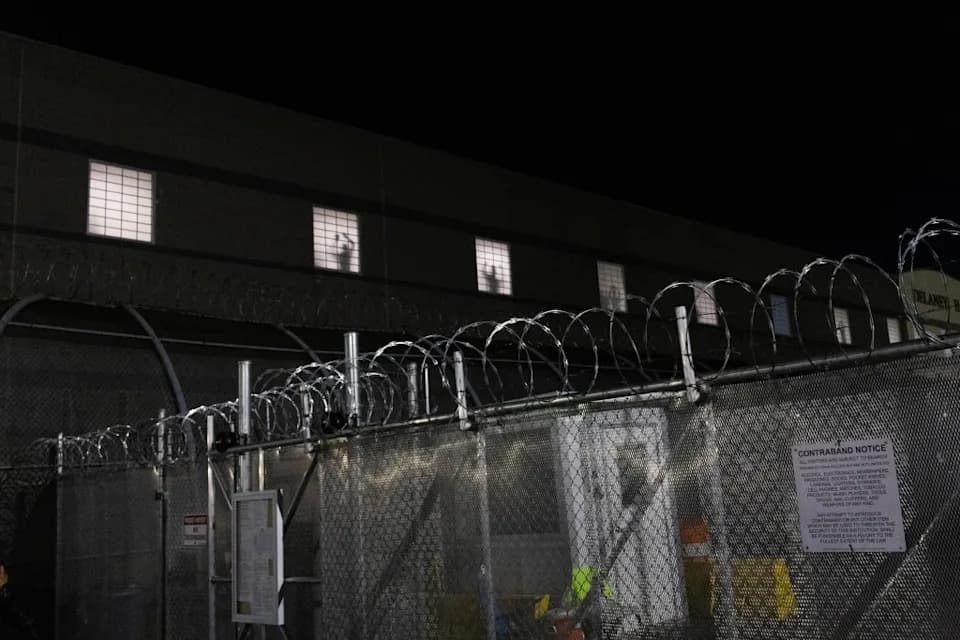
Dozens of immigrants are detained by US Immigration and Customs Enforcement (ICE) agents inside the Federal Plaza courthouse in New York City on Thursday, June 26, following their legal proceedings. The arrests, which took place shortly after court appearances, have sparked criticism from immigrant rights advocates, who say courthouse enforcement undermines due process and deters community members from seeking legal protection.
Related Cases And Mootness
The government’s petition follows the mootness of two related appeals. One detainee, identified as Carol Williams Black, left the United States after a final removal order rendered his appeal moot; he had a 2000 conviction for sexually abusing a child. The Supreme Court initially agreed to review a second detainee’s case (G.M.), but that case became moot after New York Governor Kathy Hochul issued a full pardon for the underlying conviction.
Arguments And Stakes
Proponents of the government’s position — including former Justice Department officials and immigration-enforcement advocates — say Congress intended mandatory detention for certain criminal noncitizens to prevent dangerous or removable offenders from remaining at liberty during protracted proceedings. Chad Mizelle, chair of litigation at the America First Policy Institute, warned to Fox News Digital that the ruling could otherwise allow "the worst of the worst" to be released while removal proceedings continue.
Critics of prolonged mandatory detention argue that indefinite detention without timely review can violate due process and that the Second Circuit’s remedy protects detainees from excessive confinement. Legal experts are divided on whether the enhanced "clear and convincing" standard the Second Circuit requires is the right balance between public safety and individual liberty. Florida State University law professor Michael Morley told Fox News Digital that affirming the Second Circuit could make it harder for the government to justify continued detention in some cases, potentially increasing releases while cases proceed.
Practical Consequences
Carrie Severino, president of the Judicial Crisis Network, said the rule could affect many similar cases nationwide and would likely require more bond hearings and resources for the government. Opponents of loosening detention standards also caution that some respondents fail to appear at immigration hearings, complicating enforcement and removal efforts.
Where Things Stand
The Supreme Court has not yet decided whether it will hear D.C.’s petition. If the justices take the case, they could resolve whether the Second Circuit’s prolonged-detention rule and its clear-and-convincing burden should apply nationwide — a decision with significant implications for immigration enforcement, due-process protections, and public-safety assessments.
Help us improve.