India has authorised emergency electricity exports to Nepal — up to 654 MW for 18 hours a day until 31 December — to help alleviate shortages after catastrophic floods. The 26 August glacial collapse has killed more than 1,400 people and damaged at least 12 hydropower projects, leaving thousands displaced. The UN is appealing for nearly $50 million while Nepali officials estimate $5 billion will be needed for initial rebuilding. A recent study warns the Himalayas are nearing a tipping point as glaciers melt faster than a decade ago, threatening long-term water security.
India To Send Emergency Electricity To Flood-Hit Nepal — 654 MW For 18 Hours Daily Until Dec 31
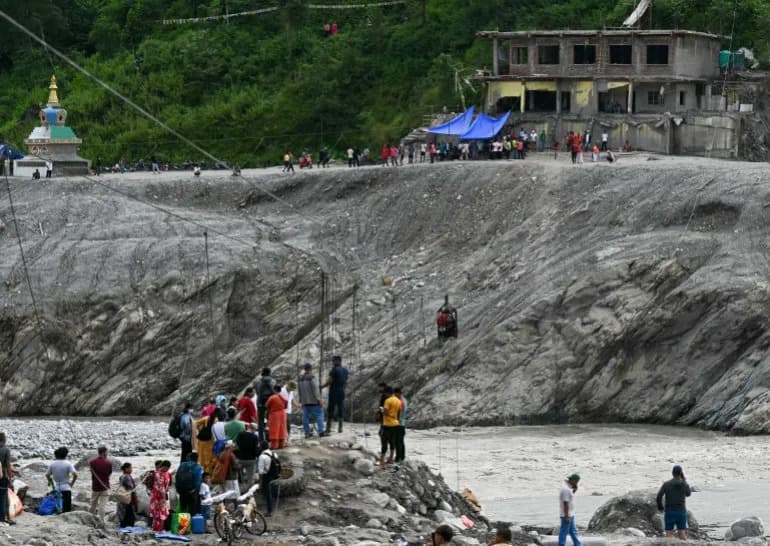
People cross a river via a zip line in the aftermath of flash floods at Trishuli in Nepal's Nuwakot district on September 11, 2026 [Prakash Mathema/AFP]
India has authorised an expedited export of electricity to neighbouring Nepal to help the country cope with severe shortages after devastating floods last month damaged much of its hydropower infrastructure.
In an official statement, India’s Ministry of Power said up to 654 megawatts would be transmitted for 18 hours per day until 31 December. The ministry added it will review the volume of exports in December to decide arrangements from January onward.
“The approval will help Nepal meet its power requirements during this difficult period and further strengthen the close and longstanding energy cooperation between India and Nepal,” the ministry said.
Humanitarian and Infrastructure Impact
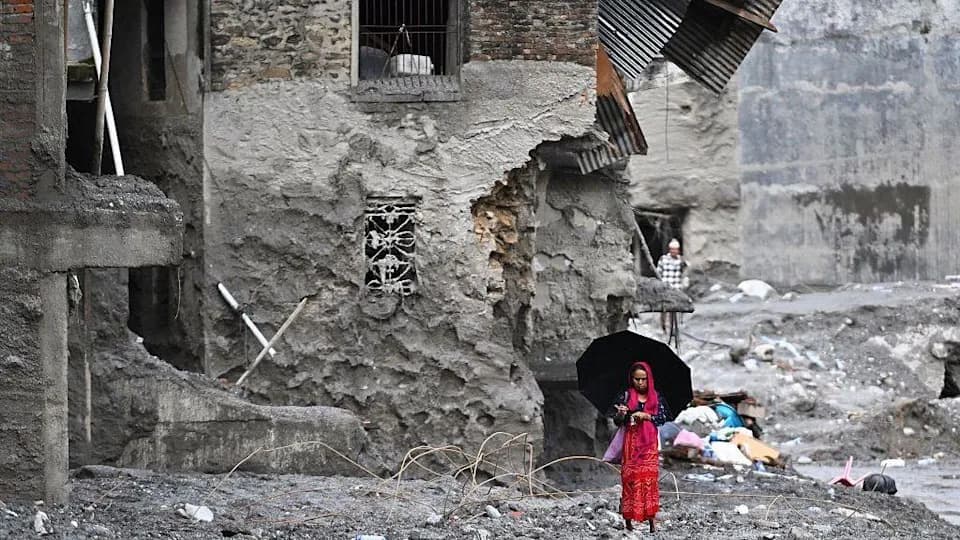
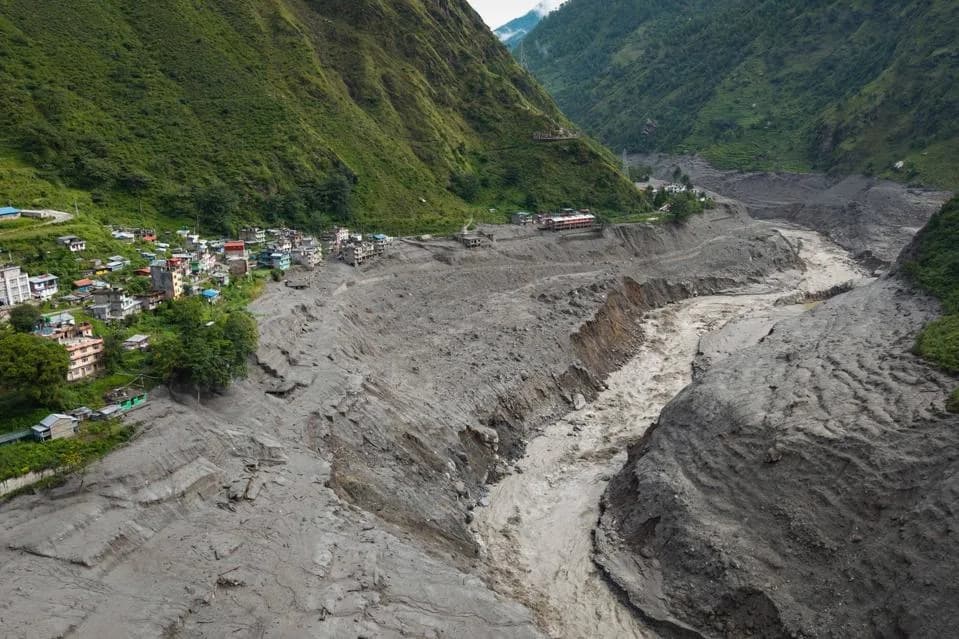
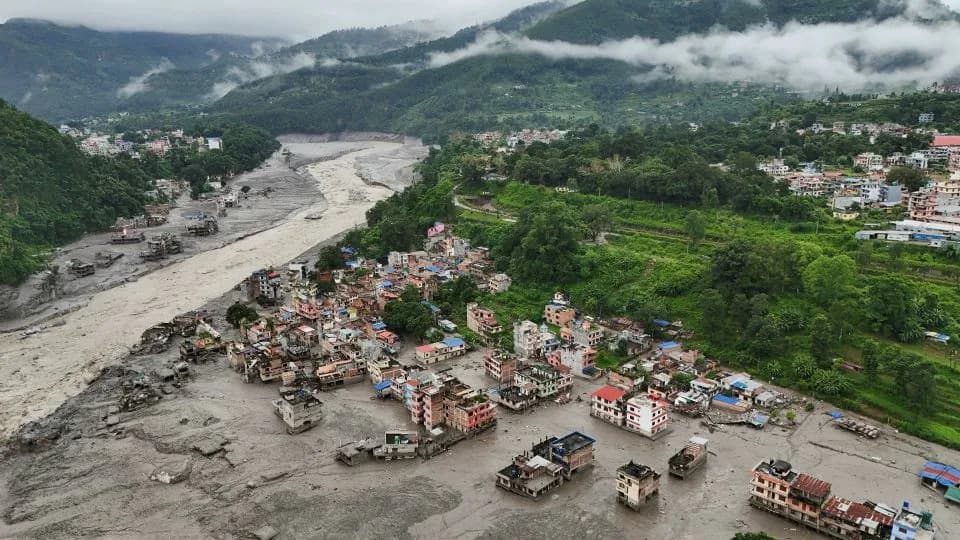
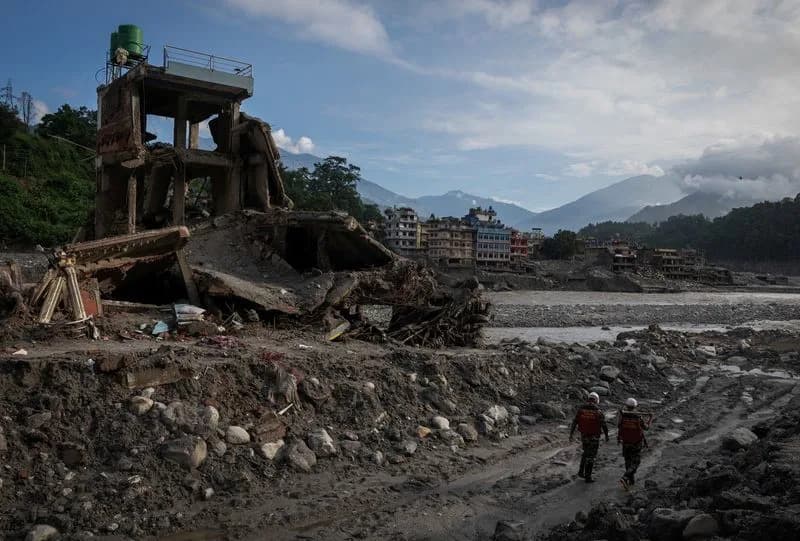
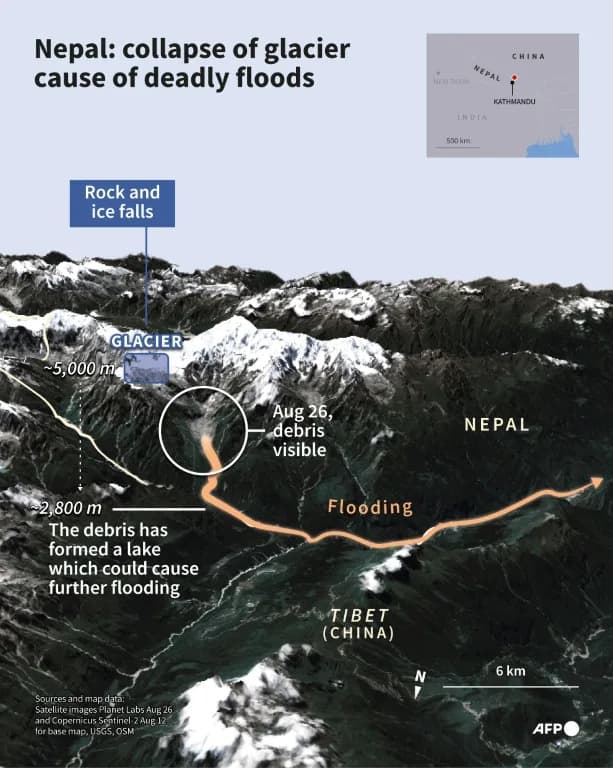
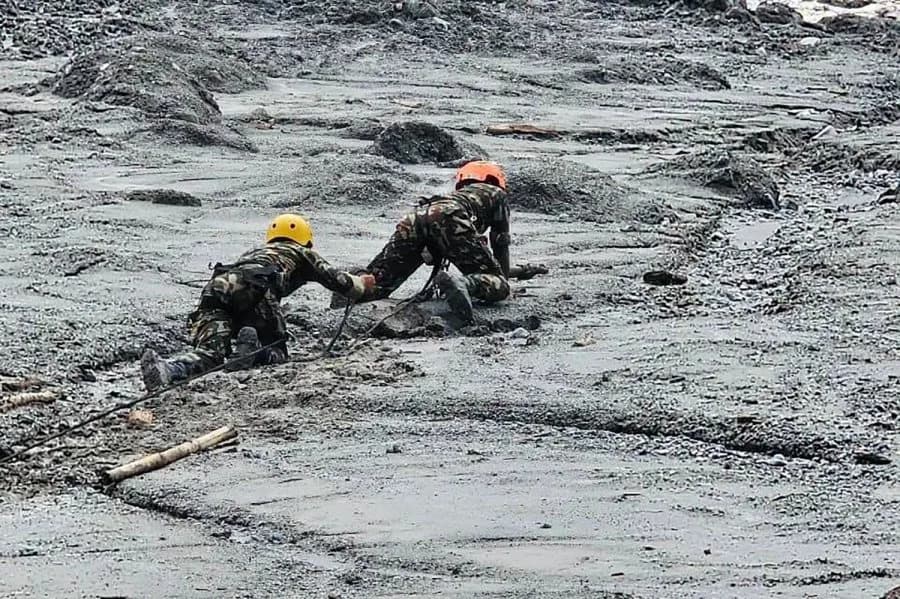
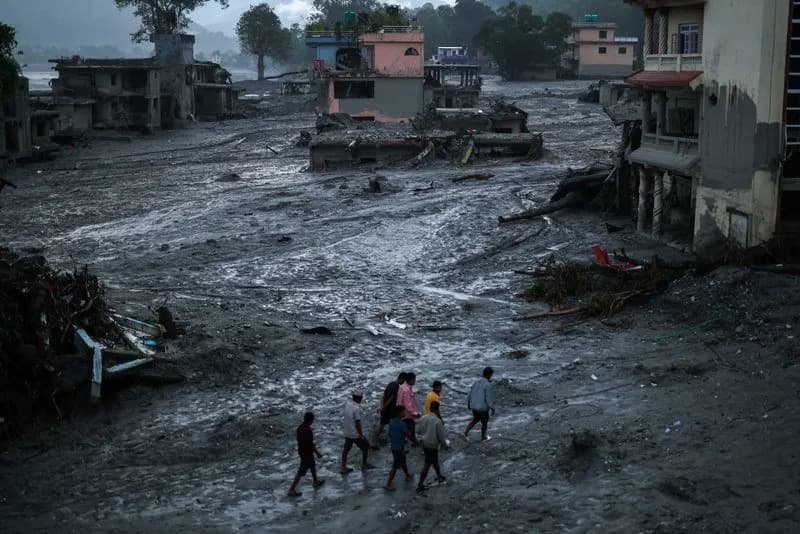
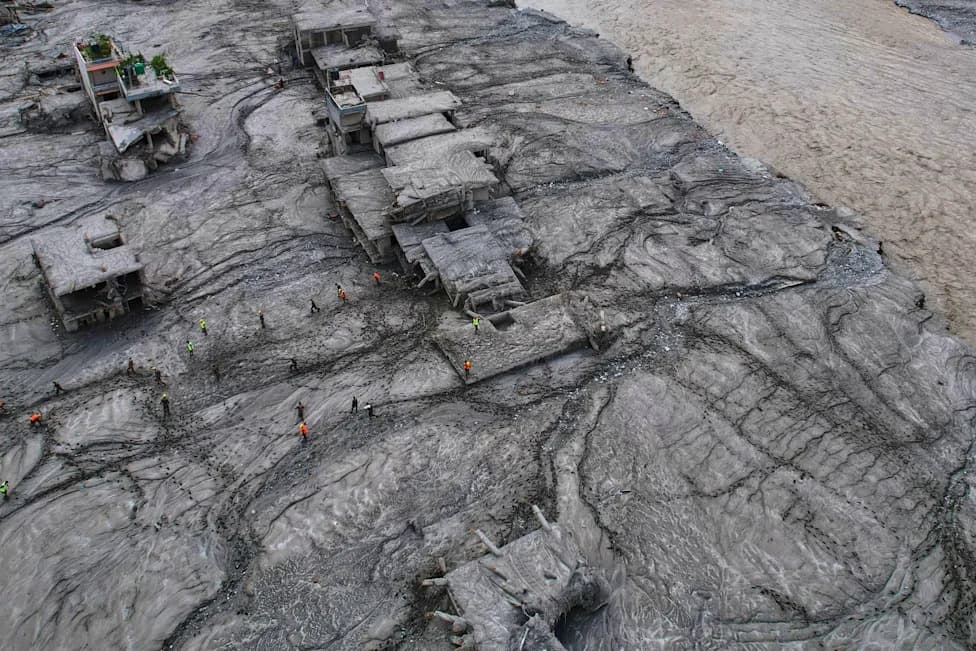
The floods were triggered on 26 August by a glacial mountain collapse on the China–Nepal border. The disaster has killed more than 1,400 people across Nepal and Tibet and left over 5,500 people reported missing, including at least 900 hydropower-station workers. At least 12 hydropower projects in Nepal were damaged or rendered inoperable.
Before the calamity, nearly all of Nepal’s electricity—almost 100% of domestic demand—was supplied by hydropower, and the country had for years exported surplus power to India. The damage has forced Nepal to switch to imports to meet immediate demand.
Relief, Reconstruction and Climate Risks
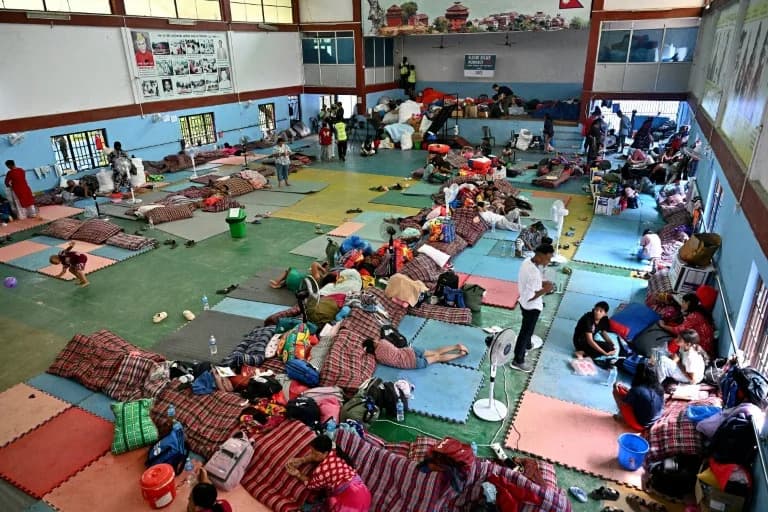
Thousands of displaced people remain in temporary shelters and aid centres with limited prospects of returning home soon. The United Nations and partners have appealed for nearly $50 million to support survivors, while Nepali officials estimate at least $5 billion will be needed for initial reconstruction.
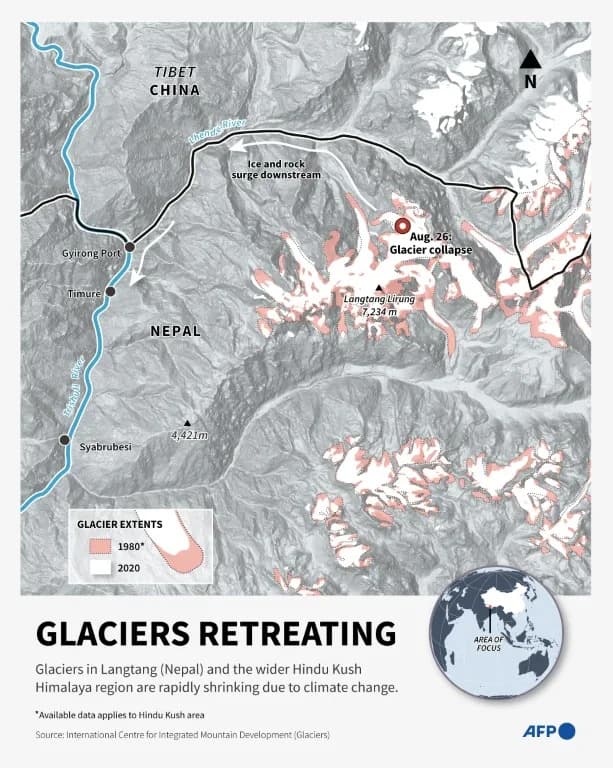
Officials and experts say the disaster underscores how climate change disproportionately affects poorer countries that contributed little to global emissions. A recent study warns the Himalayas are approaching a tipping point: glaciers are melting faster than a decade ago and the region is moving toward “peak water” by mid-century, which threatens long-term water and energy security.
Photo caption: People cross a river via a zip line in the aftermath of flash floods at Trishuli in Nepal's Nuwakot district on 11 September 2026. [Prakash Mathema/AFP]
Help us improve.