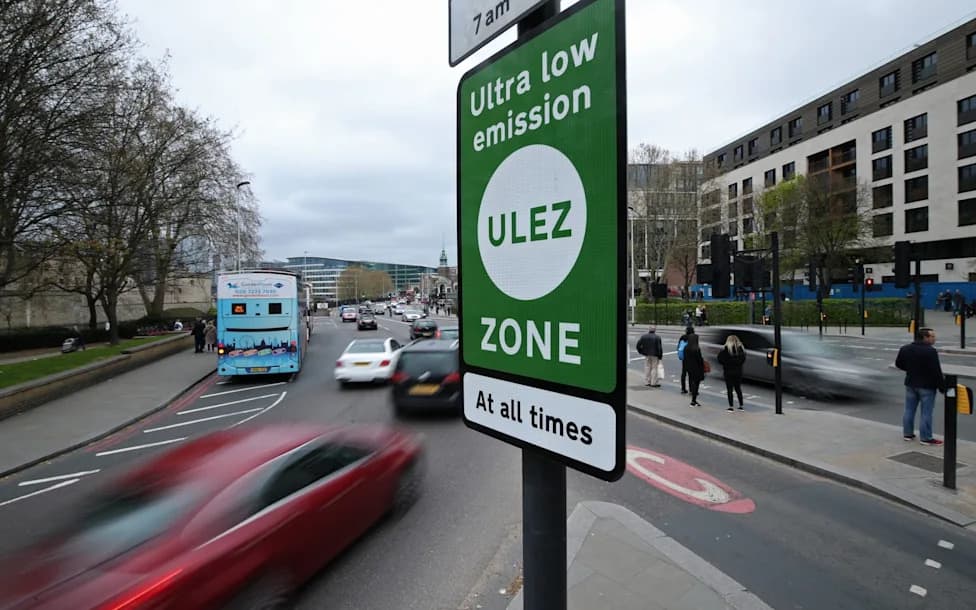
Singapore has expanded enforcement of transit etiquette, rolling out advisory signs on buses in December 2024 and passing a parliamentary amendment in October to give transit staff broader powers. Authorised staff can issue administrative notifications that may trigger fines of about 500 SGD (~$390) for common offences like loud audio, littering, or putting feet on seats, and up to 5,000 SGD (~$3,900) for soiling property or endangering others. Effectiveness will hinge on consistent enforcement and public buy-in.
Singapore Imposes Hefty Fines for Rude or Unsanitary Behaviour on Public Transit
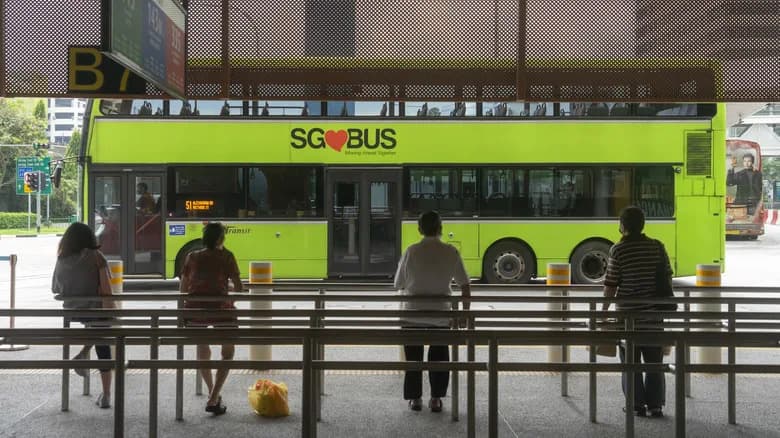
Kokkai Ng/Getty Images
Singapore is stepping up enforcement of public-transit etiquette, introducing enforceable penalties for disruptive or unhygienic behaviour on buses and other transit property. Authorities say the move aims to keep shared spaces clean and comfortable for all passengers.
What Changed
Transit etiquette signs first appeared on Singapore buses in December 2024, advising riders to keep noise levels down, take only one seat, and avoid sitting on the floor. In October, parliament approved an amendment expanding the powers of transit operators and authorised staff to address problematic behaviour directly.
How Enforcement Works
Bus drivers can still remove disorderly passengers or call the police. In addition, authorised staff from transit operators may now issue administrative notifications to passengers suspected of offences; the Land Transport Authority (LTA) can open formal investigations based on those notices.

Skynesher/Getty Images
Fines and Examples
Administrative notifications can lead to fines for a range of common infractions. Typical penalties include about 500 SGD (roughly $390) for actions such as placing feet on seats, playing loud phone calls or music (including TikTok audio) without headphones, leaving litter behind, or eating and drinking where prohibited. More serious conduct — for example deliberately soiling transit property or creating danger for other passengers — can draw fines of up to 5,000 SGD (about $3,900). These measures are consistent with existing rules on Singapore's subway system.
How This Fits Internationally
Strict transit etiquette is common in many Asian cities known for clean, efficient systems. Other jurisdictions have taken similar steps: Beijing, Kraków, and Toronto have banned playing loud audio without headphones on public transport, and in France a commuter was fined for taking a loud speakerphone call at a station. London ran an etiquette campaign aimed at discouraging 'sodcasting,' and reports indicated offenders could face removal or fines.
Will It Work?
The policy’s success will depend on consistent enforcement and public acceptance. Some commentators say the approach provides a clear model for other cities considering similar rules. Others caution that fines alone may not change behaviour without sustained education and visible enforcement.
Note: Discussion about applying similar fines in other countries or using enforcement technology (for example, AI at airports) is speculative and would involve legal, privacy, and operational considerations.
Help us improve.