Singapore has approved the first broad ministerial pay rise in 15 years, boosting Prime Minister Lawrence Wong's annual package by nearly 64% to S$3.6 million, while other ministers receive increases of up to 9%. Wong will donate his additional pay for five years and defended the change as necessary to attract talent and maintain leadership quality. The decision prompted social media backlash given median incomes and economic uncertainty, and experts warned that generous pay alone cannot eliminate corruption or close the gap between leaders and ordinary citizens.
Singapore Raises PM's Pay To S$3.6M — Sparks Backlash Over Timing And Fairness
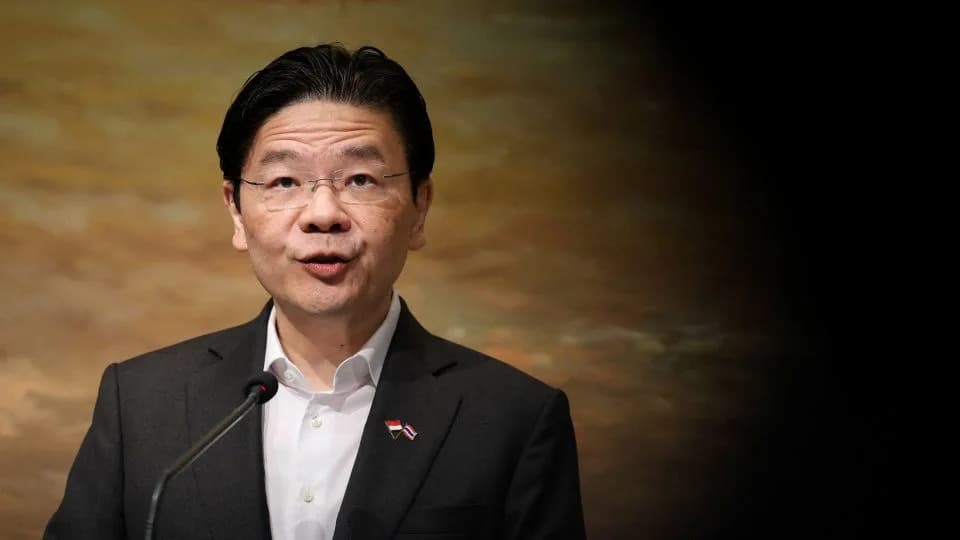
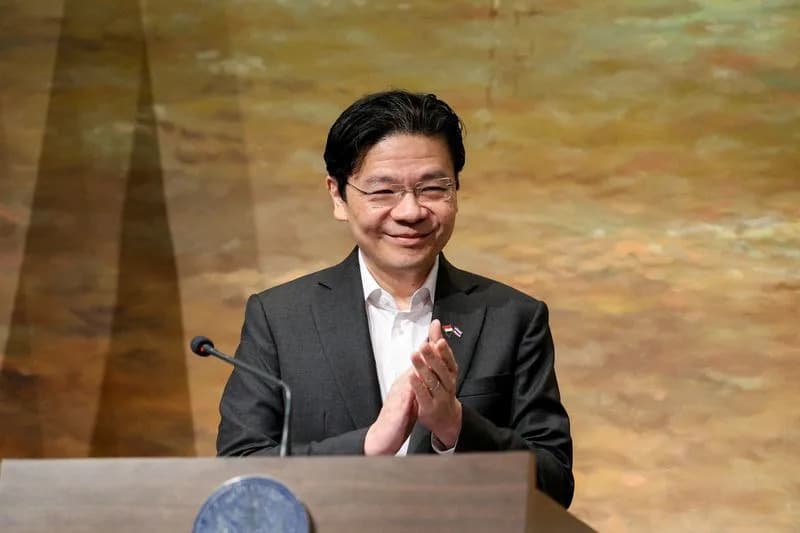
Singapore's Prime Minister Lawrence Wong attends a press conference with Thailand's Prime Minister Anutin Charnvirakul (not pictured) during his official visit to Bangkok, Thailand, on September 2, 2026. - Valeria Mongelli/Reuters
Singapore has approved the first broad increase in ministerial pay in 15 years, raising Prime Minister Lawrence Wong's annual package by nearly 64% from S$2.2 million (about $1.7 million) to S$3.6 million (about $2.8 million). Other cabinet ministers will receive smaller increases of up to 9% under the same pay review.
The government says the adjustment is needed to keep political salaries competitive with the private sector and to attract and retain talent in the public service as remuneration gaps widen. The increase follows recommendations from an independent committee that benchmarked political pay against the top 1,000 Singaporean earners.
Reactions And Debate
The announcement prompted strong reactions on social media and in public debate. Many critics called the timing "tone-deaf," noting Singapore's median monthly household income was S$5,775 (around $4,500) last year and that economic uncertainty and technological disruption are pressing concerns for many workers.
“Given the economic uncertainty and the imminent technological disruptions at workplaces, (the) announcement could come across as being tone‑deaf or even self‑serving,” said Eugene Tan, political analyst and associate law professor at Singapore Management University.
Supporters of the policy argue higher pay helps curb corruption by reducing financial incentives for graft. Singapore ranked third on Transparency International's 2025 Corruption Perceptions Index, a position supporters use to defend the pay model. Critics and some scholars, however, caution that big salaries are not a panacea.
“Very high levels of compensation may blunt the public service element of serving in political office, which should be key to elected officials,” said Ja Ian Chong, political scientist at the National University of Singapore. He also questioned pegging political pay to the top 1,000 earners, warning it could narrow policymakers’ perspective toward the wealthiest segment of society.
Context And Precedents
Wong pledged to donate the additional pay he receives for five years and acknowledged the move is a "difficult and emotive issue" that will attract close scrutiny. He told parliament the broader question is whether Singapore can maintain the quality of political leadership needed to steer the country forward.
Singapore's ruling People's Action Party has governed since 1959 and is credited with the city-state's economic success, though it has faced criticism for limitations on dissent. The country lowered ministerial pay after the 2011 election amid concerns about rising living costs and inequality. Observers also point out that high pay does not eliminate misconduct: in 2024 a former transport minister, Subramaniam Iswaran, was jailed for accepting more than $300,000 in gifts while in office.
Even before this increase, Singapore's top ministerial pay was far higher than many peers: it eclipsed the U.S. president's official annual salary of $400,000 and exceeded Hong Kong's chief executive pay, underscoring how distinctive Singapore's approach to public remuneration is on the world stage.
As the policy is implemented, debate is likely to continue over whether benchmarking to a small group of top earners is the right comparator, whether the move will help or hurt public trust, and whether additional transparency or safeguards are needed to preserve a public-service ethos.
Help us improve.