Summary: BYD has operated a Lancaster, California plant producing electric buses with U.S. workers and union representation, but a 2019 federal law and subsequent Commerce Department rules limit U.S. procurement and connected-vehicle sales based on company ownership and control rather than assembly location. BIS's regulation (effective March 2025) and its waiver mechanisms leave room for executive discretion, while the Connected Vehicle Security Act of 2026 seeks to make those limits statutory. The fundamental question is whether restrictions should be locked into law or remain adjustable by the White House.
BYD Built a U.S. Factory — But Ownership, Not Location, Determines Market Access
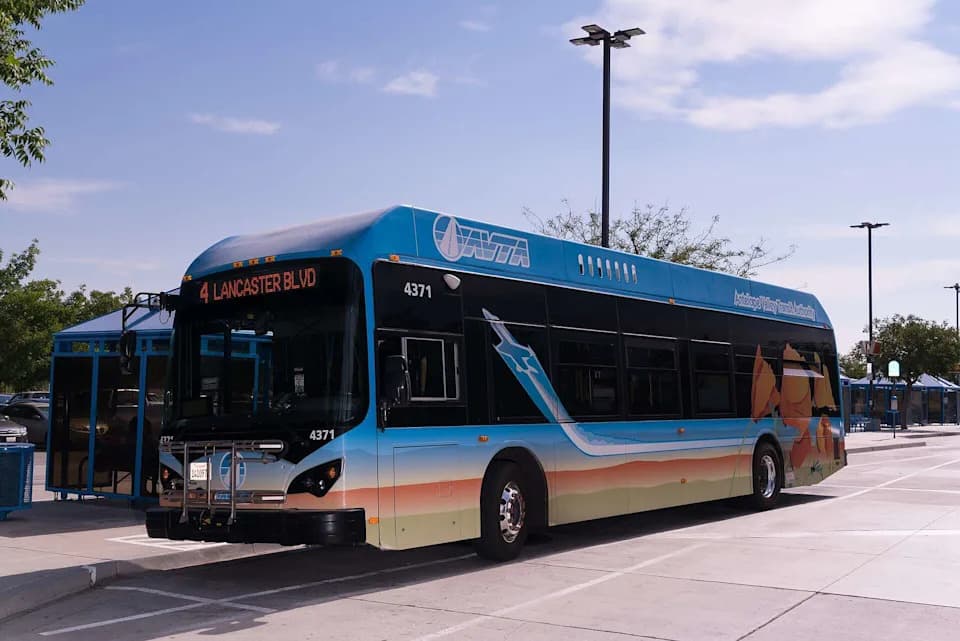
An Antelope Valley Transit Authority BYD K9, the first all-electric bus built at BYD's Lancaster plant. Photo: Nate Pitkin / Wikimedia Commons (CC BY-SA 4.0)
The most revealing document in the debate over whether BYD should be allowed to sell passenger cars in the United States is not a trade proposal or a summit communiqué: it is the Federal Transit Administration's procurement FAQ. That FAQ — and the law that followed — shows that where a vehicle is assembled matters far less than who controls the company that makes it.
The Lancaster Experiment
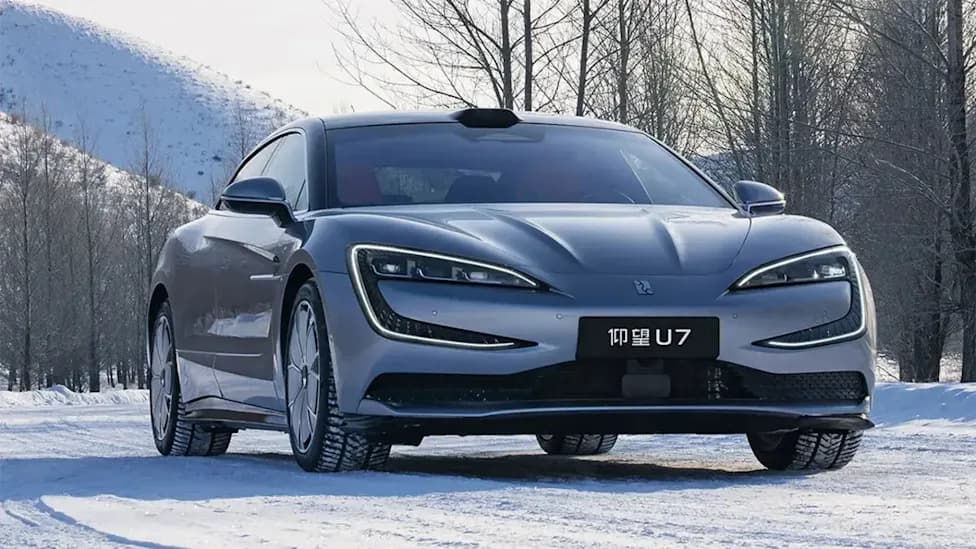
BYD has operated a plant in Lancaster, California, since delivering its first U.S.-built electric bus in 2014. The site grew from about 100,000 to more than 500,000 square feet, employed over 750 people, produced more than 400 buses for customers across 14 states and four Canadian provinces, and ran with an all-union workforce. On paper, it checked the boxes advocates cite for allowing foreign automakers to build here: domestic assembly, local jobs, domestic supply spending and organized labor.
Why Washington Responded
Congress responded with Section 7613 of the National Defense Authorization Act for Fiscal Year 2020, enacted in December 2019. The law cut off Federal Transit Administration funding for buses and railcars from manufacturers "owned or controlled by" entities in certain foreign countries — a designation that includes China. The FTA's guidance makes clear the test focuses on ownership and control, not on where welds were made, who bolted seats, or which union represents the line workers. A two-year phase-in concluded Dec. 20, 2021.
Connected-Vehicle Rules And Waivers
Passenger vehicles face a related but distinct regime. In January 2025 the Commerce Department's Bureau of Industry and Security (BIS) finalized a connected-vehicle rule that took effect March 17, 2025. Starting with Model Year 2027, it bars connected-vehicle manufacturers owned, controlled by, or subject to the direction of China or Russia from selling new covered vehicles in the United States, and bans covered Chinese or Russian software; hardware restrictions follow in Model Year 2030.
Importantly, BIS wrote waiver mechanisms into the rule: general authorizations for lower-risk transactions and specific authorizations for otherwise-prohibited actions. In short, the regulation both blocks and defines a pathway to permission — which makes it an executive-branch policy that can be adjusted by administration-level choices.
Gaps And Legislative Response
The BIS rule currently excludes some commercial vehicles — notably many buses — leaving a separate rule for that sector pending. That exemption is precisely where BYD's Lancaster operations sit today.
To close such gaps, Senators Elissa Slotkin and Bernie Moreno introduced the Connected Vehicle Security Act of 2026, which would codify restrictions at manufacturing, import and sale stages and align software and hardware timelines with BIS. Slotkin's office reported the bill passed a Senate committee unanimously. Its unusual coalition of supporters includes major automakers (Ford, Honda, Stellantis), the Alliance for Automotive Innovation, Teamsters leadership, and UAW President Shawn Fain.
Global Strategy And The Broader Context
BYD's global strategy shows how firms respond to barriers: it announced a passenger-car plant in Hungary and began production in Brazil, while Geely and others have localized production to avoid tariffs. Tariffs are defeated by changing where cars are built; ownership tests are defeated only by changing ownership or the legal standard.
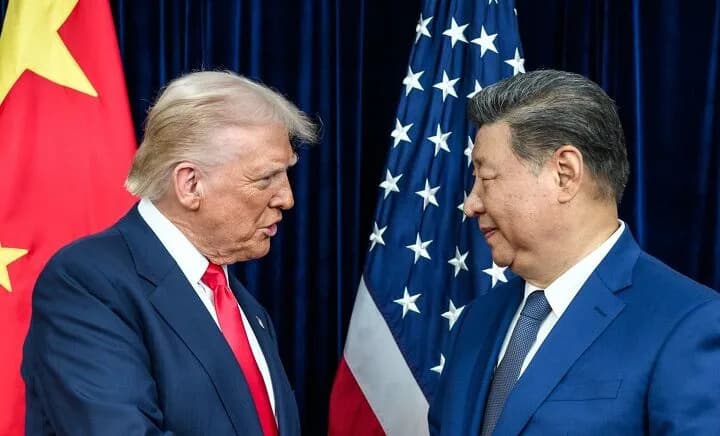
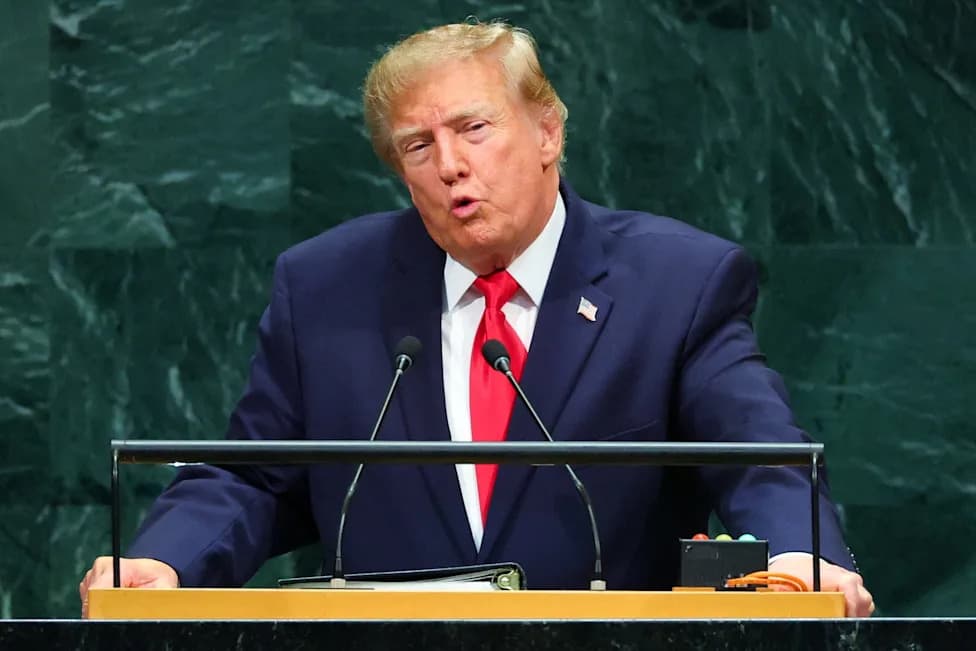
Senators warning of executive-level concessions point to comments by President Trump — notably "Let China come in" — and to BIS's built-in waiver process as reasons a regulatory wall can be negotiated away. That prospect makes some lawmakers and U.S. industry stakeholders ask whether the U.S. should enshrine restrictions in statute (requiring congressional action to change them) or preserve executive flexibility.
What This Means
Lancaster demonstrated that localization can deliver factories and jobs but does not change who answers in the boardroom. The central policy choice is straightforward: should the U.S. lock restrictions on Chinese-controlled automakers into law, or leave room for future administrations to negotiate exceptions through regulations and waivers? The answer will shape long-term planning for automakers, suppliers and national-security-minded regulators — and will determine whether BYD's presence in the U.S. becomes permanent or remains conditional.
Where do you come down?
Help us improve.