The Connected Vehicle Security Act of 2026, led by Senators Bernie Moreno and Elissa Slotkin, aims to bar Chinese-made vehicles and related connected technologies from the U.S. by codifying existing restrictions and limiting executive waivers. Backed by 51 senators and a House companion with more than 100 cosponsors, the bill cleared the Senate Commerce Committee unanimously. Supporters cite threats to U.S. auto jobs and the security risks of connected-car data; major automakers and the UAW have urged continued limits. The legislation still requires further votes before becoming law.
Bipartisan Bill Seeks to Permanently Bar Chinese Vehicles and Key Connected Tech From U.S. Market
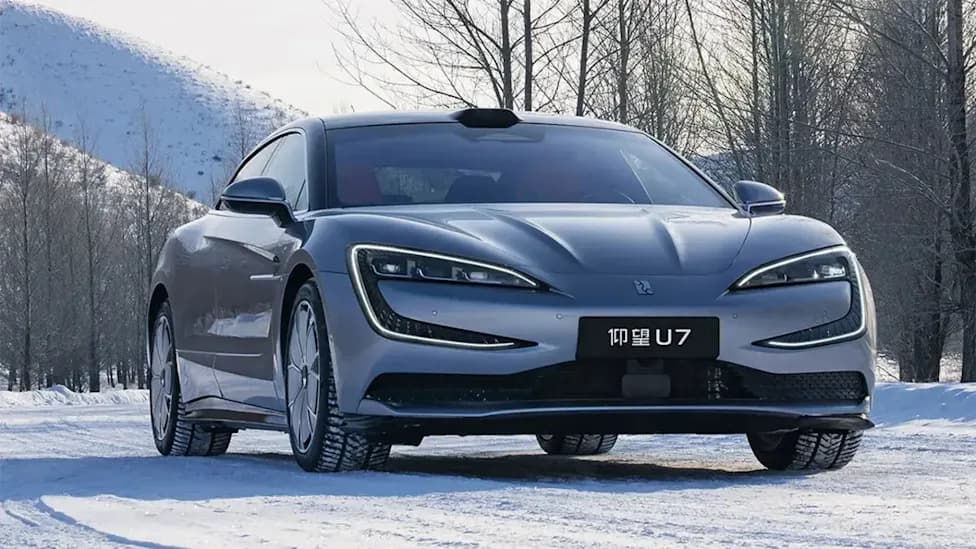
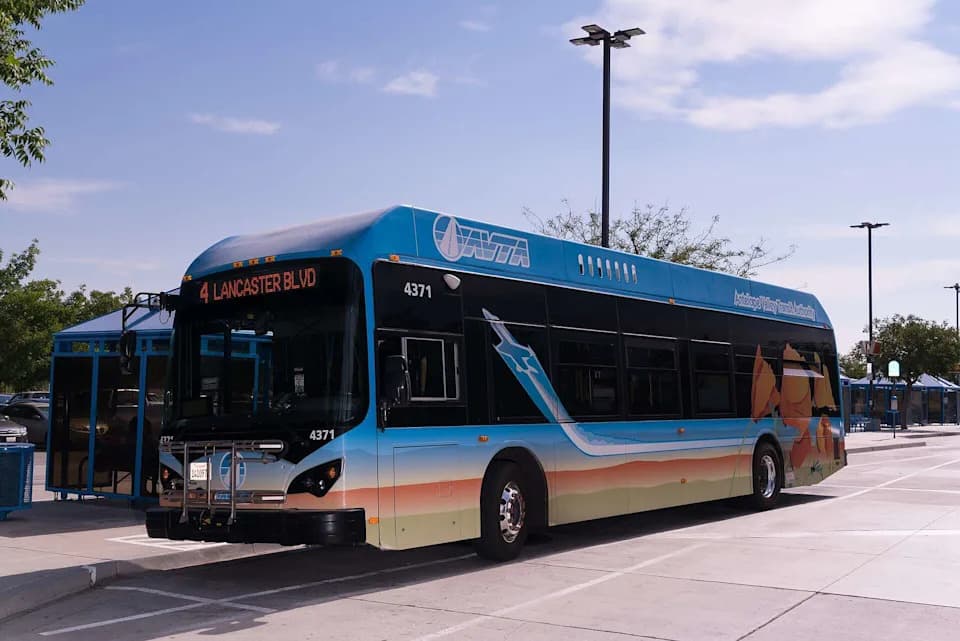
Image Credit: BYD.
The Connected Vehicle Security Act of 2026, sponsored by Republican Sen. Bernie Moreno (Ohio) and Democratic Sen. Elissa Slotkin (Michigan), would codify restrictions on Chinese-made vehicles and related connected technologies and limit the executive branch's ability to grant waivers. The bill has drawn substantial bipartisan support in Congress amid mounting concerns about economic competition and national-security risks tied to connected-car data.
What the Bill Would Do
The proposed law would target vehicles manufactured in China or other designated countries of concern, as well as connected-vehicle software and critical hardware linked to those countries. It would enshrine restrictions currently applied administratively and narrow flexibility for future administrations to issue exemptions.

Image Credit: Lee Charlie / Shutterstock.
Legislative Status
According to reporting, the measure has the backing of 51 senators and a House companion with more than 100 cosponsors. The Connected Vehicle Security Act unanimously cleared the Senate Commerce Committee in July; sponsors had hoped for unanimous Senate passage this week, but a holdout senator has delayed that vote into next week while outstanding concerns are addressed.
Industry, Labor and Political Context
Major auto trade groups representing companies such as General Motors, Ford, Toyota, Volkswagen, Hyundai, Stellantis and Tesla have urged the administration to keep restrictions in place, arguing that admitting Chinese manufacturers could cost jobs at companies that invested heavily in U.S. production. The United Auto Workers and other labor groups have also expressed support. At the same time, Chinese authorities have protested U.S. limits as Chinese brands expand internationally with increasingly competitive EVs and hybrids.
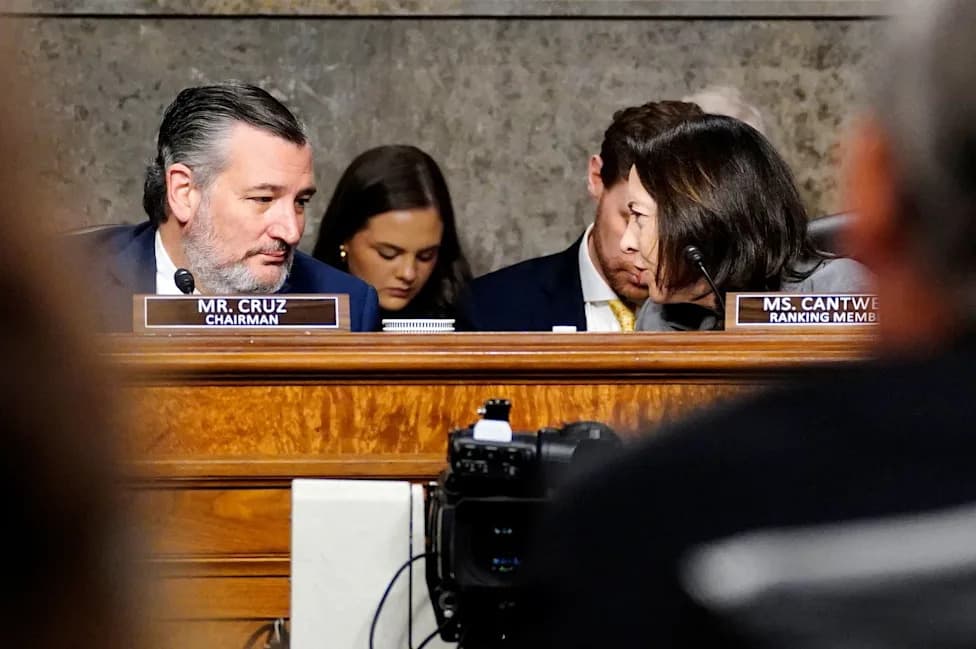
Image Credit: Ali Shaker/VOA, Public domain, WikiCommons.
Security and Economic Concerns
Supporters cite two central risks: protecting the U.S. automotive industrial base and preventing sensitive vehicle-generated data from reaching foreign adversaries. Modern connected cars collect large volumes of location, behavioral and vehicle-system information via cellular networks, Bluetooth, Wi‑Fi and other connectivity features, which backers say could pose intelligence or supply-chain vulnerabilities.
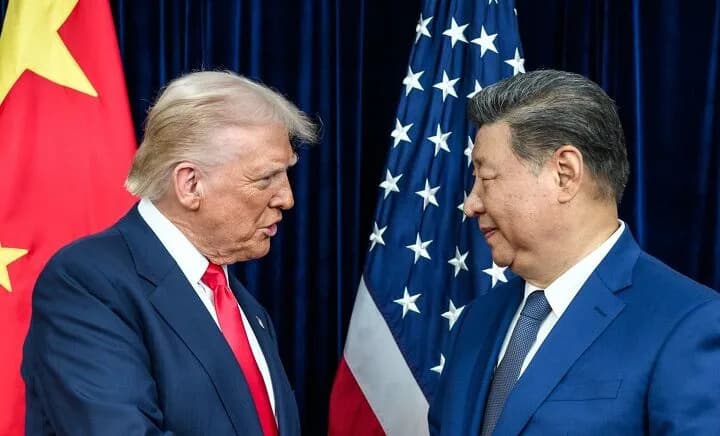
President Donald Trump has indicated he would be open to Chinese automakers building vehicles in U.S. factories, but sponsors of the bill say domestic production would not fully alleviate their economic or security worries. The legislation, if passed, would constrain future presidents by codifying limits into law rather than leaving them as administrative policy.
The measure is not yet law: it must clear further votes in both chambers. Its bipartisan momentum and broad industry and labor backing, however, indicate strong support for keeping Chinese automakers and certain connected technologies out of the U.S. market.
Help us improve.