San Diego's City Council unanimously adopted a resolution on September 14 urging California leaders to grant cities more authority over autonomous vehicle operations after Waymo launched public service in the city. The measure asks state lawmakers to restore local control, enforce curb-management and nuisance rules, limit empty roaming vehicles, ban AVs at the airport, and endorse H.R. 10033 to standardize coordination with first responders. Waymo counters with safety data — more than 220 million autonomous miles and 94% fewer crashes through March 2026 — and says it has trained hundreds of emergency personnel. While largely symbolic today, the vote could inspire similar moves in other cities.
San Diego Pushes Back on Waymo — Cities Weigh Local Control Over Robotaxis
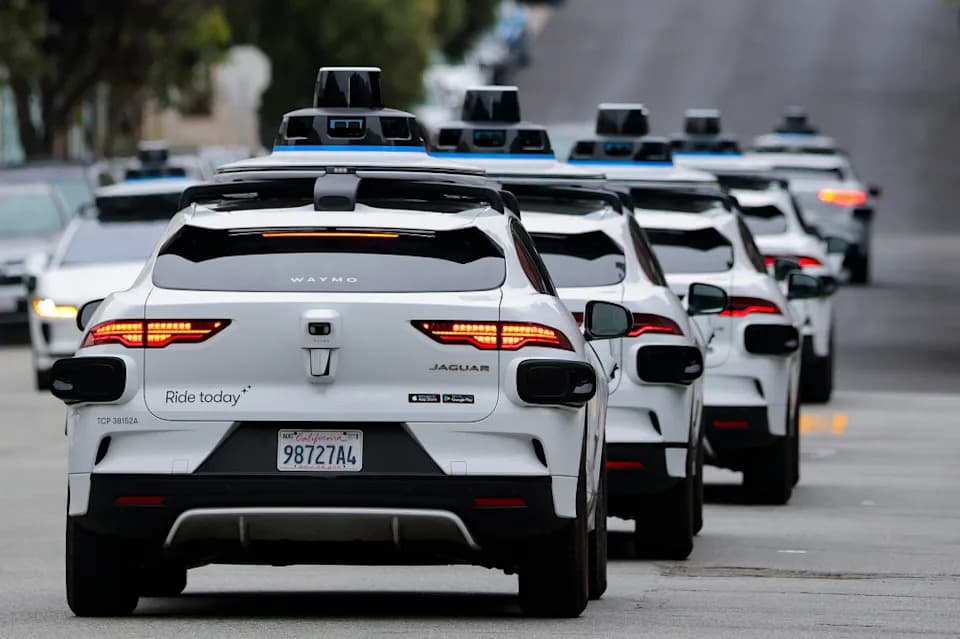
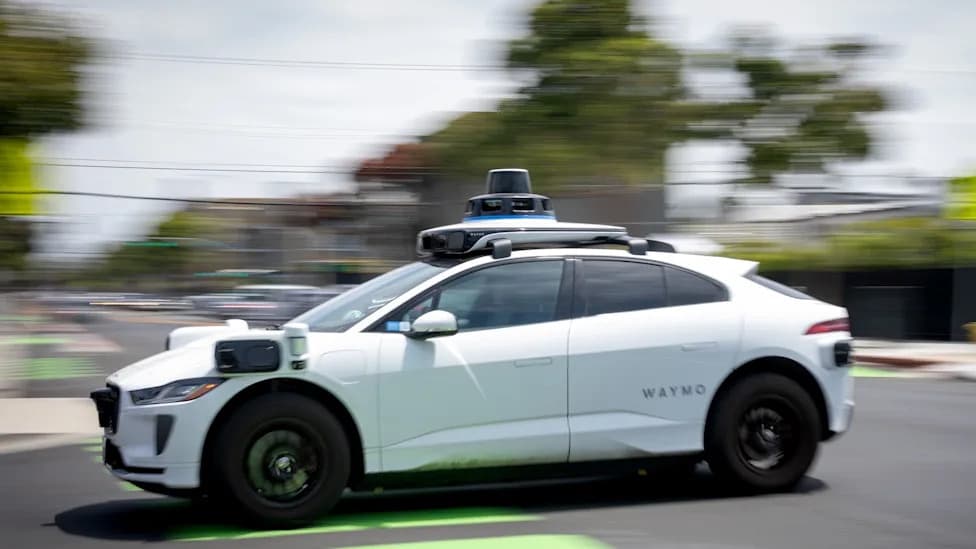
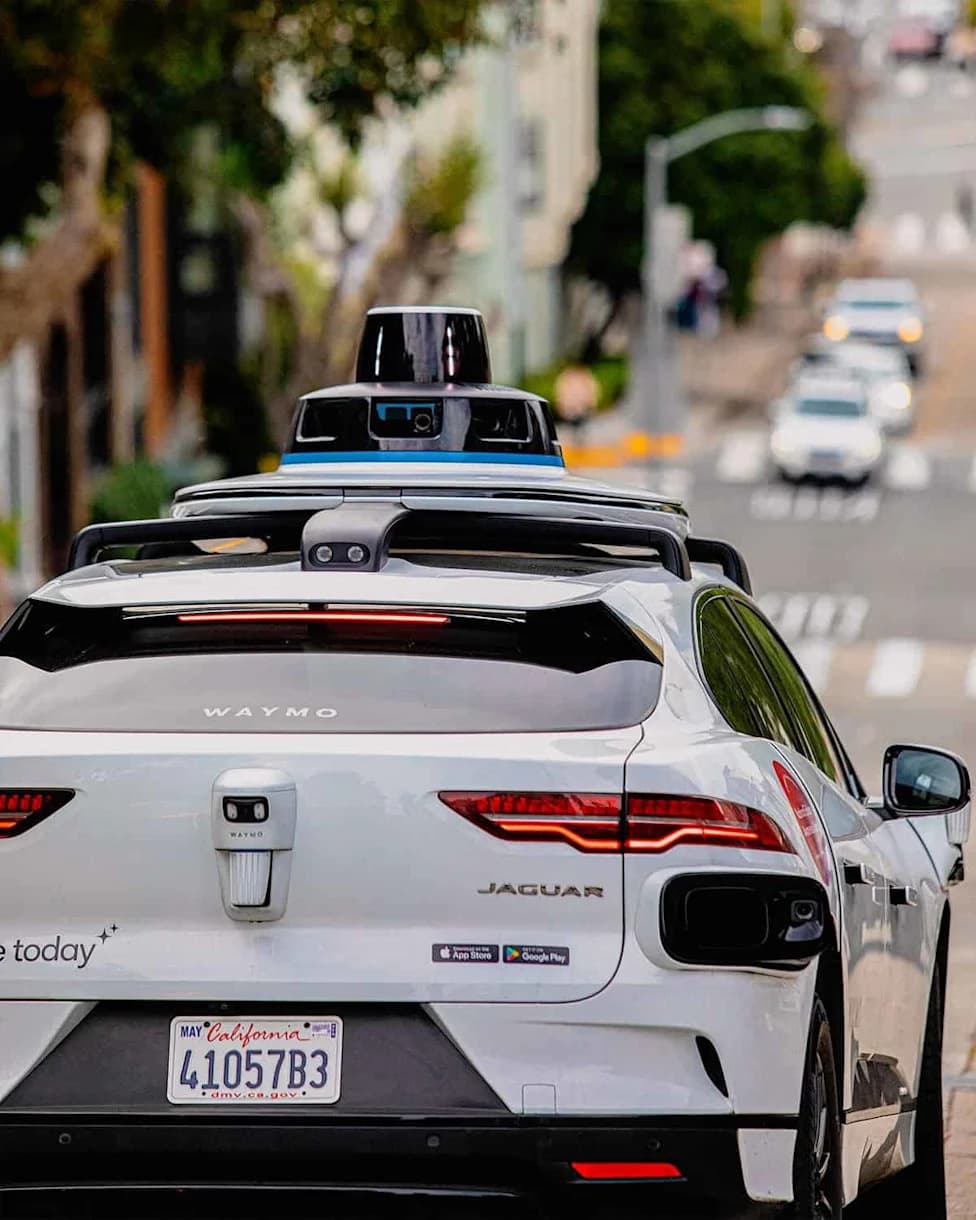
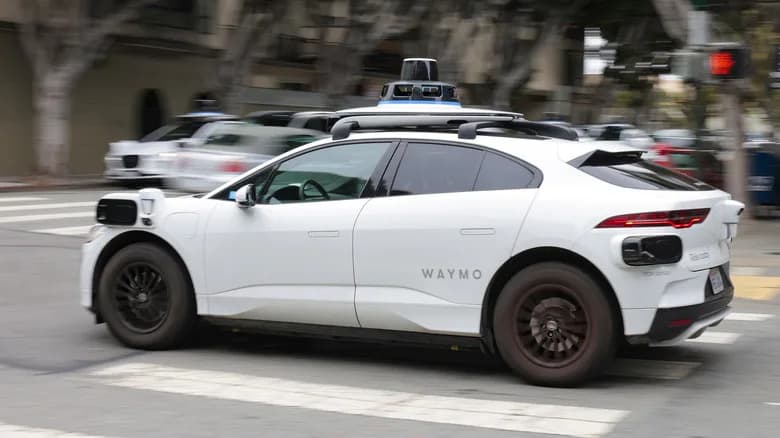
File photo: a line of Waymo robotaxis drives through North Beach on July 7, 2026 in San Francisco, California.
San Diego has become the latest battleground in the nationwide debate over autonomous vehicles after the City Council voted unanimously on September 14 to urge California lawmakers and Governor Gavin Newsom to give cities greater authority to regulate robotaxi operations.
Under current state law, oversight of autonomous vehicles in California is handled primarily at the state level: the Department of Motor Vehicles (DMV) oversees testing and deployment, while the California Public Utilities Commission (CPUC) regulates passenger-service operations. That framework leaves municipal officials with little formal control over how driverless fleets behave on local streets, prompting San Diego leaders to press for change after Waymo launched public service in the city earlier this month.
What the Resolution Seeks
- Restore local authority over autonomous passenger services so cities can enforce local ordinances and manage curb space.
- Require compliance with noise, curb-management and nuisance rules.
- Limit empty, circulating vehicles and restrict fleet facilities or charging hubs near sensitive sites like schools and hospitals.
- Prohibit autonomous vehicles at San Diego International Airport.
- Support H.R. 10033 (the AV Emergency Response Coordination Act) to set national standards for coordination with first responders.
City leaders emphasize they are not opposing the technology itself but want a stronger local voice on issues that affect public safety, traffic flow, jobs and neighborhood quality of life. Council member Sean Elo-Rivera, a primary sponsor of the resolution, said:
"I am not against the technology. I am against corporations taking the profit, working San Diegans taking the loss, and our city taking the risk while nobody here gets a vote. San Diego should not be a testing ground against our will and San Diegans should not be lab rats for an experiment run by tech billionaires."
Marni von Wilpert, chair of the City Council's Public Safety Committee, framed the measure as protection for workers, riders and first responders:
"Whether you're a rideshare user, a taxicab driver, or a first responder answering the call when something goes wrong, this resolution is about you. It's about demanding control over what operates on our streets."
Industry Response And Safety Claims
Waymo disputes many of the council's concerns, saying the company has worked with local first responders, trained hundreds of emergency personnel, and completed thousands of passenger trips safely. The company cites a fleet benchmark: through the end of March 2026 its vehicles had logged more than 220 million autonomous miles and — in comparable areas — were involved in 94 percent fewer crashes than human drivers.
Proponents of AV deployment argue the technology can reduce crashes caused by human error and expand mobility for older adults and people with disabilities, complementing existing transit and taxi services. Opponents point to risks beyond job losses: earlier this year the National Highway Traffic Safety Administration (NHTSA) warned developers about a "clear pattern" of autonomous vehicles interfering with law enforcement and other first responders.
Broader Context
San Diego's action echoes disputes in other California cities. San Francisco, for example, has frequently raised concerns about robotaxis blocking traffic and impeding emergency response; the city even considered localized fines for AVs that obstruct first responders. Waymo now operates commercial services in many U.S. cities — including Los Angeles, San Francisco, Las Vegas, Phoenix, Miami and several Texas cities — and is testing in others such as Seattle and Detroit.
For now the San Diego resolution is largely symbolic: it cannot override state law. But it highlights a growing national tension over who should decide how autonomous vehicles reshape urban life — state regulators and technology companies, or the communities where these vehicles operate. The council's move could prompt other municipalities to press for similar local powers as robotaxi services expand.
File photo: A line of Waymo robotaxis drives through North Beach on July 7, 2026, in San Francisco, California.
Help us improve.