The FCC updated its Covered List on July 28–29, 2026 to include foreign‑made “advanced robotic devices,” blocking new models from receiving the Equipment Authorization required to enter the U.S. market. Several companies showcased articulating trimming arms at IFA 2026 that finally let robots cut flush along fences and sidewalks, but those models are now barred from U.S. sale unless exempted. Previously authorized robots remain legal to own, and legal analysts say exemption routes are complex and uncertain. Critics argue cybersecurity certification could address vulnerabilities without a broad country‑of‑origin ban.
FCC Ban Keeps Edge‑Trimming Robomowers Off U.S. Lawns
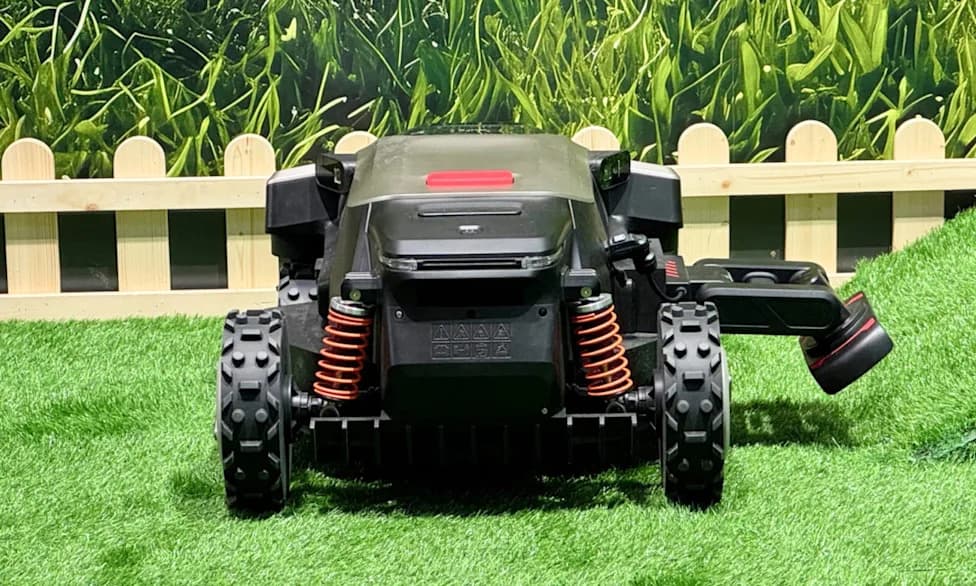
Image: Gizmodo
Millions of robotic lawn mowers sold in the United States still leave an uncut strip of grass along fences and edges — a job most homeowners finish with a handheld string trimmer. At IFA 2026 in Berlin several manufacturers demonstrated a practical fix: articulating trimming arms that let robots cut flush against fences and sidewalks. But a late‑July 2026 FCC update now prevents those foreign models from entering the U.S. market.
What the FCC Changed
On July 28–29, 2026, the Federal Communications Commission updated its Covered List, designating foreign‑produced “advanced robotic devices” as equipment that could pose unacceptable national security risks. The change blocks new foreign models that meet the agency’s functional criteria from receiving FCC Equipment Authorization — the certification needed to import, market, or sell connected devices in the United States. Devices already authorized before the update remain legal to sell and own.
Who Gets Caught In The Sweep
The FCC’s functional definition focuses on capability rather than form: mobile, foreign‑made devices weighing more than 4.4 pounds, with network connections above 200 kbps, environmental sensors, and AI/ML navigation software. That definition extends beyond humanoid or quadruped robots to cover many modern robomowers. In practice this means:
- New foreign‑made ground robots that meet those specs cannot receive FCC authorization.
- Previously approved models remain legal to sell and own in the U.S.
- Foreign manufacturers such as Segway, Mammotion, Dreame, and Eufy are effectively blocked unless they obtain a formal exemption.
- Exemption processes exist on paper but are complex and legally uncertain, according to analyses from Fenwick and Morrison & Foerster (MoFo).
Practical Impact: The Mowers You Won't See
At IFA, multiple companies showcased solutions to the persistent edge‑trimming problem. Examples include:
- Segway Navimow H5 Pro — a side‑blade arm paired with PanoGuard 360° object detection that stops blades when people or animals approach.
- Mammotion Luba and Yuba 4 AWD — modular trimming‑arm attachments for edge work.
- Dreame A4 AWD Pro — a horizontal string‑trimmer arm built into the robot body.
- Eufy Lawn Mower S2 Max — an articulated arm that operates horizontally for wall edges and vertically for sidewalk edging.
These products are going on sale in Europe and Asia, but under the FCC update they face a regulatory wall if their manufacturers want to market them in the U.S.
Security Claims And The Policy Tradeoff
The FCC cites national security and supply‑chain concerns. Security researchers have demonstrated real threats — for example, a remote takeover of a Yarbo blade‑equipped automower — showing that connected lawn robots can be hacked and that weak authentication and insecure APIs are real problems. Those risks are serious when devices contain spinning blades.
However, critics note the rule targets country of origin and new devices rather than requiring cybersecurity certification or remediation for models already on store shelves. Many of the vulnerabilities could be mitigated through stronger cybersecurity standards, certification, and patching requirements without preventing proven products from reaching consumers.
Market And Policy Implications
There is no ready U.S. consumer robomower industry poised to replace the blocked imports. U.S. robotics expertise is concentrated in industrial automation, defense, and logistics rather than suburban yard equipment. The timing of the FCC action — weeks before the planned Trump–Xi summit in late September 2026 — also raises questions about geopolitical signaling.
Bottom line: The robomowers that finally solved edge trimming are real and available overseas, but U.S. homeowners will likely continue relying on manual trimmers for the foreseeable future unless exemptions or policy changes occur.
Help us improve.