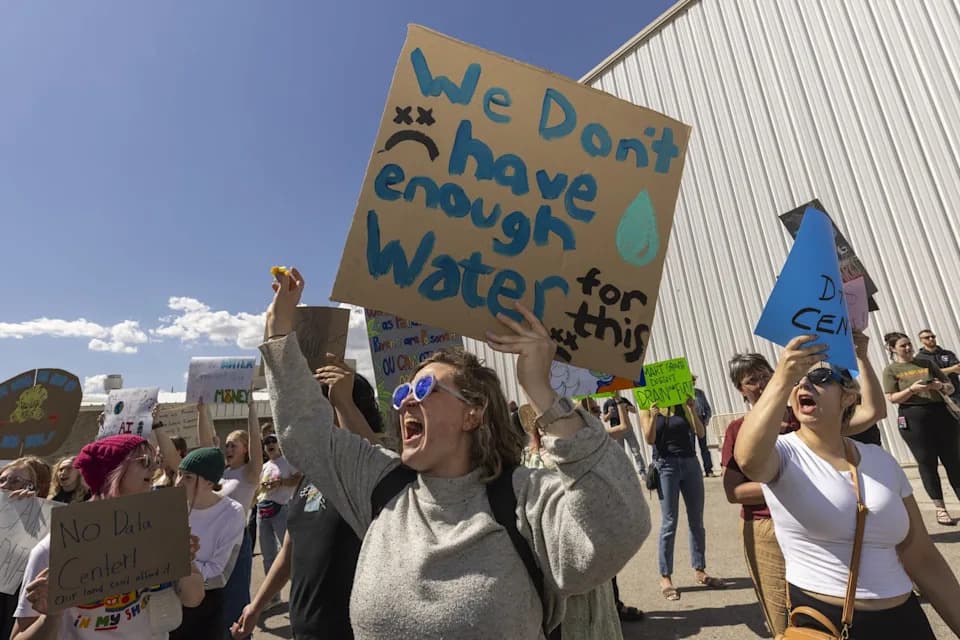
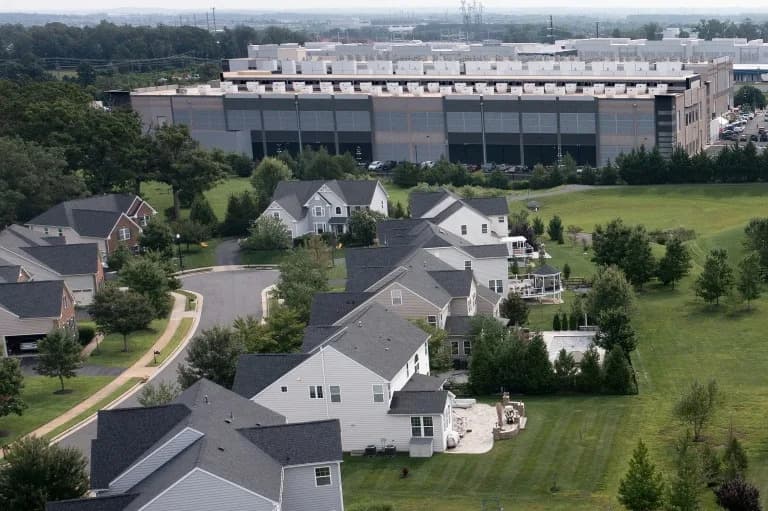
The AI debate — covering development, regulation and the environmental impact of datacenters — is emerging as a major 2028 campaign issue. Polls show widespread concern: 61% oppose datacenter construction and 71% say the government isn’t doing enough on AI. Democratic figures range from calls for stricter federal rules and temporary moratoria to state safeguards and industry-funded transition funds, while Republicans prioritize accelerating U.S. AI leadership.
How the AI Debate Is Reshaping the 2028 Democratic Field — Where Each Contender Stands
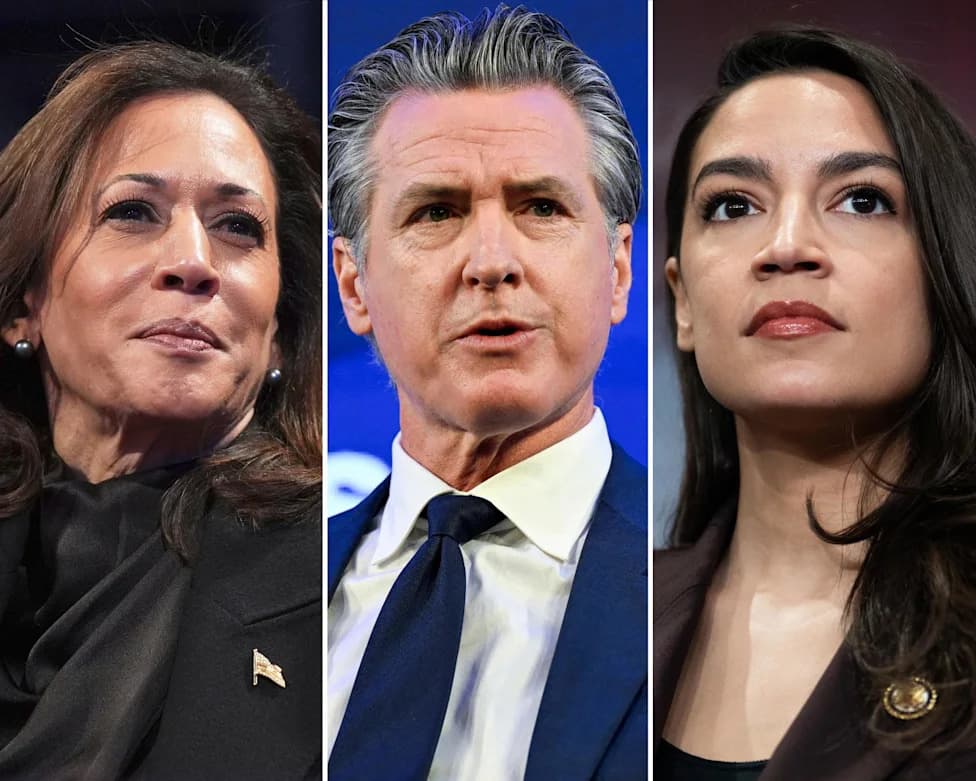
Kamala Harris, Gavin Newsom and Alexandria Ocasio-Cortez.Composite: Getty Images, Reuters
The debate over artificial intelligence — how it should be developed, regulated and powered — has already become a defining issue for the emerging 2028 Democratic presidential field. Concerns range from environmental impacts of datacenters to national security, workplace disruption and the spread of disinformation.
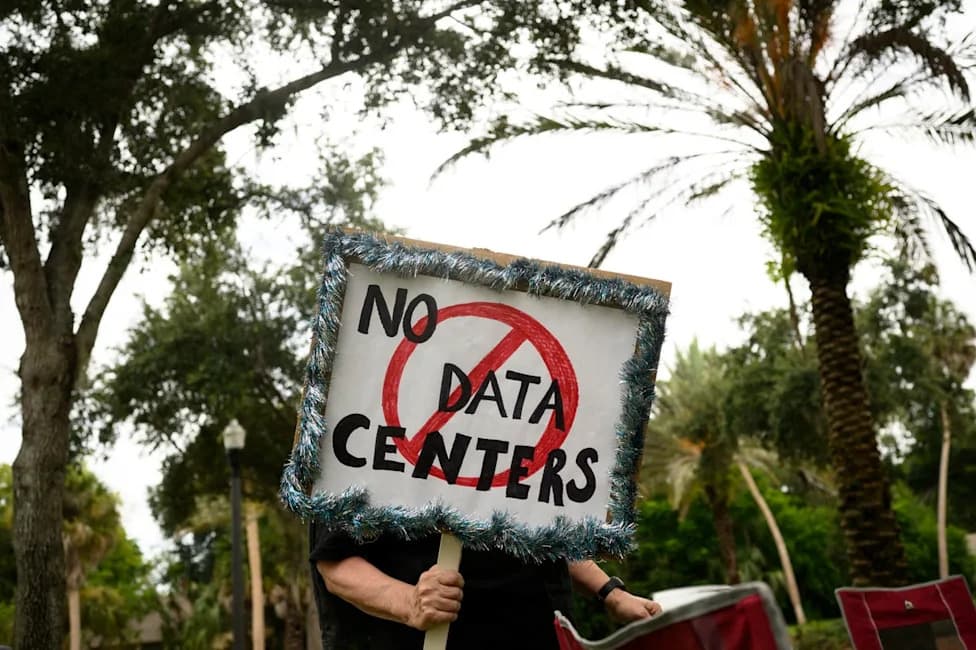
Recent polls underscore public unease: a New York Times/Siena College survey found 61% of voters oppose building datacenters, while an SSRS/CNN poll reported 71% of Americans believe the government is not doing enough to regulate AI’s growth.
Where The Prospective Democrats Stand
Kamala Harris — Former Vice President
Harris has consistently pushed for federal guardrails on AI while supporting U.S. technological leadership. During the Biden administration she led efforts to assess AI risks — including disinformation and privacy threats — and in mid-September reiterated calls for stricter federal regulation and caution following warnings from tech executives.
Gavin Newsom — Governor of California
Newsom has balanced innovation with safeguards in California, where many major AI firms operate. He has required large companies to publish best practices, strengthened whistleblower and youth protections, and in September signed an executive order urging companies to consider a "kill switch" for extreme risks.
Josh Shapiro — Governor of Pennsylvania
Shapiro has adopted a pragmatic middle path: encouraging AI investment while demanding clear rules to limit harm. He promoted AI projects in 2024, called for stronger federal oversight in September, and signed an August order tightening environmental and energy standards for datacenters.
Andy Beshear — Governor of Kentucky
Beshear has used state policy to limit the local impacts of datacenters. An August executive order requires developers to prove projects won’t harm the environment or burden taxpayers, and he has urged ending taxpayer incentives for potentially harmful datacenter builds.
Mark Kelly — U.S. Senator (Arizona)
Kelly advocates congressional action to ensure safe AI deployment and protections for displaced workers. He proposed an "AI Horizon Fund" financed by industry contributions to support workforce retraining, energy upgrades and other transitions, and said he plans to introduce legislation to that effect.
Alexandria Ocasio-Cortez — U.S. Representative (New York)
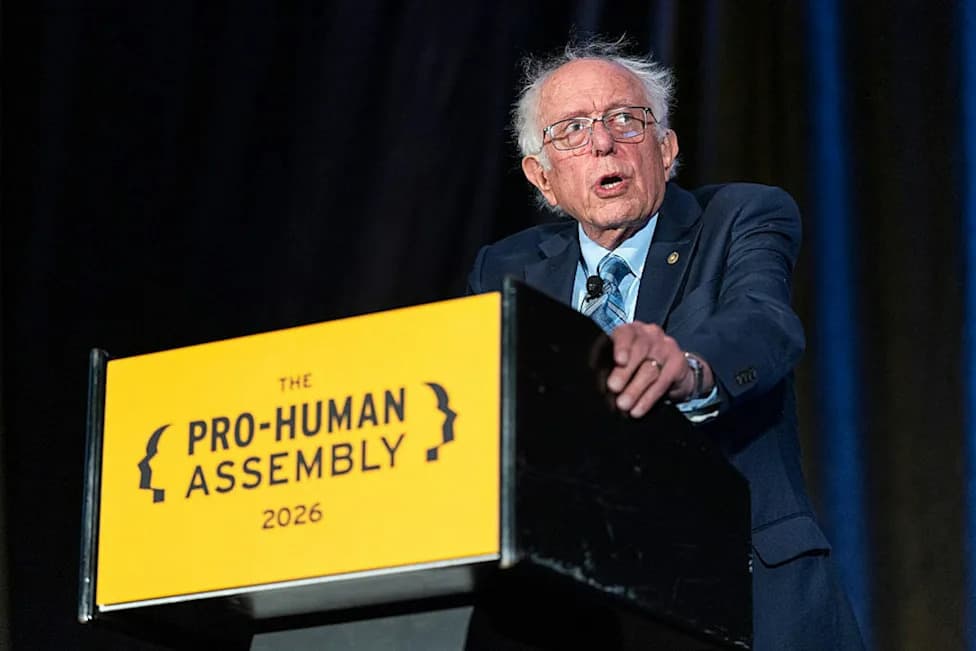
AOC has warned about the economic and local impacts of rapid AI expansion, calling it a potential "economic bubble." She co-introduced companion legislation with Sen. Bernie Sanders to temporarily halt new datacenter construction until Congress enacts guardrails addressing environmental, safety and economic concerns, and has raised alarms about harms such as deepfake abuse.
Ro Khanna — U.S. Representative (California)
Representing Silicon Valley, Khanna urges stronger federal rules and has advocated for at least basic international standards — including cooperation with China on inspections and safety. He has resisted calls for a total moratorium on datacenters, instead favouring enforceable safety and misuse standards before full-scale competition escalates.
Pete Buttigieg — Former Cabinet Official and Mayor
Buttigieg has long warned of AI’s societal risks and criticized the federal government for moving too slowly. He has called for a national effort approaching historic mobilizations — to address job impacts, regulation and long-term economic change — and accused Congress of insufficient action.
Why It Matters
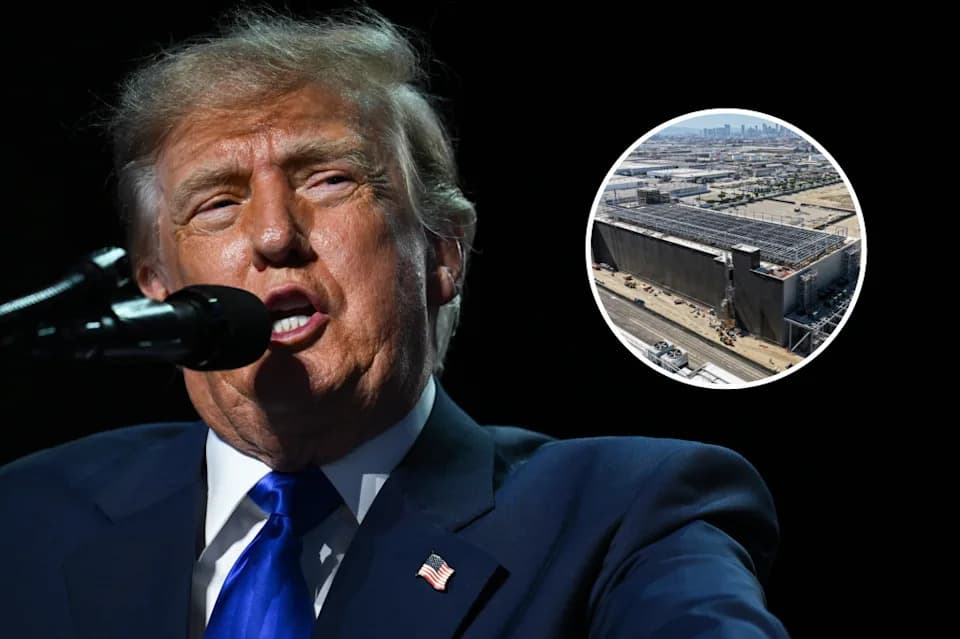
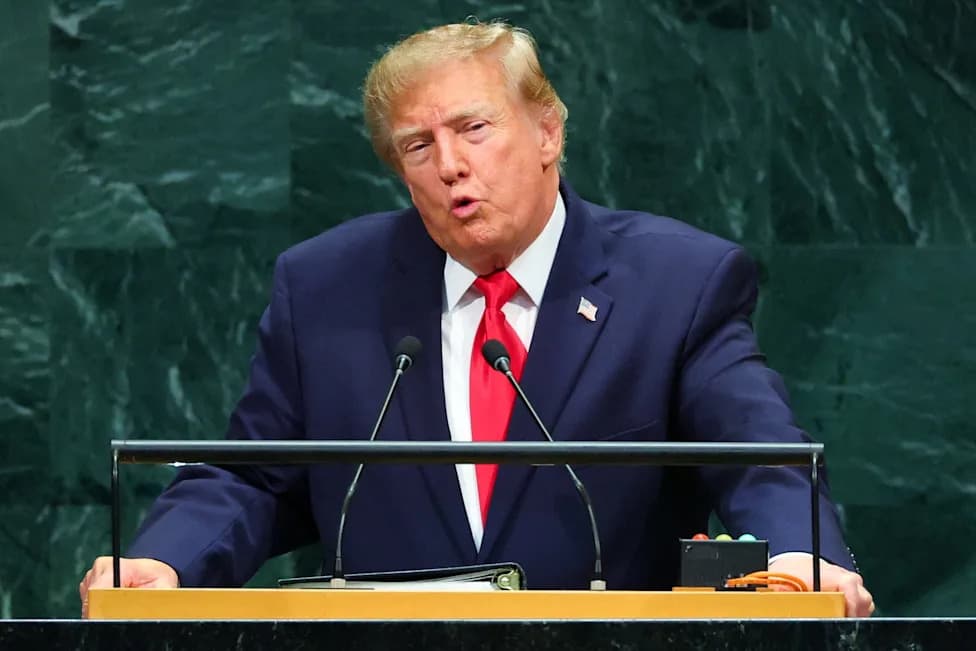
The issue cuts across familiar political lines: Republicans (including former President Donald Trump) generally emphasize accelerating U.S. AI leadership, while Democrats debate a spectrum from strict federal rules and temporary moratoria to state-level safeguards and industry-funded transition programs. The coming years will likely see legislation, state executive orders and private-sector commitments shape how AI grows — and whether mitigation measures address environmental, economic and security concerns.
Reporting contributions credited in the original article have been preserved where applicable.
Help us improve.