Summary: Motaz Azaiza, a Gaza photojournalist recognized internationally, said on the Taqqarrab podcast that he filmed but did not publish footage of Israeli hostages being beaten during the October 7, 2023 attacks. He said he withheld the material to avoid exposing the individuals shown to potential Israeli reprisals and to avoid feeling responsible for their deaths. Azaiza also described severe pressures on Gaza journalists and widespread self-censorship amid fears of punishment.
Gaza Photojournalist Says He Withheld Footage of Oct. 7 Attacks, Citing Fear of Israeli Retribution
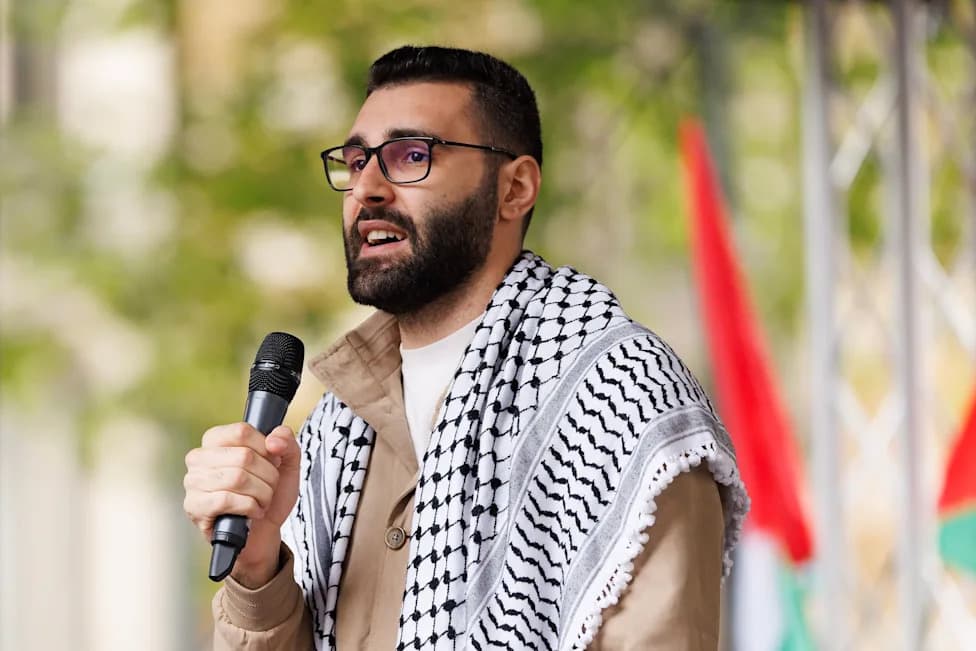
(Photo Credit: @motaz_azaiza on Instagram)
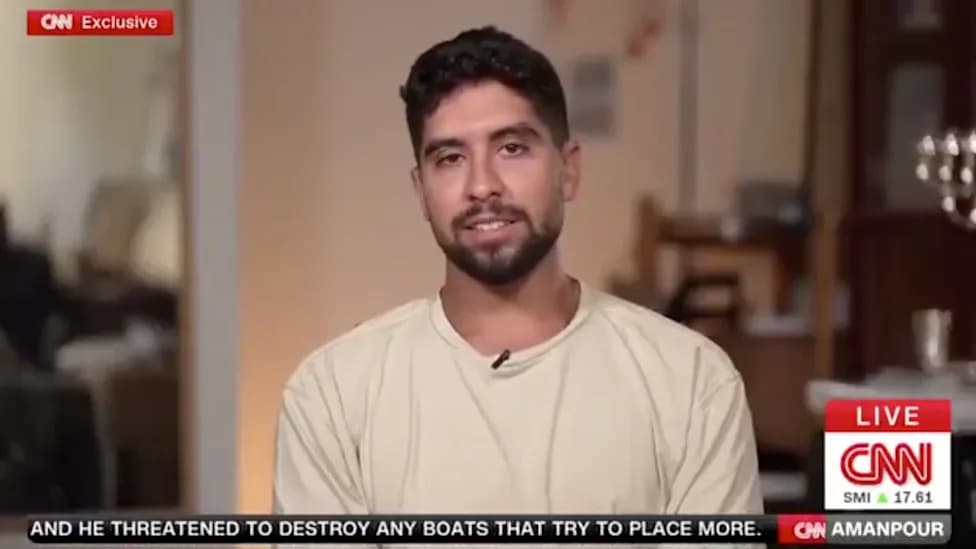
Motaz Azaiza, a Gaza-based photojournalist who has received international recognition, told a podcast he filmed violent scenes during the October 7, 2023 attacks but chose not to publish footage showing Israeli hostages being beaten. The comments, shared on the Taqqarrab podcast and reported by the New York Post, sparked renewed debate about the ethical and security dilemmas facing journalists working in Gaza.
What Azaiza Said
“People got out, watched, beat them, hit them, and I followed them and filmed,” Azaiza said. “But I did not publish those videos.”
Azaiza explained that he withheld the material because he feared Israeli forces might use the footage to identify and target the individuals shown committing violence. “I did not want to ruin the lives of the people who were filmed,” he said, adding he did not want to feel “responsible” for anyone’s death after the October 7 assault, which resulted in mass casualties and the taking of hostages.
Claims About Media Conditions in Gaza
In the same interview, Azaiza described severe constraints on reporting inside Gaza, saying journalists face pressure and the threat of punishment if they publish material that portrays militant groups unfavorably. He told listeners that, in his experience, information is often circulated within closed channels and that reporters frequently self-censor to avoid reprisals.
Recognition and Public Profile
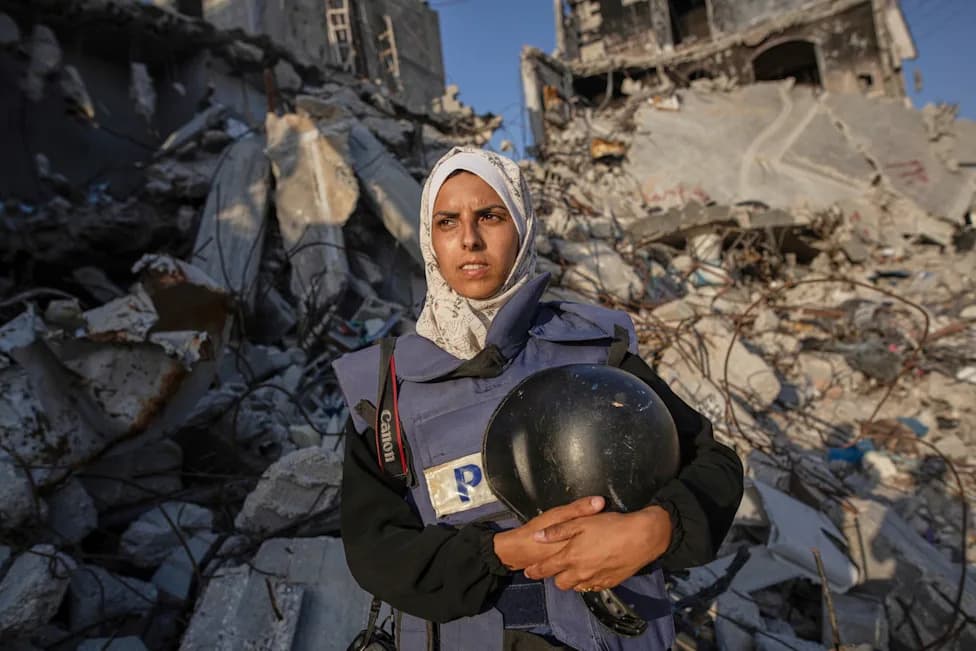
Azaiza’s work has been widely shared and praised internationally; he has been featured in Time magazine’s list of influential figures and has been reported as a Nobel Peace Prize nominee. Those accolades, his supporters say, reflect his long-form coverage of life under bombardment and the humanitarian consequences in Gaza.
Public Appearances
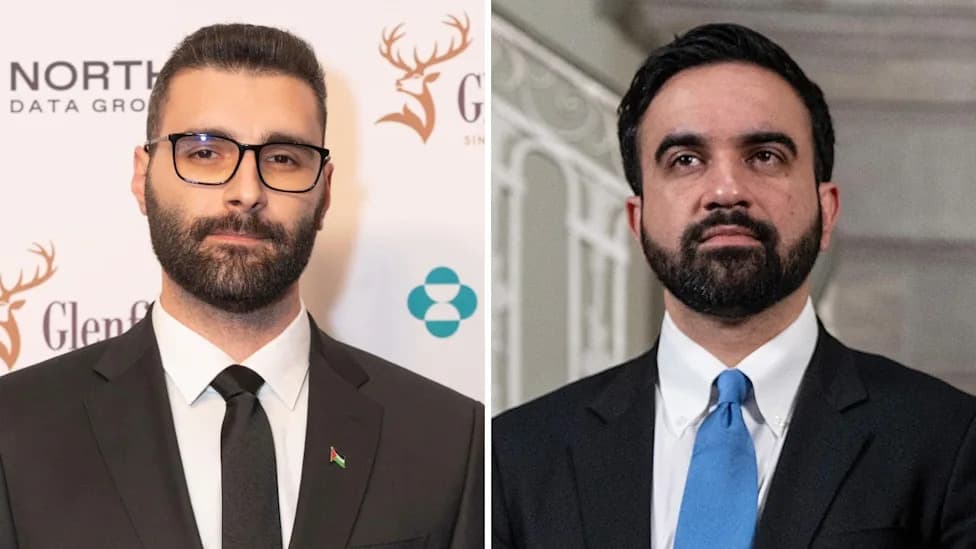
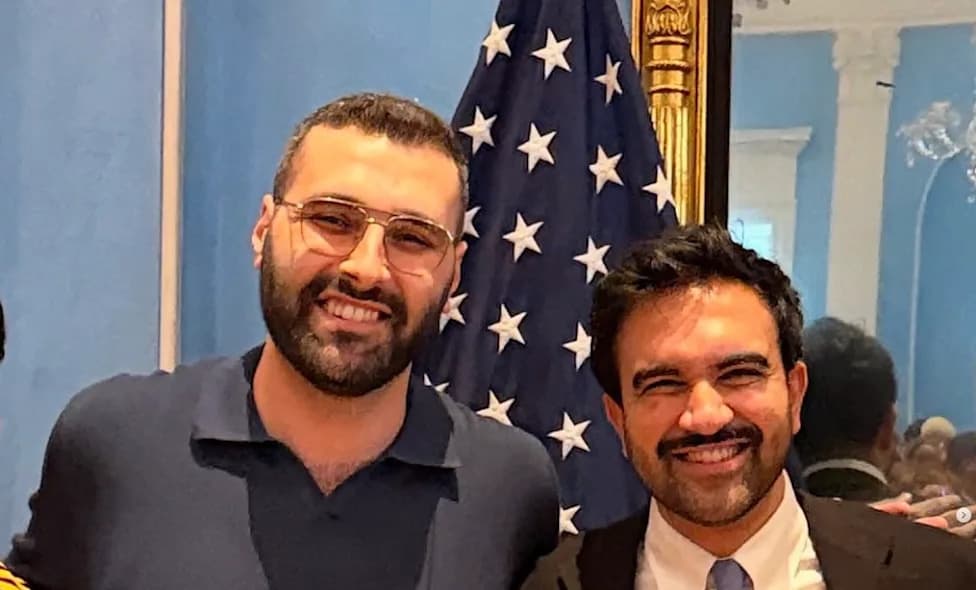
Media coverage has also noted Azaiza’s public appearances with New York political figure Zohran Mamdani. Photographs and social-media posts show the two together at campaign events and other gatherings, which has drawn attention in some U.S. media outlets.
Context and Ethical Questions
The admission that footage was withheld raises complex ethical questions about journalism in conflict zones: balancing the duty to document wrongdoing and inform the public against concerns for individuals’ safety and the risk that published material could lead to retribution. Observers and press-rights groups emphasize the need for thorough verification of claims and careful consideration of the risks to sources, witnesses and journalists themselves.
Sources
This report is based on Azaiza’s remarks on the Taqqarrab podcast and subsequent coverage by the New York Post and other outlets. Azaiza’s prior profiles in international media, including Time, have described his frontline reporting from Gaza.
Help us improve.