The New York Times corrected a passage in a Venice Film Festival report on the documentary NAZA, removing a line that critics said made Israelis' Oct. 7 victimhood seem a matter of "perception." The Editor's Note called the change an "editing error." The move revived debate over the paper's Israel coverage, editorial oversight, and prior controversies—including an unsubstantiated allegation reported in a Nicholas Kristof column. Observers say the episode highlights the importance of precise language in conflict reporting.
NYT Correction on Venice Film Report Sparks Debate Over Israel Coverage
ANGELA WEISS/AFP via Getty Images
The New York Times issued a correction this week after removing a sentence from a report on a documentary that premiered at the Venice Film Festival. The film, titled NAZA, examines Israel's military operations in Gaza and includes recorded statements from anonymous soldiers and intelligence officials; the material has prompted responses from the Israel Defense Forces and the country's culture ministry.
What drew particular scrutiny was a short passage by correspondent Isabel Kirschner that the paper characterized as an editing mistake. The Times published an Editor's Note to explain the revision.
Editor’s Note: "Because of an editing error, an earlier version of this article included a statement that was intended to convey Israelis' perception of the government's military response to the Oct. 7 terror attack in relation to the attacks, but inadvertently suggested that Israelis' experience as terror victims was a matter of perception. It has been removed from the article."
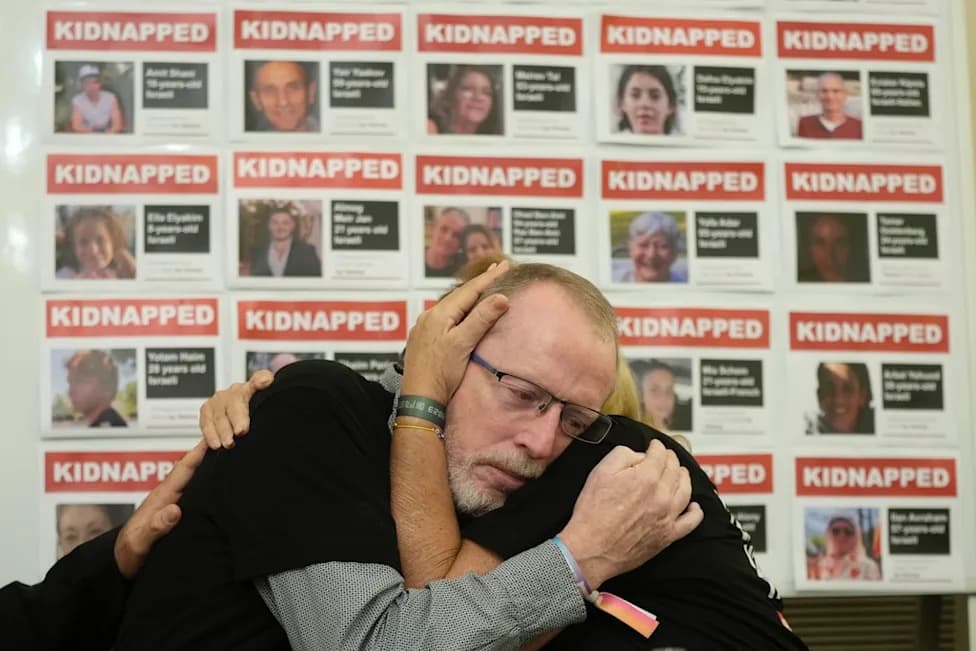
The sentence removed—"But Israelis still largely view themselves as the victims of Oct. 7."—prompted debate because it framed the victims' status on Oct. 7 as if it could be interpreted merely as a subjective perception. Many observers argued that the events of Oct. 7 are a settled factual matter: Hamas militants infiltrated Israel on that day, killing more than 1,200 people and abducting over 200 hostages.
Critics say the phrasing was not a neutral description of public sentiment but an imprecise wording that risked implying the attacks themselves are open to question. Beyond the single sentence, the episode reignited broader concerns about the Times' editorial oversight. Critics point to a pattern of corrections and clarifications in the paper's Israel coverage and ask whether such lapses disproportionately follow reporting that casts Israel in a negative light.
One widely cited example is a column by Nicholas Kristof that reported allegations—circulated in some outlets—that Israeli forces had used so-called "rape dogs" on detained Palestinians. Those specific allegations have not been substantiated by independent evidence and drew significant criticism; the column highlighted how serious claims require particularly rigorous sourcing and verification.
Supporters of the Times argue that complex conflicts produce difficult reporting challenges and that corrections are part of responsible journalism. Detractors counter that recurring phrasing errors and high-profile controversies erode trust and suggest the need for stronger editorial safeguards.
Whatever the view, the episode underscores the power of concise wording in shaping public understanding of sensitive events. In reporting on conflict, precise language and rigorous editing are essential to ensure readers receive accurate context without unintended implications.
Help us improve.