The 2025 olive ridley Arribada in Odisha reached record levels: nearly 700,000 turtles nested at Rushikulya and about 900,000 across the state, arriving mainly in two waves (Feb 15–23 and Mar 20–27). Each female lays 100–150 eggs, but survival to adulthood remains extremely low (~0.1%). Patrols by the Odisha Forest Department and the Indian Coast Guard protect nesting beaches, but threats such as bycatch, egg harvesting, light pollution and climate change continue to endanger the species.
Nearly 700,000 Olive Ridley Turtles Nested at Rushikulya Beach in Odisha’s Record 2025 Arribada
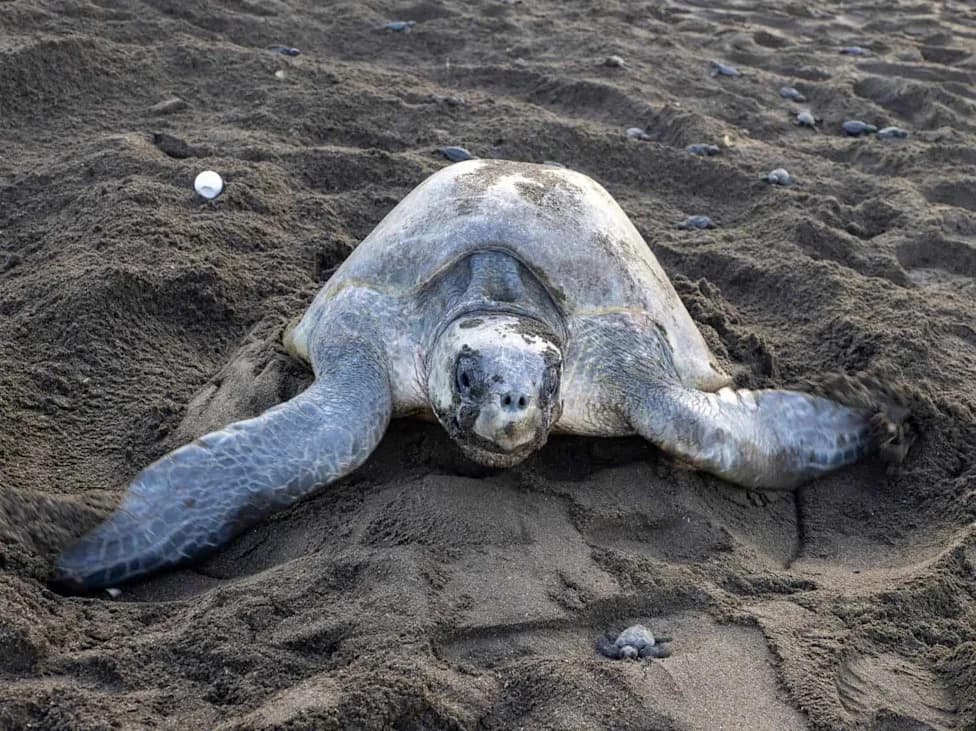
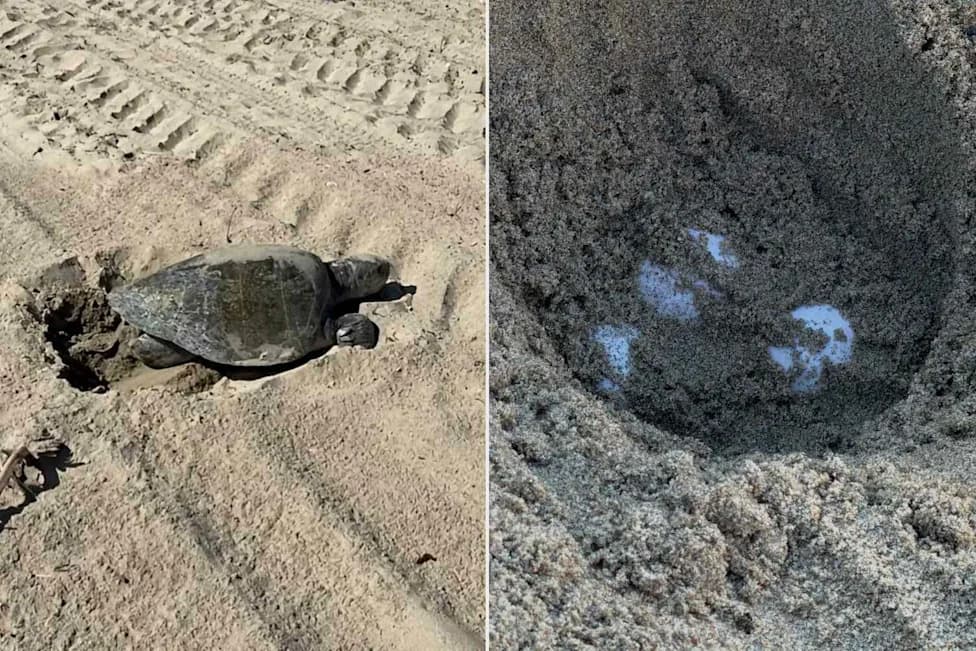
Rare sight of an adult Olive Ridley sea turtle (Lepidochelys olivacea) laying eggs on a Costa Rican beach alongside a freshly hatched baby turtle making its way to the ocean© Scupix/Shutterstock.com
Each year, olive ridley sea turtles stage a brief but spectacular nesting migration — the Arribada — coming ashore only to dig nests, lay eggs and return to the ocean. In 2025 Odisha experienced a record season: nearly 700,000 olive ridleys nested at Rushikulya alone, and about 900,000 nested across the state.
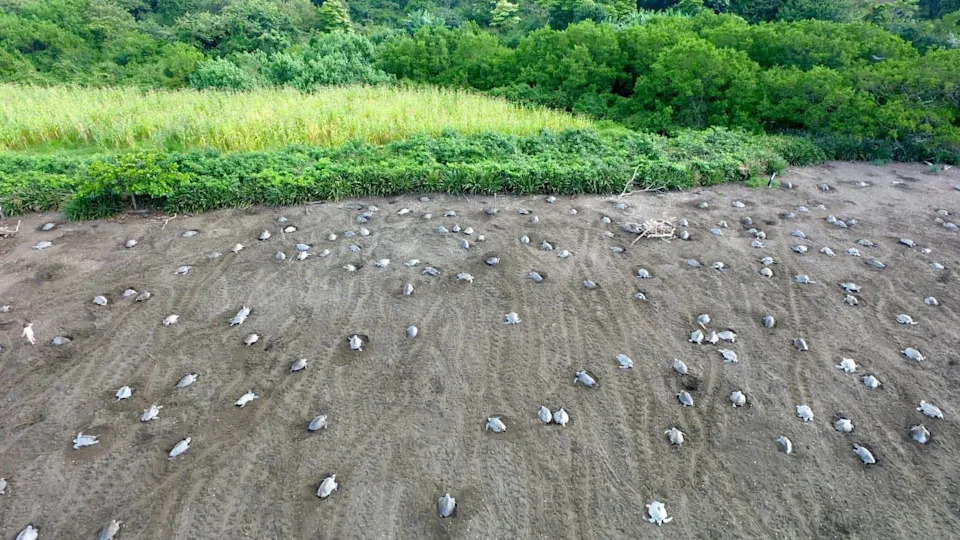
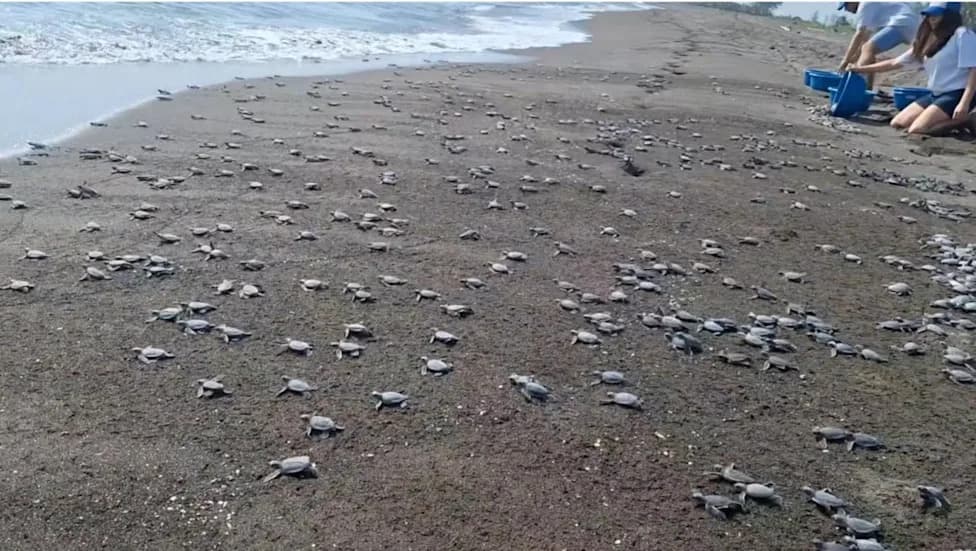
Olive ridley turtles come en masse to lay eggs in Odisha, India.©Vanessa Bezy/Shutterstock.com
Two Major Nesting Waves
Officials divided the Rushikulya arrivals into two main phases: a first surge from February 15–23 (about 698,700 turtles) and a second wave from March 20–27 (roughly 200,000 turtles). The concentration of so many turtles in a few days is what gives the event its Spanish name Arribada, meaning “arrival” or “landing.”
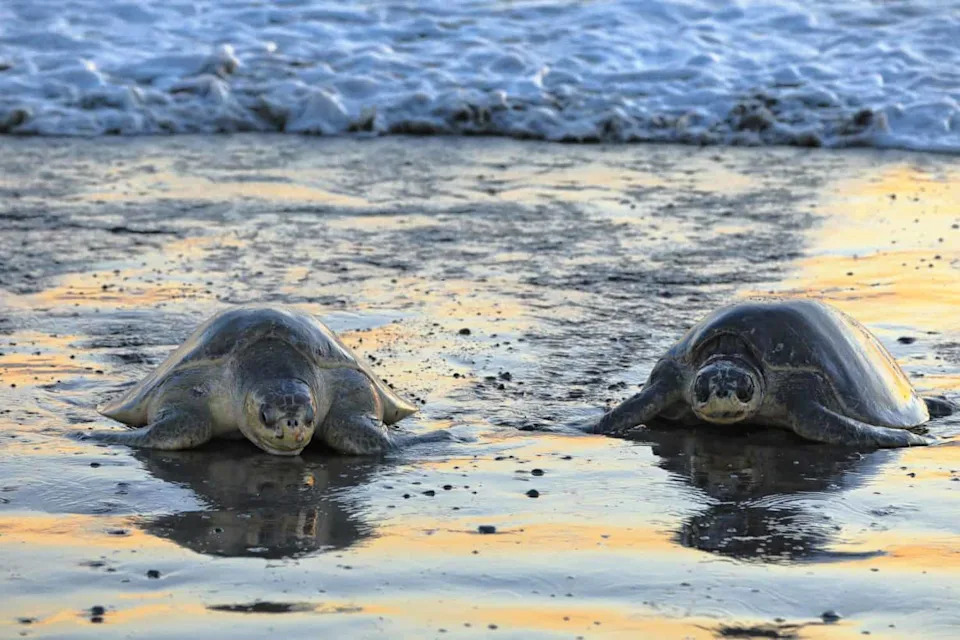
Olive ridley turtles return to the same beach they hatched from when they reach maturity.©Balakate/Shutterstock.com
Where They Come From — And How They Find Home
Female olive ridleys return to the stretch of coastline where they hatched, sometimes a decade or more after emerging as hatchlings. They use magnetoreception — a sensitivity to Earth’s magnetic field — and cues such as currents, shoreline slope and water chemistry to navigate. Most olive ridleys do not travel far from their natal beach, typically staying within about 450 miles of it.
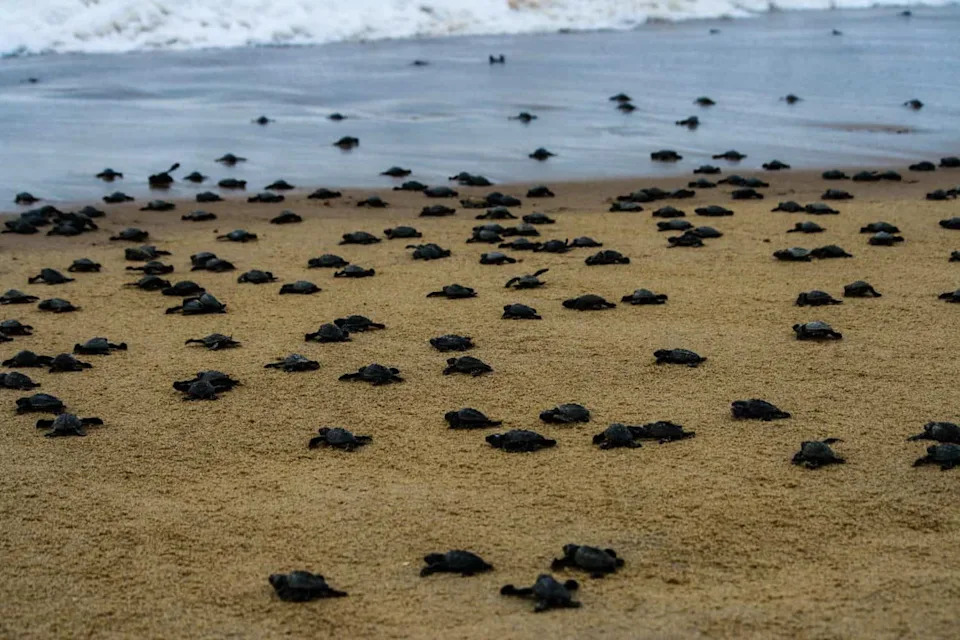
Each olive ridley turtle will lay between 100 and 150 eggs each season.©EKTA CHAURASIA/Shutterstock.com
Reproduction And Survival
A single female typically lays 100–150 eggs in a nesting season. Despite the huge number of eggs deposited during Arribadas, survival is extremely low: current estimates suggest only about 0.1% of hatchlings (roughly one in 1,000) reach adulthood.
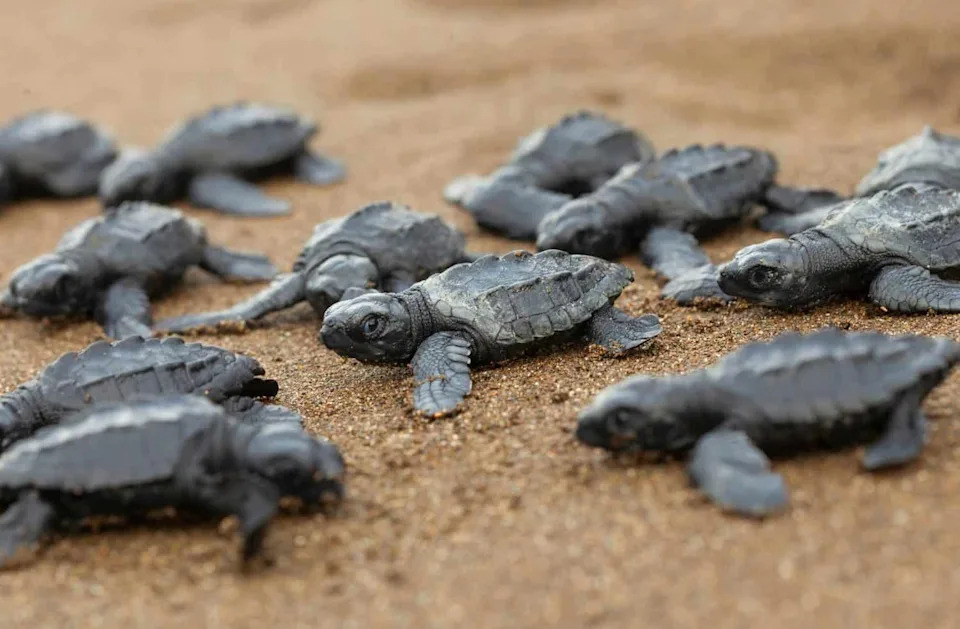
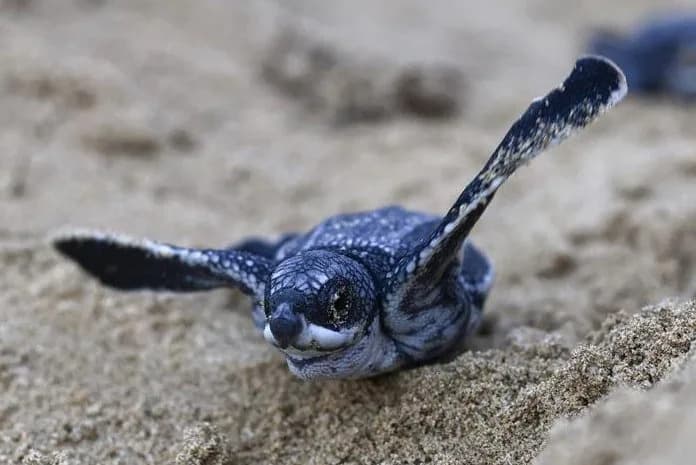
The timing of olive ridley turtle hatching depends on environmental conditions.©Memo Ossa/Shutterstock.com
Incubation And Hatchling Challenges
Egg incubation usually takes 45–60 days, depending on environmental conditions. Factors that influence hatching success and timing include:
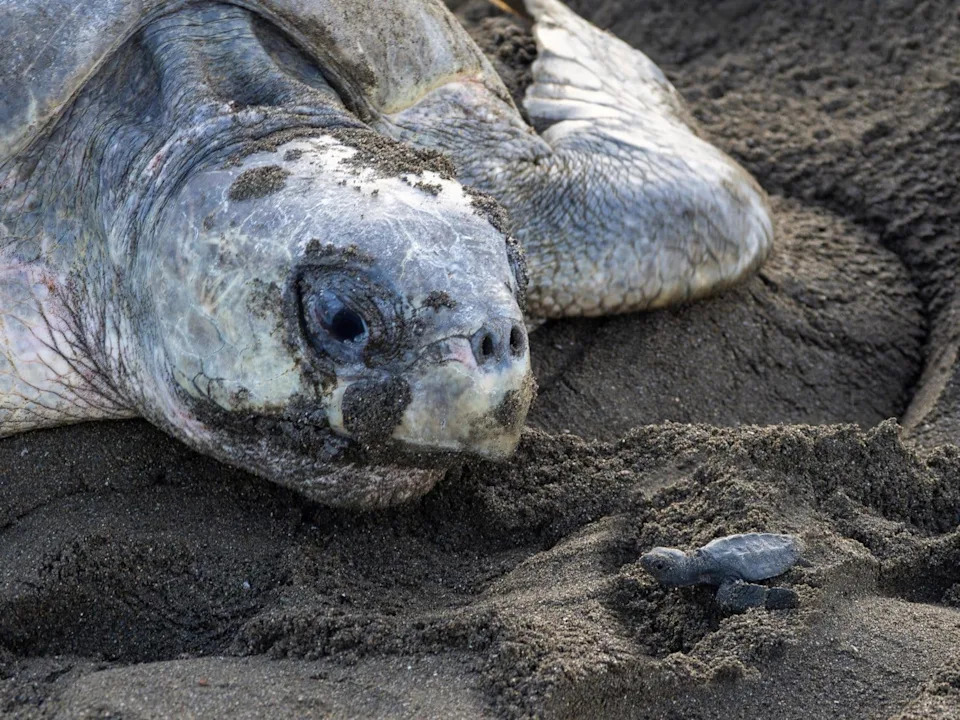
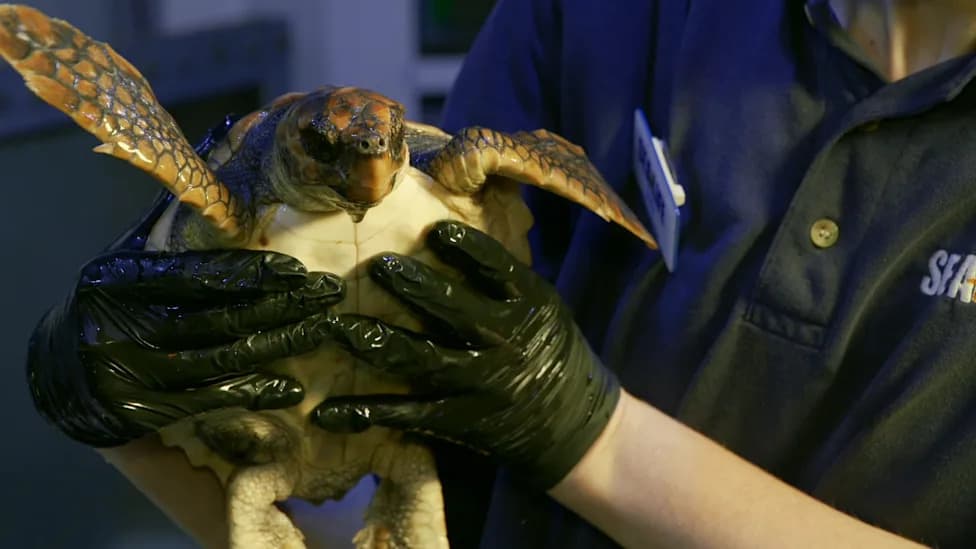
Olive ridley turtles face threats both in adulthood and as hatchlings, leading to a declining population.©Scupix/Shutterstock.com
- Temperature stability
- Wind and tidal patterns
- Beach quality and sand composition
- Climate change and warming seas
Hatchlings must reach the sea quickly to avoid dehydration and predation. Artificial lighting, debris and terrestrial predators cause heavy losses during the crawl to the ocean.
Threats And Conservation
Olive ridley turtles are listed as Vulnerable by the IUCN, and populations are declining. Major threats include:
- Fishing bycatch
- Harvesting of turtles and eggs for food
- Poaching
- Artificial lighting near nesting beaches
- Vessel strikes and marine debris (especially plastic)
- Climate change, including warming ocean temperatures
Because the turtles return to predictable beaches, local authorities can concentrate protection efforts. The Odisha Forest Department and the Indian Coast Guard routinely patrol and safeguard nesting beaches during the season, helping reduce some human threats.
Why This Matters
The 2025 Arribada at Rushikulya was extraordinary in scale and highlights both the resilience and vulnerability of olive ridleys. Protecting nesting beaches and reducing at-sea threats are essential if even a tiny fraction more hatchlings are to survive and bolster future populations.
Help us improve.