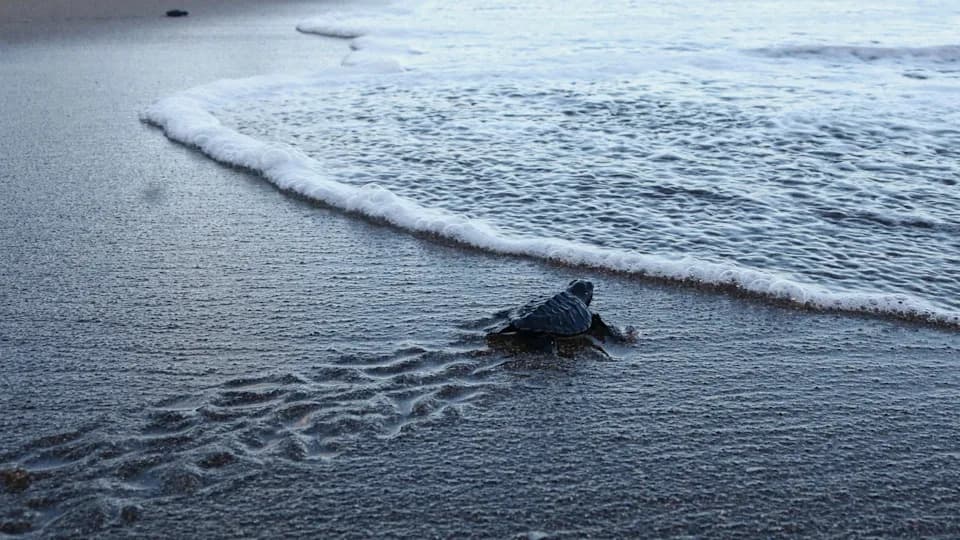
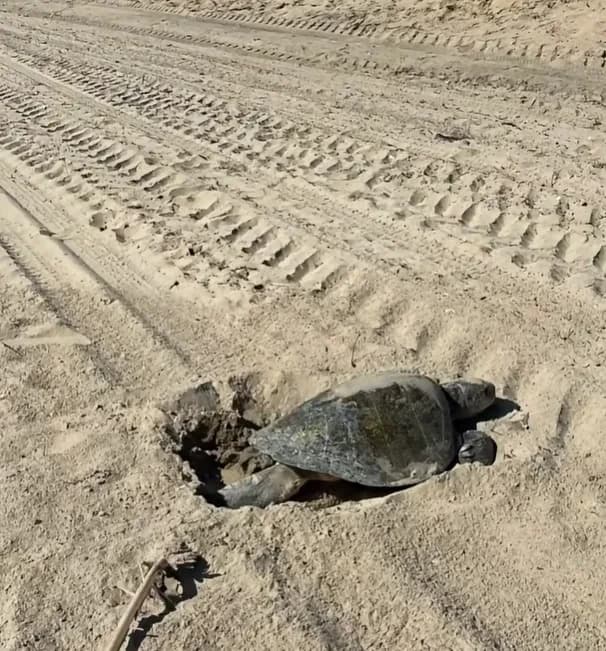
Betty, a loggerhead sea turtle found cold‑stunned on Dunwich beach in February, has completed seven months of rehabilitation and will be flown from Hunstanton to the Azores for release. She and Olive, a companion turtle rescued in Scotland in December, underwent x‑rays and CT scans and received careful, gradual warming to recover from cold‑stunning. The turtles are due to depart on 28 September and will be monitored for up to two weeks before release. Experts warn that warmer summer seas are pushing some loggerheads north, increasing the risk of cold‑stunning when waters cool.
Betty the Cold‑Stunned Loggerhead Set For Release In The Azores After Seven Months
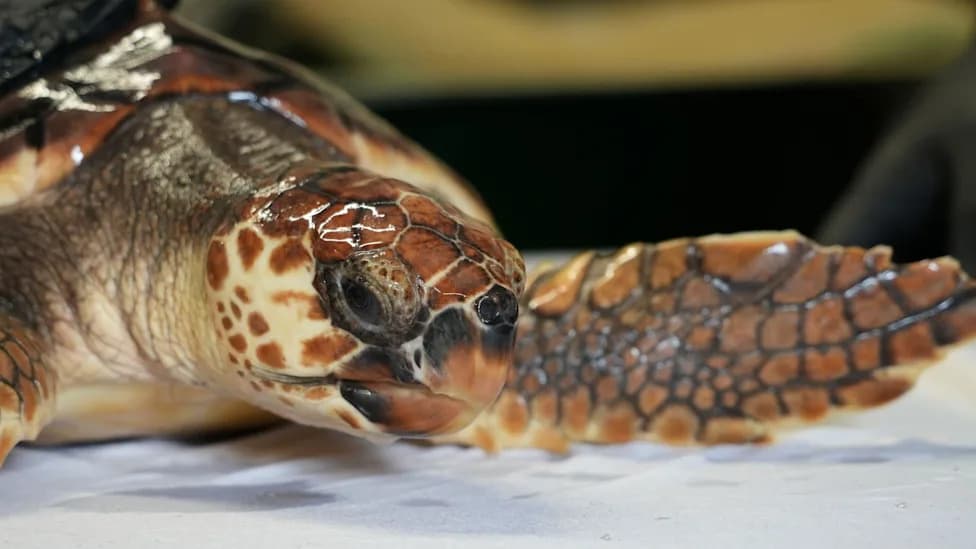
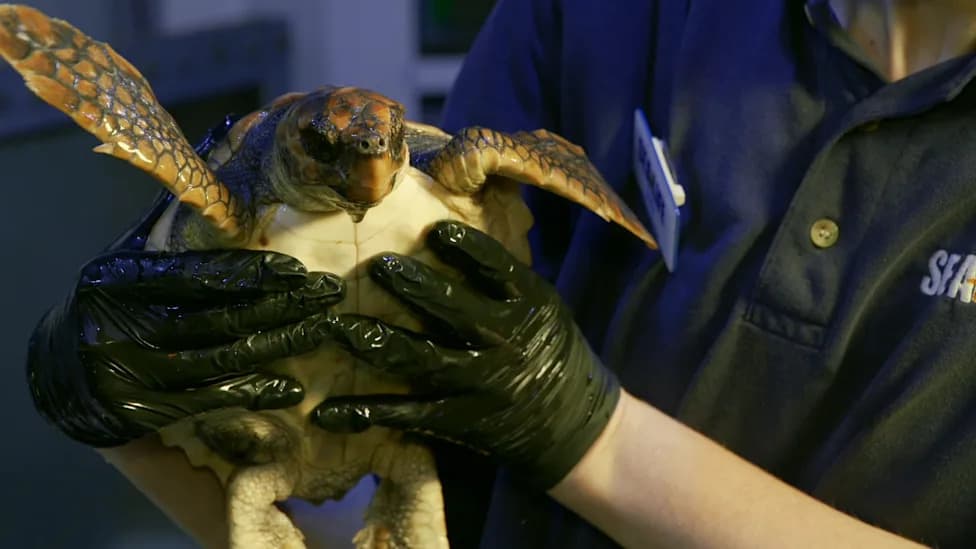
Loggerhead turtle Betty was found cold-stunned on Dunwich beach and has spent seven months recovering at Hunstanton Sea Life Centre [Shaun Whitmore/BBC]
Betty, a rare loggerhead sea turtle nicknamed by her carers, is preparing to return to the ocean after seven months of recovery following a cold‑stunning incident during coastal storms.
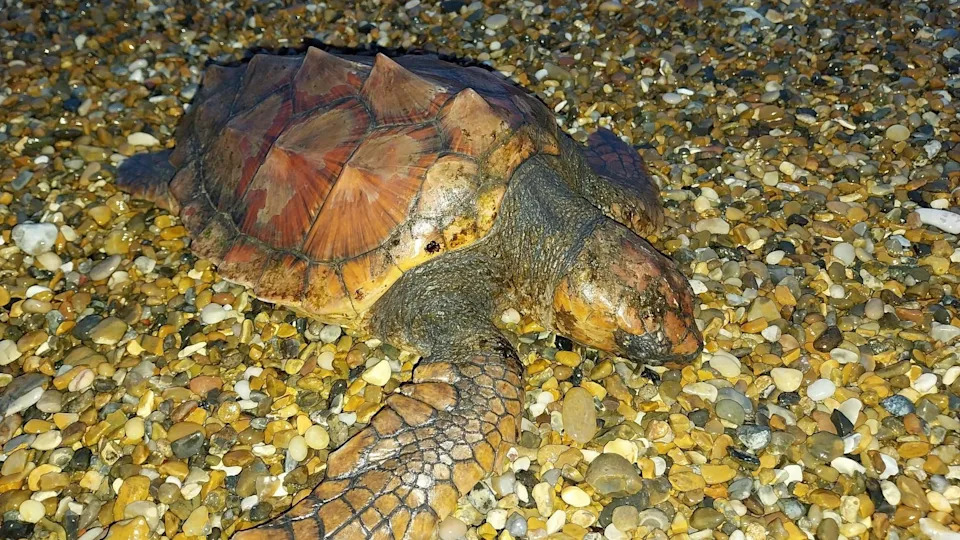
Katie Robertson said sea life centres were preparing for a busy winter as loggerhead turtles cold wash ashore more often [Steve Foreman]
A member of the public found Betty on Dunwich beach in Suffolk in February and initially thought she was debris before contacting British Divers Marine Life Rescue (BDMLR). She was transferred to Hunstanton Sea Life Centre in Norfolk, which has also been caring for another loggerhead, Olive, who was found in Scotland in December. Both turtles are scheduled to travel to the Azores on 28 September for monitoring and release.

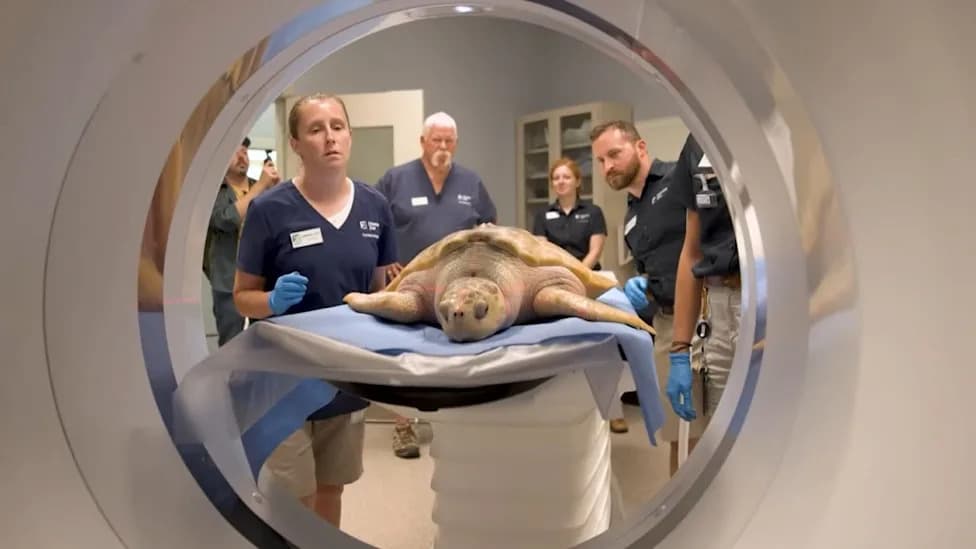
X-rays and CT scans were carried out on Olive (pictured) who was found in Scotland in December, to make sure she no longer had pneumonia [Hunstanton Sea Life Centre]
"The moment they finally get released is going to be an emotional time for us," said Katie Robertson, display supervisor at Hunstanton Sea Life Centre.
What Is Cold‑Stunning?
Cold‑stunning occurs when water temperatures fall rapidly and turtles become unable to maintain their body heat. Affected animals grow lethargic, suffer reduced circulation and can develop life‑threatening complications if not treated promptly.
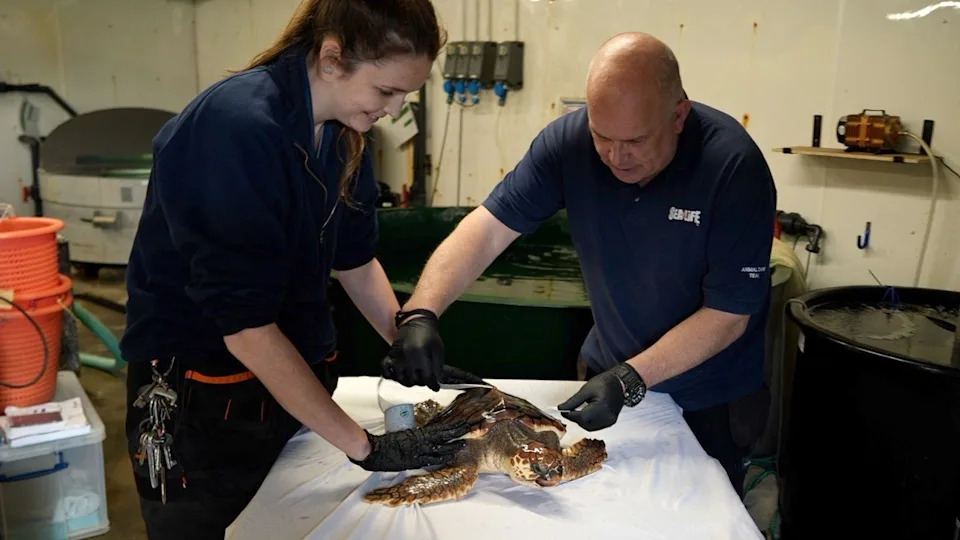
Betty and Olive are due to travel to The Azores in Portugal and will leave Norfolk on 28 September [Shaun Whitmore/BBC]
Staff at Hunstanton carried out diagnostics including x‑rays and CT scans to check both animals for complications such as pneumonia. Betty, who arrived directly from the beach, required specialist, step‑by‑step warming: her body temperature was raised gradually each day to avoid shock.
Why This Is Happening
Experts say warming summer sea temperatures — with surface waters reaching the low 20s Celsius in some areas — are drawing some loggerheads farther north than usual. When coastal waters then cool sharply compared with the Mediterranean, these turtles are at increased risk of cold‑stunning.
Loggerhead turtles are the most common species in the Mediterranean and typically nest on beaches from Greece and Turkey to Israel and Libya. Adults can weigh up to 400 lb (181 kg) and reach about 48 inches (1.2 m) in length; their large heads house powerful jaws adapted for crushing prey.
After final health checks the two turtles will leave Hunstanton on 28 September and travel to the Azores, where they will be monitored for up to two weeks by local teams before being released back into open water. Staff said visitors had followed the turtles' recovery with interest and that the centre is preparing for a busier winter as cold‑stunned strandings increase.
Help us improve.