Shannon Hoffman runs the Bred 4 the Wild Bearded Vulture Breeding Programme in South Africa to rescue the endangered bearded vulture, of which fewer than 400 remain in South Africa and Lesotho. Her team collects second eggs from cliff nests to prevent cainism, hand‑raises chicks using a vulture puppet to avoid human imprinting, and transitions them to donated bones and carcasses. Five pairs have been placed in breeding chambers; no chicks have hatched yet, but staff say hatchings could occur soon.
Fewer Than 400 Left: One Woman Hand‑Raises Bearded Vultures to Save the Species
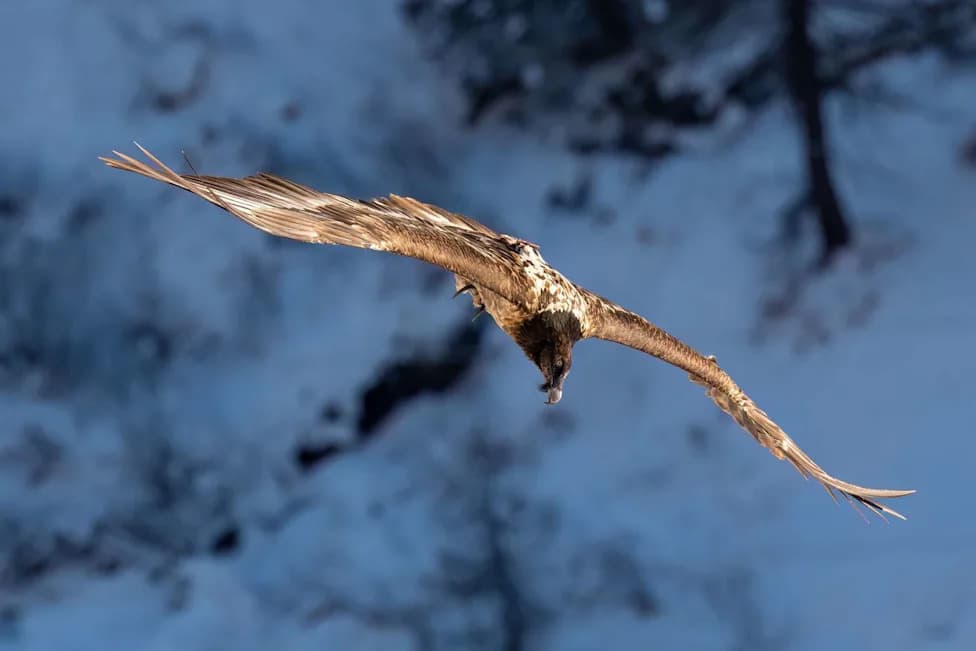
Stock image of a bearded vulture in flight with spread wingsCredit: getty
Shannon Hoffman is racing against time to save one of the world's most unusual scavengers. As director of the Bred 4 the Wild Bearded Vulture Breeding Programme in South Africa, Hoffman and her small team have spent a decade hand‑raising juveniles in a last‑ditch effort to boost a population that now numbers fewer than 400 birds across South Africa and Lesotho.
Why These Vultures Are Threatened
Bearded vultures (Gypaetus barbatus), sometimes called lammergeiers, are distinctive for their feathered, eagle‑like heads and foraging habit: they feed primarily on bones, which they break on rocks and digest with exceptionally strong stomach acid. Despite their ecological importance as scavengers that help remove carcasses and limit disease spread, the birds face severe pressures in southern Africa. The main threats include:
- Electrocution on power lines
- Poisoning from tainted carcasses (sometimes deliberately placed by poachers)
- Habitat loss and disturbance from human development
How the Breeding Programme Works
The bearded vulture's slow life history — late maturity (around eight years), long pair bonds, and typically a single fledgling per year — makes population recovery especially difficult. The species also exhibits cainism, where the first chick often outcompetes and kills its sibling, leaving the second egg almost always doomed.
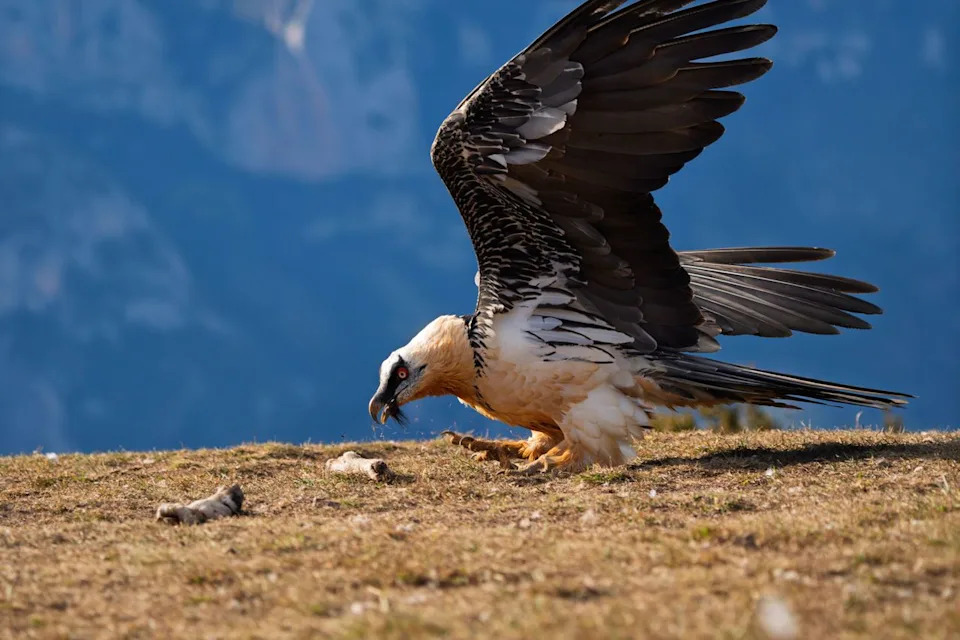
An adult Bearded Vulture (Gypaetus barbatus), also known as the lammergeier, landing dynamically with raised wings to feed on bones on an alpine mountain ridge.Credit: getty
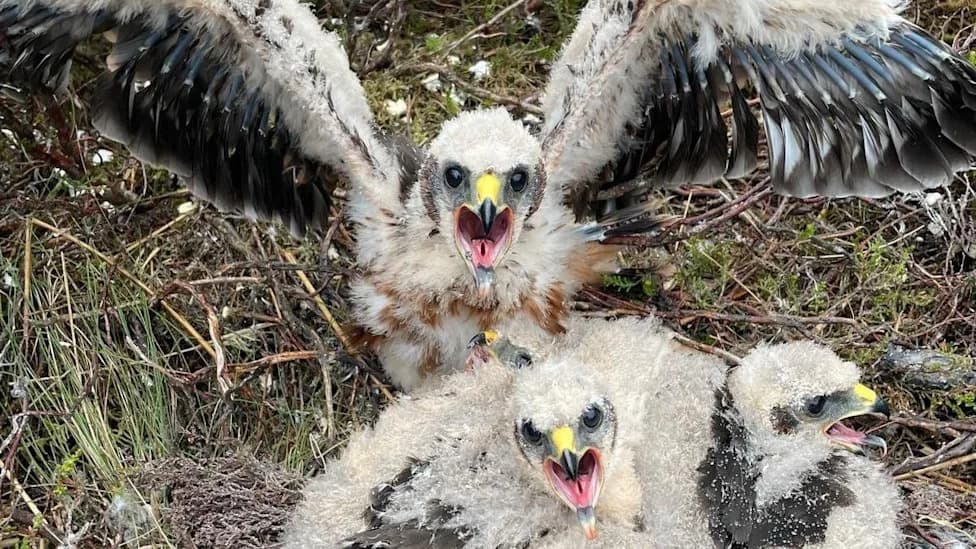
To improve survival, Hoffman's team collects the second egg from wild cliff nests (regularly accessed by rappelling), incubates it, and hand‑raises the chick. To prevent chicks from imprinting on humans, they are fed for roughly a month using a lifelike vulture puppet crafted by a specialist in Spain — a tool Hoffman jokingly calls "more valuable than my car." As juveniles grow, caretakers transition their diet from rodents to the bones and carcasses donated by local butchers and farmers.
Progress and the Road Ahead
So far, the programme has matched and relocated five pairs into dedicated breeding chambers. While none have yet produced chicks, staff say hatchings could occur at any time. Hoffman describes the work as high‑pressure but deeply motivating: "There's so many beautiful things in this world that we should try and protect," she told National Geographic.
"I'm praying that what we've done will work," — Shannon Hoffman
Beyond captive rearing, long‑term recovery depends on reducing threats in the wild: retrofitting dangerous power lines, preventing poisoning, and protecting key habitats. The programme also relies on community cooperation for donations of carcasses and local support for nest protection.
Why It Matters
Bearded vultures are ecological specialists whose decline signals broader environmental stress. Boosting their numbers helps preserve mountain ecosystems in South Africa and Lesotho and supports biodiversity more broadly. Hoffman's decades of hands‑on conservation offer a clear example of how targeted interventions — egg rescue, puppet‑assisted rearing, and reintroduction — can give an imperiled species a better chance of survival.
Help us improve.