Four captive-bred California condors will be released into the Vermilion Cliffs flock on September 26, marking the 30th annual reintroduction there. Once reduced to just 22 wild birds, the species has recovered through decades of captive breeding, reintroduction and targeted conservation. Lead poisoning from spent ammunition remains a primary threat, prompting local lead-reduction programs that supply hunters with non‑lead alternatives.
From 22 to the Sky: Four California Condors Released at Vermilion Cliffs
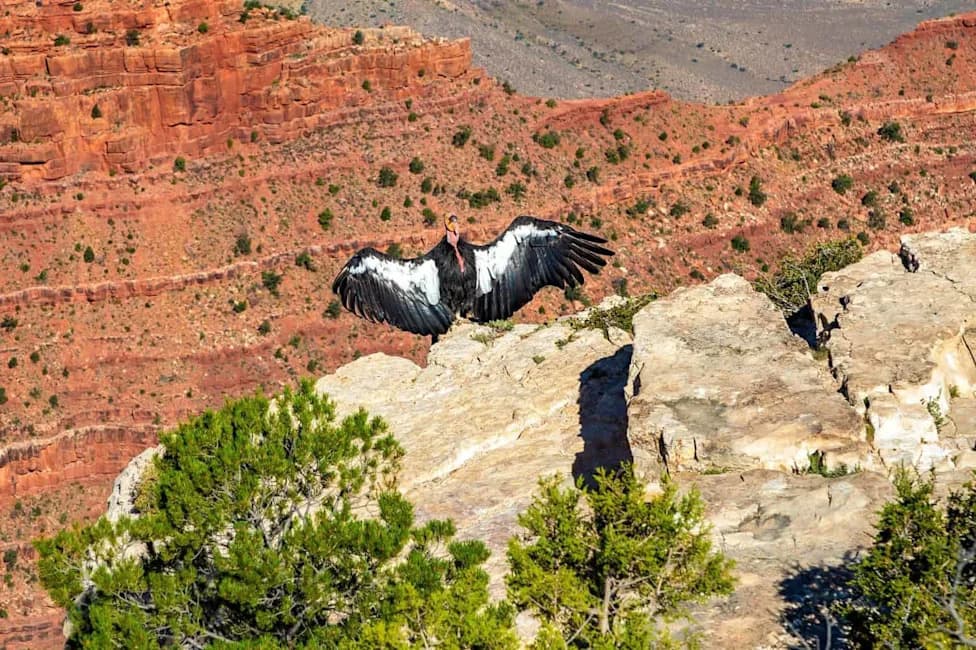
California Condor at Grand Canyon National Park in a sunny day, Arizona, USA© Sergii Figurnyi/Shutterstock.com
Not many species have staged a comeback from the brink of extinction like the California condor. Once reduced to just 22 wild individuals, this iconic North American scavenger has rebounded through decades of careful captive breeding and reintroduction. On Saturday, September 26, four condors hatched in captivity will be released into the wild flock at Vermilion Cliffs National Monument on the Arizona–Utah border.
Release Event and Partners
The release is led by the Arizona Game and Fish Department in partnership with The Peregrine Fund, the Bureau of Land Management and several zoos and raptor centers. The event marks the 30th annual transfer of captive-reared condors to the Vermilion Cliffs population. It will be open to the public and streamed on The Peregrine Fund’s YouTube channel, allowing viewers worldwide to follow the birds' first flights.
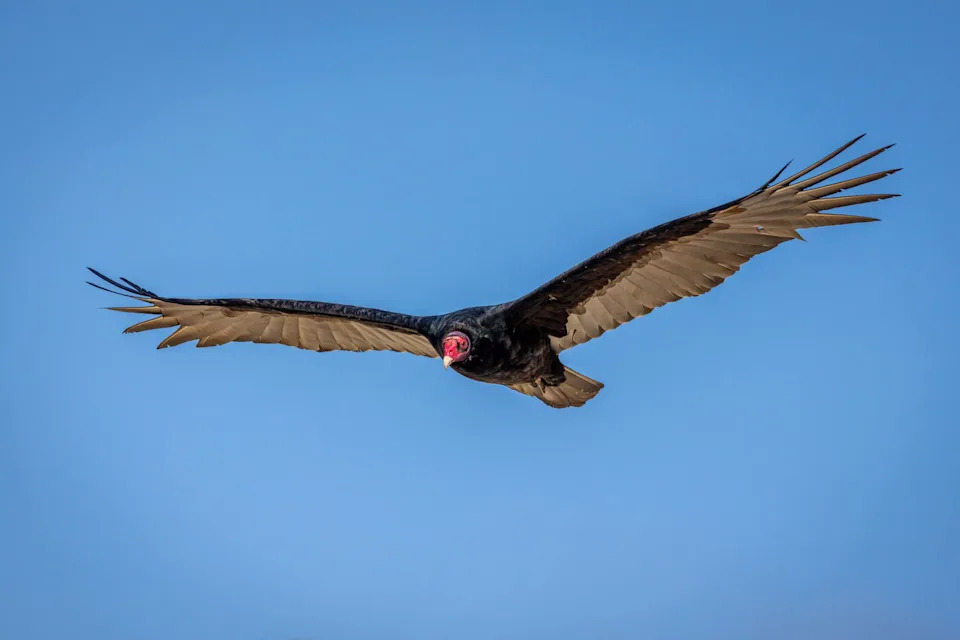
Not only is the California Condor the largest land bird in North America, it is also one of the heaviest.©Henk Hulshof/iStock via Getty Images
About the California Condor
The California condor (Gymnogyps californianus) is the largest land bird in North America and among the continent’s heaviest. Adults have wingspans near 9.5 feet and can weigh up to about 31 pounds. Their black plumage, white patches on the undersides of the wings and bare, yellow-to-orange heads make them immediately recognizable and often compared to oversized vultures.
Condors are obligate scavengers that feed on carrion, from small animals like rabbits and squirrels to larger mammals such as deer and coyotes. Lacking large flight muscles and a deep keel on the sternum, they rely on soaring to search for food and can travel more than 150 miles in a day while gliding with few wingbeats. Under favorable conditions, they can live for up to around 60 years.
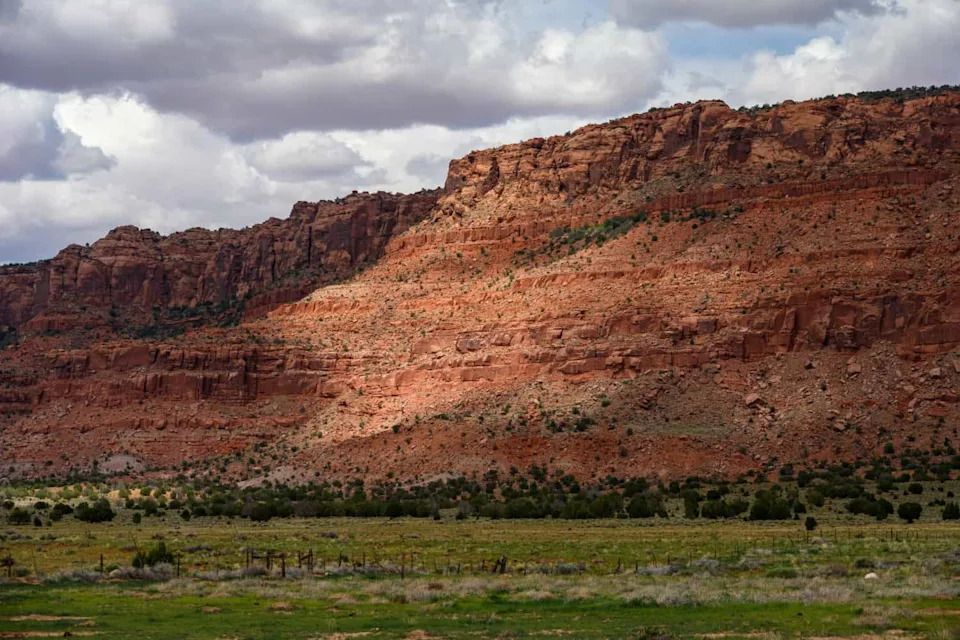
This year marks the 30th annual release of captive condors back into Vermilion Cliffs National Monument in northern Arizona.©knelson20/Shutterstock.com
Threats and Conservation Success
During the 20th century condor populations plunged across western North America. Habitat loss contributed to declines, but the most severe modern threat has been lead poisoning from ingesting ammunition fragments in carrion. By 1982, only 22 wild condors remained; by 1987 conservationists captured the last wild birds to begin an intensive captive-breeding rescue program.
Those programs have produced measurable recovery. Reintroductions began in 1992 in states including California, Arizona and Utah. The U.S. Fish & Wildlife Service now estimates roughly 607 condors exist across captive facilities and free‑flying flocks. In 2015, a milestone was reached when more condors were born in the wild than died—an important marker of progress.
Local Actions To Reduce Lead Risk
Because lead exposure remains a major, population-limiting threat, the Arizona Game and Fish Department runs a lead-reduction initiative that provides hunters with lead-free ammunition and outreach about the risks of lead in carcasses. As Erin Brown, AZGFD Lead Reduction Program Coordinator, noted:
"Having hunters on board is so essential because lead poisoning is population-limiting for these birds and one of the main challenges to reaching a self-sustaining population."
This year’s release includes four birds hatched and raised at the Oregon Zoo and the World Center for Birds of Prey in Boise, Idaho. Events like this one—combining science, public engagement and on-the-ground conservation—symbolize the long-term effort to restore North America’s largest land bird to its ancestral skies.
Help us improve.