The California condor has rebounded from just 22 birds in 1982 to 607 worldwide as of Dec. 31, 2025, with 392 flying free. A decisive captive-breeding program launched in the 1980s and subsequent reintroductions produced the first wild-hatched chick in 2004 and an estimated 16 fledglings in 2025. Major threats persist — chiefly lead poisoning from ammunition in carcasses and a 2023 avian flu outbreak that killed 21 birds — so conservationists continue working toward a self-sustaining wild population.
From 22 To 607: The Remarkable Comeback Of The California Condor
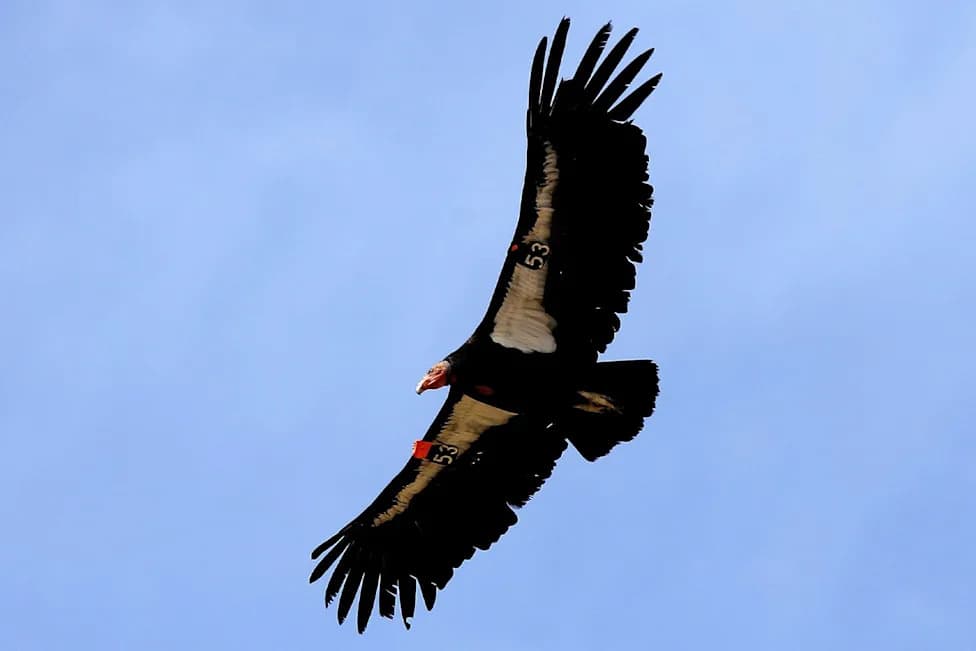
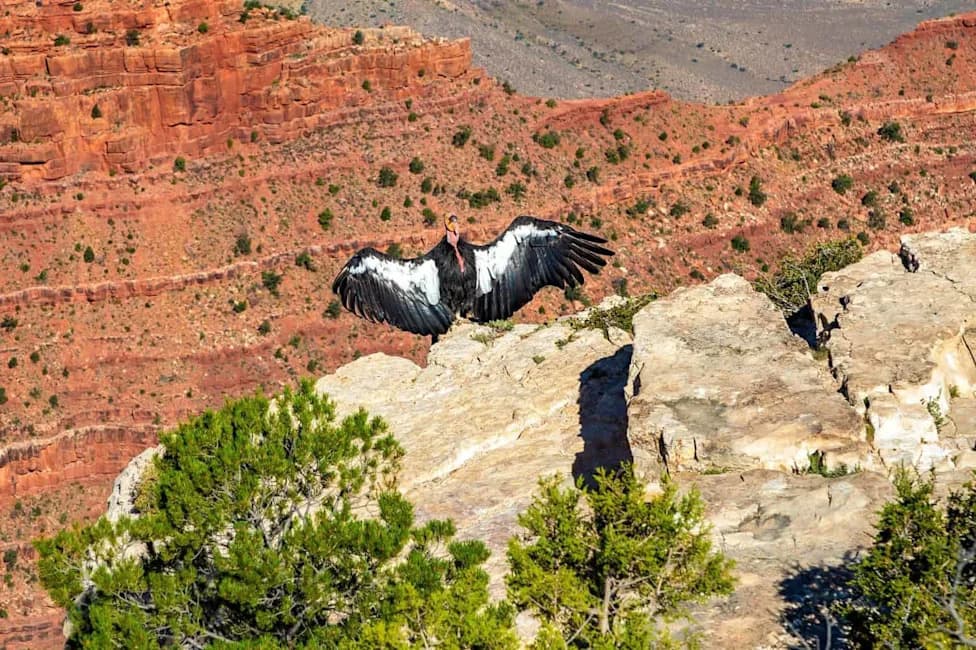
California condor flies through Marble GorgeCredit: David McNew/Getty
In 1982 the California condor stood on the brink of extinction — just 22 individuals remained worldwide. A controversial but decisive rescue effort launched in the 1980s changed the species' trajectory: wildlife agencies and partners captured the last wild birds and began an intensive captive-breeding program.
A bold rescue and decades of recovery
By 1987 the final free-flying condors had been taken into human care and coordinated breeding work intensified. Reintroductions to the wild began in 1992, and the program reached new milestones over the following decades: the first chick hatched in the wild in 2004, and by 2008 more condors were living in the wild than in captivity.
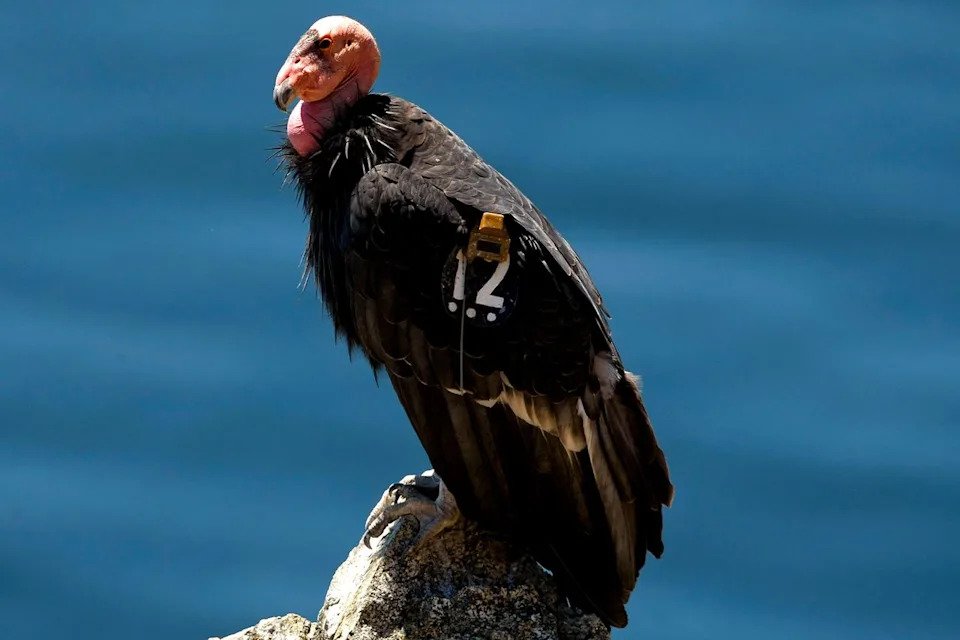
A California Condor perched on the rock cliffs along the Pacific Ocean shoreline in Big Sur, Calif. on Tuesday August 17, 2010.Credit: Michael Macor/The San Francisco Chronicle via Getty
Where the population stands today
According to the U.S. Fish and Wildlife Service annual status report, the global population reached 607 birds as of Dec. 31, 2025, of which 392 were flying free and the remainder maintained in captivity. In 2025 an estimated 16 wild-hatched chicks fledged across six release sites, underscoring continued progress toward establishing self-sustaining wild groups.
Why the recovery is challenging
California condors have a slow life history: they do not reach breeding age until about five to seven years, and a pair typically lays a single egg and raises one chick at a time — often in cliff caves or the hollow of mature sequoias. With an average wingspan near 9.5 feet, condors can travel more than 150 miles a day searching for carrion, which sets up a persistent risk.
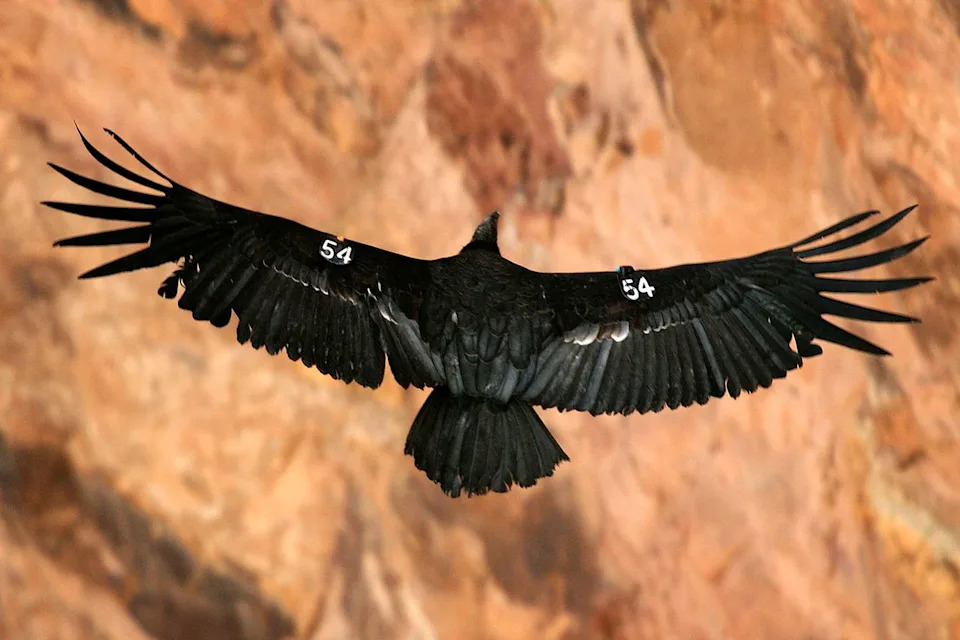
A rare and endangered California condor flies through Marble Gorge, east of Grand Canyon National Park, on March 22, 2007 west of Page, Arizona.Credit: David McNew/Getty
Lead poisoning from fragments of spent ammunition in carcasses remains what conservationists call the program’s "decades-long nemesis."
New threats have also emerged. A 2023 outbreak of highly pathogenic avian influenza killed 21 birds in the Arizona flock; the U.S. Fish and Wildlife Service classified the event as a catastrophic mortality and mounted an emergency vaccination and monitoring response.
Looking ahead
The long-term goal of the recovery effort is a wild condor population that can persist without continual human intervention. That objective — once unimaginable when only two dozen birds remained — now appears increasingly attainable thanks to coordinated breeding, carefully managed reintroductions, and ongoing threat-reduction work targeting lead, disease, and other hazards.
Sources: U.S. Fish and Wildlife Service annual status report (Dec. 31, 2025) and reporting from conservation partners.
Help us improve.