Abdul El‑Sayed has gained momentum in Michigan’s U.S. Senate race as public opposition to AI data centers rises. A New York Times/Siena poll (Sept. 15–22, 2026) shows El‑Sayed trusted by 46% on AI/data‑center issues versus 35% for Mike Rogers, and finds 66% of voters oppose new data centers. El‑Sayed leads 49% to 44% among likely voters; the issue is reshaping campaign messaging, forecasts and spending in an increasingly competitive contest.
El‑Sayed Pulls Ahead in Michigan as Voters Turn Against AI Data Centers

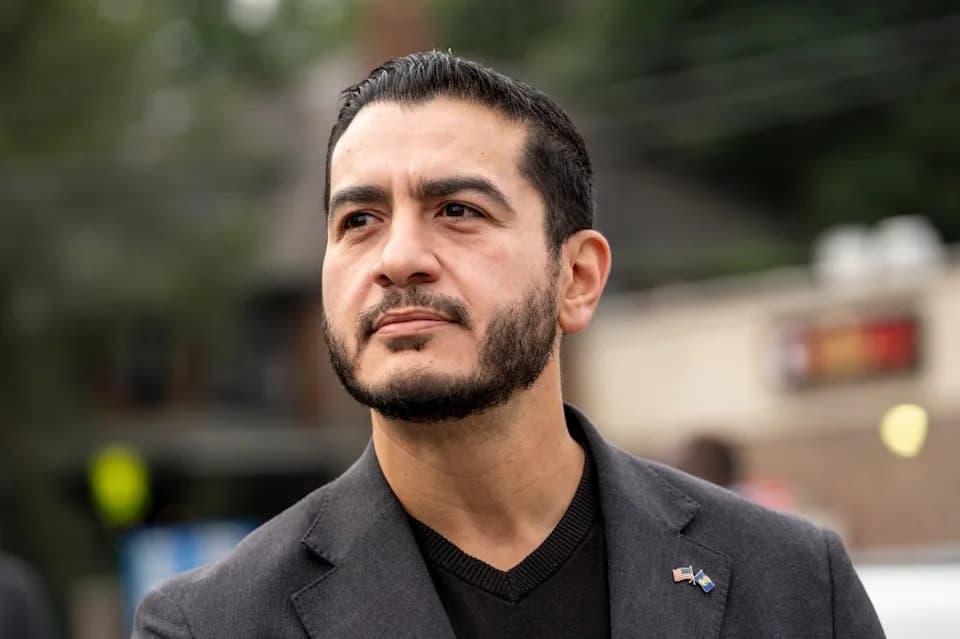
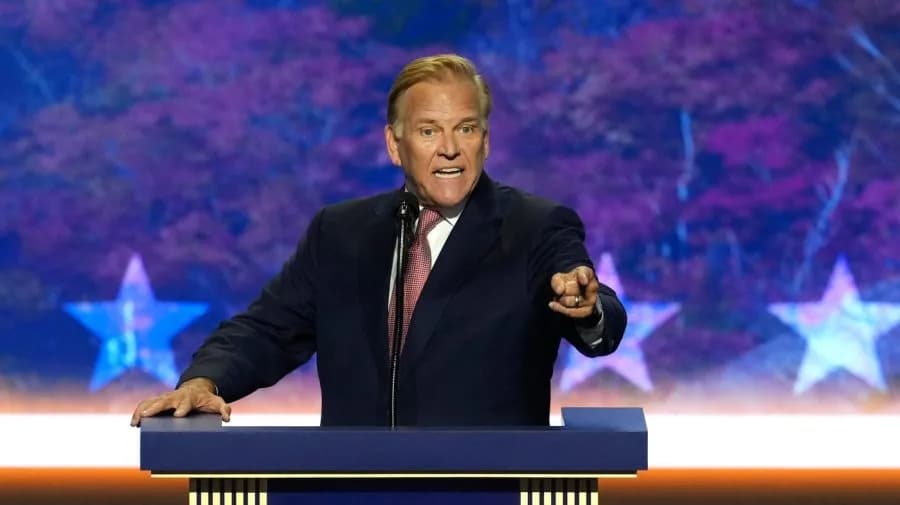
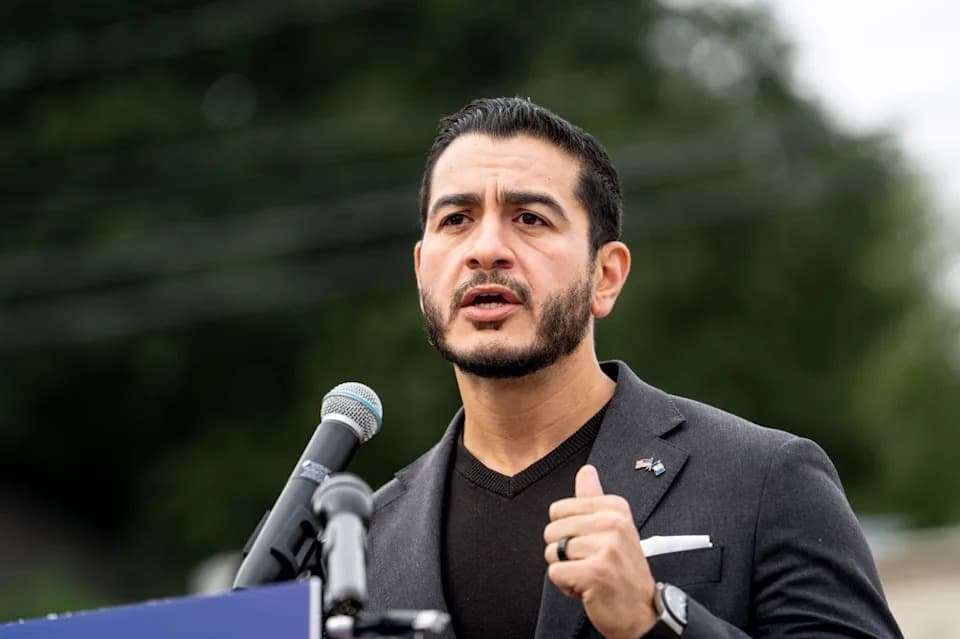
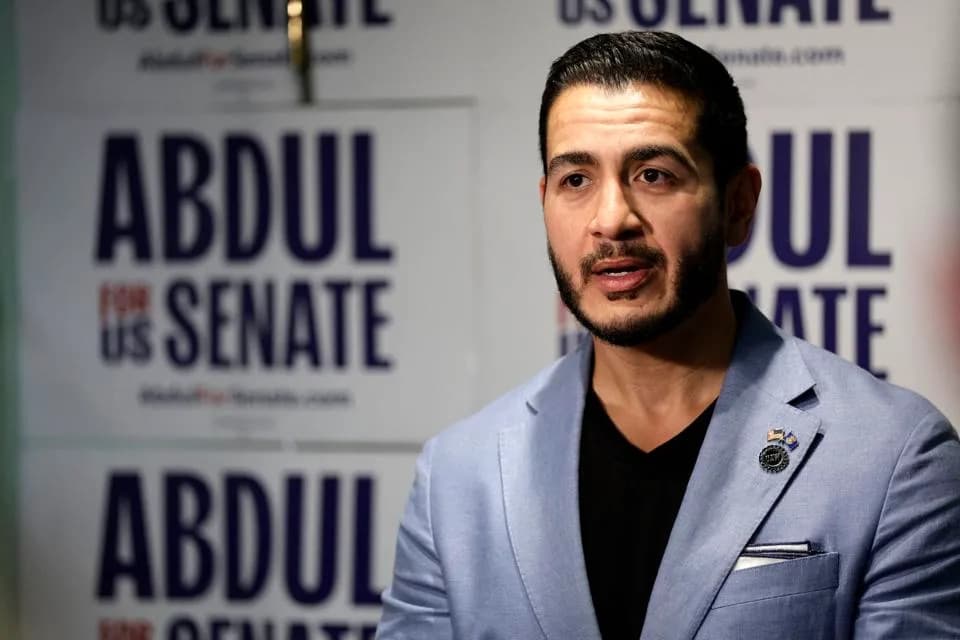
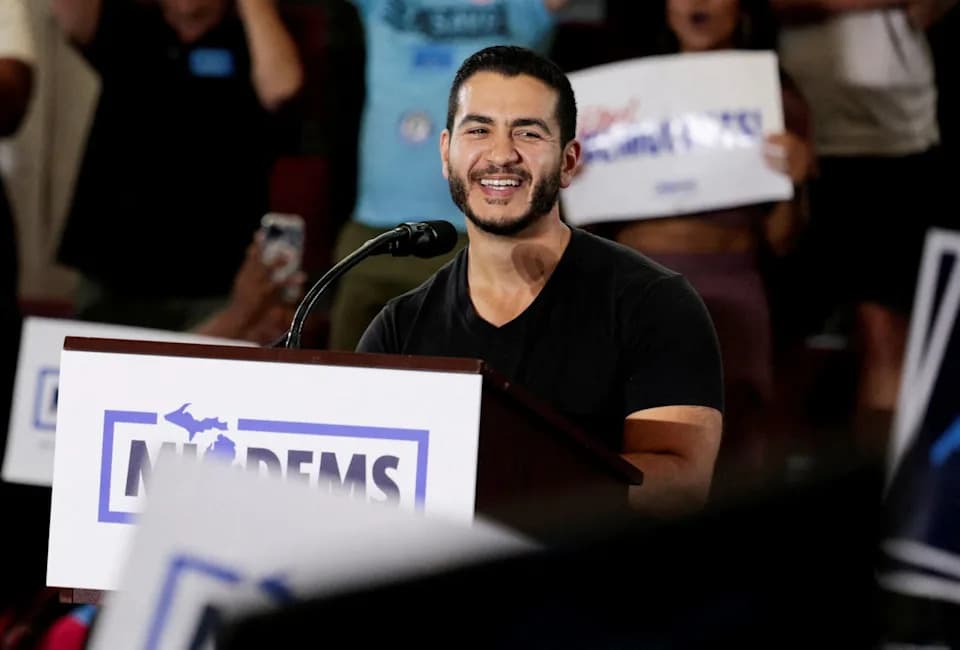
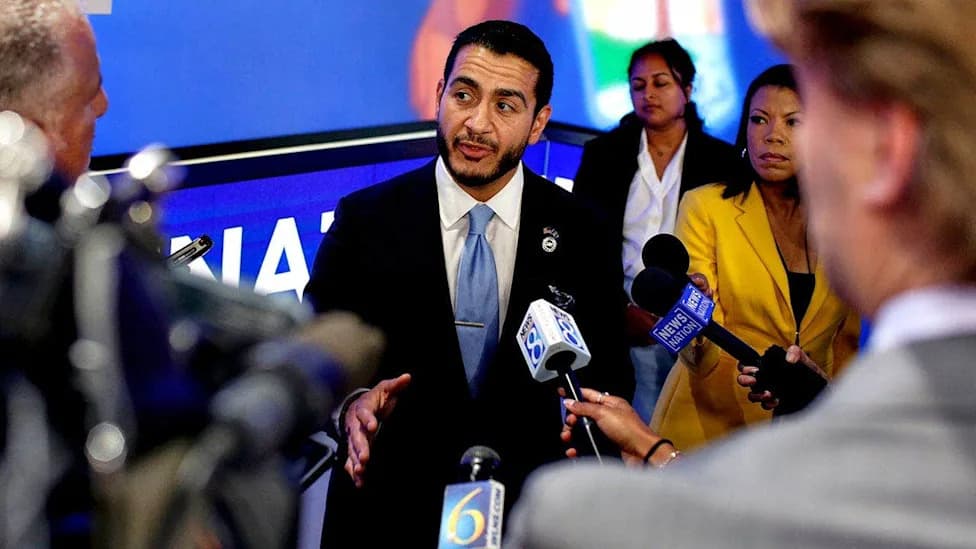
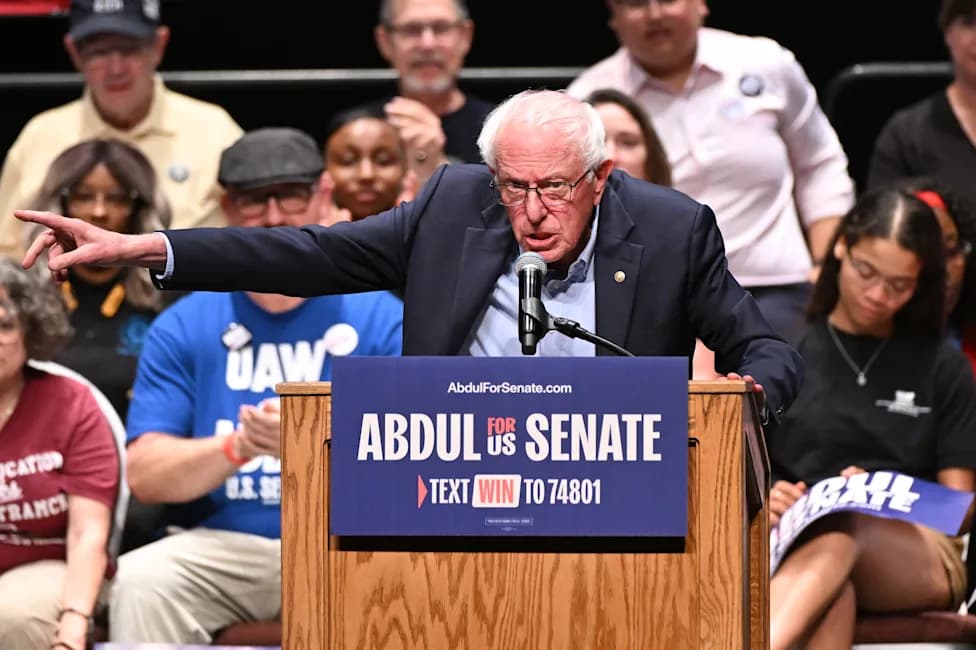
A New York Times/Siena poll on Michigan's U.S. Senate race released September 24, 2026, found that more voters trust Abdul El-Sayed, left, than Mike Rogers to handleAIand data centers. (Photos: Getty Images)
Progressive Democrat Abdul El‑Sayed has surged in Michigan's U.S. Senate contest as voter opposition grows to artificial intelligence infrastructure and the data centers that power it. A New York Times/Siena poll released Sept. 24, 2026, shows El‑Sayed holding advantages both on the specific issue of data centers and on the ballot overall.
Poll Findings
The New York Times/Siena survey found 46% of Michigan likely voters trust El‑Sayed to handle AI and data‑center issues versus 35% who trust Republican former Rep. Mike Rogers. The same poll showed broad skepticism about the facilities: 66% oppose building AI data centers in Michigan and 29% support construction.
El‑Sayed led 49% to 44% among likely voters in the Times/Siena poll. The survey interviewed 605 likely voters from Sept. 15–22 and reported a margin of error of ±4.9 percentage points.
Who’s Swinging—and Why
Partisan loyalty on the data‑center question is almost complete: just 3% of Democrats backed Rogers, a share roughly mirrored by Republicans who said they supported El‑Sayed. Independents were narrowly for El‑Sayed in the Times/Siena poll (a 1‑point edge), though other polls show larger gaps.
Age is the clearest divide: El‑Sayed leads by 71 points among voters 18–29 and by 21 points among those 30–44. Rogers leads 45–64 voters by 16 points and is up by 5 points with those 65 and older.
Campaign Postures And Developments
El‑Sayed has made opposition to data centers a centerpiece of his campaign. He calls for state and local moratoriums on new facilities until federal rules require union jobs, prevent utility‑bill increases, protect water resources, and fund power‑grid upgrades. Earlier proposals from his campaign also sought guarantees from developers that local utility rates would not rise and that developers would cover their energy demand.
El‑Sayed has used the issue to attack Rogers, alleging the former congressman invested "up to $2.6 million" in ventures connected to the data‑center boom. He also sought to link Rogers with President Donald Trump's public praise for data‑center projects after Trump criticized opponents in August.
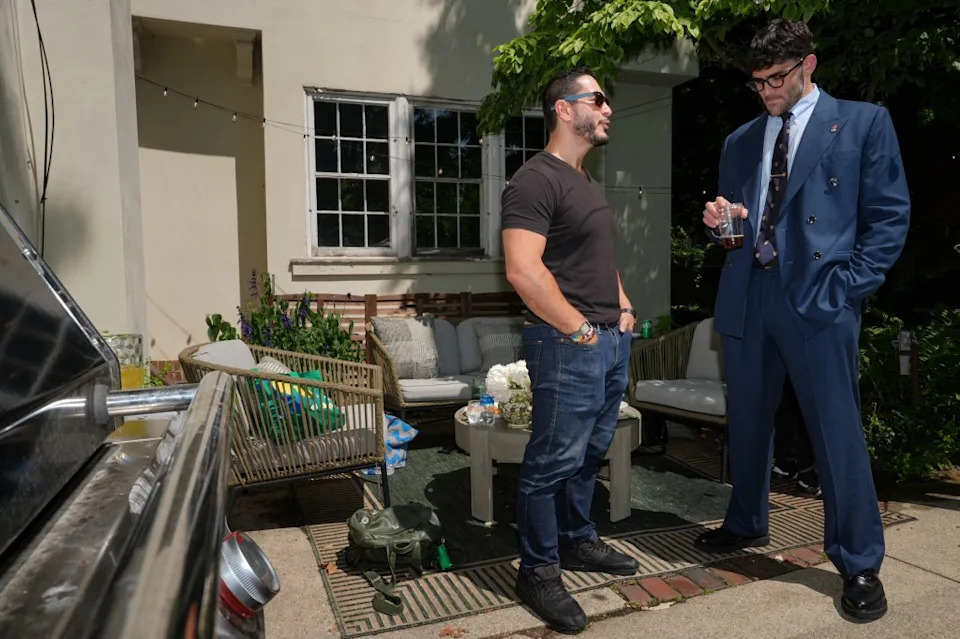
Abdul El-Sayed, left, a progressive U.S. Senate candidate in Michigan, talks poolside with streamer Hasan Piker at a party for content creators supporting his campaign on August 3, 2026, in Detroit. (AP Photo/Julia Demaree Nikhinson)
Rogers shifted positions during the campaign. He declined to take a public stance in January, said in March Michigan should compete for AI jobs while insisting data centers pay their own electricity, highlighted potential tax revenue from a Saline Township project in April, and by August called for a temporary pause — later proposing a one‑year moratorium. That reversal followed media reporting about his investments and a Republican memo warning that the issue threatened GOP chances in competitive races.
Context, Forecasts And Money
Recent polls generally show a narrow El‑Sayed lead: Suffolk University gave him a 7‑point advantage; Washington Post/GMU, CNN/SSRS and others showed smaller leads. Only a late‑August Glengariff Group poll had Rogers up by 1 point. Sabato's Crystal Ball moved the race from "Toss‑up" to "Leans Democratic." Decision Desk HQ gives El‑Sayed a roughly 67% chance of winning.
Spending in the race is approaching the roughly $222 million that was spent in Michigan's 2024 Senate contest. Of the top ten outside spenders this cycle, six are backing Rogers—reflecting heavy outside investment on both sides.
Broader Political Impact
Data centers have become a cross‑partisan concern in several battleground Senate races. Newsweek and other trackers show many of the closest contests are in states with planned data‑center projects. National surveys back up voter unease: a Reuters/Ipsos poll in June found 64% of respondents disagreed with building data centers at the current pace and scale, and an NBC News poll found 64% of registered voters would be less likely to support a candidate who backed locating such facilities in their community.
On the partisan trust question, an NBC survey found Democrats have a modest advantage in dealing with data centers (32% to 20% for Republicans); a national New York Times/Siena poll showed Republicans slightly ahead on AI generally (within the margin of error).
Other Campaign Dynamics
El‑Sayed drew attention during the primary for frequent appearances with left‑wing streamer Hasan Piker, who hosted him repeatedly and campaigned for him. The Times/Siena poll found 54% of likely Michigan voters had never heard of Piker; among those who had, 34% viewed him unfavorably and only 6% viewed him favorably. Rogers has used the association to label El‑Sayed "extreme" — an argument 50% of voters said fits El‑Sayed, while 36% said it fits Rogers.
Despite the attacks, El‑Sayed maintains edges in voter ratings of character (46% to 39%) and perceived effectiveness as senator (47% to 43%).
Decision Desk HQ: "Time is running out" for Rogers to close the gap, said Scott Tranter, director of data science.
What This Means
The data‑center debate is reshaping voter coalitions and campaign messaging in Michigan. For El‑Sayed, the issue has become a defining wedge that boosts his standing with younger and independent voters; for Rogers, it has forced a public rethink and a more cautious posture. With heavy ad spending, shifting forecasts and debates still to come, the race remains competitive and likely to stay in focus as Election Day approaches.
Help us improve.