The Department of Homeland Security sent Nevada a list of 185 registered voters it said were non‑citizens; Nevada's review found all 185 to be U.S. citizens. Deputy Attorney General Greg Ott told DHS its evidence was insufficient and criticized the agency's lack of transparency. DHS said the 185 came from a manual review and noted thousands more records with similar attributes remain under review. Pennsylvania officials have raised similar concerns about DHS's methodology and confidence in its counts.
Nevada Says DHS Wrongly Flagged 185 Registered Voters As Non‑Citizens, Officials Demand Answers
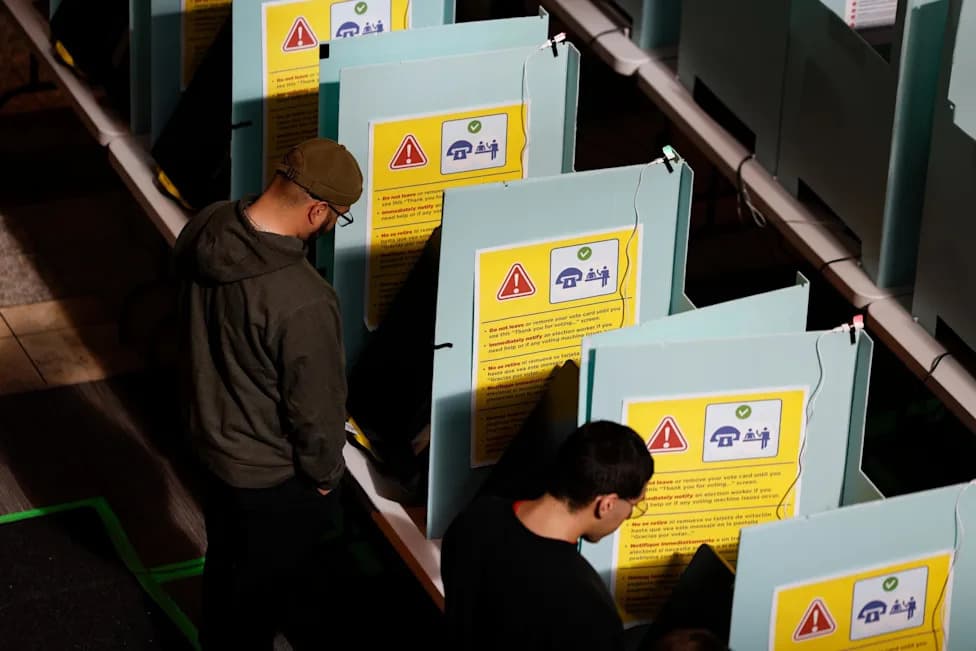
People cast their ballots in Henderson, Nevada on 5 November 2024.Photograph: Caroline Brehman/EPA
The Department of Homeland Security (DHS) provided Nevada election officials with a list of 185 people it said were non‑citizens on the state's voter rolls. Nevada's review found that all 185 individuals are U.S. citizens, raising fresh questions about DHS's matching methods and the accuracy of its outreach to states ahead of the midterm elections.
What DHS Initially Claimed
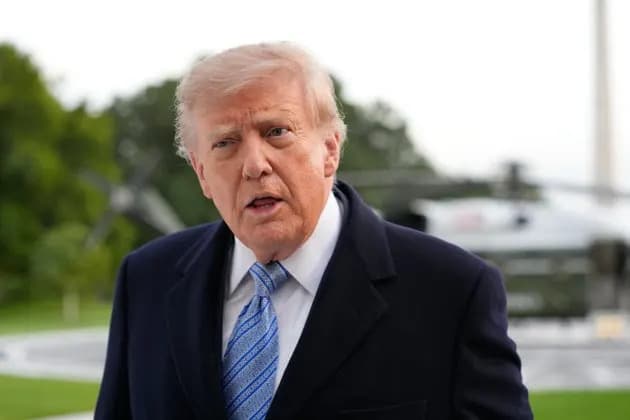
In July, former President Donald Trump said DHS had identified a combined 278,000 suspected non‑citizen registrations across Nevada, California, Pennsylvania and New Jersey. Follow‑up letters to the states later tempered that figure, saying there could be as many as 278,000 such registrations nationwide and that Nevada could account for up to 15,903 of them.
Nevada’s Review And Response
In August, DHS staff told employees in Nevada's secretary of state's office that the federal review had narrowed the count in Nevada to 185 suspected non‑citizens, while more than 14,000 additional records still required examination. After Nevada officials independently examined the 185 records DHS provided, they concluded the individuals were U.S. citizens.
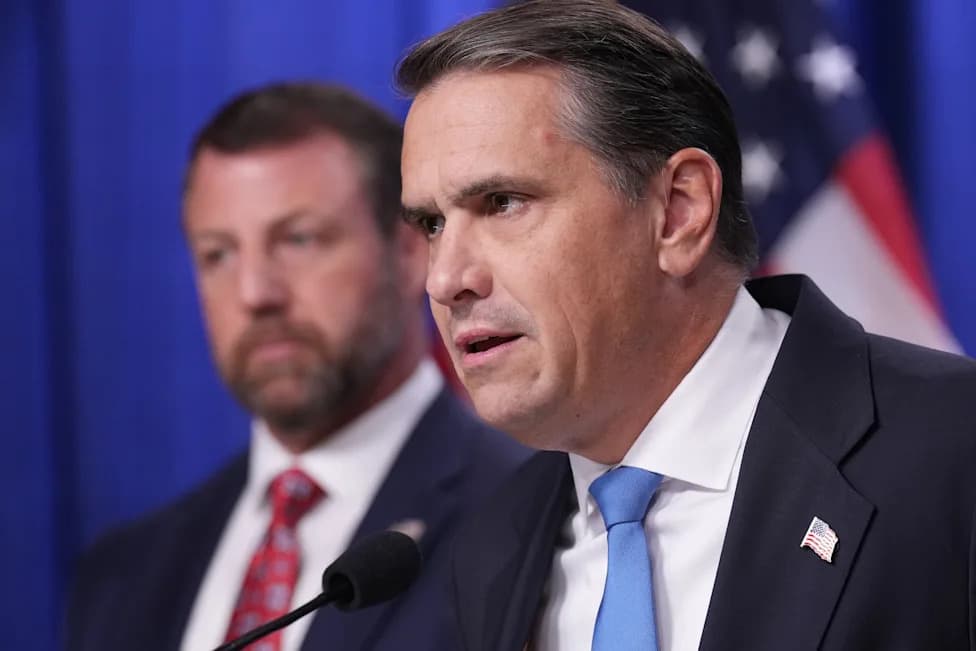
"As for the 185 individuals, our records indicate that they were citizens. You have provided nothing of substance to suggest otherwise," wrote Greg Ott, a deputy attorney general, to DHS in an email obtained by the Guardian.
DHS’s Explanation
A DHS spokesperson did not say whether the department still considered the 185 people to be non‑citizens. The agency defended its outreach as a service to Nevada and said the list of 185 came from a "rigorous manual review process" at the time of the call. DHS also said it had provided a separate group of 6,218 individuals whose records had the highest number of matching attributes to an "alien" in DHS databases.
Methodology And Data Problems Raised By Nevada
Nevada officials criticized DHS for failing to share detailed matching information. When asked for names, addresses and the data points used for matching, DHS provided only voter ID numbers. Nevada noted multiple limitations with that approach: the state recently moved from county systems to a single statewide voter registration system and reassigned state voter ID numbers, meaning the same number can appear in connection with different records over time. A voter ID number alone, officials said, does not reveal birthplace, naturalization status, derived citizenship, or any immigration status.
Broader Context: Other States Seeking Clarity
Votebeat and state officials have reported similar concerns elsewhere. Pennsylvania officials pressed DHS after the agency suggested there could be as many as 14,576 non‑citizens on that state's rolls; Pennsylvania's top election official, Al Schmidt, said DHS representatives acknowledged they did not have "high confidence" in that number.
Why This Matters
The dispute underscores two competing concerns: protecting election integrity by identifying ineligible registrations, and ensuring that federal methods used to flag voters are accurate, transparent, and do not wrongly cast doubt on legitimate citizens. Election officials and advocacy groups argue greater data transparency and a clearer explanation of matching methodology are needed before states and the public can trust DHS‑generated lists.
What’s next: Nevada and other states are expected to press DHS for fuller data and clearer methodology. Legal, administrative and public‑policy debates over how to identify and remedy ineligible voter registrations are likely to continue as more records are reviewed.
Help us improve.