Researchers at the University of British Columbia described two new sea spider species from the Salish Sea after fieldwork in 2023–2024. Callipallene pilosuspedes has comb-like spines on its lower legs, red eyes and a triangular three-lipped mouth; Tanystylum kiixin—named for a nearby ancient Indigenous village—has limbs adapted for carrying eggs. The study pairs detailed morphology with DNA sequencing, expands genetic records and suggests more regional diversity remains undocumented.
Hairy-Legged Sea Spider and a Second New Species Discovered in the Salish Sea
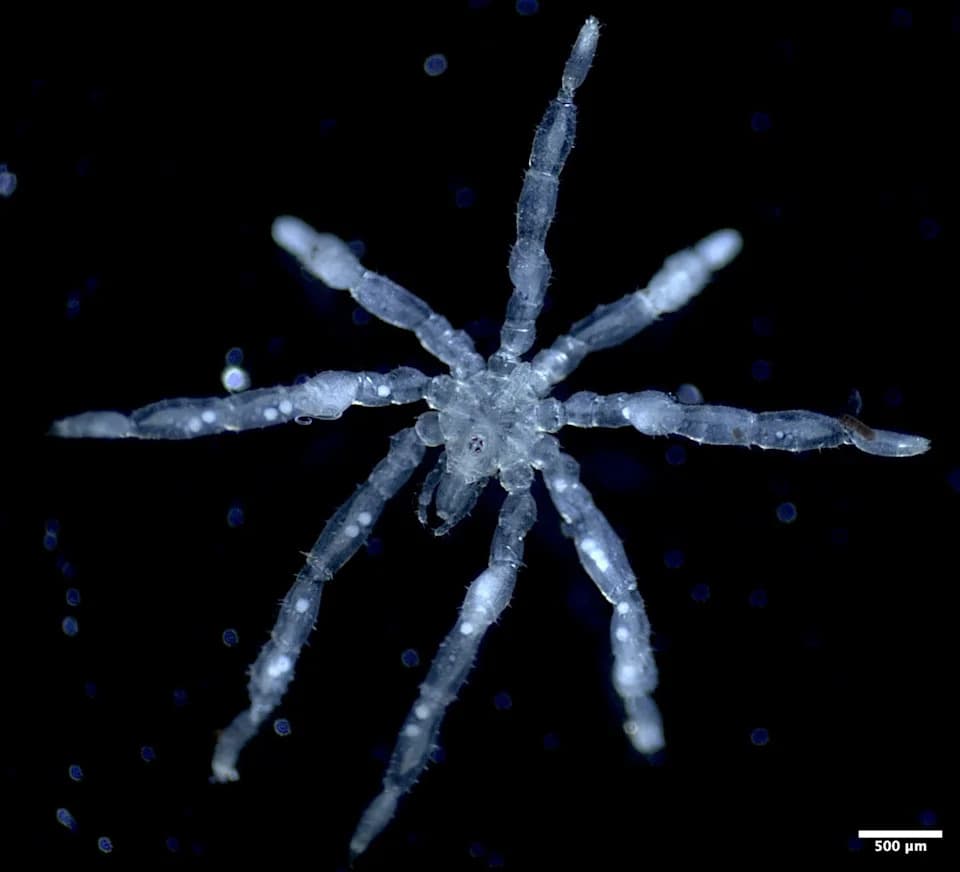
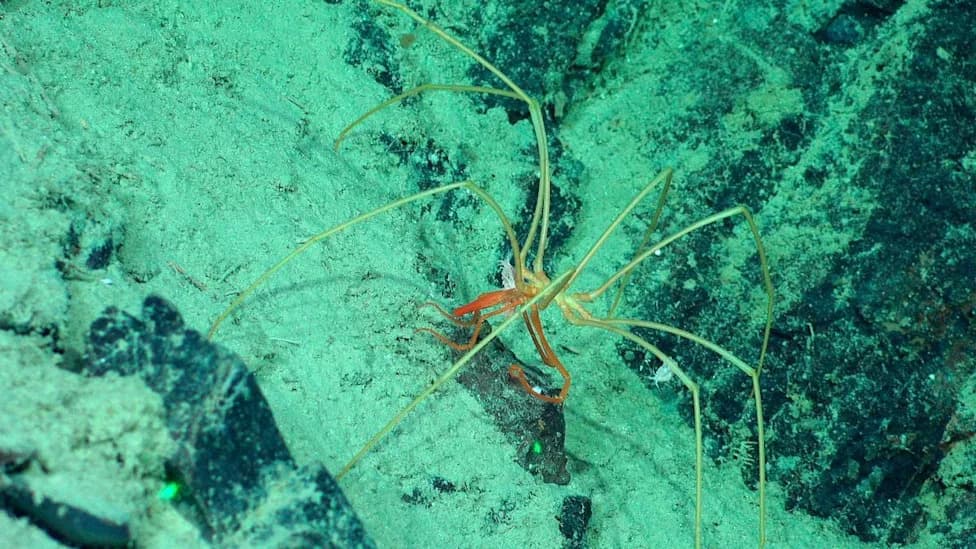
The sea spider Tanystylum kiixin, discovered by University of British Columbia scientists
Researchers at the University of British Columbia have described two previously unknown species of sea spiders from the Salish Sea after field collections conducted between September 2023 and August 2024. These are the first new sea spider species formally described from the Salish Sea in nearly a century.
Discovery and Names
One species, Callipallene pilosuspedes, is named for the long, curved spines on its lower legs that give the appearance of hairy feet. It also has red eyes and a short, clawed feeding appendage. The second species, Tanystylum kiixin, takes its name from an ancient Indigenous village site near the collection locality; the researchers note the name is pronounced "kee-hin" and was inspired by the sound of waves at the site.
Morphology and Behavior
Callipallene pilosuspedes has comb-like spines on its lower legs, a short proboscis with small claws used to grasp prey, and a triangular mouth made of three lips ringed by fine sensory structures. Under microscopic examination, researchers observed specialized limbs that wrap around legs and use comb-like spines to groom and clean the animal's appendages.
By contrast, Tanystylum kiixin has smaller, stiffer limbs adapted primarily for brooding eggs, which limits its ability to groom. Scientists also found dirt, debris and tiny parasites on some specimens, a finding described by lead researcher Cormac Toler-Scott as "an ecosystem within an ecosystem within an ecosystem."
Reproduction, Anatomy and Ecology
Sea spiders are ancient marine arthropods that appeared roughly 500 million years ago. They can have up to 12 legs, breathe through their skin, and feed using a tube-like proboscis. Their reproduction is unusual: females release eggs through body openings, and males collect and carry the developing eggs on specialized limbs until they hatch.
Methods, Significance and Next Steps
The study, published in Organisms Diversity and Evolution, combines high-resolution morphological description with DNA sequencing. The researchers examined seven sea spider species from the region, generated genetic data for species that previously lacked sequences, and assembled an identification guide for sea spiders in the Salish Sea and off the west coast of Vancouver Island. Both new species have been logged in a global taxonomic database.
Toler-Scott said the work began while investigating how climate change and human disturbance might affect marine invertebrates in the Salish Sea. He noted that only one field season was completed so far and that more undocumented diversity likely remains to be discovered.
"I was interested in how sea spiders are impacted by climate change and human disturbance, because marine invertebrates in the Salish Sea are particularly at risk, and I couldn't find anything," said Toler-Scott.
Where To Read More: The full descriptions and DNA analyses are available in the published article in Organisms Diversity and Evolution. Contact information for the reporter and corresponding authors is provided in the original release.
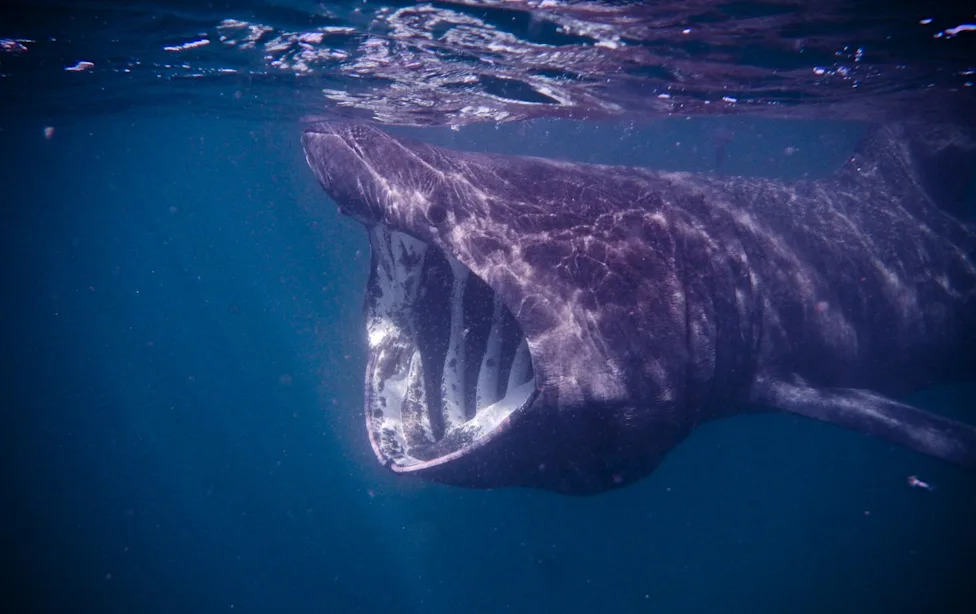
Basking sharks pose no harm to people. These slow-moving fish eat mostly plankton.Basking sharks are the second-largest type ofsharkand fish swimming in the sea, reaching up to 30 feet long.(Rebecca-Belleni-Photography, Getty Images/iStockphoto)
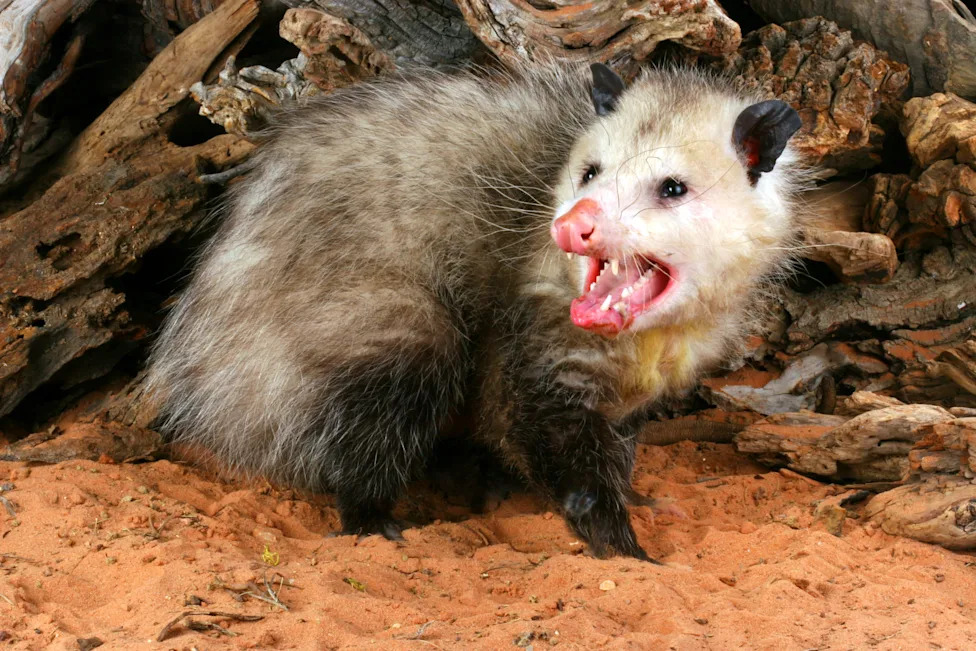
Opossums may be a nuisance when rooting through your trash, but they are not aggressive animals.(johnaudrey, Getty Images/iStockphoto)
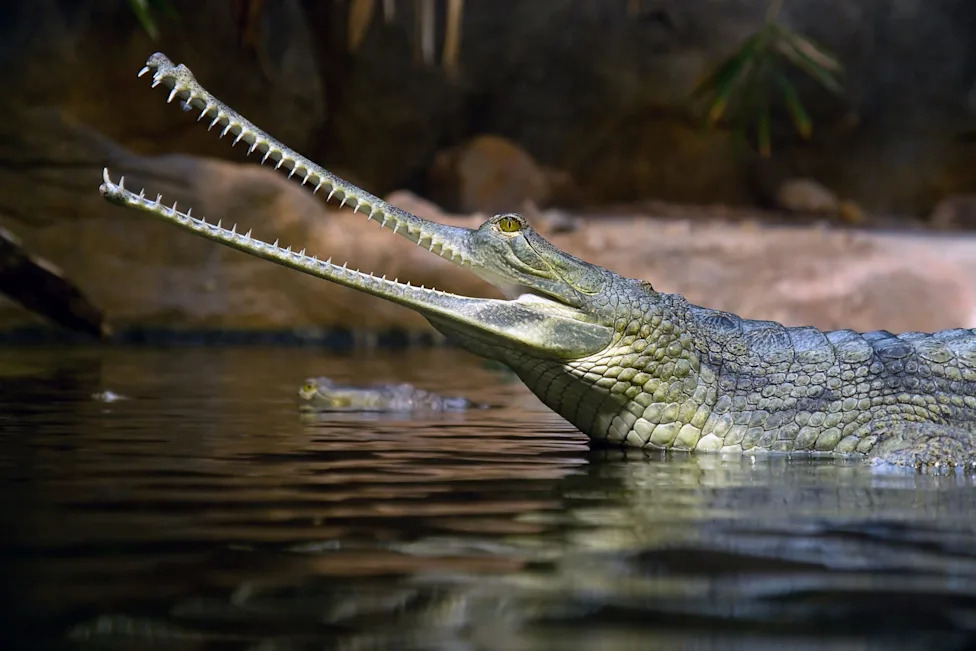
Gharials are afraid of humans and prefer to avoid them rather than attack.(riskms, Getty Images/iStockphoto)
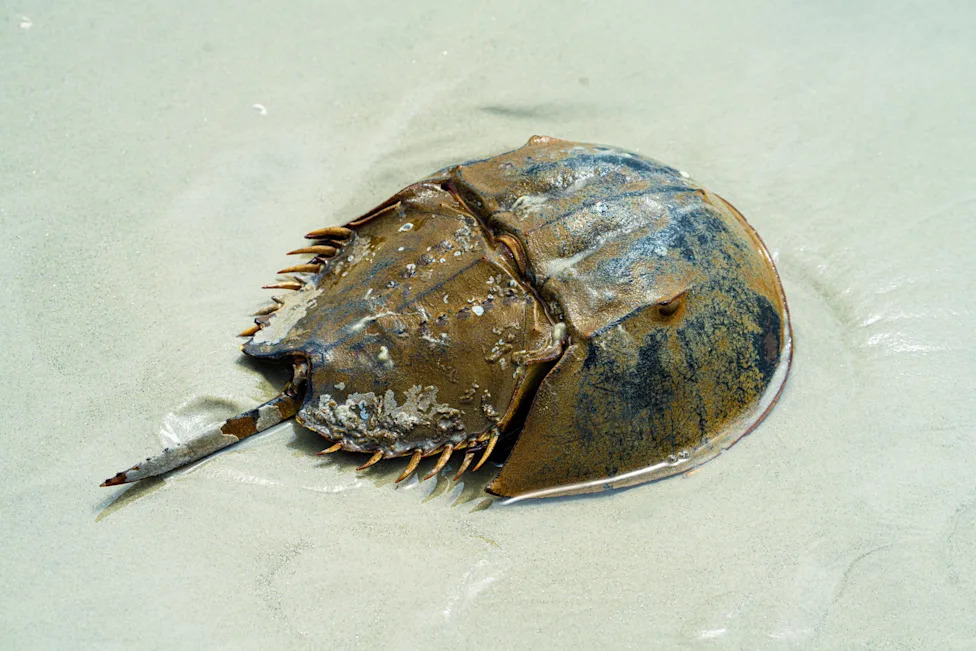
Horseshoe crabs may look spiky and scary, but they are harmless.(Penny Britt, Getty Images)
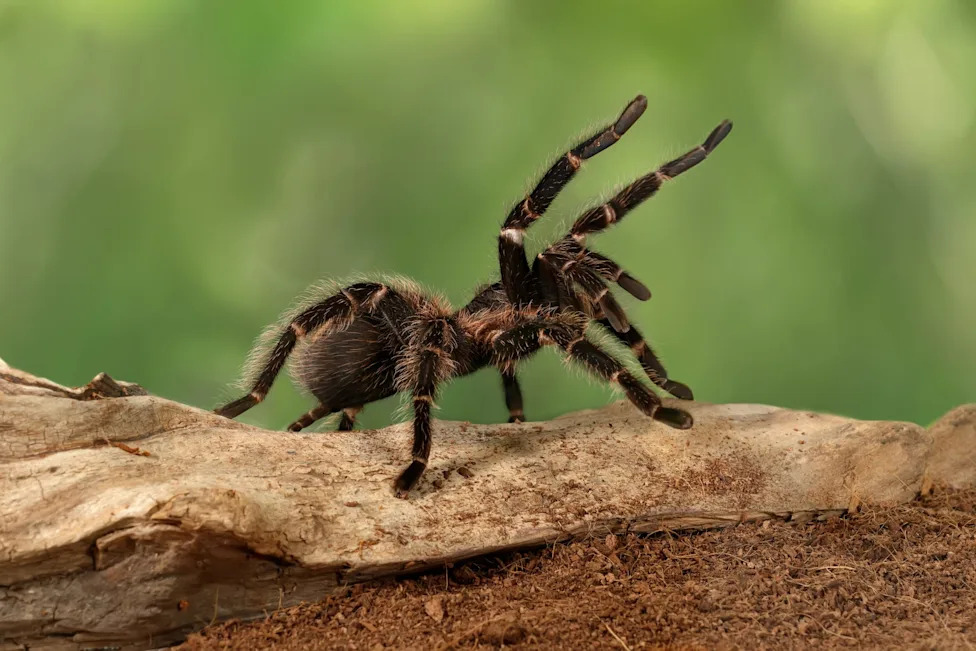
Despite their hair-raising appearance, tarantulas are not aggressive and typically only bite in self-defense.(tenra, Getty Images/iStockphoto)
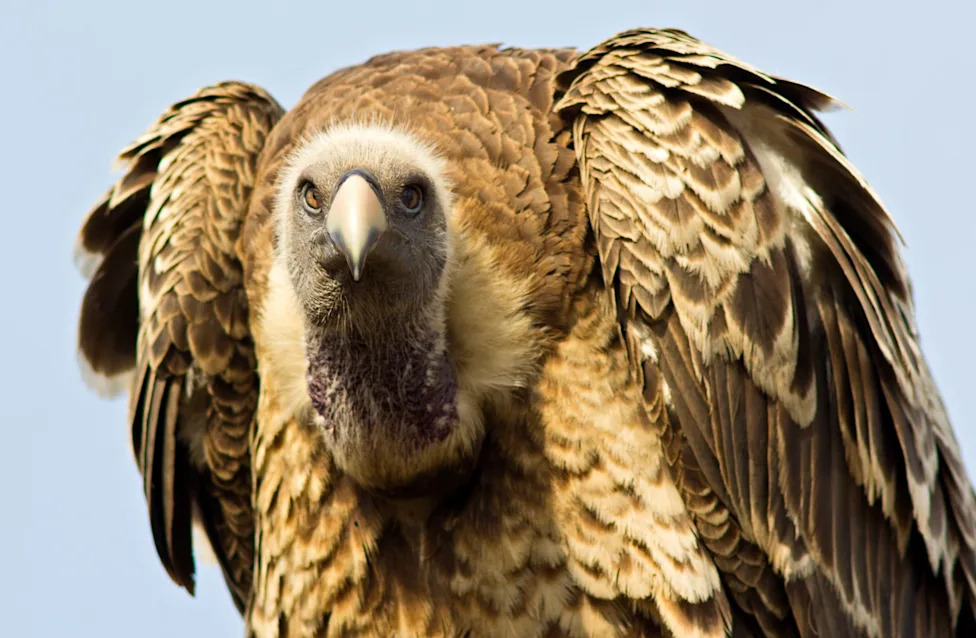
Vultures play an important role in nature by eating dead animals and controlling the spread of pests and diseases.(WLDavies, Getty Images)
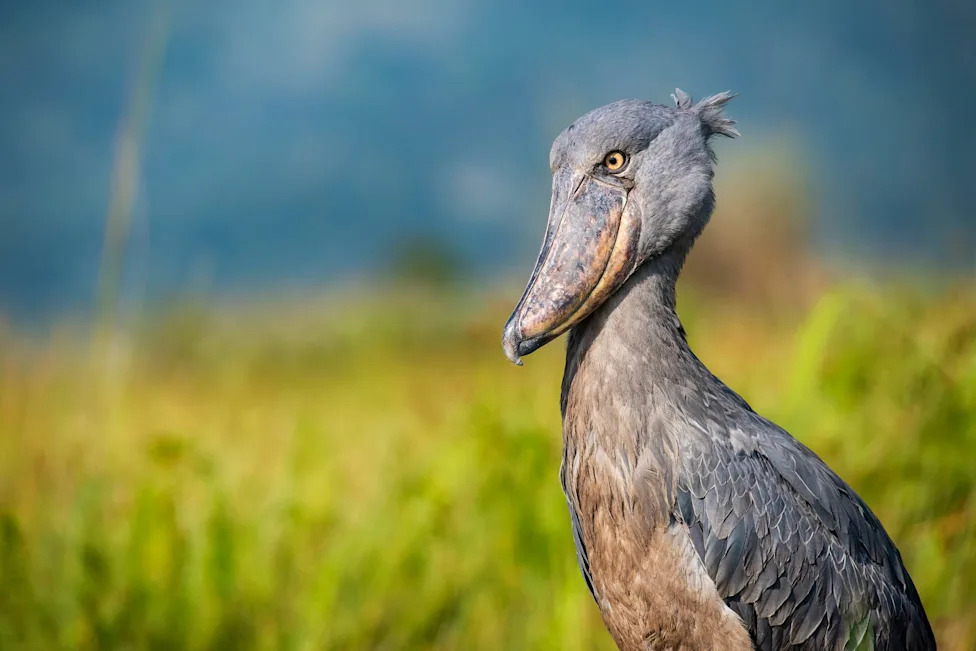
Shoebills are solitary wading birds.(guenterguni, Getty Images)
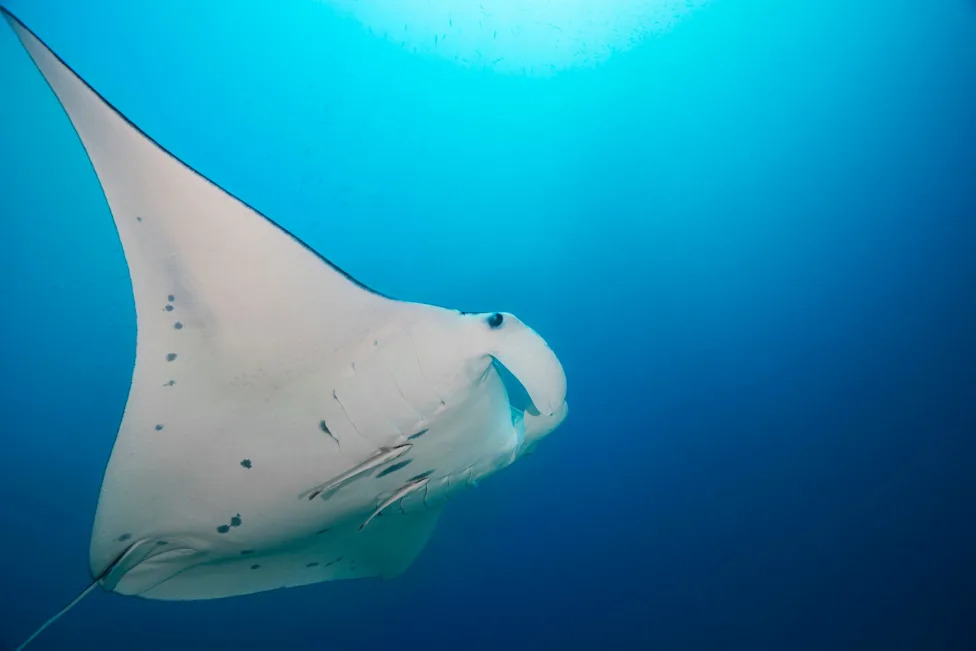
Manta rays are gentle creatures that feed primarily on plankton and small crustaceans.(Global_Pics, Getty Images)
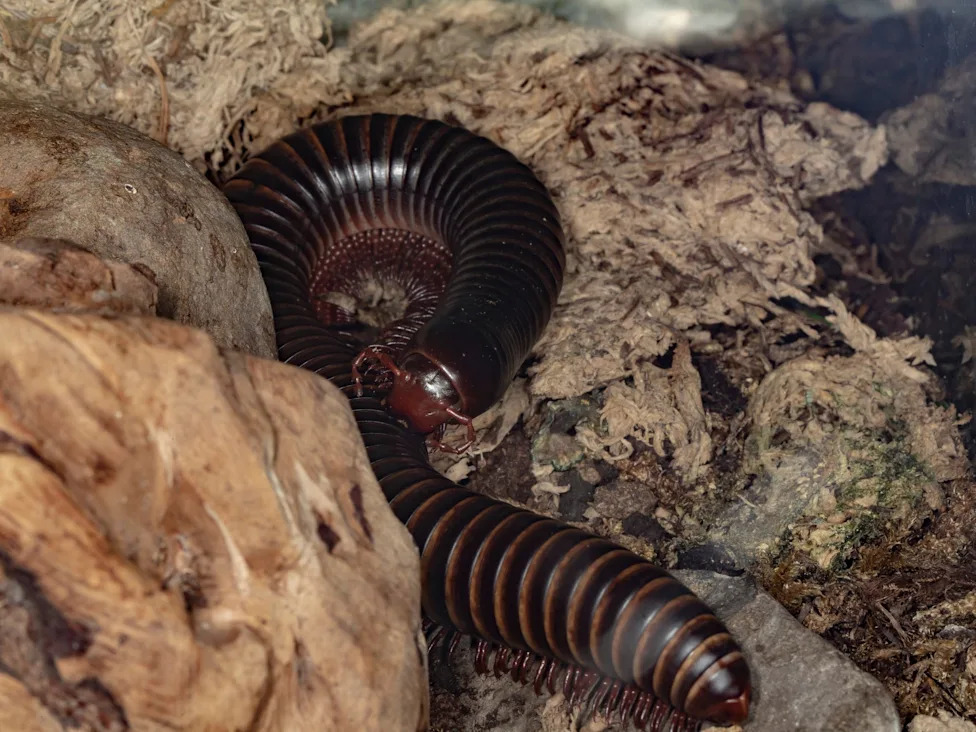
Giant African millipedes are docile animals, despite their creepy crawly appearance.(Sonya Kate Wilson, Getty Images/iStockphoto)
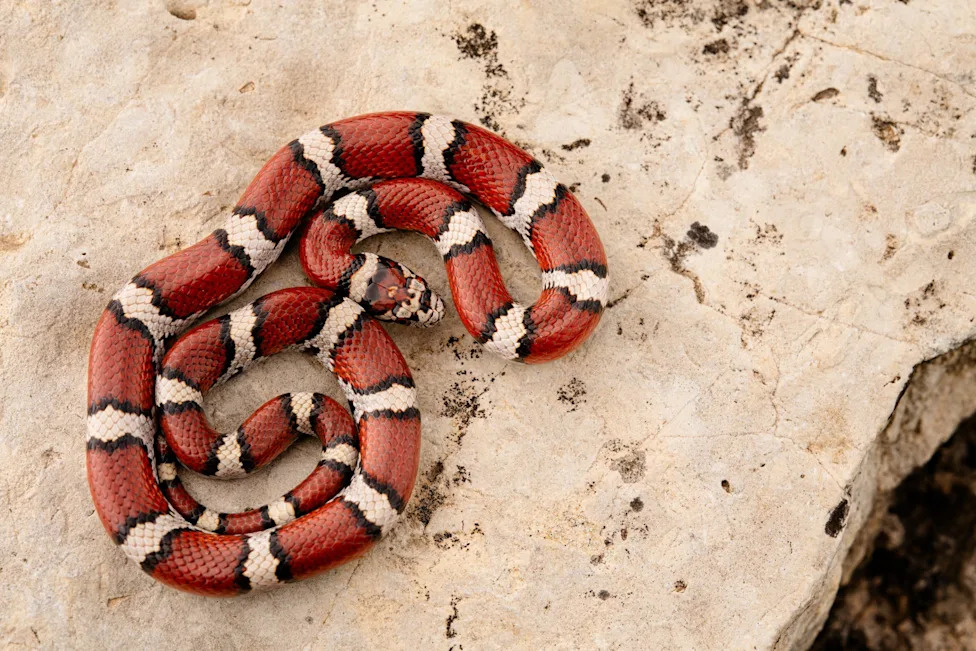
Milk snakes may bite in self-protection, but they lack venom.(Ethan Ramirez, Getty Images)
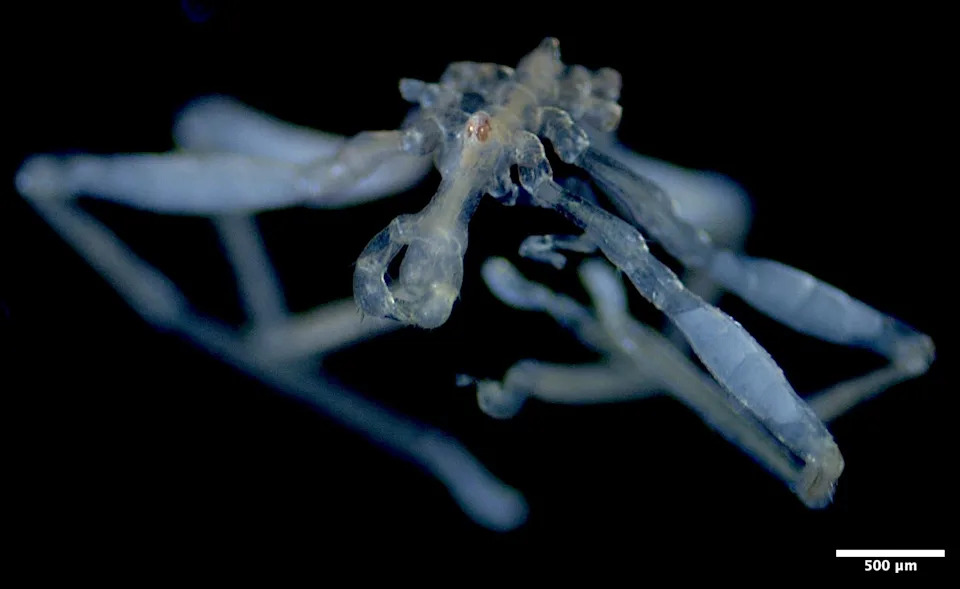
Callipallene pilosuspedes
Help us improve.