An international team has uncovered a previously unknown Ramesside tomb in Lower Sheikh 'Abd el-Qurna near Luxor, identifying the occupant as an official named Paser. The tomb—about 3,000 years old—preserves painted chapel scenes and a classic New Kingdom layout of forecourt, rock-cut chapel and subterranean burial chambers. The discovery arrives amid preventive conservation work aimed at protecting the UNESCO-listed Theban necropolis from flash floods, which increasingly damage painted surfaces through moisture and salt crystallization. Conservators expect to learn more after cleaning the chapel paintings.
3,000-Year-Old Ramesside Tomb Unearthed Near Luxor as Flash Floods Threaten Painted Walls
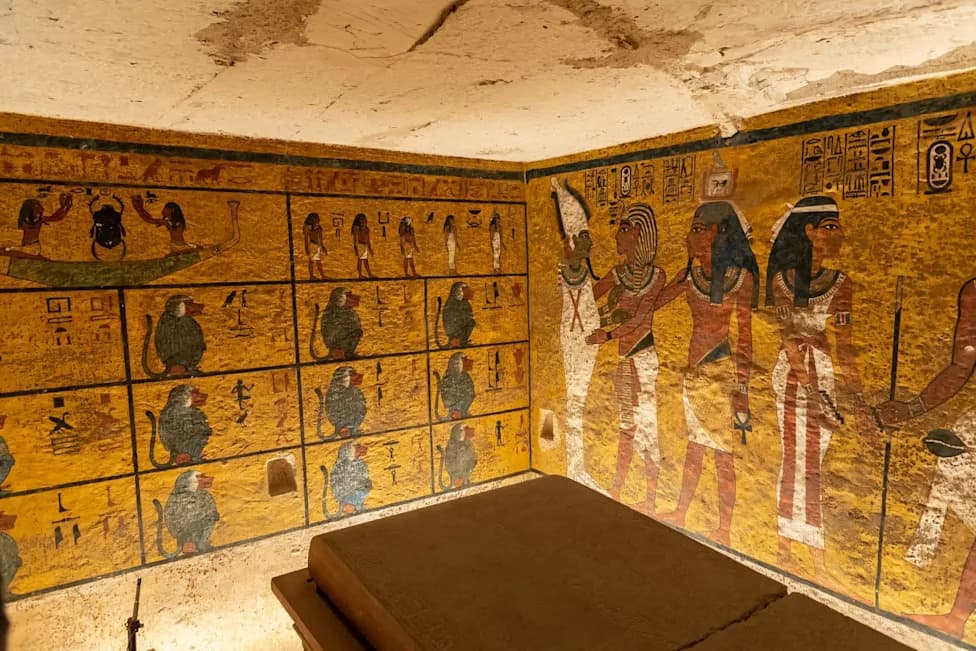
Photo Credit: iStock
Near Luxor, an international archaeological team has revealed a previously unrecorded Ramesside-period tomb in Lower Sheikh 'Abd el-Qurna, offering a rare glimpse into elite New Kingdom burial practices while underscoring the growing threat that flash floods pose to painted funerary decoration.
Discovery and Tomb Architecture
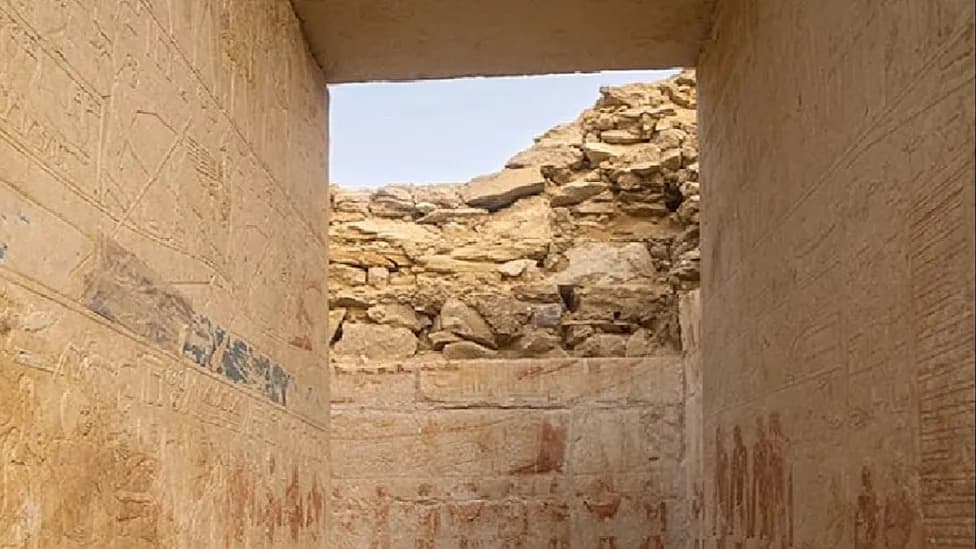
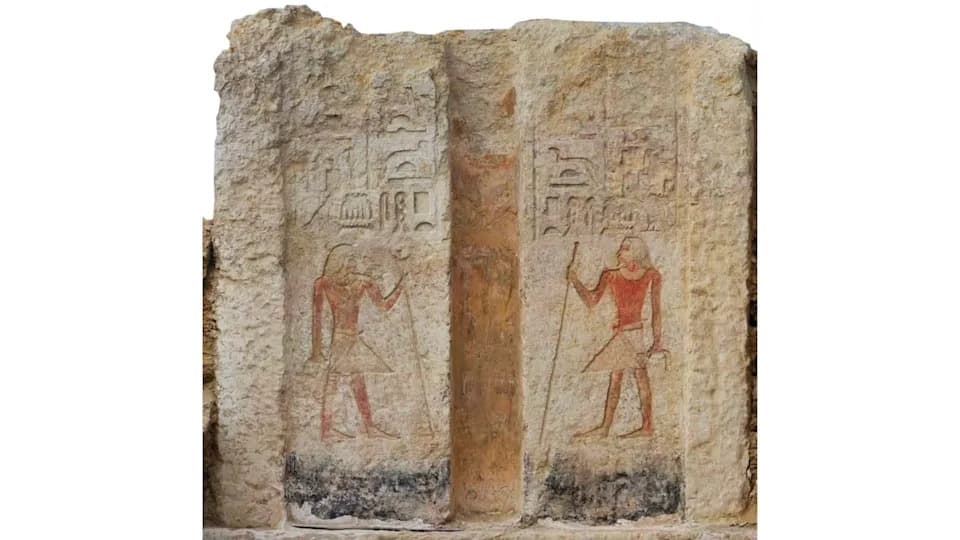
The newly identified tomb dates to roughly 3,000 years ago and follows the typical layout for an elite New Kingdom burial: an open forecourt, a chapel hewn into the rock and underground burial chambers. In the courtyard the team found a mudbrick platform with a niche for an upright stela (grave marker) and a staircase flanked by ramps — features that emphasize the tomb owner's social standing.
Painted Scenes Identify the Owner
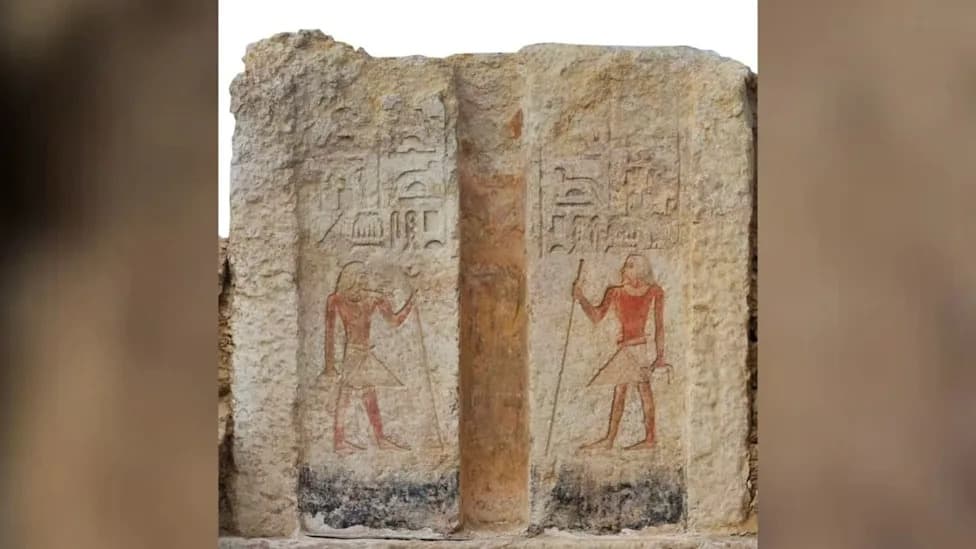
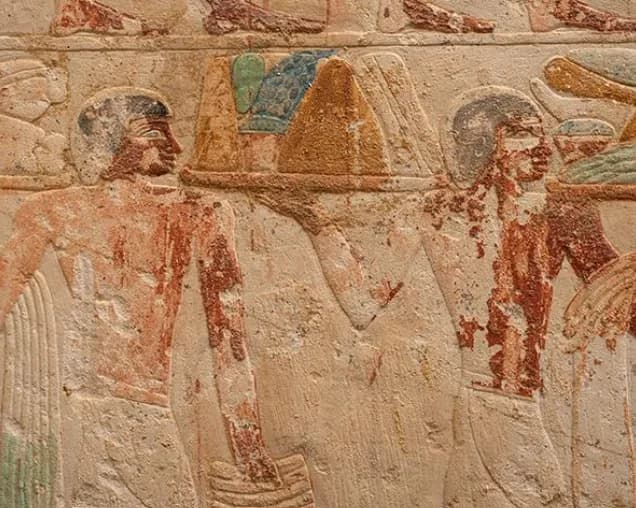
Bright painted scenes in the chapel depict the tomb owner worshipping deities and sitting with his wife at an offering table laden with bread, beer, fruit, meat and flowers. Those iconographic details enabled researchers to identify the occupant as an official named Paser and to date the burial to the Ramesside period (approximately 1292–1069 BC).
Context and Research Significance
Lower Sheikh 'Abd el-Qurna is part of the larger Theban necropolis — a UNESCO-listed burial landscape that once extended across about 10 square kilometres (3.9 square miles) and served as Egypt's principal royal and elite cemetery from roughly 1550 BC for several centuries. Compared with better-known areas such as the Valley of the Kings, Lower Sheikh 'Abd el-Qurna has been less intensively studied, so this find could shed new light on how Thebans arranged memory, status and sacred geography on the necropolis.
The tomb may also help explain patterns observed in the Ramesside era, when some officials reused or modified older tombs or deliberately constructed new tombs adjacent to 18th-dynasty monuments.
Conservation Efforts and Climate Risk
The discovery came amid an ongoing conservation project, coordinated with the Egyptian Ministry of Tourism and Antiquities since 2018, that prioritizes preventive conservation and flood risk management alongside careful excavation. The team has been clearing debris and working to divert floodwater away from vulnerable monuments while preserving archaeological evidence.
Heavy rains can trigger flash floods in the necropolis; the resulting moisture and salt crystal growth attack painted surfaces and can cause structural collapse. With climate change increasing the frequency and intensity of these events, conservators emphasize that waiting to repair storm damage is often too late.
Next Steps
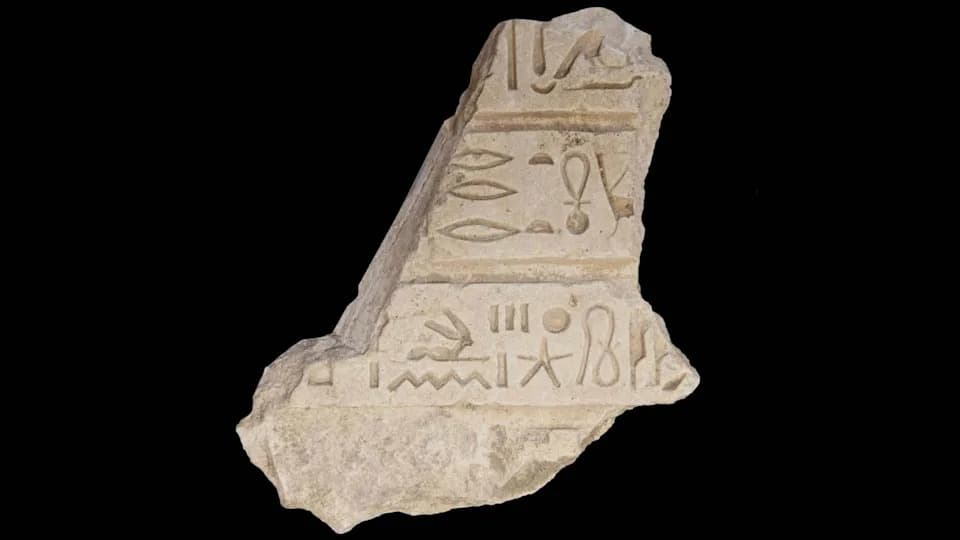
Conservators expect more information to emerge as they carefully remove the dirt covering the painted walls. Cleaning those layers should reveal additional iconography and inscriptions that can clarify who Paser was and what his tomb tells us about personal beliefs, status, and funerary practice in the Ramesside period.
Why it matters: The find combines art-historical evidence with urgent conservation needs, illustrating how modern climate risks threaten our ability to learn from ancient sites.
Help us improve.