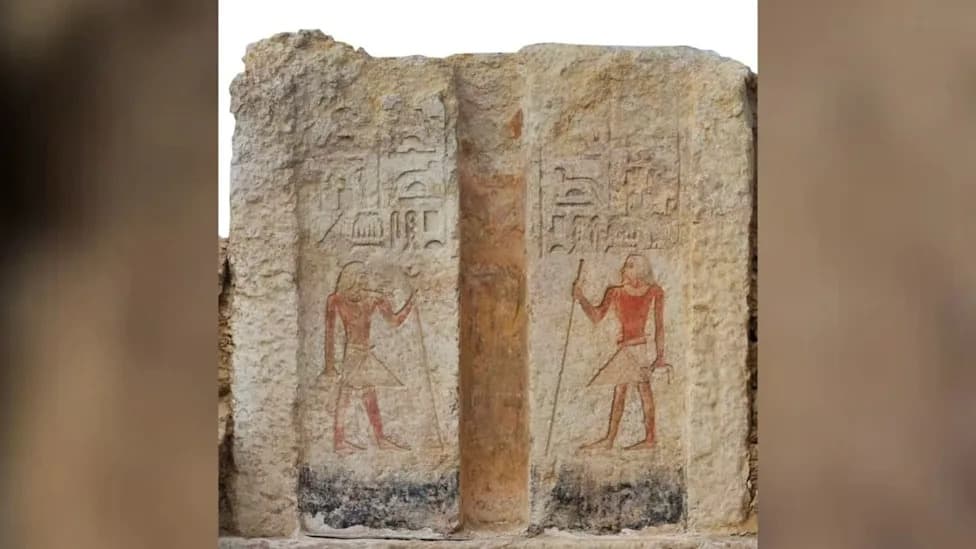
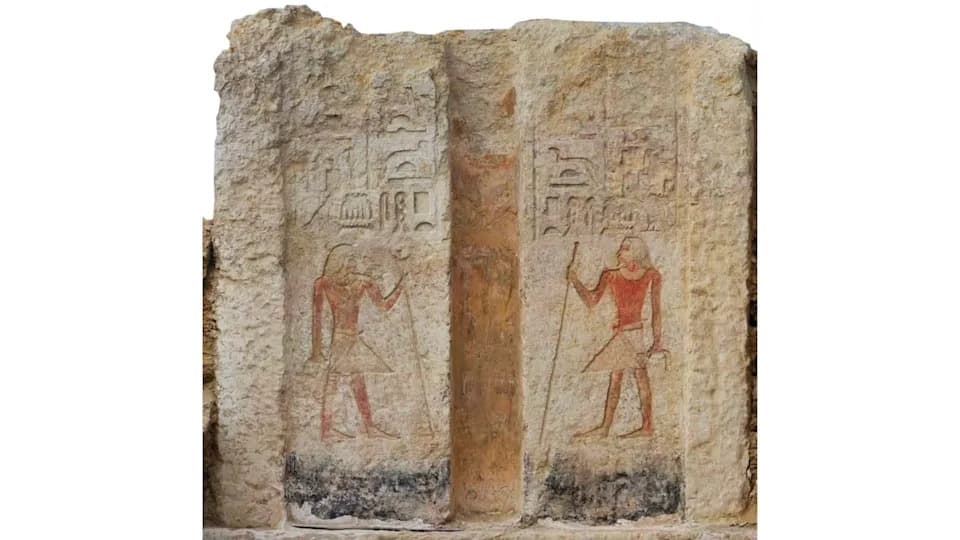
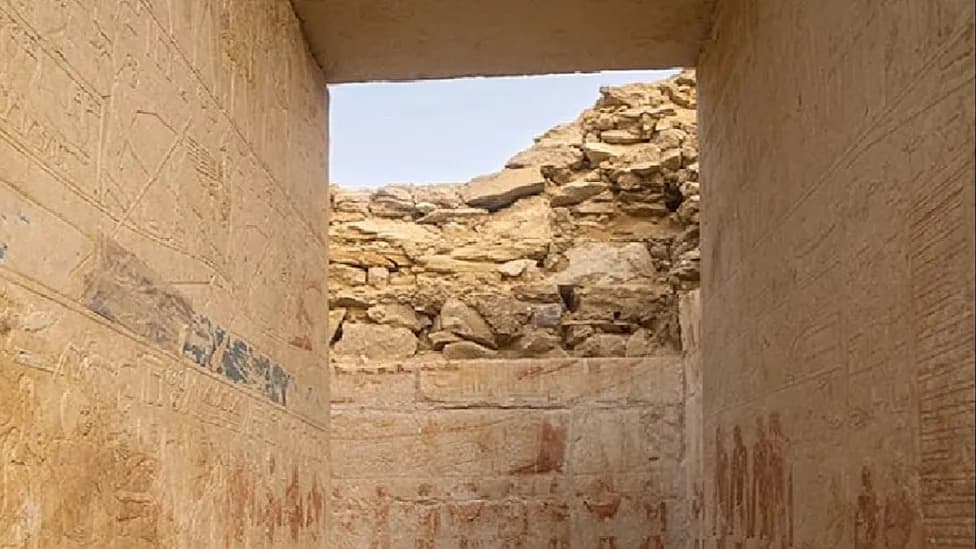
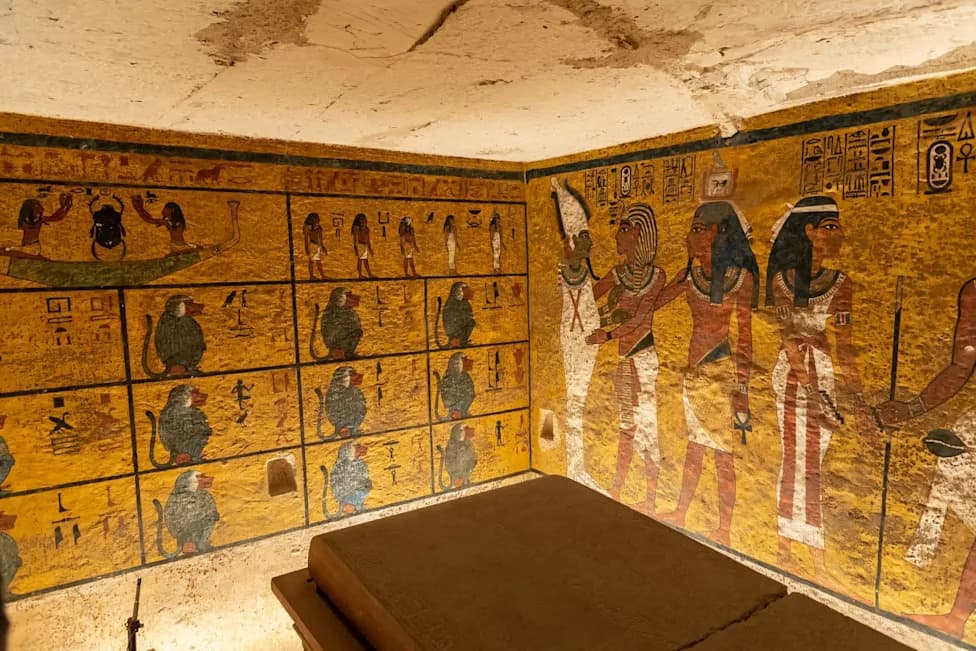
Archaeologists have discovered the tomb of Sekhentyu-Ptah at Saqqara’s Bubasteion necropolis, a burial dated to about 4,000 years ago. The chapel contained a carved false door, a symbolic portal the ancient Egyptians believed only the dead could use, plus ritual objects inscribed with Sekhentyu-Ptah’s many official titles. Excavators also recovered more than 100 faience shabti figures and noted nearby burial shafts with human remains. The Egyptian government is upgrading Saqqara’s visitor infrastructure while teams continue scientific analysis of the finds.
4,000-Year-Old Saqqara Tomb Unearthed — With a 'False Door' Only the Dead Could Use
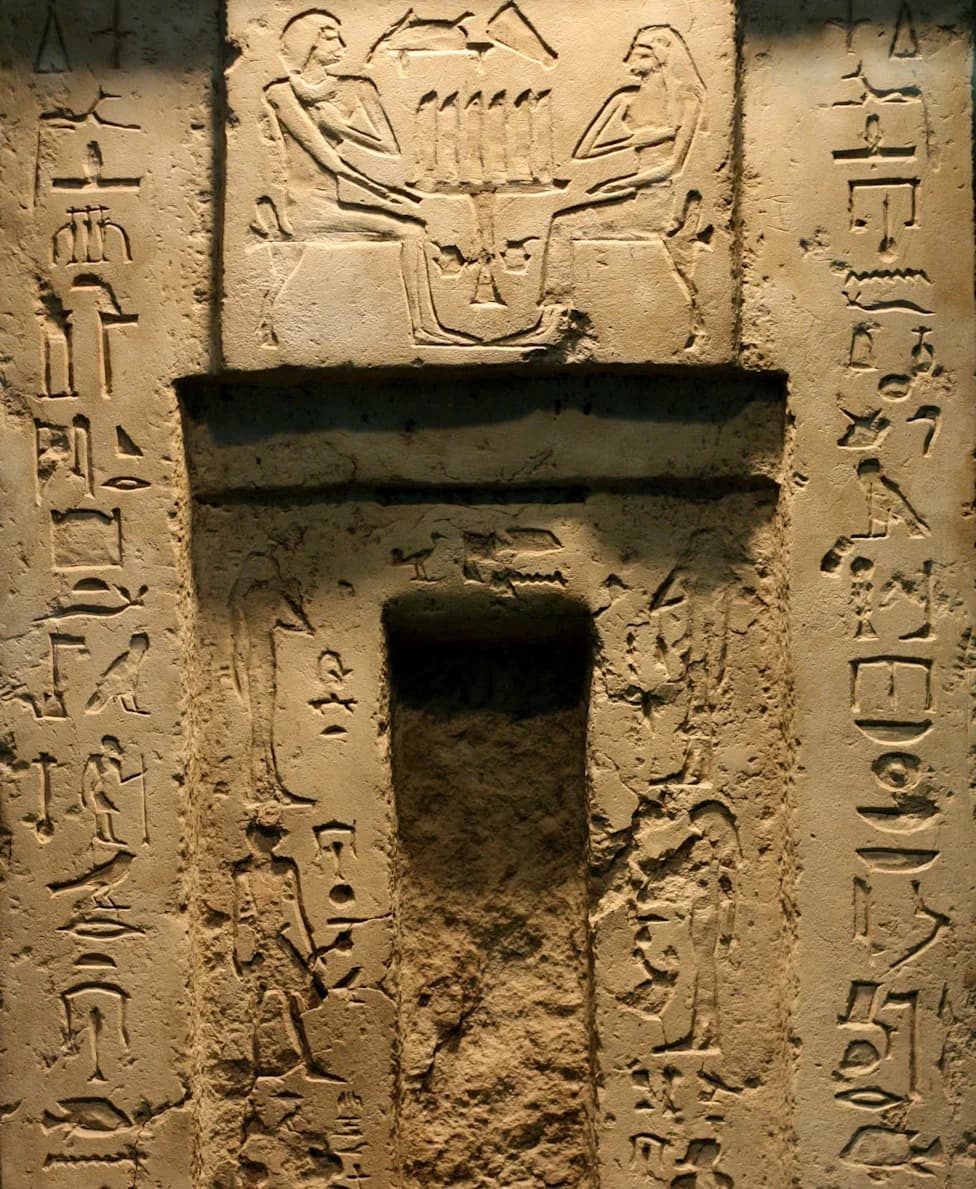
Archaeologists Found a Door to the AfterlifeUniversal History Archive - Getty Images
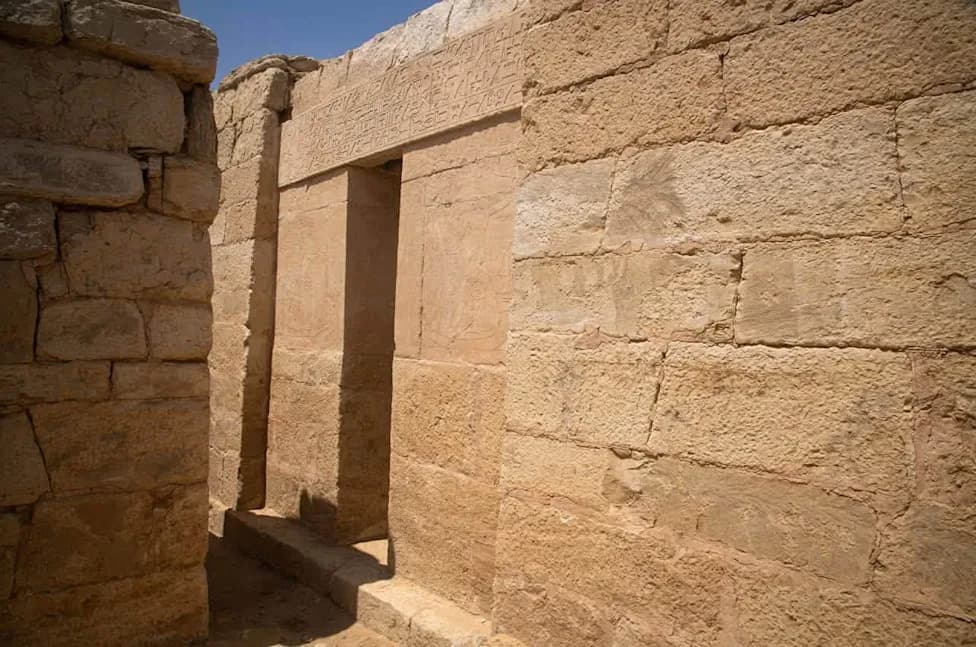
Archaeologists excavating the Bubasteion area of Saqqara have uncovered the tomb of a high-ranking Old Kingdom official named Sekhentyu-Ptah, buried roughly 4,000 years ago. Although the burial had been looted in antiquity, the chapel and surviving funerary items shed fresh light on elite burial practices and beliefs at the dawn of pharaonic Egypt.
What the Tomb Revealed
In the remains of the funerary chapel the team found a carved false door — a common feature in ancient Egyptian tombs. Once assumed to confuse robbers, false doors were symbolic portals through which the dead were believed to pass between this world and the afterlife, a threshold no living person could open. In front of the false door archaeologists documented ritual objects including a purification basin, an offering table and an offering disk, each inscribed with Sekhentyu-Ptah's name.
Titles and Roles
Hieroglyphic inscriptions identify Sekhentyu-Ptah as a man of many official responsibilities: royal chamberlain; supervisor of the king's works; supervisor of the king's documents; supervisor of scribes; and priest of Ma'at, the goddess of truth and cosmic order. The priestly role linked his civic duties to beliefs about posthumous judgment, where the heart of the deceased was weighed against a feather representing Ma'at.
Other Finds
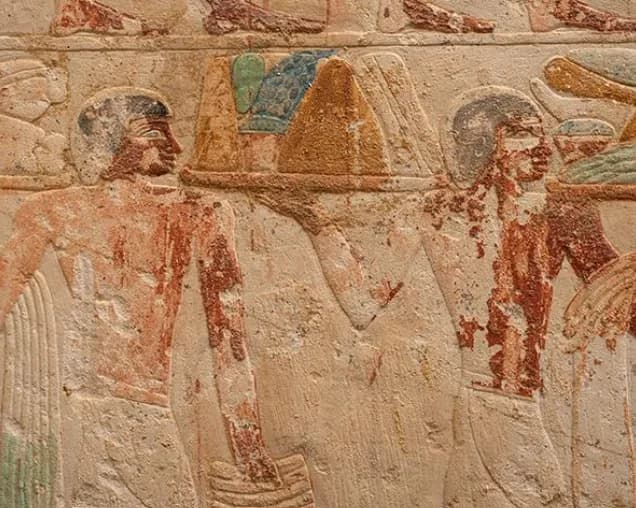
Nearby burial shafts — also looted in antiquity — still contained human remains and funerary goods. Excavators recovered more than 100 shabti figures, small servant statuettes intended to perform tasks for their owner in the afterlife. Crafted largely in faience (glazed earthenware in blue, green or turquoise), shabtis began as royal retainers and later became widely available after artisans developed more efficient production techniques.
Cultural Context
The tomb was found within the Bubasteion necropolis, named for a later temple complex dedicated to the cat goddess Bastet. Although the Bubasteion temple dates to a later era than Sekhentyu-Ptah’s burial, vessels depicting Bastet recovered at the Step Pyramid complex suggest the goddess’s cult had early roots. The finds at this tomb contribute to a longer view of ritual life at Saqqara, a UNESCO World Heritage site that preserves monuments from the Old Kingdom onward.
Conservation and Visitor Upgrades
This summer, the Egyptian government launched an initiative to improve visitor infrastructure at Saqqara, including reinforced paths, better services and upgraded facilities to make the site safer and more accessible. Tourism and Antiquities Minister Sherif Fathy has emphasized sustainable development that balances public access with preservation of fragile archaeological contexts.
"The mission will continue excavations and scientific analysis of the finds, which are expected to provide further information about burial practices and the development of the Saqqara necropolis across different periods of ancient Egyptian history," said a statement from Egypt's Ministry of Tourism and Antiquities.
Ongoing archaeological work and laboratory study of the objects and human remains are likely to yield more details about Sekhentyu-Ptah’s life, his roles in the royal administration, and evolving funerary customs at Saqqara.
Help us improve.